

Understanding Peer-to-Peer Derivatives in Kenya
Explore how peer-to-peer (P2P) derivatives work, their benefits, risks, and regulation in Kenya’s market. Learn to navigate this growing financial tool with ease 📈💼
Edited By
Oliver Hughes
Peer-to-peer (P2P) transactions have turned into a staple in Kenya's financial scene. Simply put, P2P means transferring money directly between people without going through a bank or traditional financial institution. This direct exchange cuts out the middleman, often making transactions faster and cheaper.
In Kenya, M-Pesa is the textbook example of P2P in action. Since its launch in 2007 by Safaricom, it has enabled millions to send and receive money instantly using mobile phones. Beyond mobile money, platforms like Tala and Branch offer P2P lending, connecting borrowers directly to lenders through their apps, bypassing conventional banks.
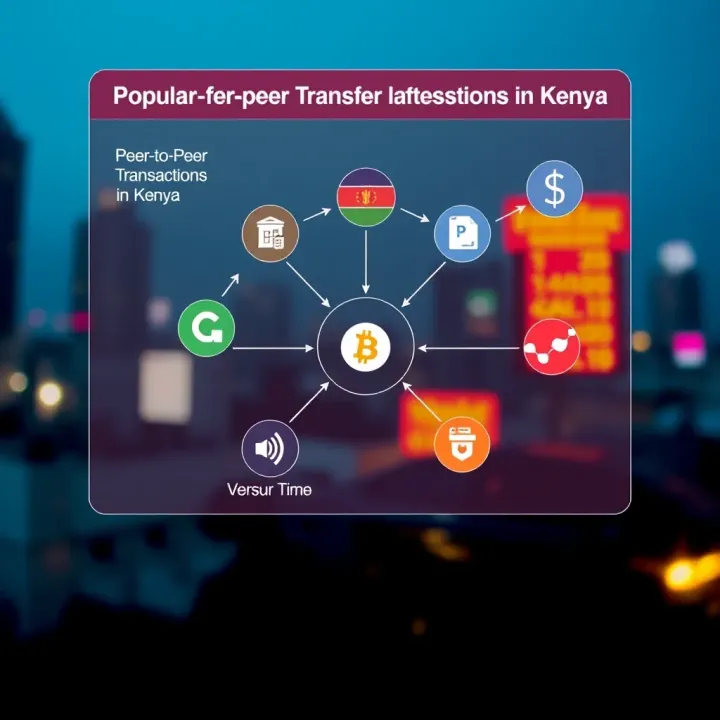
P2P transactions empower individuals to move money and services quickly across distances, promoting financial inclusion, especially for those without bank accounts.
The appeal for traders, investors, and forex brokers lies in the ease and speed of these transfers. Whether paying suppliers, receiving payments from clients, or moving funds between accounts, P2P options reduce delays and often lower fees compared to formal banking routes.
Yet, P2P isn't without risks. Since transactions usually happen outside banking frameworks, there is potential for fraud or disputes that are harder to resolve. Also, regulatory oversight is still evolving; authorities like the Central Bank of Kenya (CBK) are increasingly monitoring P2P platforms to enhance security and compliance.
Some notable ways Kenyans use P2P transactions include:
Mobile Money Transfers: Sending airtime or cash through M-Pesa or Airtel Money.
P2P Lending: Accessing microloans via digital lending apps.
Digital Marketplaces: Paying for goods and services on platforms like Jumia using direct wallet-to-wallet payments.
Informal Savings Groups: Leveraging mobile apps for contributing and withdrawing money in chamas (rotational savings groups).
Understanding these mechanisms is vital for anyone handling money flows in Kenya's dynamic market. The directness of P2P transactions offers flexibility, but users must stay vigilant and keep up with regulatory changes to safeguard their funds and maintain smooth operations.
Understanding peer-to-peer (P2P) transactions is key to grasping how money and services now move in Kenya’s economy. Instead of relying on banks or formal intermediaries, P2P lets individuals and businesses interact directly. This approach speeds up exchanges, cuts costs, and widens access, especially for those outside the mainstream financial system. For traders, investors, and financial analysts, recognising P2P mechanisms clarifies market dynamics and consumer behaviour in Kenya’s rapidly digitalising environment.
Peer-to-peer means transactions happen straight between two parties without a central authority. For example, someone might send KSh 5,000 via M-Pesa to a family member or pay a boda boda rider directly through their mobile wallet. This removes delays and fees typical with banks, which often require paperwork and waiting times.
This directness encourages trust and speed. Many Kenyans who lack bank accounts — often due to location or bureaucracy — depend on P2P transfers daily. It builds community-level financial inclusion by making sending and receiving money as easy as sending a message.
Unlike banks where money moves through clearing systems and intermediaries, P2P cuts out those middle layers. Traditional banking involves processes like account verification, clearinghouses, or branch visits. P2P transactions typically occur instantly on platforms like M-Pesa or Equitel, reducing friction.
For investors or traders, this means price discovery and customer flows may happen faster and through informal channels. It also presents challenges such as weaker regulatory oversight and elevated fraud risks compared to regulated banks.
This is the most common P2P transaction type in Kenya. Mobile money apps like M-Pesa allow users to move cash instantly between individuals without bank accounts. This supports remittances, payments for casual work, school fees, and emergency funds, often with low fees.
For financial analysts, these transfers reflect economic activity at the grassroots. Tracking P2P volume gives insight into liquidity flows in urban and rural areas alike.
P2P also covers buying and selling items, or paying for services directly between people. Platforms such as Jumia and Facebook Marketplace enable users to trade products without traditional shops. For example, a trader may sell sundries or electronics directly to customers via social media.
Similarly, informal service providers—like fundis or hairdressers—accept payments via mobile wallets, bypassing cash handling and making business more transparent and secure.
P2P extends to exchanging digital goods like music, videos, or documents. Although less prominent in Kenya’s financial scene, some users share educational material or small-scale content via apps without intermediaries.
This sharing supports knowledge dissemination within communities, especially where formal education resources are scarce. It also raises considerations about copyright and quality control, which require attention as digital connectivity grows.
Direct peer-to-peer transactions form the backbone of Kenya’s digital economy, making everyday financial activities simpler and more accessible for millions. Understanding how these work helps businesses and analysts appreciate shifting patterns in commerce and finance.
Kenya’s rapid uptake of digital technology has made peer-to-peer (P2P) platforms central to everyday financial and commercial activities. These platforms bridge gaps left by traditional banks and offer quicker, more accessible ways for people to send money, buy goods, and share services. For traders, investors, and financial analysts, understanding these platforms is key to grasping how money flows in Kenya’s informal and formal sectors.
M-Pesa transformed Kenya’s financial landscape by enabling P2P payments directly through mobile phones. Users can send and receive money instantly without needing a bank account, making it the most popular P2P payment method. This system operates on Safaricom’s robust network, allowing persons in both urban and rural areas to transact seamlessly. This direct phone-to-phone transfer cuts out long queues and costly fees traditionally associated with bank branches.
In everyday life, M-Pesa plays a vital role beyond just sending money to family or paying bills. For small-scale traders, receiving payments via M-Pesa eliminates cash handling risks. For example, hawkers in Ngara or open-air market vendors in Kisumu can immediately receive payments from customers, which improves cash flow and security. On the Kenyan coast, boda boda operators use M-Pesa to pay fares, showcasing cross-sector adoption.
Platforms like Jumia and Facebook Marketplace have tapped into Kenya’s growing appetite for online buying and selling. These digital marketplaces act as P2P hubs where individuals trade goods directly, ranging from electronics to second-hand clothes. The convenience of browsing multiple sellers and comparing prices without physical travel appeals to busy urban consumers.
Buyer and seller interactions here are mostly trust-based, relying on user reviews and messaging systems within the apps. For instance, someone in Nairobi looking to sell a used laptop can list it on Jumia, while a buyer in Mombasa can negotiate price details via Facebook Messenger. While this setup opens new opportunities, it also demands vigilance due to risks like fake listings or delayed delivery. Still, these marketplaces drive the informal economy by connecting sellers to a wider audience.
Kenya’s banks have embraced digital wallets and mobile apps to remain competitive against non-bank P2P services. These apps facilitate quick transfers, bill payments, and airtime purchases directly through smartphones. The advantages include higher transaction limits and integration with banking products like loans and savings.
Examples such as Equity Bank and KCB’s mobile apps offer users features beyond basic transfers. Equity’s Equitel app combines telecom and banking services, allowing users to switch between voice calls and money transfers without leaving the app. KCB’s app has improved its interface to enable instant P2P payments between accounts, good for business owners managing multiple clients. These apps also enforce KYC (Know Your Customer) rules, reducing fraud risks compared to informal cash-based transfers.
Understanding Kenya’s P2P platforms—from M-Pesa’s mobile payments to marketplace apps and bank wallets—is critical for stakeholders assessing financial flows and emerging market trends. These tools reflect Kenya’s unique blend of technology adoption shaped by local needs and entrepreneurial spirit.
Peer-to-peer transactions bring huge convenience to everyday life in Kenya. For example, sending KSh 500 to a friend via M-Pesa is almost instantaneous, unlike traditional bank transfers that might take hours or days. This quick transfer helps small business owners to pay suppliers without delays, keeping their operations smooth. For individuals, it means settling bills or sending money to family far away is done with a few taps on a mobile phone.
This speed also reduces the need to visit banks or cash offices, saving time and transport costs. The easy access to P2P payment options means Kenyans can manage money on the go, which suits the busy, hustle-driven environment seen in urban centres like Nairobi and Mombasa.
P2P platforms in Kenya often charge minimal fees compared to banks. M-Pesa, for instance, applies small transaction fees that are a fraction of what banks might charge for wire transfers. This affordability encourages more people to use mobile money rather than conventional banking, which usually requires monthly fees and minimum balances.
For SMEs (small and medium enterprises), lower transaction costs mean retaining more profit. A boda boda rider who receives payments via Lipa Na M-Pesa tills doesn’t lose much on fees and can keep cash flowing without delays or needing change. This is crucial in Kenya's informal economy, where margins are tight.
P2P transactions have opened financial doors for millions previously excluded from formal banking. Many Kenyans in rural areas or informal settlements don’t have bank accounts but own mobile phones. Through mobile money, they participate in the economy by sending, receiving, and saving modest amounts.
The ability to access financial services without a bank account or collateral means more people can join business networks, send school fees, or save for emergencies. This has a knock-on effect of reducing poverty and enabling micro-entrepreneurs to grow their enterprises sustainably.
Despite their benefits, P2P transactions also carry fraud risks. Scammers sometimes impersonate known contacts or use phishing messages to trick users into sending money. There are common cases where someone impersonates a relative in distress, asking for urgent funds.
As many users may not verify these requests thoroughly, significant losses occur. Also, fraudsters target digital platforms through malware or fake apps, which can steal login details. For traders and investors, falling victim to fraud can disrupt cash flow and damage business reputation.
P2P platforms often lack formal mechanisms to resolve disputes when transactions go wrong. For example, if a buyer mistakenly sends payment to the wrong seller or there is a disagreement over goods received, platforms like M-Pesa offer limited recourse.
This gap challenges Kenyan consumers and businesses who must rely on trust or offline negotiations to settle differences. Without adequate dispute resolution, users may lose money or hesitate to engage in future P2P transactions, slowing down the digital economy.
Privacy concerns arise because P2P transactions usually require sharing personal information like phone numbers, IDs, or bank details. In Kenya, where cyber awareness is still growing, data leaks or unauthorised sharing of personal data is a worry.
Besides, some platforms collect user data that could be misused for targeted scams or sold to third parties without consent. Users must be cautious about where and how they share sensitive information and use trusted apps with strong privacy policies.
While P2P transactions boost financial access and convenience, Kenyan users must balance these benefits with awareness of security risks to protect their money and privacy.
Regulation of peer-to-peer (P2P) transactions plays a vital role in maintaining trust, security, and transparency in Kenya’s growing digital financial ecosystem. With millions relying on platforms like M-Pesa for everyday transactions, clear rules ensure users are protected and illegal activities are minimised. Proper regulation also fosters innovation by setting standards that encourage safe growth for P2P services.
Kenya's Central Bank (CBK) sets the regulatory framework for mobile money services, which form the backbone of P2P transactions. This framework requires service providers to operate under strict licensing terms that protect users’ funds and data. For example, the CBK limits the maximum transaction amounts on mobile wallets and enforces payment settlement timelines to reduce delays or liquidity issues. This practical structure builds confidence among users and institutions alike.
Consumer protection policies are designed to safeguard individuals from fraud, unauthorised access, and service disruptions. These policies often demand transparency regarding transaction fees and clear channels for complaint resolution. For instance, mobile money providers are required to publish service charges upfront and respond promptly to customer concerns. This ensures that both consumers and small-scale traders using P2P transactions in markets, kiosks, or informal settings know their rights and can seek redress.
Know Your Customer (KYC) requirements are fundamental in verifying users’ identities to prevent fraud and money laundering. Mobile money agents and platforms like Equity Bank and KCB digital wallets collect identification details such as national ID numbers or passports during registration. This process, while sometimes seen as cumbersome, protects users by limiting transactions to legitimate parties and helps track suspicious activities.
Reporting suspicious transactions is another critical compliance area. Platforms are mandated to flag and report unusual behaviour—like sudden large transfers or repeated transactions just below regulatory thresholds—to the Financial Reporting Centre. Users also have a responsibility to report any fraud attempts or suspicious prompts they encounter. These measures help safeguard Kenya's digital economy from risks like scams or financing of illegal activities.
Effective regulation balances user convenience with necessary controls, allowing P2P platforms to thrive while protecting consumers and the wider financial system.
In Kenya's dynamic market, understanding these regulatory aspects helps traders, investors, and analysts navigate risks and spot opportunities within P2P transactions. Staying compliant is more than a legal must; it's a step toward building safer and more reliable digital interactions across the country.
Peer-to-peer (P2P) transactions in Kenya continue to shape financial interactions beyond simple money transfers. Looking ahead, the evolution of P2P lending, crowdfunding, and blockchain integration signals changes that can deepen financial accessibility and transform how individuals and businesses interact financially. These trends offer practical benefits worth tracking by investors, traders, and financial analysts who want to anticipate market movements and consumer behaviour.
P2P lending connects individual borrowers directly with lenders through digital platforms, bypassing traditional banks. In Kenya, platforms like M-Kopa and Pezesha facilitate these loans, often targeted at small entrepreneurs or farmers who struggle to access conventional credit. Typically, lenders earn interest on the amounts they lend, while borrowers benefit from quicker access and less stringent collateral requirements.
This system relies on mobile money and digital identity verification, making it faster and more accessible. For example, a smallholder farmer in Kisumu might use a P2P lending platform to finance seeds and fertilizer ahead of the planting season without physically visiting a bank.
P2P lending and crowdfunding empower startups and small businesses by offering alternative funding routes. Startups that do not have a credit history or formal collateral can tap into these platforms to raise capital directly from individual investors. Crowdfunding platforms also allow communities to support local ventures, such as a jua kali workshop or a youth-led tech startup in Nairobi.
Besides easing initial financing, these methods encourage investors to participate in the grassroots economy with as little as KSh 1,000, spreading risk and creating new opportunities.
Blockchain technology offers a transparent and secure way to conduct P2P transactions by creating tamper-proof records. For Kenyan users, this means easier cross-border payments and safer money transfers without relying on intermediaries. Digital currencies, while still relatively new to the Kenyan market, have the potential to lower costs and improve speed for international remittances.
However, challenges remain — regulatory uncertainty, fluctuating crypto prices, and limited understanding among the general public slow adoption. As the government and financial bodies work on clearer guidelines, these obstacles may ease.
Kenya is gradually embracing blockchain and digital currency technology. Several startups and fintechs are experimenting with blockchain to enhance remittance services and land registry systems. Players like BitPesa (now AZA Finance) have introduced blockchain-based remittance solutions accessible via mobile phones.
Despite growing interest, the Central Bank of Kenya has cautionary advisories against trading cryptocurrencies due to volatility and fraud risks. Still, the community remains active, and education efforts continue to spread awareness, suggesting a cautious but forward-looking adoption path.
Keeping an eye on P2P lending growth and blockchain adoption gives traders and investors clues about evolving financial behaviours and emerging opportunities in Kenya's digital economy.
P2P lending increases financial inclusion by reaching underserved markets
Crowdfunding mobilises community investment in startups and local businesses
Blockchain offers transparency and potential cost savings despite regulatory hurdles
Understanding these trends provides useful insights for forecasting shifts in capital flows and consumer habits in Kenya's fintech space.
Explore how peer-to-peer (P2P) derivatives work, their benefits, risks, and regulation in Kenya’s market. Learn to navigate this growing financial tool with ease 📈💼

📈 Discover how derivatives work in finance, their role in managing risk and boosting investments, plus their impact on Kenya’s financial markets and regulations.

📊 Understand the Commitment of Traders Report, how it impacts Kenyan markets, and learn strategies to make informed trading decisions with clear insights.

📊 Learn how volatility indices track market price shifts and help Kenyan investors manage risk, improve trading strategies, and navigate financial market changes with confidence.
Based on 10 reviews