

Understanding USD to KSh Exchange Rate Trends
📈 Understand key factors shaping the USD to KSh exchange rate, current trends, and practical tips for Kenyan businesses and consumers to manage currency risks effectively.
Edited By
George Palmer
Predicting the exchange rate between the US Dollar and the Kenyan Shilling (KSh) isn’t guesswork — it's about understanding what moves the currency markets. Several factors, ranging from local economic performance to international events, influence how the KSh trades against the dollar. For traders, investors, and analysts, knowing these drivers is key to making informed decisions.

Kenya's inflation rate, interest rates set by the Central Bank of Kenya (CBK), and GDP growth directly affect the shilling's value. For example, when inflation rises sharply, the KSh often weakens because higher prices reduce purchasing power. Similarly, if CBK increases interest rates, it can attract foreign investors seeking better returns, thus supporting the shilling.
Trade balance also plays a role. Kenya imports more than it exports, so persistent trade deficits can put pressure on the KSh as demand for dollars rises to pay for imports.
Fiscal discipline and monetary policy are crucial — excessive government borrowing can weaken the shilling by pushing the country’s risk premium higher. Likewise, CBK interventions in the foreign exchange market, like selling hard currency to manage volatility, impact dollar-KSh rates.
Policy announcements around taxation, foreign exchange controls, or capital flow restrictions can quickly alter market sentiment.
Global factors also weigh heavily. The US Federal Reserve’s interest rate decisions often drive dollar strength. When the Fed raises rates, capital tends to flow back to the US, weakening emerging-market currencies like the KSh.
Furthermore, commodity prices, especially for tea, coffee, and oil — important to Kenya’s economy — influence forex flows. A drop in tea prices means less foreign currency earnings and pressure on the shilling.
Political stability and regional dynamics also affect confidence. For instance, during election periods, uncertainty can lead to KSh depreciation as investors seek safer assets.
Understanding these factors is not about predicting every twist but recognising what pushes and pulls the exchange rate. This knowledge helps you interpret market moves better and position smartly whether trading, investing or managing portfolios.
Keep an eye on Kenya’s inflation, interest rates, and trade statistics.
Follow the Central Bank of Kenya’s monetary policy and any government fiscal announcements.
Watch for shifts in US policy, commodity prices, and regional politics.
Use this information together, not in isolation, for more reliable predictions.
With these factors in mind, you can better understand what drives the dollar-KSh exchange rate and how forecasts come about. This insight is especially handy in Kenya’s fast-changing economic landscape where global and local forces often collide.
Understanding the dynamics of the dollar to Kenyan shilling (USD/KSh) exchange rate is critical for anyone dealing with Kenya’s forex market. It influences pricing decisions for businesses, affects the profitability of exporters and importers, and guides investment choices. For traders and analysts, knowing how this rate evolves can signal when to buy or sell currency or securities. This section highlights the key aspects shaping the exchange rate, offering a foundation for appreciating later discussions on economic indicators and forecasts.
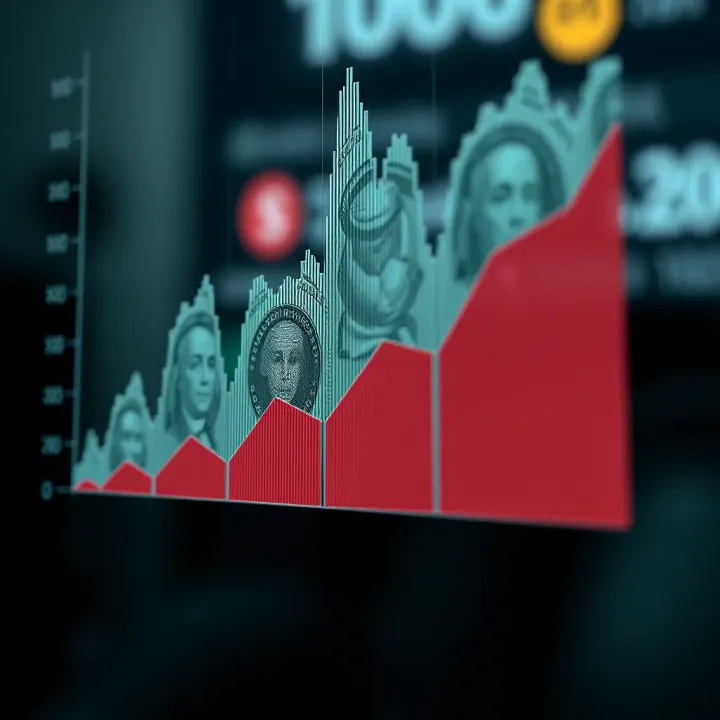
Over the past decade, the USD/KSh rate has shown steady but noticeable fluctuations. In 2013, the exchange hovered around KSh 85 to KSh 90, but it started climbing gradually to hit about KSh 110 by mid-2020. This rise was mainly driven by Kenya’s widening trade deficit and several bouts of local political uncertainty. When Kenya imports more than it exports, it creates demand for dollars, pushing the shilling lower.
These historical movements are practical for analysts because they offer context on how political events, economic policies, and global shifts have previously affected the currency. For instance, the 2017 election period saw increased volatility as investors weighed potential risks.
In more recent times, the USD/KSh rate has swung between KSh 110 and KSh 120, largely affected by external shocks and domestic developments. The COVID-19 pandemic caused a spike in April 2020 when demand for dollars surged, linked to global uncertainty. Subsequently, Central Bank of Kenya interventions helped stabilise the shilling.
Events like changes in oil prices, adjustments in US Federal Reserve interest rates, and fragile local export performance also contribute to short-term exchange rate movements. Traders need to track these triggers closely because they can swiftly alter market sentiment and currency valuations.
The exchange rate plays a direct role in how much Kenyan businesses pay for imported goods. When the shilling weakens, imported items such as vehicles, machinery, and even essentials like wheat and fuel become costlier. This increase often pushes manufacturers to raise their prices, affecting consumers.
On the flip side, a weaker shilling can boost exports by making Kenyan products cheaper on the international market. For agricultural exporters—say tea or horticulture—this can mean improved competitiveness, leading to higher foreign exchange earnings.
Exchange rate swings have a clear effect on inflation, particularly through the cost of imported goods and fuel. For example, if the shilling loses ground, prices for petrol and cooking gas rise, pushing up transport and household costs. Since Kenya imports a significant portion of its food and oil products, a weaker shilling usually feeds into higher overall prices.
This inflationary pressure impacts the general cost of living, squeezing household budgets, especially for lower-income families. Understanding this link helps policymakers anticipate inflation trends and decide whether to adjust interest rates or issue other monetary measures.
Exchange rate trends are not just numbers; they reflect real costs and earnings that affect every Kenyan, from the market vendor adjusting prices to the exporter negotiating deals abroad.
Historical data shows how politics and economics shape the shilling’s value.
Recent exchange rate moves respond quickly to global and local events.
Businesses and consumers feel the impact through import prices and inflation.
Grasping these fundamentals offers traders, investors, and financial professionals a practical framework for analysing Kenya’s forex market and making informed decisions.
Understanding key economic indicators is essential when predicting the dollar to Kenyan Shilling (KSh) exchange rate. These indicators reflect the health of the economy, shaping investor confidence and currency stability. Traders, investors, and analysts focus on these signs to anticipate currency movements and adjust strategies accordingly.
Inflation shows how prices of goods and services rise over time, eroding purchasing power. Kenya and the US often experience different inflation rates due to varied economic conditions. For example, Kenya’s inflation may spike during the long rain season when food prices rise, while the US might see inflation affected by energy costs or policy changes. Comparing these trends helps assess the relative strength of each currency.
Higher inflation in Kenya compared to the US tends to weaken the shilling against the dollar. This happens because inflation lowers the real value of Kenya’s currency, making imports costlier and reducing foreign investors’ interest. Conversely, if US inflation rises faster, the dollar might lose ground. Accurate tracking of inflation rates guides forecasts and informs decisions on forex positioning.
The Central Bank of Kenya (CBK) shapes the shilling’s outlook through its interest rate policies. When CBK raises rates, borrowing costs climb, attracting foreign capital looking for better returns and thus strengthening the shilling. Lowering rates often does the opposite, encouraging borrowing but risking currency depreciation. For instance, a 2023 rate hike by CBK to tame inflation boosted the shilling briefly by attracting foreign investors into government bonds.
The US Federal Reserve’s monetary policy heavily influences the dollar. The Fed’s decisions on interest rates and quantitative easing affect the dollar’s global appeal. Tightening by raising rates usually lifts the dollar’s value as investors seek higher yields, while easing can weaken it. Given the dollar’s reserve currency status, these moves often cause ripple effects across emerging market currencies like the KSh. Keeping an eye on both CBK and Fed policies is crucial for sensible exchange rate predictions.
Kenya’s trade balance — the difference between exports and imports — matters a lot. Trade deficits mean Kenya imports more than it earns from exports, creating higher demand for dollars to pay for goods. This can pressure the shilling to weaken. For example, persistent deficits due to rising oil imports tend to push the currency down. On the other hand, surpluses from exports like tea and horticultural products can support the shilling.
Foreign exchange reserves held by CBK provide a buffer against currency volatility. Strong reserves enable the bank to intervene in the forex market, selling dollars to stabilise the shilling when needed. Reserves also reassure investors that Kenya can meet its external obligations. For instance, during short-term shocks like pandemics or political uncertainty, healthy reserves help keep the exchange rate from plunging uncontrollably. Monitoring CBK’s reserve levels is key to understanding potential exchange rate resilience.
Currency forecasting depends heavily on these economic indicators; ignoring them is like sailing without a compass.
Inflation differences between Kenya and the US influence currency strength.
CBK and Federal Reserve interest rate moves drive capital flows and exchange rates.
Trade deficits increase dollar demand, pressuring the shilling.
CBK’s foreign reserves provide stability in times of forex stress.
Knowing how these indicators interact equips you to make sharper predictions on the dollar to KSh rate.
Political and external factors can significantly influence the dollar to Kenyan shilling (KSh) exchange rate. These forces often introduce volatility that economic indicators alone may not predict. For traders and investors, understanding these elements helps navigate risks tied to sudden policy changes, geopolitical events, or global market shifts affecting forex dynamics.
Government borrowing has a direct impact on the shilling’s value. When Kenya’s government relies heavily on debt, especially foreign loans, it increases demand for dollars to service this debt. This demand tends to weaken the shilling. For example, after Kenya's announcement of a large Eurobond issue in 2019, the KSh experienced a dip as markets adjusted to higher dollar outflows.
High debt levels also raise concerns about fiscal sustainability, causing investors to doubt the country's creditworthiness. This can reduce foreign investment inflows, putting further pressure on the shilling. Traders watch these borrowing patterns closely since increasing debt levels often presage currency depreciation.
Reforms aimed at reducing budget deficits or improving tax collection can boost investor confidence in Kenya’s economy. Such confidence often supports the shilling by encouraging foreign direct investment and portfolio inflows. For instance, the government’s introduction of the new VAT law in the past has been seen by some investors as a step toward stabilising revenues and public finances.
On the flip side, stalled reforms or political reluctance to implement difficult financial measures may signal risks to investors. This hesitation can prompt capital flight, depreciation of the shilling, and wider exchange rate fluctuations. Thus, fiscal reforms remain a key watchpoint for forex analysts.
Kenya imports most of its crude oil and petroleum products, so rising global oil prices translate to higher import bills paid in dollars. This typically weakens the shilling due to increased dollar demand. For example, during the spike in oil prices in 2022, Kenya faced a weaker shilling as the cost of fuel imports surged.
Conversely, a drop in oil prices tends to ease pressure on the shilling by lowering import costs, improving trade balance, and in turn supporting the local currency. Monitoring global oil markets assists traders in predicting short-term shilling movements.
Trade disagreements, such as tariffs imposed by the U.S. or China, can disrupt global supply chains affecting Kenya’s exports and imports. When these tensions rise, Kenya may see reduced export demand, lowering foreign exchange inflows which puts pressure on the KSh.
Instability in international trade also raises global market uncertainty, prompting investors to favour safe-haven currencies like the dollar. This movement means fluctuations in the dollar to KSh rate beyond Kenya-specific factors.
Kenya’s exchange rate is influenced by trade flows within the East African Community (EAC). Increased trade with neighbours like Uganda, Tanzania, and Rwanda can strengthen the shilling by promoting regional currency use and reducing dependence on the dollar.
Trade agreements that facilitate smoother cross-border transactions also encourage investment. On the other hand, border disputes or tariff hikes within EAC can disrupt trade and spook investors, indirectly impacting the dollar to KSh rate.
Investment trends within the East African region can affect forex demand and supply. For instance, Kenyan companies expanding into neighbouring countries repatriate profits, impacting foreign exchange flows. Similarly, large regional infrastructure projects often bring in foreign currency but also require dollar outflows.
These investments influence the strength of the shilling. A surge in cross-border investments is usually positive, signalling confidence and sustained currency inflows. Conversely, regional instability or reduced investments can translate to currency pressures.
Political stability, fiscal discipline, and regional cooperation are just as critical as economic numbers in forecasting Kenya’s exchange rate trends. Keeping an eye on these political and external factors can provide a sharper edge in trading and strategic planning.
Understanding the methods used to forecast the Dollar to Kenyan Shilling (KSh) rate is key for investors and traders who want to make informed decisions. These methods provide insight into the likely direction of the exchange rate, helping businesses manage risks and plan their finances. Forecasts rely on a mix of economic fundamentals, technical signals, and expert views, each offering a unique angle on the currency’s future movements.
Examining economic data and indicators: Fundamental analysis involves looking at core economic factors like inflation rates, interest rates, GDP growth, and trade balances in both Kenya and the US. For example, if Kenya’s inflation is rising faster than that of the US, it might weaken the shilling compared to the dollar. Traders closely follow Kenya’s Central Bank decisions and the Federal Reserve’s policy, as shifts affect capital flows and currency demand. This method helps spot long-term trends supported by economic realities rather than short-term market noise.
Political and policy factors considered: Beyond numbers, political stability and government policies shape currency value significantly. For instance, increased government borrowing can raise fears about debt sustainability, causing the shilling to fall. Fiscal reforms aimed at improving investor confidence tend to strengthen the currency. Political elections, changes in trade agreements, or unexpected policy shifts can disrupt forecasts, which is why fundamental analysts watch these events carefully.
Chart patterns and historical price trends: Technical analysis studies past price movements to predict future trends using charts. Traders look out for patterns such as "head and shoulders" or "double bottoms" which signal potential trend reversals or continuations for the dollar to KSh rate. For instance, a breakout above recent highs might indicate further shilling weakening. This method suits short to medium-term trading by focusing on market behaviour instead of economic data.
Common technical tools used by traders: Popular tools include moving averages, relative strength index (RSI), and Bollinger Bands. Moving averages smooth price data to identify overall direction, while RSI highlights overbought or oversold conditions. Such tools help traders spot entry or exit points in the forex market. For example, when the 50-day moving average crosses above the 200-day, it’s often seen as a bullish sign for the dollar against the shilling.
Insights from economists and analysts: Analysts combine economic data with qualitative judgement to offer forecasts. Their expertise in interpreting how multiple factors interact often adds value beyond raw data. In Kenya, expert reports considering political developments like upcoming general elections or CBK policy changes can influence market expectations significantly.
Role of news and speculation: Market sentiment swings based on news events, rumours, or geopolitical developments. A sudden change in oil prices or international trade disputes can spark speculation, driving the dollar or shilling sharply. Traders track global headlines and social media chatter to gauge market mood, which often moves prices before fundamentals catch up.
Using multiple forecasting methods together provides a fuller picture, helping mitigate the risks of relying on just one approach. Together, fundamentals, technicals, and sentiment offer practical guidance for anyone dealing with the dollar to KSh exchange rate.
When dealing with predictions for the dollar to Kenyan shilling (KSh) exchange rate, it's essential to balance hope with realism. Exchange rates are shaped by many factors that sometimes behave unpredictably, so understanding the main considerations helps both traders and investors make informed decisions. For example, a business planning to import goods should not rely solely on forecasts but also build in buffers for sudden shifts.
Currency forecasting cannot guarantee accuracy since unexpected shocks can quickly change market dynamics. Political unrest in Kenya, such as post-election protests, or sudden policy changes from the US Federal Reserve can cause sharp currency swings. These unpredictable events disrupt normal patterns and make the most careful predictions less reliable.
Similarly, natural disasters or global crises like the COVID-19 pandemic also show how external shocks can catch markets off guard. Many investors who counted on steady USD/KSh rates had to scramble as the pandemic reduced tourism, disrupted supply chains, and changed investor confidence overnight.
Timing accuracy remains a challenge even for those with good models. A forecast might correctly predict the direction of the shilling's movement but get the timing wrong, leading to missed opportunities. For instance, a trader predicting KSh depreciation over six months may see gains if the drop happens later than expected, which could lead to losses if trades were timed badly.
Also, markets often react to sentiment and speculation more than fundamentals in the short term. Sudden news or rumours from local or international sources could push the dollar to shilling rate temporarily out of sync with underlying economic indicators.
Businesses and everyday consumers should use exchange rate predictions cautiously in budgeting and planning. For example, an importer anticipating a price based on predicted exchange rates should add contingencies for exchange rate volatility. Setting aside an additional 5–10% margin in budgets can safeguard against unexpected forex losses.
For businesses usually exposed to currency swings, hedging strategies offer practical protection. Kenyan importers or exporters could use forward contracts or options offered by banks to lock in exchange rates ahead of time. This way, they reduce the risk of currency fluctuations eating into profits.
Consumers buying goods or services priced in dollars might consider swift payments or fixed-rate deals to avoid price rises if the shilling weakens. Additionally, keeping track of official Central Bank and forex dealer rates helps identify when to act.
Managing risks around dollar to KSh movements means staying informed and combining predictions with cautious financial planning and hedging tools. It’s not about completely avoiding risk but more about controlling it wisely.
In summary, while dollar to shilling predictions provide valuable insights, their usefulness depends largely on understanding their limits and applying them thoughtfully across trading, business operations, or personal finance.
📈 Understand key factors shaping the USD to KSh exchange rate, current trends, and practical tips for Kenyan businesses and consumers to manage currency risks effectively.
📉 Discover key factors shaping the euro to KSh exchange rate, recent trends, and what Kenyans must consider for smarter business and personal currency decisions.

📊 Discover key factors shaping USD to KES exchange including economic data, government moves, and market shifts. Get practical insights for better financial decisions in Kenya.
📈 Track the EUR/USD exchange trends with insights on central bank moves, economic signals & geopolitics affecting Euro and US Dollar for Kenyan traders & businesses.
Based on 14 reviews