

Understanding Forex Trading for Kenyan Traders
📈 Learn how to trade forex in Kenya with practical tips, risks, rewards, regulation insights, and tech tools to help you make informed currency trades effectively.
Edited By
Daniel Hughes
Free funded forex accounts without deposit have caught the eyes of many Kenyan traders looking to step into forex trading without putting in their own cash. These accounts offer a provided capital from brokers or firms to trade forex, allowing you to test strategies or build experience without risking your own money.
Unlike regular demo accounts, which use virtual cash, free funded accounts actually let you trade live in the real market. Your profits usually come with certain conditions—such as a profit split or minimum trading requirements—while losses might be covered up to a set limit.

For example, a broker might offer KSh 100,000 funded account with no deposit required. You trade with that capital and keep a share of the profits after meeting the terms. This can be a practical way for novice traders or those strapped for funds to access real-market experience.
The key appeal is starting forex trading without upfront capital, but it’s wise to understand the restrictions and risk management rules tied to these accounts.
Here are some important points to keep in mind:
Provider credibility: Only use accounts from reputable brokers known and regulated locally or internationally.
Trading rules: Paid-funded accounts often have daily or weekly trade volume expectations and restrictions on currency pairs.
Profit sharing: Know the exact percentage of profits you’ll keep and any withdrawal terms.
Risk limits: Loss limits protect the provider's capital; breaching these may lead to account closure.
Starting with funded accounts in Kenya can help you enter the forex space without worrying over initial deposits, but it requires discipline and understanding of the fine print. With the rise of mobile money and online brokers, getting started has become more accessible; just be mindful of platforms promising the moon without clear terms.
In this article, we will break down how these accounts operate, weigh their perks against potential pitfalls, and guide you on choosing solid providers to trade safely and profitably.
Funded forex accounts without deposit offer traders access to real trading capital supplied by a third party, usually a proprietary trading firm or broker, without requiring them to put down their own money first. This setup provides a practical way for traders to showcase their skills and make profits without taking the initial financial risk. For Kenyan traders especially, where access to significant start-up funds can be a challenge, these accounts can open doors that might otherwise stay closed.
The importance of understanding these accounts lies in their potential to kickstart a trading career or test new strategies without personal capital on the line. However, it’s also vital to recognise the conditions and rules set by the funding firms, as they control trading limits, risk parameters, and profit sharing.
Funded accounts in forex trading mean a trader is using capital that belongs to another party, not their own. The trader manages this money to trade the forex market, with the chance to earn a share of the profits. In this arrangement, the fund provider covers all trading losses up to an agreed limit, but the trader avoids risking personal savings. This concept turns the usual trading approach upside down, offering opportunities based on skill rather than starting capital.
The "no deposit" feature means the trader does not have to commit any of their own money upfront to start trading. Instead, they usually complete an evaluation process that proves their trading ability. Once successful, the funding firm grants access to a real funded account. This removes the barrier for people who may have the knowledge but lack funds. It also limits personal financial exposure while building real market experience.
These accounts vary based on the funding model and trading conditions. Common types include:
Challenge-based accounts where you pass a test or demo challenge before receiving live funds.
Instant funded accounts granted immediately after registration or a brief assessment.
Profit-sharing accounts with pre-set rules on how profits get split between trader and firm.
Each has specific rules on leverage, drawdown limits, and instruments allowed. For example, some funded accounts restrict trading to major pairs only, while others permit a wider range.
For beginners in Kenya, funded accounts without deposit offer a chance to learn without risking their scarce capital. They can practice real forex trading on live accounts, which is more instructive than simulated demo accounts. For instance, a trader fresh out of a forex training course in Nairobi might secure a funded account and build track record before using personal savings.
Even skilled traders sometimes want to test fresh trading methods without risking their funds. Funded accounts provide this safety net. An experienced trader in Mombasa might have a new interest in swing trading but prefers to evaluate performance with someone else's capital first, ensuring professionalism before scaling up.
Many in Kenya face challenges raising funds for trading due to economic constraints or competition for resources. Free funded accounts offer these traders a way to access the forex market on a real scale. If a logistics company driver wants to trade forex on the side but lacks the KS00,000 needed for a proper account, these funded accounts create a viable alternative.
Using funded forex accounts without deposit helps Kenyan traders bridge the gap between skill development and capital availability, enabling more inclusive participation in the forex market.
In summary, understanding these accounts equips Kenyan traders with practical options to grow in forex without the initial hurdle of depositing their own cash. Proper research, discipline, and adherence to funder rules remain critical for success and avoiding pitfalls.
Understanding how funded forex accounts operate without requiring a deposit is key for anyone aiming to trade without risking personal capital. These accounts are usually provided by proprietary trading firms or brokers who evaluate traders’ skills before offering real trading capital. This setup gives traders in Kenya and beyond a chance to prove their abilities and earn profits, all without investing their own money initially.
Demonstrating trading skills through challenges plays a central role in accessing funded accounts. Typically, a trader must complete a test phase where they follow specific trading rules on a demo or simulated account. For instance, a trader may be required to achieve a set profit target within a limited period, say 10% profit in 30 days, while sticking to risk limits. This helps the funder assess the trader’s capability in managing risk and executing consistent strategies.

Next, profit targets and drawdown limits act as benchmarks for the trader’s performance. Profit targets specify how much the trader needs to earn to qualify for funding, while drawdown limits indicate how much loss is acceptable before disqualification. For example, a funded account challenge may set a maximum daily drawdown of 5% and an overall drawdown of 10%. These parameters ensure the trader doesn’t take reckless risks that could wipe the capital quickly.
Verification requirements and compliance ensure fairness and security for both parties. Traders often need to provide identification documents, proof of residency, and accept terms that forbid practices like using multiple accounts or unauthorized software. Compliance checks also help prevent fraud and money laundering, making the funded account environment trustworthy and regulated.
When a trader passes the evaluation, brokers or firms provide trading capital that ranges from a few thousand to tens of thousands of dollars or equivalent in shillings. This capital is usually kept in the broker’s account, with the trader managing trades on behalf of the firm. This arrangement allows traders without personal funds, including many Kenyan traders, to access significant market positions.
The sharing of profits between trader and funder varies by provider but often falls in the 50/50 to 80/20 split range favouring the trader. For example, a trader who makes KSh 100,000 profit may keep KSh 80,000 with the firm taking KSh 20,000. This motivates the trader to perform well while providing the firm with returns for their risk.
Lastly, withdrawal procedures and conditions usually require the trader to meet minimum profit levels before accessing earnings. Some firms allow withdrawals monthly, while others may have quarterly schedules. Traders need to maintain compliance with drawdown and risk rules to continue withdrawing profits. This system encourages disciplined trading and reinforces trust between trader and funder.
Funded forex accounts without deposit offer a realistic pathway for skilled traders to enter the market without capital risks. However, they require discipline through evaluation trials, clear profit and risk thresholds, and transparent profit-sharing and withdrawal rules.
This approach is practical and popular among Kenyan traders especially those eager to grow but lacking upfront capital. Understanding these core mechanisms prepares traders to engage confidently, knowing what’s expected and how to benefit from such opportunities.
Using funded forex accounts without deposit offers Kenyan traders a unique chance to start trading without risking their own money. However, like any opportunity, it comes with specific advantages and drawbacks that every trader should understand before committing time and effort.
One of the biggest advantages is getting access to real trading capital without putting your own cash on the line. For many Kenyan traders, especially those just starting or with limited savings, this eliminates the barrier of needing thousands of shillings to begin. For example, instead of risking KSh 50,000 of your own money, you can trade with KSh 500,000 or more provided by the funding firm.
This access makes trading more inclusive, allowing people from Nairobi, Mombasa, or Kisumu to participate in the forex market seriously. It also means you can focus on refining your skills instead of worrying constantly about losing your hard-earned savings.
Trading funded accounts is not like demo trading; it involves actual money in live markets. This exposure helps Kenyan traders build real experience under market conditions that change fast and demand quick decision-making.
By trading funded accounts, one can practise entering and exiting positions, managing leverage, and responding to economic news events such as CBK announcements or global risk factors. This hands-on experience is crucial for becoming a disciplined trader, far beyond what simulations or theory alone can offer.
Funded accounts come with set drawdown limits and rules to protect the capital provider. This setup encourages traders to learn risk management techniques, such as setting stop-loss orders and position sizing, to stay within allowed limits.
For instance, a trader might have a maximum daily loss limit of 2% and an overall drawdown limit of 10%. Keeping within these rules teaches discipline in controlling losses, which is essential for long-term success. Learning to manage risk well under such conditions prepares Kenyan traders to handle larger funds responsibly when they graduate to bigger accounts.
Many funded accounts come with specific rules about which trading styles are acceptable. Scalping or using high-frequency automated strategies might be banned, and some asset classes may not be tradable.
For example, a funded account might only allow trading forex majors and forbid cryptocurrencies or exotic pairs. This limitation could be frustrating if your strategy relies heavily on excluded instruments or quick trades. Kenyan traders must carefully read these restrictions to ensure the account supports their preferred style.
Although the trader isn’t risking their own money initially, poor decisions can cause the loss of the funded capital and termination of the account. Mistakes like overleveraging or failing to comply with rules can end your chance to continue trading with that firm.
A Kenyan trader might get excited and ignore drawdown limits during a volatile market session, unknowingly wiping out the account. This risk highlights why discipline and constant evaluation of one’s trades are vital even though it’s not personal money at stake.
Funded accounts impose strict rules on profit targets, maximum drawdowns, trading hours, and reporting. Meeting these can be demanding, especially when balancing trading with work or studies.
For example, a profit target of 10% within a month with only a 5% drawdown allowance requires constant focus and skill. Some traders might find it stressful trying to meet these exacting standards, which can affect performance and confidence.
To benefit fully from a funded forex account, Kenyan traders must weigh these advantages against the restrictions and be prepared to trade patiently and responsibly under the set conditions.
Balancing these benefits and risks helps you decide if this opportunity aligns well with your trading goals and lifestyle.
Identifying legitimate free funded forex accounts without deposit is vital for anyone wanting to trade without risking personal capital. Unfortunately, the lure of "free money" attracts many scams, especially in the forex market where regulations can differ widely. Kenyan traders should focus on key factors that separate trustworthy providers from those with shady practices.
Start by investigating what other traders say about a funded account provider. Genuine experiences from traders who have used the service give you practical insights into how the programme works, reliability, and the ease of withdrawing profits. For instance, if multiple traders report difficulties withdrawing their earnings or inconsistent account funding, this should raise a red flag. Kenyan forums or social media groups dedicated to forex trading can be useful places to get unbiased opinions. Just avoid relying on a single glowing review, as scammers often post fake testimonials.
A trustworthy funded account provider will operate under clear regulatory oversight. Check if the company is registered with recognised financial authorities such as Kenya’s Capital Markets Authority (CMA) or international bodies with strict standards. Licensed brokers tend to follow rules that protect trader funds and ensure fairness. Without proper licences, you could face issues like lack of legal recourse if the firm disappears or mishandles your profits. Always ask for proof of regulation and confirm by cross-checking with the relevant regulator’s website.
Clear and accessible terms prevent misunderstandings around profit sharing, withdrawal limits, or trading restrictions. Legitimate providers openly publish their rules and avoid hidden clauses that trap traders. Pay attention to details like how much of your profit you keep, withdrawal frequency, and permitted trading instruments. For example, some funded accounts may only allow forex pairs but not commodities or indices. Transparency helps you decide whether the offer suits your trading style and financial goals.
Watch out for funded account offers asking for fees under the table or requiring excessive personal information early on. While basic verification (ID, proof of residence) is normal, demands for bank passwords or upfront payments likely indicate a scam. In Kenya, scammers might also ask for M-Pesa transfers disguised as "processing" fees. Always question why such fees are needed before engaging further.
If a funded account provider guarantees huge returns with little or no trading skill, be very sceptical. Forex involves risk, and no legitimate firm can promise consistent profits without proper effort and risk management. Be wary of ads boasting daily returns like 10% or "guaranteed profit" schemes. These are common tactics to lure desperate traders but rarely deliver.
Reliable providers maintain open channels of communication, offering prompt support via email, phone, or chat. A funded account service that is slow to respond, vague about terms, or disappears after the initial contact is likely not trustworthy. Good customer support helps resolve issues like technical glitches or questions about account rules, which is essential for smooth trading experiences.
Taking time to thoroughly vet funded account providers protects you from losing time, effort, and potential earnings. In Kenya’s growing forex community, word of mouth and regulatory checks are your best tools against scams.
By focusing on reviews, licences, clear terms, and spotting warning signs, you can confidently identify free funded forex accounts that are genuine and suited to your trading ambitions.
Making the most of a free funded forex account without deposit calls for a well-thought approach and discipline. Since you are trading with funds provided by the account provider, the stakes are high — your actions affect not only your profits but also the continuation of the funding. These tips focus on practical steps every trader should follow to build a consistent track record and avoid losing access to the funded capital.
Before you start trading, define what success looks like in both profit and risk terms. For example, a daily profit target might be 0.5% while limiting daily losses to 0.25%. These goals keep your trading focused and prevent you from chasing unrealistic returns that often lead to big losses. Clear profit and risk targets help balance ambition with caution, an essential skill when handling someone else's money.
Trading strategies that ignore local market realities often fail. Kenyan traders should remember how national events or regional East African Community (EAC) news can sway currency pairs, especially USD/KES. For instance, CBK announcements on interest rates usually cause sharp swings. Factoring such data into your plan makes your trades grounded in real market behaviours, increasing the chances you'll meet the funder’s requirements.
Every funded account comes with terms like maximum drawdowns, allowed instruments, and trade volume limits. Ignoring these can cost you your funded status. For example, if a funder prohibits trading forex pairs outside major ones, straying onto exotic pairs might disqualify you. Study these rules closely and build your plan around them. Following funder guidelines is key to maintaining the funded account and growing your trading career.
Drawdown means the reduction of your trading account from peak to lowest point. Funded accounts typically have strict drawdown limits, such as 5% to 10%. Surpassing this often leads to losing the funded capital. Therefore, you need to manage your stop-loss orders carefully and avoid risky trades that could wipe out significant portions of the account. Limiting losses ensures you stay in the game longer.
A journal tracks every trade's details—entry, exit, reasons for the trade, and outcome. This habit helps identify which strategies work and where mistakes happen. Imagine you notice a particular pattern causing losses every Tuesday morning due to Nairobi market volatility. Recording this insight allows you to adjust your approach accordingly. Detailed journals are a practical tool for improving discipline and refining trading tactics.
No trader is perfect; errors are part of the process. The key is to analyse your mistakes objectively and avoid repeating them. For example, if overtrading during volatile news led to large drawdowns, your next step is to set rules around how to trade on those days. This continuous learning loop builds resilience and tightens your trading performance. Funded account providers favour traders who demonstrate growth and adaptability.
Staying disciplined, respecting funder rules, and having a clear plan with risk limits can transform a free funded forex account from just an opportunity to a solid stepping stone for a lasting trading career.
By applying these tips, Kenyan traders can make the most of free funded forex accounts without deposit, improving their chances of turning the opportunity into real, sustainable profits.
📈 Learn how to trade forex in Kenya with practical tips, risks, rewards, regulation insights, and tech tools to help you make informed currency trades effectively.
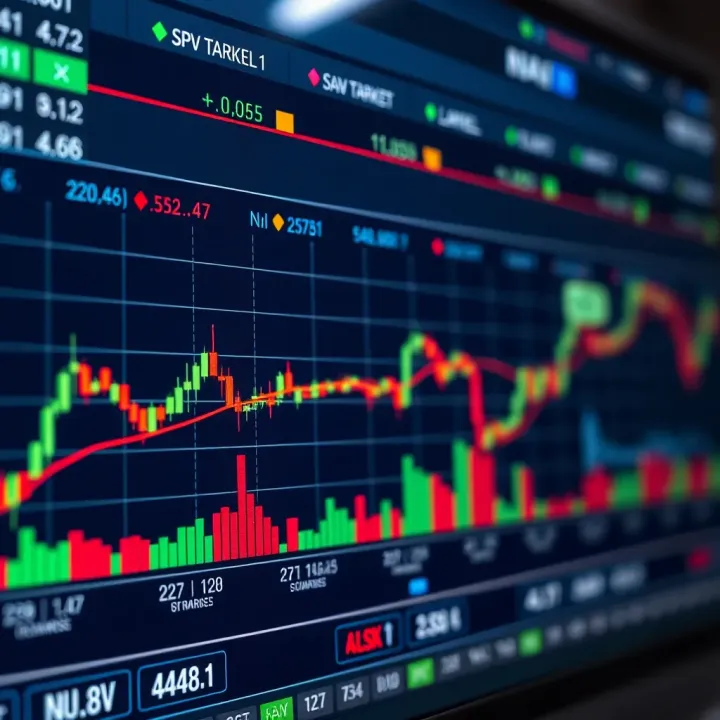
📊 Learn forex trading basics in Kenya: understand the forex market, key terms, how to start trading, and practical risk management tips for beginners. 💹

📈 Learn how to trade forex online in Kenya with practical tips, local payment options like M-Pesa, market hours, risk management, and choosing the best platform.

📈 Discover the best times for forex trading in Kenya! Learn market sessions, peak hours, key economic events, and effective strategies to boost your trades.
Based on 5 reviews