
Deriv Forex Trading Guide for Kenyan Traders
Explore Deriv Forex trading in Kenya 🇰🇪 with this detailed guide. Learn key features, smart strategies, risk tips, and regulatory insights for local traders 📊💡
Edited By
Isabella Reed
Foreign exchange trading, or forex, is the act of buying and selling currencies in the global market. For Kenyan beginners, understanding forex is more than just knowing exchange rates; it’s about grasping how currency values fluctuate based on economic events, political stability, and market sentiment.
Unlike stocks, forex trading operates 24 hours a day, five days a week, thanks to its global nature. This means you can trade from Nairobi at any convenient time, taking advantage of market movements in Europe, America, or Asia.
Forex trading is essentially a bet on whether one currency will strengthen or weaken against another. For example, if you believe the US dollar (USD) will rise against the Kenyan shilling (KES), you might buy the USD/KES pair.
To start, here are the essentials you need to know:
Currency pairs: Forex products are traded in pairs like EUR/USD or USD/KES, representing how much of the second currency you need to buy one unit of the first.
Pips: The smallest price movement in a currency pair, usually the fourth decimal point, helps track gains or losses.
Leverage: Borrowed funds your broker offers to increase your trading power. While it magnifies profits, it can also amplify losses.
Spreads and fees: Brokers charge the difference between buying and selling prices (spread), so understanding costs is key.
Setting up a trading account in Kenya often involves choosing a regulated broker that supports local deposits via M-Pesa or bank transfers. Practising first on a demo account to familiarise yourself with charts, orders, and platforms like MetaTrader 4 or 5 is highly recommended.
Risk management is vital. Start with small amounts, use stop-loss orders to limit potential losses, and avoid chasing quick huge profits — the forex market can be unforgiving.
With these basics, you’ll be better prepared to explore forex trading. The market offers exciting opportunities, but knowledge and discipline are what separate successful traders from those who lose money.
Understanding forex and its market structure is the foundation for anyone serious about trading currencies, especially in Kenya where the market is relatively new but growing fast. Knowing how the forex market operates gives you an edge in timing your trades, managing risks, and recognising opportunities that fit your financial goals. It also helps in picking the right broker and tools suited for the local trading environment.
Forex trading means buying one currency while selling another at the same time. This exchange happens through currency pairs, such as the US dollar against the Kenyan shilling (USD/KES). Every trade reflects the relative value between two currencies: if you expect the US dollar to strengthen against the shilling, you'd buy USD/KES, aiming to sell later at a higher price to earn profit.
Unlike stocks or bonds traded on specific exchanges, forex trading mostly occurs over-the-counter between participants directly or via electronic platforms. The forex market is the largest global financial market with daily volumes exceeding US$6 trillion. The high liquidity ensures you can enter and exit trades quickly without affecting prices too much, unlike some smaller markets.
The forex market is driven by several key players. Commercial banks are the biggest traders, providing liquidity and acting as market makers. Central banks, such as the Central Bank of Kenya (CBK), influence market trends through monetary policy decisions and currency interventions. Other participants include hedge funds, multinational corporations managing currency risk, retail traders, and brokers.
Trading operates across different time zones, running 24 hours a day from Sunday evening to Friday night (East Africa Time), overlapping key financial centres like London, New York, Tokyo, and Sydney. The market sees the highest liquidity during the London and New York sessions, which is when most major currency pairs, including USD/KES, experience tighter spreads and better trade executions.
Understanding these basics sets you on solid ground to explore trading strategies and tools tailored for Kenya’s forex trading scene.
Understanding the core concepts and terms in forex trading is essential if you want to navigate the market confidently. Knowing what terms like pips, lots, leverage, bid, and ask mean helps you assess risks, understand prices, and communicate effectively with brokers. It also prevents costly mistakes, especially when placing orders or managing trades.
A pip measures the smallest price change in a currency pair and serves as the unit of profit or loss. For most pairs, one pip equals 0.0001 (or 1/10000); for instance, if the USD/KES exchange rate moves from 110.2500 to 110.2550, that’s a 0.5 pip shift. Lots represent the size of a trade. A standard lot is 100,000 units of the base currency, but beginners often trade mini (10,000 units) or micro (1,000 units) lots to reduce risk.
Leverage allows you to control a larger position with a smaller amount of your own money. For example, with a 1:100 leverage, a KSh 10,000 deposit could control KSh 1,000,000 in the market. While this boosts potential profits, it also increases risk — losses multiply just as fast. Kenyan forex traders should treat leverage carefully and understand the terms set by their broker.
Every currency pair has a bid price (the price buyers offer) and an ask price (the price sellers demand). The difference between them, called the spread, represents the broker’s profit margin and trading cost. For example, if the EUR/USD pair shows a bid of 1.1850 and an ask of 1.1852, the spread is 2 pips.
Knowing the bid and ask is important because you buy at the ask price and sell at the bid price. If you entered a trade and wanted to close it right away, the spread means you'd get slightly less than the opening price. That’s why tight spreads matter — they lower your costs, particularly if you trade often or use strategies like scalping.
Currency pairs are notated as BASE/QUOTE; the first currency is the base, the second is the quote. The price tells you how much of the quote currency you need to buy one unit of the base currency. For example, if USD/KES is at 110, it means 110 Kenyan shillings buy 1 US dollar.
This notation helps traders understand the relationship between the two currencies and decide whether they expect the base to strengthen or weaken against the quote currency. Understanding this is vital for placing correct orders and anticipating movements.
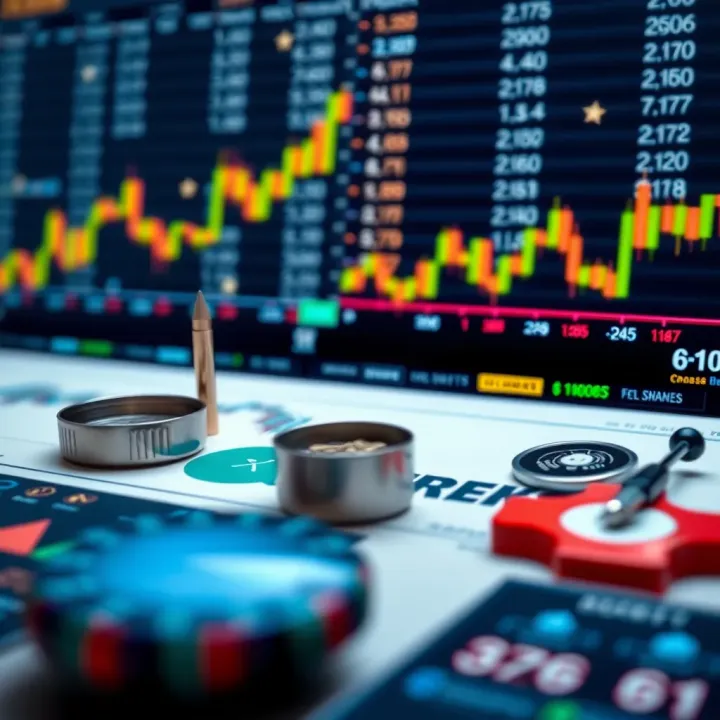
Forex charts track price movements over time and help traders spot trends. The most common types are line charts, bar charts, and candlestick charts. Candlestick charts are popular because they show the open, high, low, and close prices for each period, giving a clear picture of market behaviour.
Trends indicate the general direction of a currency’s price — upward, downward, or sideways. Spotting a trend helps you decide when to enter or exit trades. For instance, if USD/KES has been trending upwards steadily for several days, a trader might look for buying opportunities.
Grasping these concepts early on builds a strong foundation for your forex trading journey and avoids confusion when you start placing real trades.
Starting your forex trading journey in Kenya requires making informed choices from the get-go. Forex trading offers opportunities, but without the right setup, beginners may face unnecessary challenges. This section focuses on selecting a trustworthy broker and properly setting up a trading account — two fundamental steps that affect your experience and success in this market.
Choosing a forex broker regulated by recognised authorities provides a layer of safety for your investments. In Kenya, while the Capital Markets Authority (CMA) supervises some trading activities, most local traders use international brokers regulated by bodies like the Financial Conduct Authority (FCA) or Cyprus Securities and Exchange Commission (CySEC). A regulated broker follows rules to protect your funds and ensures transparent trading conditions. For example, they must keep client funds in segregated accounts, separate from their own operational money.
Trading with an unregulated or poorly regulated broker increases risks such as unfair pricing, withdrawal issues, or fraud. Before signing up, check the broker’s regulatory status, licences, and any public complaints. Forums and review sites can offer useful insights from other Kenyan traders’ experiences.
Apart from regulation, technical features and customer support are crucial. Look for a broker that offers low spreads and reasonable commissions, as these affect your profitability. Platforms that support popular trading software like MetaTrader 4 or 5 are preferred because they provide versatile tools and charting capabilities.
Other important features include fast execution speeds, flexible leverage options (but use leverage cautiously), and availability of multiple currency pairs, especially major pairs like USD/KES or EUR/USD. For Kenyan traders, deposit and withdrawal convenience matter a lot — brokers who integrate with M-Pesa or Kenyan bank transfers make funding and cashing out easier.
Most brokers offer several account types to cater to different traders. Common options include standard accounts, mini or micro accounts, and sometimes demo accounts for practice. For beginners in Kenya, micro accounts are particularly useful because they allow trading small lot sizes and reduce risk exposure.
Some brokers provide Islamic or swap-free accounts to comply with Shariah law, which can be relevant for Muslim traders. Also, account types may differ in terms of leverage, minimum deposits, and available tools, so choose one that fits your starting capital and risk appetite.
Before trading with real money, you must verify your identity, usually by submitting a copy of your national ID or passport, proof of residence like a utility bill, and sometimes a selfie for facial recognition. This step aligns with anti-money laundering (AML) regulations and protects both you and the broker.
Funding your account should suit Kenyan payment habits. Good brokers accept M-Pesa, bank deposits, or mobile money services, offering quick and low-cost transactions. Some might also allow card payments or international wire transfers, though these take longer and may incur fees. Always check the minimum deposit requirements and any charges involved.
Remember, a reliable broker and a well-chosen account setup can smooth out many difficulties, giving you a solid start in the forex market. Taking time here pays off in safer and more efficient trading.
Making these early choices carefully improves your chances of growing steadily while navigating the forex market’s ups and downs.
Having a grasp of effective trading strategies and the right tools is fundamental for anyone wanting to navigate the forex market successfully. Kenyan beginners especially need to understand these basics to make informed decisions and manage their trades efficiently. Proper knowledge here can reduce common pitfalls like overtrading or falling prey to rushing emotions.
Scalping, day trading, and swing trading are three common styles, each suited to different personalities and time commitments. Scalping focuses on making quick trades that last seconds or minutes, aiming for small profits from minimal price changes. This requires intense focus and fast order execution, so it’s usually for traders with access to reliable internet and real-time data. By contrast, day trading involves opening and closing positions within the same day to avoid overnight risks. Swing trading allows trades to last from several days to weeks, taking advantage of broader market moves. For instance, a swing trader in Nairobi might hold a KSh/EUR position over a few days while watching economic news closely.
Fundamental vs technical analysis basics cover two main ways traders try to predict currency movements. Fundamental analysis looks at economic indicators like Kenya’s inflation rate or US treasury announcements to assess currency strength. Technical analysis, on the other hand, uses price charts and indicators like moving averages or Relative Strength Index (RSI) to predict future movements based on past patterns. Kenyan traders often combine both, using technical tools to time entries after checking fundamental news, such as Central Bank of Kenya rate decisions.
Popular platforms like MetaTrader 4 and 5 are widely used in Kenya because they offer a user-friendly interface and comprehensive tools suitable for beginners and experienced traders alike. They allow access to live price quotes, charting features, and the ability to place various order types. Brokers like HotForex and FXPesa also support MetaTrader, making account integration smoother.
Modern platforms provide tools for analysis and order execution that are critical in fast-moving forex markets. Traders can set stop-loss orders to limit losses automatically or use take-profit orders to lock in gains without constantly monitoring the screen. Technical indicators and chart drawing tools help spot trends and potential reversal points. For example, drawing support and resistance levels on the MetaTrader chart can help decide where to enter or exit a trade, especially when trading the KSh against major currencies like USD or EUR.
Using appropriate strategies along with reliable platforms gives you an edge and helps you trade with discipline rather than guesswork.
Ultimately, pairing sound trading approaches with solid software tools sets the foundation for a sustainable forex trading practice in Kenya. It lets you keep up with market pace, control risks, and improve your chances of success.
Managing risks and staying disciplined are vital parts of successful forex trading in Kenya. Without careful risk management, even the best trading strategies can lead to significant losses. Discipline helps traders stick to their plan, avoid impulsive moves and control emotions that might cloud judgement. These two elements together protect your capital and help maintain consistency over time.
The forex market is known for its high volatility—currency prices can swing sharply within minutes. This happens due to various factors like economic data releases, geopolitical events, or changes in central bank policies. For example, when the US Federal Reserve announces an interest rate decision, the Kenyan shilling (KES) against the dollar might fluctuate violently within a short span. Such volatility means profits can be big, but so can losses.
Volatility affects liquidity and the speed at which trades are executed. Traders need to be prepared for sudden price jumps that could trigger stop-loss orders or even lead to slippage, where the trade closes at a less favourable price than expected. Understanding these dynamics keeps traders alert and ready to adjust positions instead of being caught off guard.
Leverage allows a trader to control a large position with a smaller amount of capital, amplifying potential profits but also increasing possible losses. Kenyan brokers often offer leverage ratios like 1:100 or 1:200, meaning you can trade with 100 or 200 times your deposited amount. While this might seem attractive, it can erase your entire account quickly if the market moves against you.
For instance, if you trade KSh 100,000 worth of USD/KES with 1:100 leverage, a 1% adverse movement can wipe out your entire deposit. Many new traders underestimate this and take huge risks. The best approach is to use leverage sparingly, only with clear strategies and proper risk controls.
Stop-loss orders cap your losses by automatically closing a trade when the price hits a set level. Using stop-loss is like setting a safety net—say you buy EUR/USD at 1.0800 and set a stop-loss at 1.0750; if the price drops to that point, your position closes, limiting losses to 50 pips.
Position sizing is about choosing how big your trade should be relative to your total capital. For example, risking 2% of your KSh 50,000 trading account on one trade means you won't lose more than KSh 1,000 if the trade fails. Combining position sizing with stop-loss orders helps preserve capital and avoid situations where one bad trade drains your whole account.
Trading can be stressful, especially with real money at stake. It's common for beginners to panic, revenge trade after a loss, or hold losing positions hoping for a turnaround. Such emotional decisions increase risk unnecessarily.
A disciplined trader sticks to their plan and remains calm despite market noise. Keeping a trading journal to record reasons for each trade and reviewing performance helps identify emotional patterns. Techniques like taking breaks, limiting trading hours, and practising consistently on demo accounts also build mental resilience. Ultimately, mastering your emotions in trading is as important as understanding the technical side.
Managing risk and maintaining discipline are not just tips—they are survival skills in forex trading. Without them, you risk losing your hard-earned capital and missing out on long-term success.
By understanding and applying these risk management strategies, Kenyan traders can navigate forex markets more safely and build confidence over time.
Access to the right resources and understanding the next steps is vital for a Kenyan looking to succeed in forex trading. This section guides you through practical tools, local community support, legal frameworks, and tax obligations that shape your trading experience. By focusing on these areas, traders can build a solid foundation and avoid common pitfalls.
Demo accounts and online tutorials offer beginners a risk-free environment to test strategies and get familiar with trading platforms like MetaTrader. Many brokers provide demo accounts loaded with virtual funds, allowing you to simulate real market conditions without risking shillings. This is especially helpful for new traders to understand price movements and order types before committing real money.
Several Kenyan-focused online tutorials and webinars are also available, often addressing common challenges faced by local traders. These resources typically cover topics such as reading forex charts, managing leverage, and the basics of technical analysis. Using them helps sharpen your skills steadily while minimizing costly mistakes.
Kenyan forex trading communities play an important role in providing peer support and shared insights. Platforms like WhatsApp groups, Telegram channels, and Facebook forums connect traders who exchange tips, news updates, and strategies tailored to the Kenyan market.
Being part of such communities keeps you informed about broker promotions, regulatory changes, and new trading tools. Moreover, hearing others’ experiences, especially regarding how they handle local challenges like KSh deposits or withdrawals using M-Pesa, gives you practical knowledge beyond textbook learning.
The regulatory environment in Kenya is overseen mainly by the Capital Markets Authority (CMA), which licenses and monitors forex brokers offering services locally. It’s crucial to trade with brokers authorised by the CMA to avoid scams and ensure your funds are safeguarded. Additionally, other laws like the Proceeds of Crime and Anti-Money Laundering Act apply, meaning brokers must perform proper KYC (Know Your Customer) checks.
Understanding this legal framework protects you from illegal brokers and ensures you comply with Kenyan financial laws. Always verify a broker’s CMA licence on the official CMA website or through trusted financial news outlets.
Regarding tax obligations on trading profits, the Kenya Revenue Authority (KRA) considers forex trading income as taxable. Whether you trade as a casual investor or run a business out of it, profits are subject to income tax. You should declare these earnings during your annual tax returns and keep thorough records of all transactions.
Tax rates will depend on your overall income bracket. For those who treat trading as a business, documenting expenses such as internet costs or platform subscriptions can reduce taxable income. Failure to report forex gains may lead to penalties, so it’s wise to consult tax experts familiar with investment income from forex in Kenya.
Starting forex trading without understanding resources and compliance requirements is like driving blindfolded. Equip yourself with the right tools and legal knowledge to trade confidently.
By leveraging demo accounts, joining local trading communities, and respecting regulatory and tax rules, Kenyan traders create a smarter, safer path to forex success.
Explore Deriv Forex trading in Kenya 🇰🇪 with this detailed guide. Learn key features, smart strategies, risk tips, and regulatory insights for local traders 📊💡
🤖 Explore how forex trading bots work, their benefits, risks, and setup tips tailored for Kenya's market. Boost your automated trading strategy today! 📈
📈 Discover the Asian forex trading hours in Kenya 🇰🇪, learn key market players, timing, and smart tips to trade forex wisely during this session.
Master the Deriv Pip Calculator to calculate forex pip values with ease. Perfect for Kenyan traders seeking precise currency trading insights 📉💹.
Based on 12 reviews