
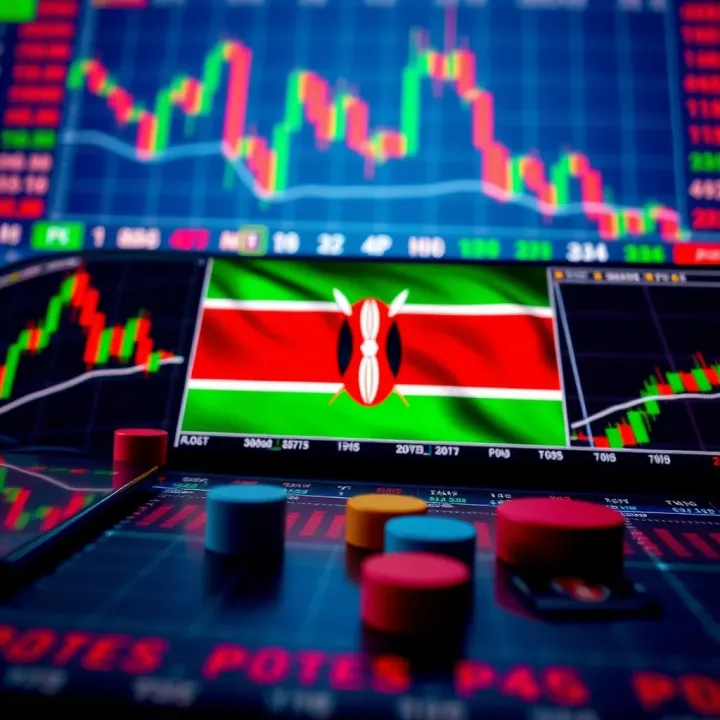
Practical Forex Trading Guide Using PDFs in Kenya
📘 Learn forex trading basics and smart strategies tailored for Kenya. Use PDF guides to master local regulations and trade confidently with practical tips.
Edited By
Liam Thompson
Forex trading, or foreign exchange trading, involves buying and selling currencies to make a profit from their changing values. For Kenyan traders, understanding how forex works is key to navigating this fast-moving market safely and effectively.
At its core, forex trading operates on currency pairs—for example, the US dollar against the Kenyan shilling (USD/KES). When you trade forex, you’re betting on whether one currency will strengthen or weaken relative to another. If you anticipate that the US dollar will rise against the shilling, you buy USD/KES. If it falls, you sell.

Forex markets run 24 hours a day, five days a week, allowing traders in Nairobi to join sessions from Asia, Europe, and the US without waiting.
Kenyan traders often use leverage, which lets you control larger amounts with a smaller initial deposit. While leverage can amplify gains, it also increases risk — many new traders slip up by over-leveraging and losing more than expected. Managing risk through stop-loss orders and sensible position sizing is crucial.
Mobile technology has really opened doors for Kenyan forex enthusiasts. Many brokers offer platforms compatible with smartphones, allowing you to trade anytime and monitor markets on the go. This convenience comes with the need to stay disciplined, as it’s easy to react impulsively to market swings.
On the regulatory side, the Capital Markets Authority (CMA) of Kenya oversees licensed forex brokers. Dealing only with CMA-regulated brokers protects you against scams and ensures compliance with Kenyan law. Before you start, confirm the broker’s licence status on the CMA website and read reviews.
Here’s a quick summary of key practical points:
Know your currency pairs: Start with common pairs like USD/KES, EUR/USD before exploring exotic ones.
Understand leverage: Use smaller leverage until comfortable.
Choose regulated brokers: Stick with CMA-approved platforms.
Use stop-losses: Protect your capital from unexpected moves.
Start small: Testing strategies with low amounts reduces risk.
With the right knowledge and tools, forex trading can offer Kenyan investors an additional way to diversify portfolios and tap into the global financial flow. Yet, like all investing, it demands caution and ongoing learning to avoid pitfalls and protect your funds.
Understanding forex trading is essential for anyone interested in currency markets, especially in Kenya where global and local factors influence the shilling's value. Forex trading involves buying one currency while simultaneously selling another. This exchange happens in pairs because currencies are always priced against each other. For a Kenyan trader, knowing how this works offers a chance to profit from fluctuations while also managing risks linked to global economics and politics.
Currency pairs consist of a base currency and a quote currency. For example, in the USD/KES pair, the US dollar (USD) is the base currency, and the Kenyan shilling (KES) is the quote currency. The price shows how much KES you need to buy one USD. This matters practically because when traders predict that the US dollar will strengthen against the shilling, they might buy USD/KES expecting to sell it later at a better rate.
Geographically, Kenyan traders mainly watch pairs involving the shilling but also major pairs like EUR/USD or GBP/USD since these affect imports, exports, and travel costs.
Exchange rates shift due to supply and demand driven by economic data, central bank decisions, geopolitical events, and market sentiment. For example, if the Central Bank of Kenya raises interest rates, the KES might strengthen as investors seek higher returns on shilling-denominated assets. Similarly, changes in US Federal Reserve policies can ripple across to USD/KES rates.
Practical trading success relies on spotting these movements. For instance, during the 2023 elections in Kenya, uncertainty surrounding political outcomes caused volatility, offering both challenges and opportunities for forex traders.
The bid price is what buyers offer for a currency pair, while the ask price is what sellers want. The difference between these two is called the spread. In real trading, the spread represents a cost to the trader.
For Kenyan traders using brokers, understanding spreads is crucial because tight spreads mean lower costs and better profit potential, especially when trading frequently or in small amounts.
Major pairs include currencies with high liquidity such as USD/EUR, USD/JPY, and USD/GBP. For Kenyans, USD/KES is a vital pair since it directly affects the economy, imports, and remittances. Other crosses like EUR/USD or GBP/USD also matter due to trade ties and travel between Kenya and these regions.
Focusing on major pairs usually means less volatile trading and smaller spreads, suitable for newer traders to manage risk more effectively.
The forex market consists of big banks, brokers, hedge funds, corporations, and individual traders. Banks and financial institutions provide liquidity and influence large movements. Brokers act as intermediaries, enabling Kenyans to access the market.
Individual traders in Kenya are becoming more active, often trading through platforms like MetaTrader provided by local and international brokers. Knowing who moves the market helps traders understand price moves and when to expect volatility.
Forex is unique because it operates 24 hours a day, five days a week, opening Sunday evening until Friday evening Nairobi time. This continuous operation covers four main trading sessions: Sydney, Tokyo, London, and New York.
For Kenyan traders, this setup means they can trade outside regular working hours and respond to news worldwide. For instance, a late-night US Federal Reserve announcement can move markets before Nairobi wakes up, so staying informed is vital.
The 24-hour nature of forex allows Kenyan traders to engage flexibly, but timing your trades to session overlaps often offers better liquidity and tighter spreads.
Understanding these basics prepares Kenyan traders to approach forex trading with clarity and confidence, turning market movements into practical trading opportunities.
Understanding what moves the forex market is key to becoming a successful trader. Currency prices don’t fluctuate randomly; they respond to a variety of economic and political events. For Kenyan traders, staying informed about these factors helps anticipate market shifts and make smarter trading decisions.

Interest rates set by central banks, such as the Central Bank of Kenya (CBK), play a major role in forex market movements. When a central bank raises interest rates, it tends to attract more foreign investment because investors get better returns on their money. This demand strengthens the nation’s currency, like the Kenyan shilling. Conversely, cutting rates can weaken the currency by making it less attractive. For example, when CBK adjusts rates during inflationary periods or economic slowdowns, traders watch closely as these moves influence the shilling’s value against major currencies like the US dollar.
Inflation rates and employment statistics provide a snapshot of economic health. High inflation typically reduces a currency’s buying power, leading to depreciation if wages don’t keep up. For example, Kenya’s inflation surge in recent years prompted concerns among forex traders about the shilling's stability. Similarly, employment data signals economic strength—rising job numbers often mean a robust economy, encouraging currency demand. If unemployment rises, it may signal economic trouble, prompting traders to sell that currency.
GDP measures the total value of goods and services produced in a country over a period and is a fundamental indicator of economic performance. A strong GDP growth figure often boosts confidence in a country’s currency. For instance, positive GDP growth reports from Kenya suggest expanding economic activity, which can lead to increased foreign investment and a stronger shilling. Traders use GDP trends to predict future currency strength or weakness.
Political events have an immediate and sometimes dramatic effect on forex markets. Stable governments tend to inspire confidence, supporting their currency’s strength. On the other hand, election periods or political unrest can cause uncertainty and currency volatility. Kenyan traders remember how past elections led to sharp swings in the shilling’s value as investors weighed risks associated with possible policy changes or unrest.
A country’s trade relations affect its currency's performance. Positive trade agreements boost exports and currency inflows, strengthening the currency. For example, Kenya’s participation in the East African Community (EAC) and ongoing trade talks with partners can impact the shilling’s value. Conversely, trade disputes or tariffs can reduce trader confidence and cause currency depreciation.
Sudden events like natural disasters, pandemics, or global financial shocks often unsettle forex markets. The COVID-19 pandemic in 2020 caused rapid currency fluctuations worldwide. Kenyan traders saw the shilling weaken due to reduced tourism and exports. Such shocks increase risk aversion among investors, leading to capital flight from riskier currencies to safer ones like the US dollar.
Keeping an eye on these economic indicators and geopolitical events helps Kenyan traders anticipate currency moves, manage risks better, and seize trading opportunities effectively.
In summary, forex movements react strongly to real-world developments. By understanding how interest rates, inflation, GDP, political stability, trade relations, and unexpected shocks influence currencies, traders can make informed decisions and avoid surprises in the highly dynamic forex market.
Starting forex trading in Kenya requires understanding several key steps that shape your ability to trade effectively and safely. From choosing a reliable broker to setting up your trading account, these practical considerations ensure you avoid common pitfalls and make informed decisions from the outset. For example, selecting a broker regulated by the Capital Markets Authority (CMA) not only provides legal protection but also builds trust in handling your funds.
The Capital Markets Authority (CMA) plays a crucial role in regulating forex brokers operating in Kenya. Brokers licensed by CMA must meet strict standards related to client fund security, transparency, and fair trading practices. Trading through a CMA-regulated broker protects you against fraud and malpractice—something especially important given the number of unregulated platforms targeting Kenyans. For instance, CMA regulations require brokers to keep client funds in segregated accounts, meaning the company cannot use your money for its own purposes.
When you pick a forex broker, it pays to look at spreads, which are essentially the difference between buying and selling prices. Tight spreads reduce your trading costs, giving you a better chance at profit. Also, be cautious with leverage—the ability to control large amounts of money with a small deposit. While high leverage can boost gains, it can wipe you out just as fast if the trade goes against you. Finally, the usability of the trading platform matters. A clean, intuitive interface like MetaTrader 4 or 5 makes executing trades and accessing charts easier, especially for new traders.
Choosing between a local or international broker depends on your priorities. Local brokers offer the convenience of deposits and withdrawals via M-Pesa and customer support tailored to Kenyan traders. However, international brokers often provide more diverse trading instruments and advanced platforms. Remember to check if international brokers accept Kenyan clients and comply with local regulations to avoid future headaches.
Opening a forex account involves submitting identification documents, proof of address, and sometimes source of income details to comply with Know Your Customer (KYC) regulations. This prevents illegal activities like money laundering. For Kenyan traders, common documents include a national ID or passport and a recent utility bill. Having these ready speeds up account verification.
Funding your forex account has been made easier thanks to M-Pesa. Most brokers licensed by CMA accept M-Pesa payments, allowing instant and secure deposits. Bank transfers are also common but might take longer. Choosing a payment method that suits your daily routine prevents delays when you want to take advantage of market opportunities.
Before risking real money, using demo accounts lets you practice trading in a risk-free environment. Demo accounts simulate real market conditions with virtual funds. For example, you can test different strategies or get familiar with the trading platform without worry. This step is highly recommended for all new traders, as it builds confidence and understanding before moving to live trading.
Getting started the right way can save you from costly mistakes and set you up for better success in forex trading. Choosing a regulated broker, preparing your documents, and practising on a demo account are simple steps that make a big difference.
Managing risks in forex trading is not just a safety net—it’s a necessity to protect your capital and maintain steady growth. Kenyan traders often dive into forex eager to make quick gains, but without proper risk management, large losses can wipe out even the most promising accounts. Equally important is employing strategies that help maximise profits, as this balance between risk and reward determines your long-term success.
Setting stop-loss orders helps cap potential losses by automatically closing your position at a predetermined price level. For example, if you buy the USD/KES pair at KS10 and place a stop-loss at KS08, you limit your loss to 2 shillings per unit if the price falls. Take-profit orders, on the other hand, lock in gains by closing trades once a target price is reached. These orders prevent the common mistake of holding onto winning trades too long only to see profits reverse. Together, stop-loss and take-profit orders give you control over trade outcomes without needing to watch the market every minute.
Leverage amplifies both profits and losses; it's like using borrowed money to increase your exposure. While brokers in Kenya might offer leverage ratios up to 1:500, this can quickly drain your account if a trade goes wrong. For example, with KS0,000 and 1:100 leverage, a 1% adverse price move can wipe out your entire capital. It’s wiser to use moderate leverage—say 1:10 or 1:20—especially when starting out. This approach provides some breathing room and reduces the risk of margin calls, where your broker forces you to close positions to prevent negative balances.
Putting all your funds into a single currency pair is risky because unforeseen events may sharply move that pair against you. Diversification across several pairs or even different asset classes can smooth out volatility. For example, balancing trades between USD/KES, EUR/USD, and GBP/USD may reduce your exposure to shocks affecting just one currency or region. Kenyan traders should also consider mixing short-term and longer-term positions to avoid being fully exposed to one market phase or trend.
Technical analysis involves studying price charts and indicators to forecast future movements. Common tools include moving averages, support and resistance levels, and candlestick patterns. For instance, if the USD/KES rate breaks above a resistance level, this may signal a buying opportunity. Kenyan traders benefit by learning to read charts since market trends often repeat due to human psychology and trading behaviours. Mastery of technical analysis helps you enter and exit trades more precisely.
Fundamental analysis looks at economic and political factors influencing currency values. For example, if the Central Bank of Kenya raises interest rates, the Kenyan shilling usually strengthens as investors seek higher returns. Keeping an eye on reports like inflation, GDP growth, and global commodity prices helps predict shifts in forex markets. Combining fundamental data with technical signals provides a more rounded trading decision.
No amount of analysis or tools will protect you if you lack discipline. Sticking to your trading plan, using stop-losses, and avoiding impulsive trades during volatile times are key habits. Patience is equally valuable—waiting for the right setups instead of chasing quick profits saves you from unnecessary losses. Many Kenyan traders fall into the trap of overtrading, hoping to recover past losses, but maintaining calm and following rules builds steadier returns over time.
Successful forex trading depends as much on managing risks wisely as on spotting good opportunities. The goal is to protect your capital while capturing reasonable profits, not to gamble on big wins.
By applying these risk management techniques and strategic approaches, Kenyan traders can improve their chances of sustained success in forex trading.
Technology shapes how Kenyan traders interact with the forex market. Having the right trading tools can significantly improve decision-making and execution speed, giving traders an edge. Whether you prefer desktop platforms or mobile apps, technology offers practical benefits such as real-time data, access to analytical resources, and the ability to trade anytime from anywhere.
MetaTrader 4 (MT4) and MetaTrader 5 (MT5) remain the most widely used forex trading platforms among Kenyan traders. MT4 provides a reliable, straightforward interface that supports automated trading through expert advisors (EAs), custom indicators, and advanced charting. MT5 builds on this with more timeframes, additional order types, and economic calendar integration. This makes MT5 suited for traders who want a bit more depth in fundamental and technical analysis.
Both platforms are favoured because many local brokers support them, and they run smoothly even on moderately powered computers or mobiles. For example, a small trader in Kisumu can comfortably use MT4 on a laptop or smartphone to trade major pairs like USD/KES and EUR/USD without noticeable lag.
Mobile trading apps have transformed forex trading in Kenya, especially given the widespread use of mobile money and smartphones. Apps allow traders to check their positions, execute trades, or close orders on the go. This flexibility is crucial for Kenyan traders who may be juggling multiple responsibilities or commuting daily via matatus.
Safaricom's M-Pesa integration with various forex brokers, often accessible through mobile apps, simplifies funding and withdrawals. Traders can start and manage accounts directly from their phones without visiting banks or broker offices. Additionally, push notifications on price alerts help traders react swiftly to market movements even when away from their desks.
Web-based forex platforms offer the convenience of accessing trading accounts from any device with internet access and a browser. They eliminate the need to download software or worry about compatibility issues. For traders in Nairobi or Mombasa working from internet cafés or shared offices, this ease of access is valuable.
Platforms like TradingView or broker-hosted web terminals provide interactive charts and order execution tools right in the browser. While web platforms might lag slightly compared to installed software, their ease of use and zero installation make them practical for beginners or those testing out strategies.
Charting tools are essential for technical analysis, letting traders spot patterns, trends, and support or resistance levels. Kenyan traders often rely on software integrated within platforms such as MT4, which offers candlestick, bar, and line charts along with various indicators like RSI, MACD, and moving averages.
Proper use of charting software can reveal entry and exit points, helping traders manage risk efficiently. For example, a forex trader in Nakuru might use a 4-hour chart with Bollinger Bands to identify when the USD/JPY pair is overbought or oversold, signalling a possible reversal.
Staying updated on market news and economic events is vital for understanding what moves currency prices. Local traders frequently track announcements such as Central Bank of Kenya (CBK) rate decisions or US Federal Reserve interest rate changes.
Economic calendars list scheduled releases like inflation reports, employment data, and GDP figures. Having real-time access to this information via platforms or apps helps traders prepare for volatility. For instance, learning about a pending GDP report from South Africa might influence a Kenyan trader's position on the ZAR/KES pair.
Automated trading involves software that executes trades based on predefined rules without human intervention. Expert advisors (EAs) on MT4 or MT5 are popular examples among Kenyan traders seeking to reduce emotional decision-making.
These tools can monitor multiple pairs and timeframes simultaneously, executing orders faster than manual trading. However, traders must test EAs thoroughly on demo accounts before deploying them live, as poor optimisation can lead to losses. Automated strategies also free up time, allowing traders to focus on refining their broader trading plan.
Using the right technology and tools not only boosts efficiency but also helps you navigate Kenya’s forex market confidently, balancing speed with informed decision-making.
📘 Learn forex trading basics and smart strategies tailored for Kenya. Use PDF guides to master local regulations and trade confidently with practical tips.
📈 Learn how to start forex trading in Kenya with practical tips on the market, keys to currency pricing, popular platforms, managing risks, and local legal guidelines.
📈 Learn how to start forex trading in Kenya with practical tips on choosing platforms, understanding basics, managing risk, and using M-Pesa safely for your trades.
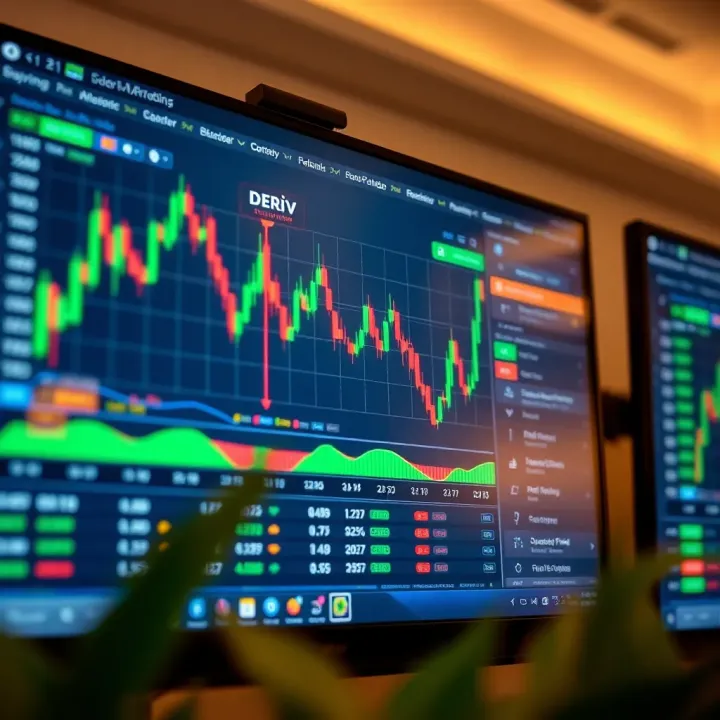
Explore Deriv Forex trading in Kenya 🇰🇪 with this detailed guide. Learn key features, smart strategies, risk tips, and regulatory insights for local traders 📊💡
Based on 11 reviews