
Forex Trading in Kenya: A Practical Guide
📈 Learn how to start forex trading in Kenya with practical tips on the market, keys to currency pricing, popular platforms, managing risks, and local legal guidelines.
Edited By
James Whitaker
Forex trading has become a popular avenue for Kenyans looking to diversify their income beyond traditional jobs and business ventures. With the rise of mobile internet and digital payment methods like M-Pesa, more people can now access global currency markets right from Nairobi, Mombasa, or Kisumu. However, forex trading remains complex and risky without the right knowledge.
PDF resources offer a practical way to learn forex trading at your own pace. Many Kenyan traders find these materials convenient because they can be downloaded, studied offline, and referred back to without any internet issues. This flexibility fits well with busy schedules and varying internet connectivity across counties.
Using a PDF guide specifically tailored to the Kenyan context helps you understand how local regulations impact trading. For example, the Capital Markets Authority (CMA) in Kenya regulates forex activities to protect traders from scams and unauthorised brokers. Getting familiar with these rules through trustworthy PDF documents ensures that you trade safely within the legal framework.
Learning forex trading is not about quick wins; it requires consistent study and practice, especially understanding market basics, such as currency pairs, leverage, and risk management.
Popular PDF guides for Kenyan traders include step-by-step introductions to forex terminology, detailed explanations of trading platforms available in Kenya, and examples of strategies like scalping or swing trading that suit local market conditions. These PDFs often include screenshots and local case studies, making the concepts easy to grasp.
Offline access: Download once and study anywhere without worrying about unstable networks.
Focused content: Kenyan forex PDFs often cover CMA guidelines, tax implications on forex gains, and how to use M-Pesa and local banks for deposits and withdrawals.
Structured learning: Most PDFs are organised into chapters or modules, helping you progress logically from beginner to advanced topics.
Choose PDFs from reliable sources such as Kenyan financial websites, brokers licensed by the CMA, or training centres recognised locally.
Combine reading with practical use by opening a demo forex account to try trades based on the lessons you read.
Make notes or highlight key points within the PDFs to build a personalised cheat sheet for quick revision.
In summary, starting forex trading in Kenya with PDF resources equips you with a strong foundation. It unlocks clear insights into market mechanics and local trading rules, making your trading journey less daunting and more confident. In the next sections, we will explore the fundamental concepts and practical strategies you need to succeed.
Grasping the fundamentals of forex trading is key for anyone who wants to succeed in this market, especially when using PDF resources as learning tools. Without a clear understanding of how forex works, it is easy to get lost in jargon or make costly mistakes. Knowing the basics helps you interpret the information in trading guides effectively and apply strategies with confidence.
Forex trading involves the buying and selling of currencies on the foreign exchange market. It operates through currency pairs, such as USD/KES (US Dollar against the Kenyan Shilling), where one currency is exchanged for another. This market allows traders to speculate on changes in exchange rates to make profits or hedge against currency risk.
The forex market runs 24 hours a day across various global centres, including London, New York, and Tokyo. For Kenyan traders, this means you can take advantage of different trading sessions, such as the London session overlapping with Nairobi hours, to spot opportunities. Understanding when these markets are active helps you plan your trades to match liquidity and volatility.
Unlike other financial markets like stocks or bonds, forex is decentralised, meaning there isn’t a central exchange. It has higher liquidity and operates nearly nonstop on weekdays. This makes forex trading more accessible and flexible, but also demands vigilance since rapid price movements can occur anytime.
Pips, lots, and leverage are fundamental terms. A pip (percentage in point) is the smallest price move in a currency pair, often 0.0001. For example, if USD/KES moves from 110.1500 to 110.1600, that is one pip. Lots refer to standard trade sizes; a standard lot equals 100,000 units of the base currency. Leverage allows a trader to control a larger position with a small amount of capital. For instance, leverage of 1:100 means you can trade KSh 100,000 worth of currency by putting up just KSh 1,000.
Bid and ask prices represent the selling and buying prices quoted by brokers. The bid price is what you can sell a currency for, while the ask price is what you pay to buy it. The difference between these, known as the spread, is a key cost in trading. For example, if the USD/KES bid price is 110.10 and the ask price is 110.15, the spread is 0.05 KSh.
Spread and margin are crucial in managing trade costs and risks. The spread is the difference between bid and ask prices and is effectively the broker's fee. Margin is the amount of money required to open a leveraged position. Say you want to buy USD/KES worth KSh 100,000 with 1% margin, you need KSh 1,000 as collateral. Always monitor your margin closely to avoid margin calls or forced liquidations.
Knowing these basics helps you make smarter decisions, avoid pitfalls, and use PDF guides more effectively when starting your forex trading journey in Kenya.
Learning forex trading in Kenya can be greatly enhanced through well-prepared PDF guides. These documents provide a practical and accessible way to understand the market, especially for traders who may not always have reliable internet access. By using PDF materials, Kenyan traders can build solid foundations and refine strategies at their own pace, which is essential given the complexities of forex trading.
One of the main advantages of PDF guides is that they allow offline study. Many Kenyan traders, especially those outside Nairobi or in areas with unstable internet connections, find it convenient to download materials and learn anytime without worrying about data costs or connectivity. For example, a trader in Kisumu can review key forex concepts on their mobile device while commuting or during a lunch break.
PDF guides typically offer well-organised content, presenting forex topics in logical sequences — from basic concepts to advanced strategies. Unlike scattered online articles, PDFs help avoid information overload by focusing on clear sections. This structure aids comprehension; for instance, a beginner can start from understanding currency pairs before moving to technical analysis methods, without jumping back and forth.
Forex trading requires understanding multiple concepts, and studying from PDFs gives learners the freedom to adjust their pace. Some sections may be tricky, like margin requirements or leverage risks, and taking time to revisit these helps solidify knowledge. A busy Kenyan trader balancing work and forex learning might dedicate short daily slots to absorb chapters gradually, which improves retention over cramming.
Many regulated forex brokers in Kenya provide free PDF materials. These are reliable because they align with their trading platforms and tools. For instance, brokers like HF Markets or XM often share beginner’s guides or strategy manuals, ensuring Kenyan traders get accurate information adapted to local trading conditions, including open hours and popular currency pairs.
Platforms such as ForexTime (FXTM) or Investopedia may offer PDF downloads useful for Kenyan traders. Additionally, local forex communities on WhatsApp or Telegram groups sometimes share curated PDFs. These communities often vet the resources, making it easier to avoid scams. Being part of them also means traders can ask questions about the materials in real time.
Several reputable forex books are available in PDF format, either officially provided by authors or shared as free resources online. Traders in Kenya can benefit from classics like "Currency Trading for Dummies" or "Japanese Candlestick Charting Techniques" in PDF form. It’s vital, however, to ensure the source is trustworthy to avoid outdated or misleading content.
Discipline helps turn information into skills. Kenyan traders should set clear study times, perhaps early morning or late evening, so learning becomes routine. For example, dedicating 30 minutes after supper to review a PDF chapter can gradually build knowledge without overwhelming one’s daily schedule.
PDF readings should be paired with active engagement. Taking notes helps remember key points, while practising on demo accounts consolidates theory. Many Kenyan brokers offer demo platforms where traders can apply newly learnt strategies from PDFs without risking real money. This hands-on approach turns reading into practical experience.
Forex markets are dynamic, so it pays to compare PDF guidance with real-time data. Kenyan traders can open forex charts on MetaTrader or similar apps alongside their PDF notes to see theory in action. For example, observing how a support level identified in a PDF plays out in current trading helps deepen understanding and improves decision-making.
Using PDFs is a smart way to build forex skills in Kenya, blending flexibility with structured learning. Coupled with practice and community support, it offers a strong path to trading confidence.
Understanding core forex trading strategies is essential for anyone serious about succeeding in the Kenyan market. These strategies help traders make informed decisions based on market movements, economic clues, and risk factors. By mastering these, you reduce guesswork and increase your chances of steady gains.
Understanding economic indicators plays a major role in forex trading. Economic data like Kenya’s inflation rate, GDP growth, and employment numbers influence the Kenyan shilling’s strength against other currencies. For example, if Kenya reports higher GDP growth than expected, the shilling might strengthen due to increased investor confidence. Traders use PDF guides that detail these indicators to understand their impact on currency pairs and plan trades accordingly.
Impact of central bank decisions and news is another vital area. The Central Bank of Kenya’s (CBK) interest rate changes can shift forex trends quickly. If CBK raises rates, holding the shilling could earn better returns, making it attractive. Also, global central bank moves, like the US Federal Reserve hikes, affect USD pairs traded in Kenya. Keeping track of such announcements helps traders avoid surprises and capitalise on market shifts. Many forex PDFs include calendars and explanations for such events.
Trading during Kenyan and global market hours matters because forex markets work round the clock across regions. Kenyan traders should focus on overlapping hours when the London and New York markets are open, as these periods tend to have the highest liquidity and volatility. For example, between 4 pm and 8 pm EAT is typically active for trading USD/EUR pairs. Understanding this timing helps traders use their strategies when the market moves more, optimising potential profits.
Chart patterns and trend lines offer visual cues about market direction. A trader spotting an ascending triangle or head and shoulders pattern knows when a currency is likely to rise or fall. Trend lines drawn on price charts show whether the market is in an uptrend or downtrend. For instance, a clear uptrend in USD/KES can signal a good time to buy. Kenyan traders learn to read these from PDF materials, helping them spot entry and exit points.
Common technical indicators like the Relative Strength Index (RSI), Moving Averages (MA), and MACD simplify decision making. RSI helps identify overbought or oversold conditions, while MAs smooth out price data for clearer trends. Combining these indicators provides a more reliable forecast. These tools proof handy for Kenyans trading forex on mobile platforms that allow overlays, and PDF resources explain their calculation and usage well.
Using charts in the Kenyan trading context means adapting to local market peculiarities. For instance, Kenyan market news such as election cycles or agricultural output can cause spikes unlike usual forex rhythms. Reading charts alongside Kenyan news helps avoid false signals. Plus, many Kenyan brokers provide customised charting platforms compatible with local trading hours and currency pairs.
Setting stop-loss and take-profit orders limits losses and locks in gains without constant screen-watching. A stop-loss order might sell USD/KES if it falls 2% below the entry price, preventing bigger losses. A take-profit order automatically closes a trade when gains reach a target, protecting profits. Kenyan traders often learn these through PDF tutorials, as practising on demo accounts helps internalise these rules.
Managing leverage safely is crucial. Kenya traders get tempted by brokers offering high leverage like 1:500 but this can wipe out accounts quickly. It's wiser to use conservative leverage, say 1:10 or 1:20, especially when starting. Forex PDFs advise on how leverage multiplies both profits and losses, stressing caution.
Avoiding common trading mistakes such as chasing losses, overtrading, or ignoring risk management preserves capital over time. Many new traders dive into forex without a plan, leading to quick losses. Kenyan PDF guides emphasise discipline — sticking to a trading plan and reviewing trades regularly avoids these traps.
Smart trading is not about winning every trade, but managing risk and making consistent, informed decisions. Understanding and applying these strategies helps Kenyan traders build a solid foundation.
With the right knowledge from reliable PDFs, combined with disciplined practice, you can trade forex in Kenya with more confidence and fewer surprises.
Understanding forex trading regulations in Kenya protects you from scams and ensures you trade with credibility. These rules set the framework for how brokers operate, safeguard trader funds, and offer guidelines on taxation. Without grasping these regulations, you risk dealing with rogue brokers or facing legal tax issues.
The Capital Markets Authority (CMA) licenses all forex brokers operating in Kenya. Before a broker offers services locally, they must obtain a licence from CMA, proving they meet financial, operational, and ethical standards. This licensing helps prevent shady firms from tricking Kenyan traders.
CMA’s guidelines also protect you as a trader. For example, brokers must separate client funds from their own to avoid misappropriation. The authority demands transparent disclosures of risk, fees, and trading terms. These rules create a safer environment for local traders to engage with confidence.
To verify if a broker is licensed, visit the CMA website and check their official list of regulated entities. Brokers claiming registration but missing from this list should raise red flags. Also, look out for firms promising guaranteed profits or aggressive marketing—common signs of scams in Kenya.
Scams vary from fake brokers to Ponzi schemes. Always beware of unsolicited offers via WhatsApp or social media pushing high returns with little risk. Legitimate brokers never pressure you to deposit fast or share your account credentials.
When selecting a broker, consider features that suit Kenyan traders: support for M-Pesa deposits and withdrawals, good customer service during Nairobi business hours, and zero or low withdrawal fees. Brokers who provide demo accounts also allow you to practise without risking real money.
Any profits you make from forex trading are taxable and must be reported to the Kenya Revenue Authority (KRA). You should declare trading earnings under income from other sources if you’re an individual, or business income if you trade professionally.
Accurate record keeping is essential. Maintain a log of all trades, deposits, withdrawals, and relevant brokerage fees—not just for your own tracking but also as proof during KRA audits. Without proper documents, you might face challenges in validating your reported income.
KRA’s iTax portal simplifies filing tax returns and reporting trading income. Using iTax, you submit your returns online, upload relevant documents, and monitor your tax compliance status. If you trade forex regularly, registering as a taxpayer on iTax and filing timely returns helps avoid penalties.
Compliance with CMA regulations and KRA tax rules not only protects your investments but builds trust with brokers and authorities, giving you peace of mind to focus on trading smartly.
Success in forex trading is rarely an accident; it demands a blend of discipline, practical use of technology, and continuous learning. Kenyan traders benefit from focusing on these elements, which help manage risks and improve decisions in a market that's both exciting and volatile.
Avoiding overtrading is essential because many new traders get caught up in the thrill of the market, trying to catch every move. This behaviour often leads to unnecessary losses and emotional exhaustion. For instance, a trader chasing every spike in the USD/KES currency pair might drain their account quickly. It’s better to identify high-potential trades and wait patiently for the right setup rather than jumping into every opportunity.
Sticking to your trading plan goes hand-in-hand with discipline. A solid plan includes entry and exit points, risk limits, and strategies for different market conditions. If you decide to risk only 2% of your capital per trade, deviating from that may lead to bigger losses. Following the plan ensures you don’t make rash decisions based on emotions or fleeting market noise. Kenyan traders should consider writing down their plans and reviewing performances regularly to stay on track.
Mobile trading platforms popular in Kenya like MetaTrader 4, MetaTrader 5, and proprietary apps from brokers offer flexibility to trade anytime, anywhere. This is especially helpful for traders who rely on matatu or boda boda rides to get to work—they can still monitor positions on a mobile device. These platforms also support charting and technical analysis tools on mobile, making it easier to react quickly.
Integrating M-Pesa for deposits and withdrawals makes forex trading convenient and safer for Kenyans. Many Forex brokers accept M-Pesa, allowing quick fund transfers without visiting a bank. This integration reduces delays caused by traditional banking processes and offers a familiar, trusted payments method. You can deposit KS,000 to start trading and withdraw profits back to your phone seamlessly.
Accessing real-time news and analysis is critical since forex prices react instantly to economic announcements. Many Kenyans follow business news on platforms like CNBC Africa or Business Daily alongside global updates. Combining this with alerts from broker apps ensures you stay informed about important developments, such as CBK rate decisions or US job reports, to adjust your trading strategy accordingly.
Joining Kenyan forex forums and social groups lets you connect with experienced traders and newbies alike. Platforms like Forex Kenya Community on Facebook or local Telegram groups offer discussions on market trends, broker reviews, and trading experiences. Such interaction sharpens your understanding and keeps you updated on local trading nuances.
Attending local workshops and webinars gives hands-on learning and exposes you to practical insights from experts. Nairobi, Mombasa, and other cities often host forex seminars, sometimes in collaboration with brokers or financial institutions. These sessions help clarify complex topics like leverage and margin requirements specific to local regulations.
Updating your PDF resources regularly ensures your knowledge stays fresh. Forex trading conditions, regulations, and market dynamics evolve constantly in Kenya and worldwide. Downloading new guides or updated editions from reputable sources lets you refine your strategies and avoid outdated information that might cost you money.
Trading forex in Kenya requires more than just good instincts—it calls for careful planning, smart use of technology, and a commitment to lifelong learning. These practical tips help traders build a solid foundation and adapt as markets change.
📈 Learn how to start forex trading in Kenya with practical tips on the market, keys to currency pricing, popular platforms, managing risks, and local legal guidelines.

📈 Learn how to start forex trading in Kenya with practical tips on choosing platforms, understanding basics, managing risk, and using M-Pesa safely for your trades.
Explore Deriv Forex trading in Kenya 🇰🇪 with this detailed guide. Learn key features, smart strategies, risk tips, and regulatory insights for local traders 📊💡
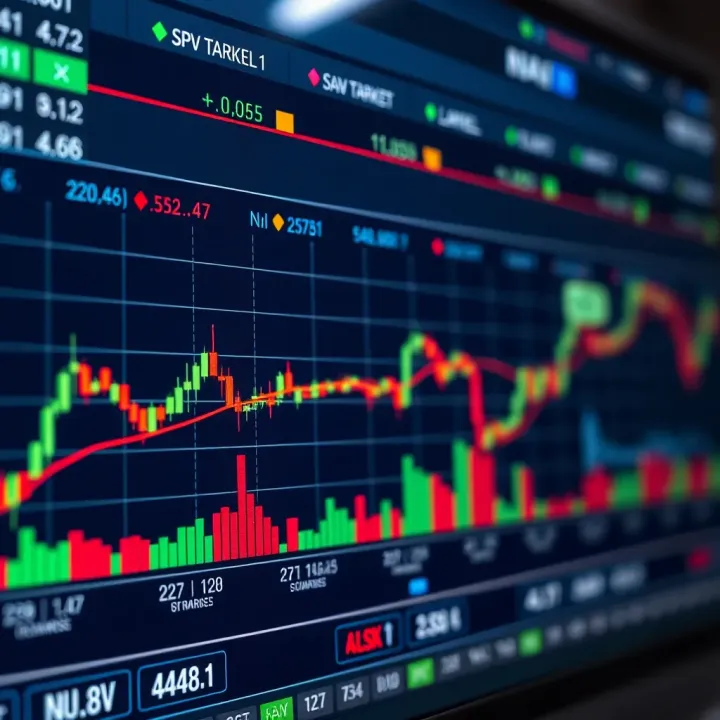
📊 Learn forex trading basics in Kenya: understand the forex market, key terms, how to start trading, and practical risk management tips for beginners. 💹
Based on 12 reviews