
Deriv Forex Trading Guide for Kenyan Traders
Explore Deriv Forex trading in Kenya 🇰🇪 with this detailed guide. Learn key features, smart strategies, risk tips, and regulatory insights for local traders 📊💡
Edited By
Amelia Watson
Trading forex online offers Kenyans a chance to enter one of the world's largest financial markets from the comfort of their homes. The foreign exchange market is where currencies from different countries are bought and sold against one another, with daily turnover exceeding $6 trillion globally. For Kenyan traders, this presents opportunities to profit by speculating on the value changes of currencies like the US dollar (USD), Euro (EUR), or South African rand (ZAR).
Understanding how the forex market operates is key before putting money on the line. Unlike stock markets that have fixed trading hours, forex runs 24 hours a day during the week because of overlapping global time zones—from Sydney opening to New York closing. Kenyan traders should note peak activity times often coincide with London and New York market hours, making these periods more volatile and liquid.
Before starting, familiarise yourself with fundamental terms like "pip" (the smallest price move in a currency pair), "leverage" (borrowing funds to increase your position size), and "spread" (difference between buy and sell price). These concepts impact your trading costs and risk level.
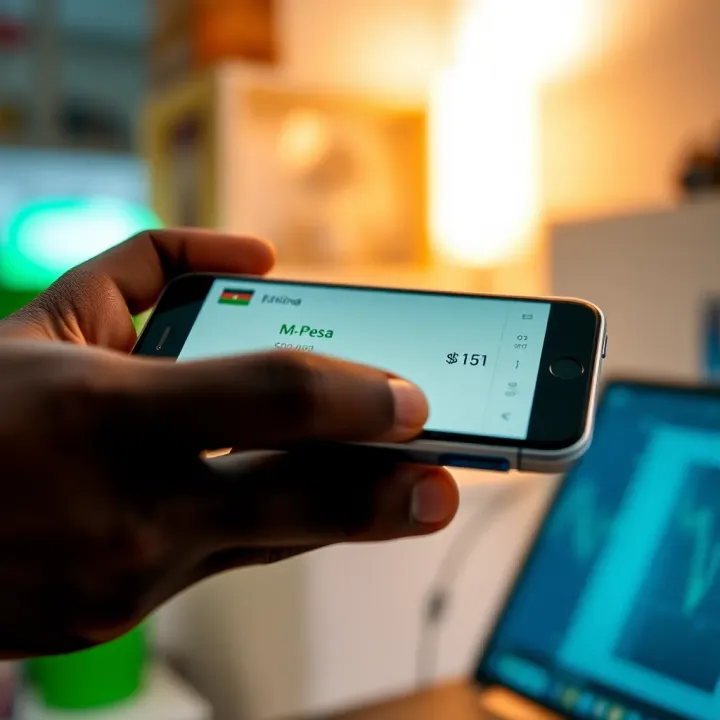
One advantage Kenyan traders enjoy is the availability of local payment methods such as M-Pesa, which is widely accepted by many forex brokers. This makes depositing and withdrawing funds straightforward without the hassles of international transfers, currency conversion fees, or long delays.
When choosing a trading platform, focus on user-friendly software with transparent fees, strong regulatory compliance, and access to key currency pairs. Platforms like XM, HotForex, and IG Markets have gained popularity in Kenya for offering these features. It's wise to test demo accounts first to get a feel for market execution and interface usability.
Kenyan traders should always prioritise brokers regulated by recognised authorities to avoid scams and ensure fund safety.
Getting started involves learning practical steps: opening a broker account with valid ID and KRA PIN, funding it via M-Pesa or bank transfer, and starting with small trades to build experience. Avoid chasing big profits early; instead, focus on managing risks by setting stop losses and not over-leveraging your trades.
In short, forex trading online in Kenya is accessible but requires discipline, education, and careful choice of platform plus risk control. This guide will take you through these practical aspects so you can make informed trading decisions suited to the Kenyan market context.
Understanding online forex trading is vital for anyone serious about venturing into this fast-paced market. Getting a grip on the basics helps you make smarter decisions, manage risks, and avoid common pitfalls. Since forex trading deals with currencies from across the world, knowing how it operates specifically in the digital space gives Kenyan traders a clear advantage.
Forex trading involves buying one currency while selling another at the same time. Traders aim to profit from fluctuations in exchange rates between currency pairs. For example, if you expect the US dollar (USD) to strengthen against the Kenyan shilling (KES), you might buy the USD/KES pair hoping to sell it later at a better rate.
This kind of trading is driven by economic forces, geopolitical events, and market sentiment. Kenyan traders can access this market online via brokers, using platforms on their computers or mobiles, making it practical and convenient even from Nairobi or Kisumu.
Unlike stock markets where you buy shares of companies, forex trades whole currencies. Forex is the largest financial market globally, with daily volumes exceeding $6 trillion, making it much more liquid than shares or commodities. For Kenyan traders, this means tighter spreads, quicker executions, and the chance to trade almost round the clock.
Also, forex trading usually involves leverage, allowing small capital to control larger positions. While this boosts potential gains, losses can also mount quickly, so understanding leverage is essential.
The forex market comprises various players: commercial banks, central banks, hedge funds, corporations, and retail traders. Central banks like the Central Bank of Kenya influence currency values through monetary policy, while commercial banks facilitate currency exchange for businesses.
Retail traders in Kenya typically enter the market via online brokers that provide access to interbank liquidity. Knowing who moves the market helps you anticipate price shifts and align your trading strategy.
Currencies are quoted in pairs, such as EUR/USD or USD/JPY. The first currency is the base, and the second is the quote. The price tells you how much of the quote currency you need to buy one unit of the base currency.
For instance, if the GBP/USD pair is at 1.30, it means one British pound costs 1.30 US dollars. Kenyan traders often watch USD/EUR or USD/GBP pairs, but also regional pairs like USD/KES when available. Understanding this helps you make informed decisions and identify profitable opportunities.
The forex market is open 24 hours a day from Sunday evening to Friday night due to the global spread of markets in London, New York, Tokyo, and Sydney. This continuous opening is divided into sessions: Asian, European, and American.
Kenyan traders can benefit by trading during the London and New York sessions, when liquidity and volatility peak, offering the best trading opportunities. For example, 3 pm to 11 pm Nairobi time corresponds with these active sessions. Being aware of these hours enables you to plan trades when the market is most dynamic.
Grasping how the forex market works, from its players to timing, is your foundation for trading with confidence. Without this knowledge, you risk making decisions in the dark, which can quickly drain your capital.
Understanding the key concepts and terminology of forex trading is essential for anyone venturing into the market, especially Kenyan traders who are getting to grips with online platforms and local payment methods like M-Pesa. These concepts help you navigate trades with confidence, avoid costly mistakes, and better manage your trading risks.
A pip (short for "percentage in point") measures the smallest price movement in a currency pair, typically the fourth decimal place. For instance, if the USD/KES exchange rate moves from 110.2500 to 110.2600, that’s a one-pip change. Knowing this helps you understand how profits and losses build up.
Lots describe the size of your trade. A standard lot equals 100,000 units of the base currency, but many brokers offer mini or micro-lots for smaller stakes, which is great for Kenyan traders starting with limited capital. Lastly, leverage lets you control a larger position with less money. For example, a leverage of 1:100 means you can trade KSh 100,000 with just KSh 1,000. While leverage can magnify profits, it also increases risk — so be cautious with it.
The spread is the difference between the buying (ask) and selling (bid) price of a currency pair. Brokers earn from spreads, so tighter spreads often mean cheaper trading costs. For example, a USD/EUR spread of 1.5 pips means you start in a slightly losing position before the market moves in your favour.
Slippage happens when your order executes at a different price than expected, often during volatile market moves or slow platform response times. If you set to buy EUR/USD at 1.1000 but the price quickly jumps to 1.1005, you suffer a 0.5 pip slippage. Kenyan traders should monitor slippage tightly as it can eat into profits, especially when trading around news releases.
Market orders execute immediately at the current price. This suits traders wanting to open or close positions quickly, such as reacting to breaking market news. However, the price might slightly differ by the time your order goes through due to fast movements.
Pending orders, on the other hand, activate only when the market reaches a specified price. For example, a buy limit order lets you enter the market at a lower price than current, hoping for a price pullback. This approach suits Kenyan traders who prefer not to watch the screen all day but want to catch precise entry points.
These are vital risk management tools. A stop loss order automatically closes your trade if the price moves against you by a set amount, limiting losses. For instance, if you buy GBP/USD at 1.3000 and place a stop loss at 1.2950, your trade exits if the market hits that level, limiting your loss to 50 pips.
Meanwhile, a take profit order closes your trade once a target gain is reached, locking in profits without needing constant monitoring. Using both orders keeps your trading disciplined and guards against unexpected market swings—especially useful for Kenyan traders balancing forex with other daily responsibilities.
Remember: Understanding these terms and how orders work is not just theory. It’s about managing your money smarter while trading forex in Kenya, where markets can be fast and payment channels like M-Pesa add convenience but don’t fully protect against risky decisions.
Choosing the proper forex trading platform and broker is a key step for any trader, especially in Kenya where local conditions and regulations shape the market experience. The right broker offers security, fair pricing, and handy tools, while a reliable platform makes trading smoother and helps you respond quickly to market moves. Picking carefully helps avoid unnecessary risks and sets a strong foundation for trading success.
Kenyan forex traders should prioritise brokers regulated by the Capital Markets Authority (CMA) Kenya. This oversight ensures brokers comply with local rules on fair dealing, capital requirements, and transparency. Trading with a CMA-regulated broker reduces the chance of falling victim to scams or unethical practices.
Besides CMA regulation, some brokers also hold licences from other respected authorities like the FCA (UK) or CySEC (Cyprus). However, Kenyan traders should always verify the broker’s CMA approval, because foreign licences do not guarantee protection under Kenyan law.
A broker’s reputation tells you about their reliability and service quality. Reading user reviews from fellow Kenyan traders gives insight into the trader experience with issues like platform downtime, withdrawal delays, or hidden charges. Forums, social media groups, and forex community websites are useful places to gather on-the-ground feedback.
Keep in mind some reviews might be biased, but looking for consistent patterns helps spot reliable brokers. Avoid brokers with many complaints on missing funds or poor customer support.
MetaTrader 4 (MT4) and MetaTrader 5 (MT5) are globally popular for their ease of use, stability, and comprehensive features like advanced charting, indicators, and automated trading (Expert Advisors). Kenyan traders benefit from MT4’s widespread broker support and abundant learning material.
Another option, cTrader, offers a modern interface with more detailed order types and level 2 price data, which some active traders prefer for precision. Both MT and cTrader work well on desktop, making them favourites among Kenyan traders who spend time analysing charts before execution.
Since many Kenyan traders rely on mobile phones, brokers supporting robust mobile platforms score extra points. Platforms with native apps for Android and iOS allow trades anytime, anywhere, even while commuting on a matatu or waiting in line.
Mobile apps generally include real-time quotes, charting tools, and notifications. For example, Safaricom’s M-Pesa network’s mobile penetration complements mobile trading, letting traders fund accounts instantly. Look for apps that work well with local internet speeds and include secure login features.
M-Pesa remains the most convenient and popular payment method for Kenyans, including forex traders. Many brokers now accept deposits and withdrawals directly through M-Pesa, eliminating the need for bank transfers or credit cards.
Alternatives like bank wire transfers, Skrill, or PayPal exist but are less common or practical locally. Choosing a broker that supports M-Pesa speeds up the funding process and lowers transaction costs, especially for smaller trades.
Different brokers charge various fees for deposits and withdrawals; some waive fees entirely on M-Pesa deposits, while others may apply a small percentage. Processing times also vary — M-Pesa deposits are usually instant, but withdrawals can take from a few minutes to a couple of days.
It’s important to check the broker’s fee structure carefully to avoid surprises. For instance, a broker with fast withdrawals but higher fees might suit active traders, while those with slower withdrawal times but zero fees might please less frequent traders. Understanding these details impacts your cash flow and trading plans.
Remember: verifying broker regulation, platform usability, and payment options tailored for Kenya helps protect your funds and improves your trading confidence.
This deliberate choice, backed by research and knowing local realities, can make your entry into forex trading much safer and more rewarding.
Starting with forex trading can feel overwhelming. However, laying a solid foundation by setting up a proper trading account and a clear plan is what separates serious traders from those who just gamble with their money. This section walks you through critical first steps to trade efficiently, avoid common pitfalls, and adapt to the market conditions specific to Kenyan traders.
KYC and verification process: Brokers require Know Your Customer (KYC) checks to comply with regulations. You’ll usually need to submit a government-issued ID, a recent utility bill or bank statement showing your address, and sometimes a selfie for identity confirmation. This process takes a few days but ensures your account is compliant, helping to prevent fraud and protect your funds. Kenyan brokers also typically link accounts to M-Pesa for easy deposits and withdrawals, so verified accounts streamline these transactions.
Choosing account types: Forex brokers offer different account types to fit varying trader needs. For a beginner, a micro or mini account with low minimum deposits and smaller lot sizes works best. These allow you to practise with real money without risking too much. More experienced traders might prefer standard accounts that offer tighter spreads and more trading instruments but require larger deposits. Pay attention to leverage options, as high leverage can magnify wins but also losses. Selecting an account type that matches your capital and risk appetite helps you trade smartly.
Establishing goals and risk tolerance: Before entering any trade, define what you want—are you aiming for steady income or capital growth? How much loss can you bear without stress? Setting realistic goals prevents chasing unrealistic profits or doubling down on losses. For example, a trader might decide to risk only 1% of their capital per trade to stay on the safe side. Knowing your limits builds discipline and stops you from succumbing to emotional trading.
Selecting trading times and strategies: Forex markets operate 24 hours, but not all hours have the same volatility. Kenyan traders benefit from focusing on London and New York sessions when liquidity and trading volumes peak. Choose strategies that suit these times; for instance, day trading during active hours or swing trading if you prefer longer holds. Using tools like economic calendars helps avoid trading during unpredictable events such as Central Bank announcements.
Opening and closing positions: After setting up your account and plan, start by placing simple market orders: buying if you expect the currency to rise, selling if you expect a fall. It’s crucial to use stop-loss orders to automatically cut losses if the market moves against you. When you hit your target profit or the market signals a reversal, close your position to secure gains. This disciplined approach is the backbone of successful trading.
Tracking performance and making adjustments: Keep a trading journal to record every trade’s details: entry and exit points, reasons for entering, and outcomes. Reviewing this regularly helps identify patterns, strengths, and weaknesses. Suppose you notice losses occur mostly during specific sessions or with particular currency pairs—adjust your strategy accordingly. Continual learning and tweaking based on performance build your skills and increase chances of success over time.
Starting forex trading the right way means more than just having money to invest; it requires a clear setup, a thoughtful plan, and disciplined execution tailored to your circumstances as a Kenyan trader.
Managing risks is essential for any forex trader, especially for those trading online from Kenya. The forex market can move quickly, and without proper risk controls, losses may wipe out your trading capital. Improving success means not only aiming for profits but also protecting your investments through smart strategies. Understanding and applying risk management helps Kenyan traders avoid common pitfalls and build steady gains over time.
Using stop loss effectively
A stop loss order limits your potential loss by automatically closing a trade at a predetermined price level. For example, if you buy the USD/KES pair at KS10 and set a stop loss at KS08, the position will close if the price falls to that level, preventing further loss. This method keeps emotions in check and controls downside risk, which is crucial since forex prices can swing suddenly due to news or economic updates.
Setting a stop loss requires balancing between allowing enough room for normal market fluctuations and protecting your capital. Placing it too close may cause frequent unnecessary exits, while placing it too far can risk large losses. Kenyan traders often adjust stop losses based on the volatility of the currency pair and their risk tolerance.
Limiting leverage exposure
Leverage allows trading with more money than you actually have, magnifying both profits and losses. While brokers may offer leverage of up to 1:500, using high leverage can quickly drain your account if the market moves against you. For example, trading with KS0,000 at 1:100 leverage effectively controls a KS,000,000 position, but a small move against you can wipe out the capital fast.
Limiting leverage exposure means using moderate leverage, such as 1:10 or 1:20, to avoid big swings. New Kenyan traders should start with low leverage to build experience without risking large losses. This conservative approach helps preserve capital and keeps stress levels manageable.
Overtrading and emotional decisions
Traders often fall into the trap of overtrading by opening too many positions or chasing losses. This usually happens when emotions take over, such as greed or fear. For instance, a trader might keep adding positions after a loss, hoping to recover quickly, which can worsen losses.
It’s important to stick to your trading plan and avoid trading based on feeling or rumours. Kenyan traders should set daily trade limits and take breaks if emotions cloud judgement. Discipline in executing trades preserves capital and keeps trading sustainable.
Ignoring market news and analysis
Forex prices respond strongly to economic news like interest rate changes, inflation data, or political events. Ignoring such information makes traders vulnerable to sudden market moves. For example, unexpected changes by the Central Bank of Kenya or US Federal Reserve announcements can shift currency values sharply.
Successful traders follow reliable news sources and adjust their strategies accordingly. Many Kenyan traders use updated financial platforms and subscribe to economic calendars to stay informed. Staying aware means you trade with context and better manage risks.
Fundamental versus technical analysis
Fundamental analysis looks at economic factors that influence currency values, such as GDP growth, inflation, or trade balances. Technical analysis studies price charts looking for patterns and signals to predict future movements.
Kenyan traders often combine both approaches: using fundamentals to understand the market direction and technical tools to time entries and exits. This blended method helps in making more informed and confident trade decisions.
Tools and resources for Kenyan traders
Several tools are available to Kenyan forex traders, including charting software like MetaTrader and economic news feeds from sources like Bloomberg and Reuters. Traders also benefit from mobile apps providing real-time prices and alerts.
Online communities and broker resources offer training materials and support to improve skills. For Kenyans, using M-Pesa integrated brokers and platforms enhances convenience in deposits and withdrawals, complementing analytical tools for smoother trade management.
Effective risk management combined with well-informed analysis helps Kenyan traders protect their capital and increase chances of consistent profits in online forex trading.
Explore Deriv Forex trading in Kenya 🇰🇪 with this detailed guide. Learn key features, smart strategies, risk tips, and regulatory insights for local traders 📊💡

🤖 Explore how forex trading bots work, their benefits, risks, and setup tips tailored for Kenya's market. Boost your automated trading strategy today! 📈
📈 Discover the Asian forex trading hours in Kenya 🇰🇪, learn key market players, timing, and smart tips to trade forex wisely during this session.
Master the Deriv Pip Calculator to calculate forex pip values with ease. Perfect for Kenyan traders seeking precise currency trading insights 📉💹.
Based on 13 reviews