

USD to KES Exchange Rate Outlook
📊 Discover key factors shaping USD to KES exchange including economic data, government moves, and market shifts. Get practical insights for better financial decisions in Kenya.
Edited By
Amelia Carter
Predicting the exchange rate between the US Dollar (USD) and the Kenyan Shilling (KSh) is no walk in the park. Various factors, from economic indicators to government policies and external shocks, influence how this rate fluctuates. For anyone involved in forex trading, investment, or managing business risks in Kenya, understanding these drivers can offer an edge.
Exchange rates don’t just change randomly; they're shaped by the interplay of supply and demand for each currency. For example, if Kenyan exporters receive payment in USD and convert it back to KSh, this demand pumps shillings into the market, potentially strengthening the local currency. Conversely, when Kenya imports goods paid in dollars, the demand for USD rises, which can weaken the shilling.

Several economic indicators provide important clues. Inflation rates in Kenya relative to the US affect purchase power parity, nudging exchange rates over time. Similarly, higher interest rates in Kenya compared to the US might attract foreign capital, supporting the shilling. However, unexpected political instability or shifts in government fiscal policy can quickly derail such trends.
Currency predictions hinge on data, but also on how investors and market participants view Kenya’s economic stability and prospects.
Regional dynamics within the East African Community also play a role. Cross-border trade, infrastructure projects, and foreign direct investment (FDI) influence forex flows and exchange rates indirectly. For example, completion of a major transport corridor can boost trade volumes, improving Kenya’s current account and shilling strength.
Understanding current trends involves monitoring Kenya's Central Bank (CBK) policies, global commodity prices—especially oil, which Kenya imports heavily—and international economic events like US Federal Reserve rate changes. Businesses dealing in import or export can use these insights to hedge currency risk effectively through instruments like forward contracts.
In short, keeping an eye on inflation, interest rates, government stability, and regional trade are essential for anticipating USD to KSh exchange movements. This knowledge helps traders and investors make informed decisions rather than sitting on guesswork.
Understanding the forces behind the USD to Kenyan Shilling (KSh) exchange rate is fundamental for anyone involved in trading, investing, or managing financial portfolios linked to Kenya. These factors don’t act in isolation but combine in complex ways to influence how much one US dollar will fetch in Kenyan shillings. Knowing these influences helps market players anticipate shifts and manage risks better.
Inflation affects the purchasing power of a currency, so when Kenya’s inflation rises faster than in the US, the shilling usually weakens against the dollar. Higher local inflation means Kenyan goods and services become pricier relative to American ones, lowering demand for the shilling. Interest rates complement this effect: when the Central Bank of Kenya raises rates to combat inflation, it can attract foreign capital seeking better returns, which can support the shilling. However, if interest rates are not competitive compared to US rates, investors may prefer US assets, pushing the shilling down.
Kenya’s trade balance directly impacts the shilling’s demand and supply on forex markets. A trade deficit, where imports exceed exports, creates more demand for dollars to pay for overseas goods, putting downward pressure on the KSh. For example, Kenya imports machinery, fuel, and electronics, often paid in dollars. If exports like tea, coffee, and flowers do not cover these costs, the shilling faces depreciation pressures. Sustained deficits may lead to a weaker exchange rate, affecting businesses and consumers who rely on imported goods.
Foreign direct investment (FDI) acts as a steady dollar inflow, strengthening the Kenyan shilling. Infrastructure projects or new business ventures funded by international investors increase demand for the shilling when converting their funds for local use. For instance, major investments in the energy or telecommunications sectors usually stabilise or appreciate the KSh. On the other hand, a drop in FDI, perhaps due to political uncertainty or poor economic outlook, reduces these inflows, leading to less demand for the shilling and possible depreciation.
The Central Bank of Kenya (CBK) plays a critical role in managing the currency’s value through monetary policy. By adjusting benchmark interest rates and controlling money supply, CBK influences inflation and overall economic stability, which in turn affects investor confidence and exchange rates. If inflation spikes or the shilling weakens sharply, CBK may intervene with policy changes to restore balance and reassure markets.
CBK sometimes steps into the forex market to buy or sell dollars in order to stabilise the shilling. This intervention is aimed at preventing extreme volatility that could hurt businesses and consumers. For example, during periods of political tension or external shocks, CBK may use its dollar reserves to support the shilling, limiting sharp depreciation. These interventions require careful timing and amounts to be effective without exhausting foreign reserves.
Global demand for commodities, shifts in oil prices, and economic growth in major trading partners all influence the USD to KSh rate. Kenya’s economy depends heavily on agriculture and tourism, so fluctuations in commodity prices or global travel trends can impact export revenues and shilling strength. For instance, a slump in coffee prices globally could reduce Kenya’s dollar earnings, weakening the shilling.

Since the USD is a major reserve currency, moves by the US Federal Reserve (Fed) have a significant ripple effect worldwide. When the Fed raises interest rates, the dollar often strengthens as investors seek higher returns in US markets. This can cause the KSh to weaken, especially if Kenya’s own rates do not keep pace. Such shifts affect Kenyan businesses with dollar-denominated debts or import costs.
Political stability in East Africa influences investor confidence and capital flows. Unrest or insecurity in neighbouring countries can prompt investors to pull back, reducing foreign currency inflows into Kenya or increasing demand for safe-haven assets like the dollar. For example, instability near the border or election-related tensions within Kenya can lead to short-term shocks in the exchange rate, impacting traders and businesses alike.
Exchange rate predictions depend not just on one factor but a combination of economic data, policy moves, and external events. Traders and analysts must piece together these elements to gauge future USD to KSh movements accurately.
Looking back at the USD to KSh exchange rate over the years helps traders, investors, and financial analysts understand how the currency pair behaves. This historical perspective reveals patterns of strength and weakness, offering useful insights for making future predictions. By studying past trends, market players can better gauge the timing of their moves, manage risks, and avoid surprises caused by sudden changes.
The Kenyan Shilling has experienced cycles of appreciation and depreciation against the US Dollar in the last ten years. For instance, between 2015 and 2017, the Shilling weakened steadily from about KSh 98 to around KSh 103 per USD mainly due to widening trade deficits and external debt repayments. Conversely, brief periods like early 2019 saw the Shilling strengthen, touching below KSh 100, influenced by improved export earnings and higher foreign direct investment.
These ups and downs matter to market participants because they affect import costs, export competitiveness, and foreign debt servicing. Businesses that import raw materials, such as manufacturers and retailers, watch these trends closely to decide when to convert dollars to shillings to save on costs, while exporters track them to price goods competitively.
Economic shocks tend to trigger sharp movements in the USD to KSh rate. For example, in late 2016, the unexpected US Federal Reserve rate hike pushed the Shilling down from about KSh 101 to KSh 103 within weeks. Similarly, during the global oil price slump in 2020, the Shilling initially stabilised due to reduced import costs but later lost ground amid foreign investment withdrawals and lower forex inflows.
Understanding how shocks affect the exchange rate helps analysts and traders anticipate market volatility and plan accordingly. For instance, during commodity price swings or changes in US monetary policy, one can expect the Shilling to react, which informs hedging strategies and portfolio adjustments.
Political developments in Kenya have often caused sharp exchange rate swings. After the 2017 general elections, uncertainty led to a depreciation of the Shilling by nearly 3% within a month as investors adopted a wait-and-see approach. The government’s response and subsequent stability helped the Shilling recover, showing how political stability underpins currency strength.
For investors and businesses, tracking election cycles and political tensions is key to managing forex exposure. Volatility spikes during these periods mean costs can rise unexpectedly or profits shrink, so timing transactions around such events can reduce losses.
The COVID-19 pandemic triggered one of the most significant exchange rate shocks in recent memory. In the first quarter of 2020, the Shilling lost nearly 6% against the USD as global markets panicked, remittances slowed, and tourism halted. However, mobile money-enabled remittance channels and Central Bank of Kenya interventions helped cushion longer-term effects.
This crisis underscores the importance of readiness for global events beyond local control. Traders should consider global health, economic, or geopolitical risks as they can quickly unsettle currency markets. Proper diversification and quick access to forex hedging tools become critical during such unpredictable times.
Reviewing historical USD to KSh trends provides a solid foundation to anticipate movements, tailor trading strategies, and understand how local and global factors combine to influence the exchange rate. Reliable recall of these patterns helps avoid costly mistakes in a fluctuating forex environment.
By focusing on these historical lessons, financial professionals and stakeholders are better equipped to make reasoned decisions in Kenya's dynamic currency market.
Understanding the current outlook and predictions for the US Dollar (USD) to Kenyan Shilling (KSh) exchange rate is vital for traders, investors, and businesses. Knowing where the exchange rate is headed helps in making informed decisions, whether it's importing goods, managing foreign currency loans, or planning investments. Accurate predictions allow market players to navigate volatility and avoid unexpected losses.
Market analysts typically use economic data, geopolitical trends, and policy shifts to project the USD to KSh exchange rate over the coming year. For example, some forecasts suggest moderate depreciation of KSh against the USD due to persistent trade deficits and external debt repayments. Traders following these projections can adjust their currency positions, such as locking in rates early when forecasts show weakening shilling.
Analyst sentiment also factors in global influences like US interest rate changes or oil price shocks, which affect Kenya’s import costs and inflation. A concrete example is the recent Central Bank of Kenya forecast predicting that if oil prices rise, the KSh could lose value against the USD, impacting importers' costs.
Kenya’s economic indicators, such as GDP growth, inflation, and trade balance, strongly influence the USD-KSh rate. Strong exports or inward foreign direct investment (FDI) typically bolster demand for KSh, supporting its value. Conversely, rising inflation or a widening current account deficit may put downward pressure on the currency.
For investors and portfolio managers, monitoring reports like Kenya's GDP growth rate or inflation figures helps anticipate currency movements. For example, during periods when Kenya’s GDP growth outpaces inflation, the shilling tends to strengthen, presenting opportunities for local currency investments.
Globally, inflation pressures have triggered various central banks, notably the US Federal Reserve, to raise interest rates. Higher US rates generally attract capital flows to the USD, leading to a stronger dollar against currencies like the KSh. This dynamic increases the cost of servicing external debts in USD for Kenyan borrowers and inflates import prices.
Traders and businesses must watch these international monetary policies closely. For instance, when the Federal Reserve announced an interest rate hike in March 2024, the KSh experienced immediate pressure, affecting importers and forex dealers.
Kenya’s political environment directly influences investor confidence and currency stability. Election years often bring uncertainty, which can spook investors and lead to KSh depreciation. Stability through transparent processes and minimal disruptions tends to support currency strength by reassuring foreign investors and reducing risk premiums.
An example is the 2022 general elections, which caused short-term volatility in the USD-KSh rate. Businesses that anticipated this fluctuation and hedged their currency exposure avoided extra costs during that period.
Being aware of these risks and economic forecasts equips market participants to respond promptly, protect their investments, and exploit opportunities in the foreign exchange market.
In summary, keeping an eye on expert forecasts, Kenya’s economic health, and evolving global and domestic risks will offer a practical edge in managing USD to KSh currency exposure efficiently.
Understanding exchange rate predictions is key for businesses and consumers in Kenya to make smart financial decisions. By anticipating how the US Dollar (USD) might move against the Kenyan Shilling (KSh), firms can better manage costs and revenues, while individuals can plan their spending, saving, and investing to protect their financial interests.
Business owners involved in import and export face fluctuating costs whenever the USD/KSh rate shifts. To guard against unpredictable currency changes, many use hedging strategies. For instance, an importer of electronic goods can enter into forward contracts with banks to fix the exchange rate today for payments due in future months. This way, they avoid sudden cost surges if the KSh weakens. Similarly, exporters receiving payments in USD may use options contracts to secure minimum guaranteed rates, preserving profits.
Another useful approach is timing currency conversions. Businesses often monitor exchange rate forecasts to decide when to convert earnings or purchase dollars for imports. If projections suggest the KSh might weaken further, it could be wise to convert funds earlier rather than later to avoid higher costs. On the other hand, if the shilling is expected to strengthen, delaying conversion might save money. This practice demands careful tracking of economic releases, regional events, and US monetary policy signals that typically influence forex markets.
For consumers, exchange rate changes impact the cost of foreign goods and services. When the KSh weakens, imported items like smartphones, cars, or holiday packages become more expensive. Knowing expected currency trends helps shoppers decide when to make big-ticket purchases or pay for services billed in USD. For example, if forecasts predict a stronger shilling in the next few months, it might be sensible to delay purchases.
Saving and investing decisions also benefit from keeping an eye on exchange rates. Kenyans who save in USD-denominated accounts or plan to invest abroad should consider how currency movements affect returns. A depreciating KSh can increase the local value of foreign savings, boosting wealth when converted back. Conversely, investing in KSh assets during periods of expected shilling strength may preserve purchasing power. It’s important to balance currency considerations with other risk factors and personal financial goals.
Businesses and individuals who incorporate exchange rate predictions into their financial planning can reduce surprises and improve budgeting accuracy. Practical use of forecasting tools and local market knowledge empowers smarter money management in an interconnected economy.
By paying close attention to exchange rate outlooks, Kenyan traders, investors, and consumers position themselves to handle currency swings more effectively, protecting income and making well-timed financial choices.
📊 Discover key factors shaping USD to KES exchange including economic data, government moves, and market shifts. Get practical insights for better financial decisions in Kenya.

📈 Track the EUR/USD exchange trends with insights on central bank moves, economic signals & geopolitics affecting Euro and US Dollar for Kenyan traders & businesses.
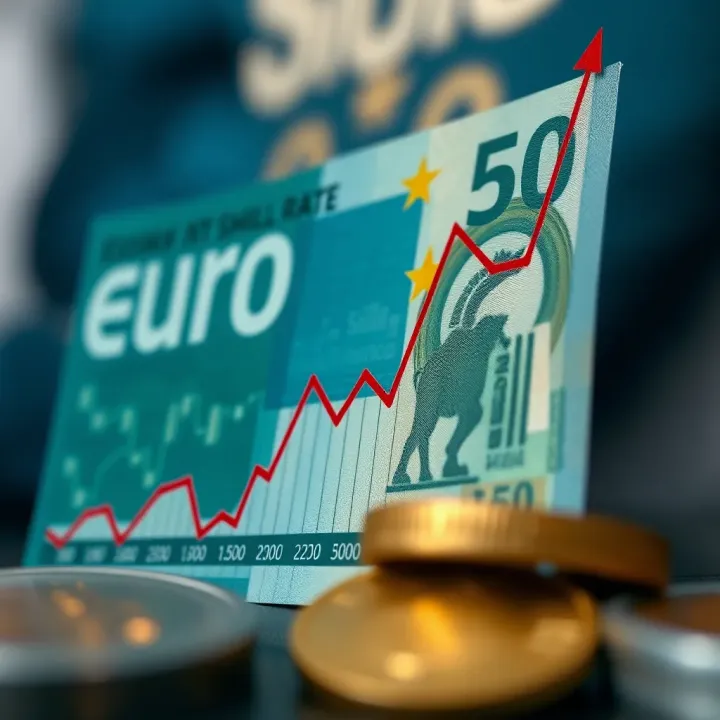
📉 Discover key factors shaping the euro to KSh exchange rate, recent trends, and what Kenyans must consider for smarter business and personal currency decisions.
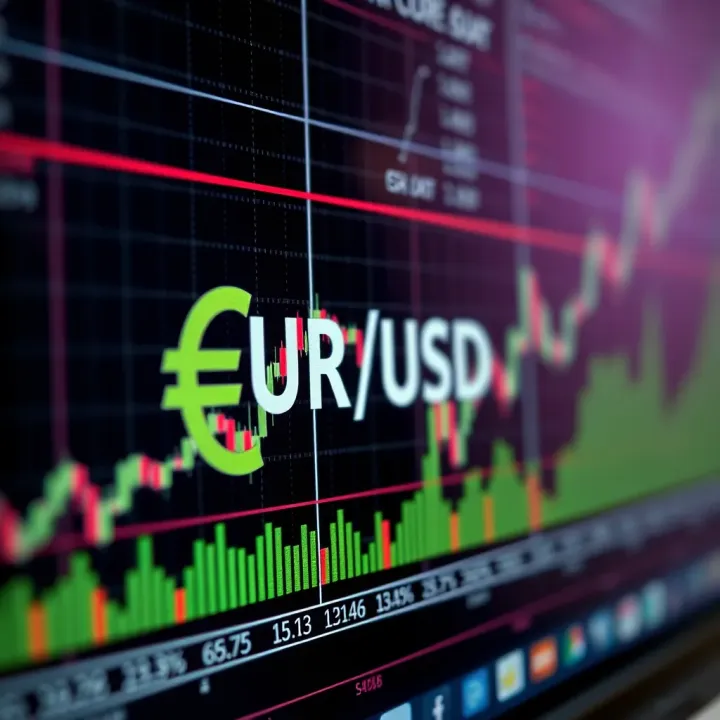
📉 Get practical EUR/USD forecast with recent trends, key economic data, and geopolitical insights to guide traders and businesses in forex markets effectively.
Based on 6 reviews