

EUR/USD Forecast: Euro-Dollar Exchange Rate Trends
📈 Track the EUR/USD exchange trends with insights on central bank moves, economic signals & geopolitics affecting Euro and US Dollar for Kenyan traders & businesses.
Edited By
Henry Davies
The exchange rate between the US Dollar (USD) and the Kenyan Shilling (KES) is a key indicator impacting Kenya's economy, businesses, and everyday consumers. As Kenya increasingly relies on imports, foreign debt repayments, and remittances from abroad, the value of the USD against the KES influences the cost of goods, inflation rates, and investment decisions.
Understanding what drives changes in this exchange rate helps traders, investors, and financial analysts make smarter choices. The rate itself reflects a mix of economic signals — from Kenya’s balance of payments position to monetary policies by the Central Bank of Kenya (CBK), and even global events affecting the US economy. For example, when the US Federal Reserve raises interest rates, USD assets become more attractive, often pushing the USD higher against the KES.

On the other side, the Kenyan government’s policies, such as currency interventions or fiscal measures, can stabilise or weaken the shilling. Seasonal trends also play their part; during periods when diaspora remittances peak, the KES can gain strength temporarily.
Exchange rates don’t move on whims; they respond to real financial flows, political stability, and market expectations.
Factors influencing the USD to KES exchange rate include:
Trade balance: Kenya's import bills for fuel, machinery, and foodstuffs often demand dollars, increasing USD demand.
Inflation rates: Higher inflation in Kenya than the US tends to depreciate the shilling as purchasing power weakens.
Foreign direct investment (FDI): Increased investment brings in dollars, supporting the KES.
Global market shifts: Oil prices, US economic indicators, and geopolitical developments directly affect the USD strength.
For investors and forex brokers, paying close attention to these elements can reveal short-term trading opportunities and long-term trends. Portfolio managers might hedge currency exposure based on forecasted movements in the USD/KES pair.
This article will explore these factors and use practical examples to project the exchange rate's possible direction. With accurate insights, businesses and individuals in Kenya can better prepare for currency impacts on costs, savings, and investments.
Understanding the current state of the USD to KES exchange rate is key for anyone dealing with foreign exchange in Kenya. Whether you are a trader, investor, or business owner, knowing how the shilling performs against the dollar right now shapes decisions around pricing, budgeting, and risk management. It also provides a solid baseline before exploring forecasts and predictions.
Exchange rate fluctuations over the past year have reflected a mix of global and local economic pressures. For example, between mid-2023 and early 2024, the Kenyan shilling generally weakened from around KSh 115 per USD to about KSh 128 at its lowest. This decline was influenced by factors such as rising US interest rates attracting capital away from emerging markets, plus Kenya’s rising import costs. Such volatility matters for importers and exporters who face unpredictable costs or revenues.
Tracking these shifts shows patterns, such as sharper depreciation during global dollar strength phases and relative stability when external markets ease. This practical insight can aid forex traders in timing interventions or hedging.
Key events impacting recent shifts included the US Federal Reserve’s decisions to raise interest rates aggressively in late 2023 to tame inflation. This made the dollar more attractive globally and led to capital outflows from Kenya. Domestically, Kenya’s higher fuel prices and a persistent trade deficit put pressure on the shilling as more dollars were needed to pay for imports. Additionally, political activities ahead of Kenya’s general elections added uncertainty, slightly shaking currency stability.
These events directly impact market sentiment and currency valuation. For businesses paying for imported inputs or investors experimenting with forex, awareness of such events means better risk timing.
Looking beyond Kenya, the USD against East African currencies shows similar trends but with notable differences. For example, the Ugandan shilling or Tanzanian shilling also weakened but less sharply compared to the Kenyan shilling in the same period. This is partly because Kenya’s economy is more open to imports and foreign investment, making it more sensitive to external shocks. For regional investors, comparing these currencies helps gauge cross-border opportunities and risks.
Regarding regional currency stability, several East African currencies tend to behave in clusters influenced by common factors, like oil prices or regional trade dynamics. However, Kenya’s relatively large debt levels and current account deficits can increase currency vulnerability. Recognising these differences allows financial analysts and forex brokers to better predict market movements and advise clients accordingly.
Keeping track of Kenya’s exchange rate movements in the context of regional peers allows you to make more informed decisions related to investment timing, cost management, and risk strategies.
In summary, the current state of the USD to KES exchange rate reflects an interplay of external pressures and domestic challenges. This baseline understanding is essential before assessing what lies ahead or developing strategies to manage currency risk effectively.
Understanding the key factors that influence the USD to Kenyan Shilling (KES) exchange rate is essential for traders, investors, and financial analysts. These factors shape market dynamics and guide decisions on currency trading, investment timing, and risk management. By examining Kenya's economic indicators, US policies, and market sentiment, you can better anticipate movements and prepare accordingly.
Inflation and interest rates have a direct impact on the strength of the Kenyan Shilling. When inflation rises sharply, it erodes purchasing power, which often leads the Central Bank of Kenya (CBK) to raise interest rates to stabilise prices. Higher interest rates usually attract foreign investors seeking better returns, which can strengthen the KES against the USD. For example, in 2023, inflation fluctuations contributed noticeably to short-term changes in the USD-KES rate as investors reacted to CBK’s rate adjustments.
Trade balance and current account figures provide a snapshot of Kenya’s international economic relations. A trade deficit, where imports exceed exports, tends to weaken the shilling since more foreign currency is needed to pay for imported goods. Conversely, a surplus can strengthen the shilling as foreign buyers bring in more USD. Kenya's growing imports in machinery and fuel in recent years have put some pressure on the KES, while exports such as tea and horticulture provide some balance.
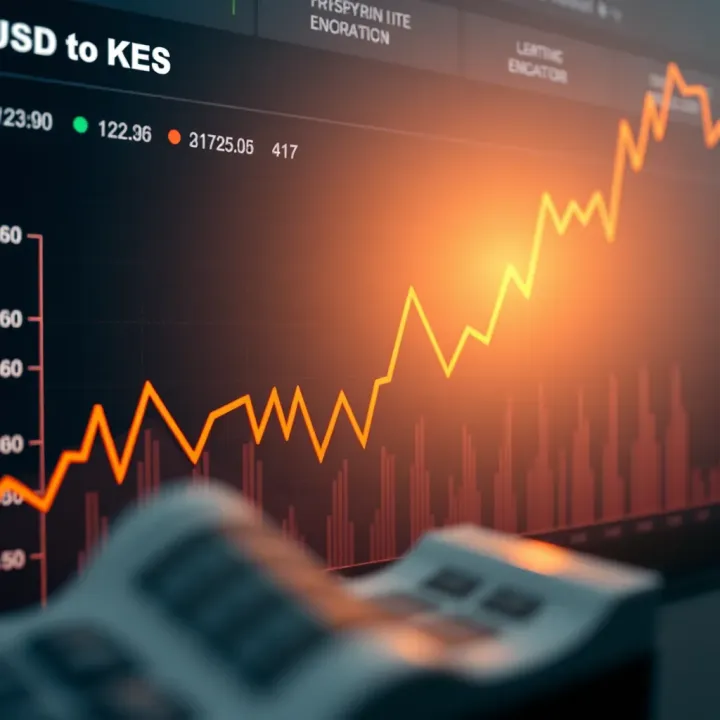
The Federal Reserve monetary policy is a major driver of the USD's global value. When the Fed raises interest rates, the USD generally appreciates as investors flock to higher yields, making the USD more expensive relative to the KES. Conversely, easing measures tend to weaken the USD. For Kenyan traders, shifts in Fed policy can signal upcoming volatility in the USD-KES exchange rate, especially if combined with local economic data.
US inflation and employment data act as barometers for Fed policy decisions and broader economic health. High inflation in the US usually prompts tighter monetary policy, strengthening the USD. Likewise, strong employment figures indicate economic resilience, supporting the USD's value. Kenyan forex traders should monitor US economic releases closely, since surprising figures can trigger rapid changes in exchange rates, affecting import costs and investment returns.
Foreign exchange market trends reflect collective trader actions and can amplify movements in the USD-KES rate. For instance, during periods of global uncertainty, investors might rush towards the USD as a safe haven, causing the shilling to weaken. In contrast, a positive outlook on Kenya’s economy can boost confidence and support the KES.
Investor behaviour and risk appetite also play significant roles. When investors are risk-averse, they tend to sell emerging market currencies like the KES and buy stable currencies like the USD. However, in times of optimism, capital flows back into emerging markets, strengthening the KES. An example can be seen in periods following political stability announcements when foreign investors return to Kenyan assets, causing temporary appreciation of the shilling.
Keeping an eye on these factors helps in making timely, informed decisions in forex trading or investment related to the USD-KES exchange rate.
Understanding these elements offers a clearer picture of what causes the shilling’s value to shift, helping stakeholders better navigate the constantly changing currency market.
Government and central bank actions significantly influence the USD to KES exchange rate. These policies can either stabilise the Kenyan shilling or cause sharp fluctuations depending on the approach taken and prevailing economic conditions. Understanding these policies helps traders and investors anticipate currency movements and manage their exposure.
The Central Bank of Kenya (CBK) plays a direct role in the forex market by intervening when the shilling weakens or strengthens too quickly against the dollar. For instance, CBK may sell its foreign reserves to add dollars into the market, preventing the KES from tumbling excessively in response to external shocks or capital flight. This helps to smooth out volatility and maintain confidence in the currency.
Such interventions are practical tools for curbing sharp shocks but come at a cost since reserves are finite. Traders and investors should note when CBK steps into the market, as it signals the bank's concern over currency stability and can temporarily sway exchange rates.
Another crucial tool CBK uses is adjusting its benchmark interest rate, the Central Bank Rate (CBR). When inflation rises or the shilling weakens, CBK may raise the CBR to attract more foreign capital through higher returns, supporting the demand for KES. This, in turn, can help stabilise or strengthen the exchange rate.
For example, recent hikes in Kenya’s CBR have coincided with attempts to contain inflation pressures and mitigate capital outflows. However, increased interest rates can slow economic growth, so CBK balances these trade-offs carefully. Understanding these moves helps forex traders predict short-term currency performance.
Government spending and national debt levels also impact the USD to KES exchange rate. High government borrowing, especially from foreign lenders, can increase demand for foreign currency, putting downward pressure on the shilling. Kenya’s rising public debt over the years has led to concerns about repayment capacity, influencing investor confidence.
Additionally, hefty spending without corresponding revenue may fuel inflation, eroding purchasing power and weakening the shilling. Observers of the forex market must keep track of Kenya’s budget deficits and debt servicing trends, as these directly shape currency stability.
Effective taxation policies and sound management of public funds contribute to economic stability and indirectly support the Kenyan shilling. When tax collection improves, government reliance on borrowing decreases, easing pressure on foreign exchange demand.
For instance, initiatives that enhance compliance on the Kenya Revenue Authority (KRA) side can help lower fiscal deficits. Conversely, unpredictable tax hikes or poor fund management may create uncertainty, prompting capital flight and depreciation of the shilling. Investors should watch fiscal policy signals as part of their currency risk assessment.
Government and central bank policies are levers that can help stabilise the USD to KES exchange rate or cause volatility. Staying informed on these aspects gives traders and investors an edge in anticipating market moves and managing risks effectively.
Predicting the future direction of the USD to KES exchange rate matters a lot for anyone dealing in forex trades, foreign investments, or even daily business operations in Kenya. Understanding these predictions helps stakeholders make better financial moves, avoid losses, and time their decisions effectively. The exchange rate reflects not just numbers on a screen but Kenya’s economic health, US dollar strength, and changing global conditions.
Market expectations for the next 6 to 12 months usually depend a lot on immediate economic signals and events. For example, traders will keep an eye on Kenya’s inflation reports and the Central Bank of Kenya’s (CBK) interest rate decisions. If inflation rises beyond the target, expect pressure on the shilling to weaken against the dollar. Conversely, if CBK tightens rates to curb inflation, it could support the shilling.
In practical terms, importers relying on foreign goods might want to secure payments early if forecasts show the shilling likely to drop. Forex traders should watch Kenya’s balance of payments and international reserves closely, as a significant dip could tilt the exchange rate unfavourably.
Influence of upcoming economic data releases is a key driver in this short-term window. Scheduled announcements like GDP growth, trade deficit figures, or US Federal Reserve updates tend to move the exchange rate noticeably. For instance, a stronger-than-expected US jobs report often boosts the dollar, pushing USD/KES higher.
Markets also react to seasonal trends influenced by agriculture exports or tourism, which impact Kenya’s foreign currency inflows. Investors and traders benefit by marking economic calendars and positioning themselves to avoid surprises that could cause sudden shilling depreciation or appreciation.
Structural economic changes in Kenya such as diversification of export products, increased foreign direct investments (FDI), or advancements in manufacturing generally strengthen the shilling over time. For example, Kenya’s recent push into the digital economy and renewable energy sectors may widen the current account and support currency stability in the long run.
On the other hand, persistent fiscal deficits and reliance on external borrowing put downward pressure on the shilling. Thus, understanding these deep economic shifts helps investors assess if the current exchange rate trends could last or reverse.
Global trends affecting the USD-KES rate include worldwide shifts like US monetary policy tightening, global commodity price swings, or geopolitical tensions that hit investor confidence. Take the case of rising oil prices: since Kenya imports most fuel, higher crude costs can worsen the trade balance and weaken the shilling.
Besides, movements in global risk appetite—whether investors favour safe-haven currencies like the USD or emerging market currencies—directly impact USD/KES. Being aware of these global factors allows Kenyan businesses and traders to anticipate shocks from outside and plan accordingly.
Political developments in Kenya and the US can quickly change the exchange rate outlook. Elections, policy reforms, or social unrest tend to unsettle investor confidence. For instance, the lead-up to Kenya’s general elections often brings volatility in the shilling as market participants react to possible disruptions or policy shifts.
Similarly, US political changes affecting trade relations or interest rates also influence the dollar’s strength. Stakeholders must monitor political news carefully to gauge possible short-term shocks to USD/KES and adjust their exposure.
Global economic shocks and commodity prices remain unpredictable but powerful forces. Events like unexpected recessions, pandemics, or sudden spikes in food and fuel prices can strain Kenya’s external accounts. Because Kenya relies heavily on imports for energy and food staples, price surges hurt the shilling unless adequately cushioned by strong reserves or aid inflows.
Therefore, managing exposure to these unpredictable events through diversification or hedging instruments is advisable for traders and firms dealing with USD/KES transactions.
Keeping abreast of these predictions and risks allows participants to navigate the foreign exchange market with more confidence, aligning their strategies with expected trends and potential surprises.
Understanding USD to KES movements is vital for anyone dealing with forex exposure in Kenya. Whether you run an import business or send money to family, knowing how to manage currency risks and act on market insights can save you serious costs or even boost profits. This section offers practical tips that help businesses, investors, and individuals navigate the volatile exchange rate.
Managing currency risk means protecting your business from sudden swings in the exchange rate that could blow up your costs or revenues. For instance, an importer ordering goods priced in USD might suddenly face a higher KSh cost if the dollar strengthens before payment. To avoid such shocks, companies track the USD to KES rate closely and plan budgets with some buffer. This risk management can be crucial to staying competitive without building in massive price hikes that scare away customers.
Timing payments and hedging options involve choosing when and how you convert or pay in foreign currency to limit losses. A business might stagger payments over months to smooth currency risk or use forward contracts—agreements to buy or sell dollars at a fixed future rate. These hedging tools offered by banks or forex dealers can lock in costs ahead of time. For example, a Nairobi-based manufacturer may secure a forward contract when the USD is around KSh 120, guarding against a rise to KSh 130 later that year.
Using economic indicators for decisions means paying attention to data like inflation, interest rates, and trade balances from Kenya and the US. These figures influence currency flows and market confidence. A trader spotting rising US interest rates might expect the dollar to gain strength versus the shilling, prompting a buy or sell position accordingly. Watching CBK announcements or KRA reports can also give clues on local economic health.
Following regulatory changes and news helps investors stay ahead of surprises. Changes in government policies, tax laws, or foreign exchange controls in Kenya can affect the USD/KES rate abruptly. Similarly, shifts in US monetary policies ripple globally. Keeping up with news feeds, regulatory updates, and official statements is essential to adjust strategies quickly and avoid costly mistakes.
Optimising currency exchange timing is a smart move for those sending money home or making personal payments in dollars. Since the USD to KES rate fluctuates daily, exchanging funds when the shilling is relatively strong can mean more KSh to your beneficiaries. People who track rates through M-Pesa or mobile apps can spot favourable changes rather than sending immediately on arrival.
Selecting trusted channels for transfers guards against scams and ensures money arrives safely. Using recognised mobile money platforms like M-Pesa or established banks reduces the risk of fraud and hidden fees. Sometimes, informal channels may seem cheaper but risk delays or lost funds. Additionally, trusted channels often offer better exchange rates and clearer fee structures, making your money stretch further.
For all stakeholders, being proactive and informed about USD to KES movements leads to better financial choices and minimises risks amid an often shifty foreign exchange environment.
📈 Track the EUR/USD exchange trends with insights on central bank moves, economic signals & geopolitics affecting Euro and US Dollar for Kenyan traders & businesses.

📉 Discover key factors shaping the euro to KSh exchange rate, recent trends, and what Kenyans must consider for smarter business and personal currency decisions.
🔍 Explore BNB price trends, expert forecasts, and key risks. Gain insights and practical tips for investing in Binance Coin in Kenya and beyond. 💼📈

📊 Get a detailed AUD/USD forecast with insights on key drivers, recent trends, and expert analysis to help Kenyan traders make smart currency moves today.
Based on 7 reviews