

Understanding Bots: Types, Uses, and Impact
🤖 Discover the types of bots, how they work, and their impact on business and daily life in Kenya. Explore uses, risks, and ethical questions surrounding bots.
Edited By
Liam Thompson
Derivatives are financial instruments whose value depends on the price of an underlying asset. They don’t have intrinsic value themselves but are tied to things like stocks, currencies, commodities, or interest rates. In Kenya, derivatives are gaining traction especially with growing sophistication in markets like the Nairobi Securities Exchange (NSE) and in forex trading.
Understanding derivatives is key for traders, investors, and financial analysts since they offer ways to manage risk and enhance returns. Consider a farmer growing coffee in Murang'a. He may worry about falling prices at harvest. Using a derivative contract — such as a futures agreement — he can lock in a selling price today to protect against market drops later. This practical use protects income and adds certainty to farming plans.
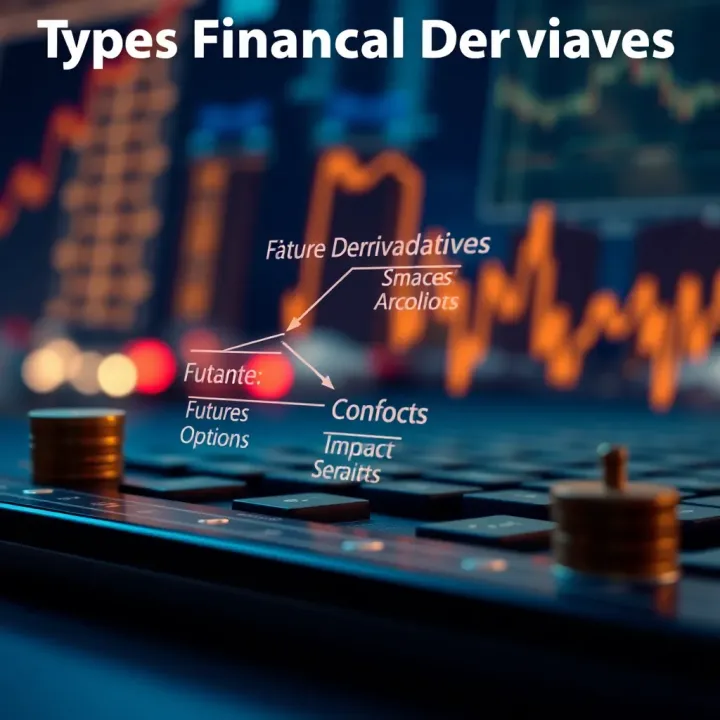
There are four main types of derivatives commonly used:
Futures: Standardised contracts to buy or sell an asset at a set price on a future date.
Options: Contracts granting the right, but not the obligation, to buy or sell an asset at a predetermined price.
Swaps: Agreements to exchange cash flows or financial instruments between parties, often used to manage interest rate or currency risks.
Forwards: Similar to futures but customised and traded over-the-counter (OTC).
Derivatives serve as tools that allow market participants to hedge risks, speculate on price changes, or gain access to assets or markets otherwise difficult to trade.
Additionally, Kenyan investors use derivatives in forex markets to manage currency risk, especially given the shilling’s fluctuations against major currencies like the dollar. Forex brokers and portfolio managers regularly apply derivatives to balance portfolios or capitalise on short-term market changes.
Regulation plays a significant role. The Capital Markets Authority (CMA) oversees derivative trading locally, ensuring that platforms and participants comply with clear rules to protect investors and market stability.
In practical terms, while derivatives offer opportunities, they come with risks. Lack of proper knowledge or excessive speculation can lead to significant losses, so thorough understanding and cautious use are vital.
In the next sections, we will explore how these derivatives function in detail, their varied applications, and how Kenyan market participants are utilising them today.
Derivatives are financial contracts whose value depends on the price of an underlying asset. Understanding derivatives is essential for traders, investors, and portfolio managers because they offer ways to manage risk, speculate, and improve investment strategies. For example, a farmer worried about fluctuating maize prices in Kenya might use a derivative to lock in a selling price ahead of harvest.
The word "derivative" comes from the idea that the value of these contracts is derived directly from another asset. It’s like a shadow following its object; the worth of the derivative moves with the underlying asset’s value. This origin clarifies why derivatives are fundamentally linked to other financial or real assets.
This connection is practical because it allows market participants to transact based on expectations about the underlying asset without owning it outright. It gives flexibility and opens avenues for managing future price risks.
A derivative’s payoff depends on the performance of the underlying asset, which could be stocks, commodities like tea or coffee, currencies such as the US dollar or euro, or even interest rates. For instance, a contract might grant the holder the right to buy shares at a fixed price within a specific period, allowing them to profit if the share price rises.
This relationship means derivatives can be tools to hedge against price changes or to speculate. In the Kenyan market, for example, importers might use currency derivatives to protect themselves from shilling fluctuations.
Derivatives are formal contracts between two or more parties specifying the terms of the agreement, including prices, dates, and obligations. This contractual feature ensures clarity over rights and responsibilities. For instance, a futures contract used by a tea exporter in Kericho would specify the price and delivery date, helping both buyer and seller plan accordingly.
Such contracts are legally binding, which means enforcement and compliance are critical. The Nairobi Securities Exchange (NSE) and other platforms provide frameworks to support these transactions.
The value of a derivative does not stand on its own but depends entirely on the underlying asset’s price movements. If the price goes up, the derivative’s value might increase or decrease depending on the contract’s nature. For instance, a call option becomes more valuable if the asset price rises above the strike price.
This dependence makes derivatives very sensitive to market changes, requiring users to monitor the underlying assets closely. It also shows why derivatives are useful for hedging; you can offset losses in the asset by gains in the derivative.
Derivatives often allow investors to control a large amount of the underlying asset with a relatively small upfront investment, which is leverage. This amplifies potential returns but also magnifies losses. For example, a trader using a small margin to buy futures contracts on coffee prices could face heavy losses if prices move against them.
While leverage is attractive for speculative gains, it demands careful risk management. Without it, one could easily face losses greater than the initial capital, especially in volatile markets like foreign exchange or commodities. Kenyan traders must thus understand leverage mechanisms thoroughly before engaging.
Remember: Derivatives can boost your trading strategies but carry risks if not used with proper knowledge and caution.
By grasping what derivatives are, how they function, and their main characteristics, investors in Kenya can better navigate both local and international markets, making more informed financial decisions.
Understanding the common types of derivatives is key to grasping how these financial tools work and their practical uses. These instruments often base their value on underlying assets like stocks, currencies, or commodities, offering different ways to manage risks or speculate on price movements. Knowing their distinct features and applications helps traders, investors, and analysts choose the right tools for their needs.
Forwards and futures contracts both commit buyers and sellers to trade an asset at a set price on a future date. The main difference lies in their trading venues and standardisation. Forwards are private agreements, customised between two parties, and typically traded over the counter (OTC). Futures, by contrast, are standardised contracts traded on organised exchanges. This standardisation means futures have fixed contract sizes and expiry dates, while forwards can be tailored to specific requirements.
Futures offer greater liquidity and lower counterparty risk as an exchange clearing house guarantees the contract. Forwards, however, can suit specific needs such as customised delivery dates or quantities, but they carry higher risk if one party defaults.
Farmers in Kenya often use forwards to lock in prices for maize or coffee before harvest, avoiding the uncertainty of fluctuating market rates. For instance, a coffee cooperative may agree to sell 10 tonnes at KSh 300 per kilogram for delivery in three months, protecting themselves from price drops.
Futures contracts suit traders and investors seeking to hedge or speculate on standardised assets. Nairobi Securities Exchange (NSE) has explored introducing futures, especially on key commodities or equities, to broaden market tools. Meanwhile, currency futures might help businesses manage foreign exchange exposure by locking rates in advance.
Options provide the right, but not the obligation, to buy or sell an asset at a predetermined price within a set period. Calls give the holder the option to buy, while puts allow selling. This flexibility makes options valuable for managing potential risks without locking into forced transactions.
For example, an exporter expecting dollar receipts may buy a put option to sell dollars at a fixed rate. If the shilling strengthens, reducing the value of dollars in KSh, the option limits the loss. If the opposite happens, the exporter can let the option expire and benefit from the better rate.
Swaps are agreements to exchange cash flows or liabilities between parties, often to manage interest rate or currency risks. A simple example is an interest rate swap where one party pays a fixed rate while receiving a floating rate, helping companies manage loan costs.
Kenyan companies with foreign currency loans might use currency swaps to convert repayments into shillings at agreed rates, easing exposure to forex volatility. Though not very common among retail investors, swaps play a vital role in corporate risk management and can be customised to suit specific financial needs.
Derivatives like forwards, futures, options, and swaps each have distinct roles in financial markets, helping Kenyan businesses and investors manage risks and explore opportunities effectively.
Derivatives play a key role in finance, especially for those looking to manage risks and build investment strategies. They offer tools that can help protect holdings from unexpected swings or seize opportunities for profit. Understanding these uses can help traders and investors make smarter decisions in Kenya’s dynamic markets.
Hedging is one of the primary reasons businesses and investors turn to derivatives. For example, a maize farmer in Rift Valley might enter a futures contract to sell a set amount of maize at a fixed price months ahead of harvest. This shields the farmer from sudden price drops caused by market oversupply or bad weather. Such contracts offer peace of mind by locking in prices, reducing uncertainty.
Similarly, companies that rely on imported goods often use currency futures or options to guard against the shilling’s volatility against the dollar. This way, they avoid unpredictable costs that could hurt their bottom line or disrupt operations.
Markets can be unpredictable, especially during election seasons or external shocks like rising fuel prices. Derivatives allow portfolio managers and traders to protect their investments during such times. For example, an investor holding shares in a company exposed to oil price fluctuations might use options to cap potential losses.
In Nairobi Securities Exchange (NSE), while derivatives trading is still growing, savvy investors are increasingly using these instruments to stabilise returns in a volatile environment. This approach helps them stay in the market without panicking during sudden dips.
Beyond protection, derivatives are tools for speculation and profit. Traders might buy call options if they expect stock prices to rise, aiming to benefit from gains with lower upfront investment. For instance, a forex trader might use currency options to speculate on the KSh/USD exchange rate, hoping to capitalise on anticipated shifts.
Derivatives often require less capital than buying the underlying asset outright, giving traders leverage to amplify gains. However, this same leverage can magnify losses, so it’s a double-edged sword.
Speculation with derivatives isn’t without risks. The highly leveraged nature means that even small market movements can lead to significant losses. This is why risk management becomes critical. Traders must set clear limits, understand contract terms, and keep a close eye on market developments.
Counterparty risk is another factor in over-the-counter derivatives, where the other party might default. In Kenya, the regulatory framework by the Capital Markets Authority (CMA) aims to reduce such risks by ensuring transparency and enforcement.
While derivatives offer powerful tools for both protection and profit, using them wisely requires clear understanding and discipline. They can enhance your financial toolkit but should never be taken lightly.
Understanding the practical uses of derivatives will help you better navigate Kenya's markets, whether you’re securing your business from price shocks or crafting savvy investment plays.
Derivatives have become an important part of Kenya's financial market, offering tools for managing risk and enhancing investment opportunities. Their relevance is growing as more investors and institutions seek ways to navigate volatile markets, hedge against currency fluctuations, and optimise capital use. Understanding how derivatives fit into the local market landscape helps traders, portfolio managers, and financial analysts make informed decisions.
The Nairobi Securities Exchange (NSE) is the primary platform where derivatives trading is developing in Kenya. While the market for derivatives here isn’t as mature as in global financial centres, the NSE has made progress in introducing futures contracts, particularly in agricultural commodities like maize and coffee. These contracts give farmers and traders a way to lock in prices ahead of harvest, reducing their exposure to market swings.
Alongside traditional exchanges, fintech platforms are slowly starting to offer derivative-like products, making it easier for individual investors to access these instruments. This gradual expansion has made derivatives more accessible beyond institutional investors, though liquidity and product variety remain limited.
In Kenya, the key derivative instruments include futures contracts and some options, usually based on agricultural products, foreign exchange (forex), and interest rates. For example, forex derivatives help importers and exporters hedge against currency movements between the Kenyan shilling and the US dollar or euro. Interest rate swaps are mostly used by corporations to manage loan costs tied to variable rates.
Though swaps and options exist, their use is mainly confined to larger companies and financial institutions due to complexity and higher entry requirements. Still, derivatives linked to agricultural commodities see relatively higher uptake among cooperatives looking to minimise losses during price downturns.
The Capital Markets Authority (CMA) oversees the regulation of derivatives within Kenya’s financial markets. Its role is to ensure transparency, fairness, and integrity in how derivative products are offered and traded. The CMA provides licences to exchanges and brokers dealing in derivatives and sets guidelines on disclosure and risk management.
This regulatory framework is key for maintaining investor confidence and attracting both local and foreign participation. For example, the CMA has been involved in approving new derivative products to widen market offerings while ensuring they meet safety standards.
Protecting investors, especially individual traders new to derivatives, is a priority for the CMA. The authority enforces rules that require clear information on product risks and discourages misleading promotions. This helps prevent excessive speculation that could threaten market stability.
Moreover, the CMA monitors activities to reduce counterparty risks and systemic failures. By doing so, it maintains the integrity of the financial system, which supports sustainable growth of derivatives trading. Investors can thus participate with some assurance that safeguards are in place against fraud or abrupt market disruptions.
Derivatives markets in Kenya are still developing, but regulatory oversight and expanding platforms are making them more practical for managing financial risks and investing strategically.
Understanding these elements helps Kenyan market players use derivatives more responsibly and effectively, improving risk management strategies and contributing to a more resilient financial environment.
Derivatives offer useful tools for managing financial risks, but they also carry significant risks of their own. Understanding these challenges is vital for traders, investors, and financial analysts to make informed decisions and avoid heavy losses. In Kenya’s growing financial market, being aware of these risks helps protect portfolios and ensure compliance with regulatory requirements.
Derivatives can amplify gains but also magnify losses, often beyond the initial investment. For instance, a trader who takes a position on currency futures expecting the Kenyan shilling to strengthen may face steep losses if the shilling weakens instead. This happens because many derivatives use leverage, allowing investors to control larger asset values with a smaller upfront margin. While this can boost profits, even small market moves against the position can trigger margin calls or force closed positions, increasing the risk of losing more than the invested capital.
In Kenya’s environment, where currency and commodity prices can be volatile due to factors like political events or weather changes, this risk becomes very real for both individual investors and companies hedging their exposure. Without proper risk controls or limits, traders might find themselves in unexpected financial trouble.
Counterparty risk means the other party in a derivative contract might fail to fulfil their obligations. For example, a Kenyan business using a forward contract to fix the price of imported raw materials relies on the counterparty honouring the agreement at delivery time. If the other side defaults, the business could incur losses or disruptions.
This risk is more acute in over-the-counter (OTC) derivatives, where contracts are private and not traded through formal exchanges. Without an intermediary, trust and financial strength of the counterparty become crucial. In Kenya, many derivatives are still traded OTC, especially foreign exchange swaps and forwards, meaning participants must carefully assess the counterparty’s creditworthiness to avoid nasty surprises.
Derivatives often involve complex terms and valuation methods that require sound knowledge to navigate. A simple options contract has many variables — strike price, expiry, volatility, and the underlying asset’s movement — which impact pricing and risks differently.
For example, an investor unfamiliar with these concepts might misinterpret an option’s potential or fail to check the timing risk before expiry. This lack of understanding can lead to poor trades that result in losses rather than the intended protection or gains. Kenyan investors should seek proper education or advice when entering derivative markets, particularly given varying financial literacy levels.
Aside from complexity, small investors in Kenya face high entry costs and limited access to derivative products. Trading often requires a substantial margin, and the platforms facilitating these markets may not be widely available or affordable outside Nairobi and other major cities.
Additionally, regulatory requirements and documentation for participation in derivatives trading can pose hurdles, thereby restricting the market to larger firms or seasoned traders. This limits opportunities for smaller investors or SMEs to benefit from derivatives for hedging or investment. Developing affordable, accessible platforms and training will be key to broadening participation in Kenya’s derivatives market.
Understanding these risks and challenges is essential before engaging with derivatives. Proper education, prudent risk management, and choosing regulated trading venues can help navigate pitfalls while harnessing the benefits derivatives offer.
Derivatives play a significant role in Kenya's economy, offering practical tools to manage financial risks in sectors like agriculture and corporate trade. Understanding how these contracts work in real-life situations helps investors, traders, and businesses make informed decisions with less guesswork. Below, we look at how derivatives support key industries in the country.
Farmers face constant uncertainty with commodity prices, which can swing wildly due to weather, global supply, or local demand. Derivatives help protect against this unpredictability by allowing farmers and agribusinesses to lock in prices ahead of harvest or sale. For example, a maize farmer may enter a forward contract to sell their produce at a set price months before the crop is ready. This secures income and shields against price drops that could otherwise hurt livelihoods.
Cooperatives, which bring smallholder farmers together, also benefit from using derivative contracts. By pooling produce, they gain stronger negotiation power for futures contracts on exchanges or with buyers. This approach spreads risk among members and helps maintain stable revenues despite market volatility. For instance, a coffee cooperative in Murang'a might use futures contracts traded on local or regional platforms to secure prices for their beans before the harvest season.
Businesses involved in import and export must deal with foreign exchange risks since currency values fluctuate regularly. Foreign exchange derivatives allow companies to hedge these risks by fixing exchange rates for future payments. A Kenyan exporter receiving dollars can use a forward contract to lock in the shilling value they will get, avoiding losses if the shilling weakens.
Interest rate swaps are another important derivative widely used by Kenyan companies to manage loan costs. When a firm has a variable-rate loan but expects rates to rise, it can enter a swap to pay a fixed rate instead. This strategy stabilises financing costs and makes budgeting easier. For example, a Nairobi-based manufacturer with a variable-rate facility from a local bank might swap to fixed rates, protecting against hikes triggered by CBK policy changes.
Practical use of derivatives in Kenya's agriculture and corporate sectors shows how these instruments go beyond theory — they provide genuine financial safety nets. Understanding these real applications helps investors and financial managers assess opportunities and challenges better while navigating local markets.
Agricultural hedging:
Protects income against commodity price swings
Empowers farmers and cooperatives through contracts
Corporate management:
Mitigates foreign exchange losses in trade
Controls interest costs on loans with swaps
By looking at these specific cases, traders and portfolio managers can better grasp the tangible advantages of derivatives and their role in Kenya’s financial ecosystem.
Understanding the future outlook for derivatives in Kenya is essential for traders, investors, and financial analysts aiming to navigate the evolving market landscape. As technology advances and regulatory frameworks adapt, the way derivatives operate will shift, offering new opportunities and challenges within the local financial scene.
Online trading platforms have started transforming how Kenyans participate in derivatives markets. These platforms make it possible to trade forwards, futures, and options without being physically present at a stock exchange or brokerage firm. For example, the Nairobi Securities Exchange (NSE) is gradually integrating electronic systems to allow quicker execution and settlement of trades. This development reduces the costs associated with dealing through traditional brokers and widens participation beyond Nairobi to other towns in Kenya.
Such platforms also provide real-time price tracking and analytics tools, helping traders respond quickly to market changes. For instance, a forex broker in Mombasa can now monitor currency derivatives linked to the shilling against the dollar or euro instantly on their mobile device. This enhances decision-making and helps manage risks more effectively.
Fintech’s role in expanding access cannot be overstated. Kenya’s fintech sector, known for innovations like M-Pesa, is now branching into derivatives trading support with services that simplify payments and settlements. Fintech firms are developing user-friendly apps that let users open accounts, fund them via mobile money, and start trading with lower capital requirements.
Besides easing access, fintech services often offer educational resources to help new investors understand derivatives. This is especially important because derivatives can be complex for beginners. With fintech’s involvement, rural investors and those in lower-income brackets gain a chance to engage in derivative markets, spreading risk management tools beyond traditional urban centres.
Enhancing transparency in derivatives trading is a priority for Kenyan regulators. The Capital Markets Authority (CMA) is expected to push for clearer disclosure requirements around derivative contracts. Transparent processes help prevent disputes over contract terms and reduce the risk of hidden fees or manipulative practices.
Improved transparency also supports investor confidence. When brokers and platforms reveal full pricing details and risks upfront, traders can make informed choices. This directly affects the derivatives market’s stability, as trust encourages sustained participation and liquidity.
Balancing growth with market safety remains a delicate task for regulators. Encouraging more derivative products and market participants fuels economic growth and diversification of investment options. However, it also raises concerns about excessive speculation and potential systemic risks.
CMA and other bodies are likely to introduce rules limiting the leverage ratio on some derivative contracts and require more rigorous counterparty checks. These steps aim to curb risky behaviour without stifling innovation. For example, requiring daily margin settlements can reduce chances of default, protecting both investors and financial institutions.
Strong regulation paired with technological progress can make Kenya’s derivatives market both vibrant and safe, benefiting everyone involved.
The coming years will be pivotal as Kenya embraces digital tools and tightens oversight, opening new doors for savvy traders while protecting them from pitfalls. Keeping an eye on these developments will help market players make sound choices and capitalise on emerging trends.
🤖 Discover the types of bots, how they work, and their impact on business and daily life in Kenya. Explore uses, risks, and ethical questions surrounding bots.
Explore detailed derivatives trading strategies tailored for Kenyan traders 📈. Learn risk management and key tactics with a handy PDF guide for easy learning 📘.
📈 Learn how derivative trading works in Kenya—covering types, benefits, risks, and local rules. Expand your investment tools today! 🇰🇪
Learn how Deriv MPesa works in Kenya 🇰🇪, combining trading with mobile payments 📱. Get tips on setup, security 🔒, and common issues solved.
Based on 7 reviews