

Understanding Forex Trading for Kenyan Traders
📈 Learn how to trade forex in Kenya with practical tips, risks, rewards, regulation insights, and tech tools to help you make informed currency trades effectively.
Edited By
Thomas Gray
Forex trading has become increasingly popular in Kenya as more people look for ways to diversify their investments and earn extra income. In simple terms, forex trading is the buying and selling of different currencies with the goal of making a profit from fluctuations in exchange rates. The forex market operates 24 hours a day, five days a week, providing ample opportunities for traders across Kenya to participate regardless of their schedule.
Hot Forex Kenya stands out as a well-known platform offering access to the global forex market. It provides intuitive trading tools, competitive spreads, and convenient payment methods tailored for Kenyan traders, such as deposits and withdrawals via M-Pesa and local bank transfers. This makes it easier for traders from Nairobi, Mombasa, and Kisumu to get started without fuss.
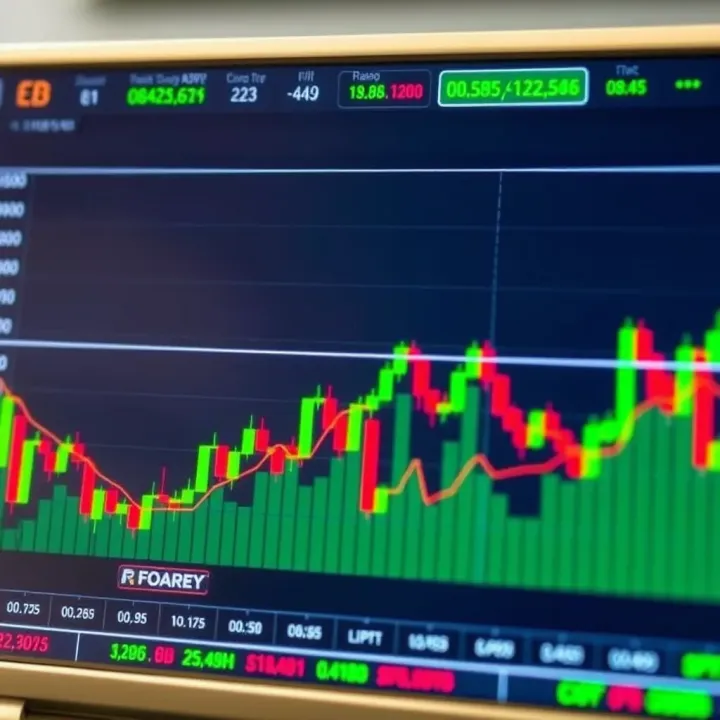
Understanding how Hot Forex Kenya works is essential before committing real money. The platform allows traders to open accounts with varying sizes to suit beginners or advanced investors. It offers real-time price charts, indicators, and educational resources to help users make informed decisions. Furthermore, Hot Forex Kenya complies with relevant regulations, ensuring some level of security for funds and transactions.
A key point for any trader is to understand the risks involved. Forex trading is not a guaranteed way to make money and can lead to losses if done without solid knowledge and strategy.
To get started with forex trading in Kenya, one typically needs to complete a simple account registration on the Hot Forex platform, verify identification, and fund the account using local payment options. From there, they can choose currency pairs to trade, monitor market movements, and execute buy or sell orders.
Kenyan traders interested in forex should also pay attention to factors such as market volatility, leverage options, and how global economic events influence currency prices. With this understanding, they can develop practical strategies that suit their risk tolerance and financial goals.
In the following sections, this article will break down how Hot Forex Kenya operates, what you should watch out for with regulations and risks, and share tips to confidently navigate forex trading in Kenya’s growing financial market.
Understanding forex trading is essential for anyone looking to engage in Kenya’s fast-growing financial market. Forex trading, or foreign exchange trading, involves buying and selling currencies to profit from changes in exchange rates. For Kenyan traders, this activity offers a unique chance to tap into the global currency market, which runs 24 hours and provides flexibility beyond traditional investments.
Grasping forex basics empowers you to make informed decisions, manage risks, and identify genuine trading opportunities. For instance, knowing how the US dollar (USD) or euro (EUR) moves against the Kenyan shilling (KES) can help traders anticipate market shifts influenced by both global events and local economic news.
Forex trading centres on exchanging one currency for another, such as converting Kenyan shillings into US dollars or Japanese yen. The goal is to capitalise on fluctuations in the exchange rate. For example, if you buy USD when it’s cheaper and later sell when it strengthens against the KES, you make a profit. This dynamic market is driven by factors like economic reports, political developments, and interest rate changes.
On a practical level, individuals and businesses use forex trading to hedge against currency risks or to speculate for profits. For Kenyan exporters or importers, understanding forex means better managing costs and revenues when dealing with foreign partners.
Forex is a decentralised market with a diverse range of players including banks, financial institutions, corporations, governments, and retail traders. Each participant has different motives—some aim to hedge risks, others to invest or speculate.
The market operates continuously from Sunday evening to Friday evening Nairobi time due to its presence across global financial centres like London, New York, Tokyo, and Sydney. This 24-hour cycle lets Kenyan traders engage at convenient times, whether before work, during breaks, or late at night, offering accessibility difficult to find in other investment types.
Forex trading has gained traction in Kenya due to its low entry barriers and the chance for quick returns. With smartphones and platforms such as Hot Forex, many Kenyans, including youths and small-scale investors, access global markets directly from Mombasa to Eldoret.
Economic pressures and inflation encourage people to seek supplemental income streams, and forex allows them to do so without needing large capital upfront. Also, the affordable data bundles and M-Pesa’s seamless payment system make fund transfers and account funding convenient and secure.
Most Kenyan traders adopt methods like day trading, where positions open and close within a single day to avoid overnight risks. Others use swing trading, holding for several days, trying to catch medium-term trends. Technical analysis tools—charts, indicators, and signals—are popular as they provide tangible entry and exit points.
Social trading has also become common, with beginners learning from experienced traders through online communities and copying their trades. This peer learning fits Kenya’s community-oriented culture and helps manage the steep learning curve that forex can present.
Forex trading in Kenya is not just about markets—it’s about real people using technology to access global opportunities affordably and responsibly.
Understanding Hot Forex as a trading platform is key for any Kenyan trader looking to enter the forex market. It’s not just about placing trades but also about knowing the tools and services that can give you an edge. This section breaks down Hot Forex’s background, what it offers, and how it supports traders in Kenya.

Hot Forex started operations in 2010 and has since grown into a notable name in online forex trading. Founded with the goal of providing accessible trading services, it quickly established trust through transparent practices and competitive spreads. This foundation is important because a broker’s track record can hint at reliability and long-term service stability — essential for safeguarding your trading capital.
The company operates globally, serving clients across multiple continents including Africa, Asia, and Europe. Its wide reach means it supports diverse markets and remains up-to-date with international forex trends. This global presence also ensures that Hot Forex constantly updates its technology and offerings, which benefits Kenyan traders by accessing robust tools and competitive trading conditions.
Hot Forex offers a variety of account types tailored to different trading styles and experience levels. For instance, the Micro account lets newcomers start with low capital, while the Zero Spread account targets traders wanting tighter spreads and faster execution. Such flexibility means you can pick an account that suits your risk tolerance and trading goals without overcommitting funds before getting comfortable.
Regarding trading instruments, Hot Forex covers over 30 currency pairs, commodities like gold and oil, indices, and even cryptocurrencies. This wide range lets you diversify your portfolio easily, a practical benefit when local economic events affect some markets stronger than others. For example, during times of shilling volatility, you might switch to trading commodities or indices to balance your risks.
Technology-wise, Hot Forex supports both the popular MetaTrader 4 and MetaTrader 5 platforms, known for their reliability and user-friendly interfaces. The mobile apps allow traders in Nairobi or Mombasa to place trades, check updates, and manage risk on the move, fitting well with busy lifestyles. Having smooth mobile trading options means you won’t miss key market moves just because you’re away from your desktop.
Hot Forex understands that localised customer service is not a luxury but a necessity. The company has tailored support services to the Kenyan market with dedicated teams that understand regional trading conditions, local payment methods like M-Pesa, and practical challenges Kenyan traders face.
As for communication channels, Hot Forex offers multiple options. You can reach support through local telephone lines, email, and live chat, which are essential to solve issues quickly. For instance, if deposit delays occur due to banking systems or M-Pesa, prompt support can make a big difference in getting you back into the market swiftly.
For Kenyan traders, choosing a platform like Hot Forex that combines global experience with local support creates a smoother, safer trading environment that respects your time and investment.
Overall, knowing what Hot Forex offers and how it works in the Kenyan context helps traders make informed decisions rather than jumping into the market blindly.
Forex trading in Kenya operates under a set of rules and regulations designed to protect traders and maintain market integrity. Understanding this regulatory framework is essential for anyone looking to trade forex, as it defines the boundaries within which brokers and traders must operate. The framework also helps curb fraudulent activities and ensures that platforms like Hot Forex comply with Kenyan financial laws.
The Capital Markets Authority (CMA) is the main regulatory body overseeing forex trading in Kenya. Its licensing requirements provide a legal seal of approval for brokers operating within the country. To gain a CMA licence, brokers must meet strict conditions, including having adequate capital, transparent business practices, and robust client fund protection mechanisms. For Kenyan traders, a CMA licence means the broker operates under local laws and with a degree of oversight.
In addition to licensing, the CMA enforces protection measures for traders. This includes requiring brokers to keep client funds in separate accounts and mandating clear disclosure of trading risks and costs. Should disputes arise, CMA-licensed brokers submit to the authority's mediation process. These safeguards help protect investors from losing their deposits unfairly and offer a legal avenue for resolving complaints.
Hot Forex complies with Kenyan regulations by maintaining CMA licensing and following required operational standards. The platform ensures client funds are segregated, uses encrypted technology to protect user data, and provides transparent transaction records. This compliance reassures Kenyan traders that their investments are managed responsibly and that the broker is accountable to a trusted regulator.
On the other hand, trading on unregulated platforms exposes traders to significant risks. Without CMA oversight, these platforms might operate without safeguarding client funds or transparent business models, increasing the chances of scams or financial loss. Traders using unregulated brokers may find no legal recourse if the broker disappears or manipulates prices unfairly.
Choosing a broker licensed by the CMA is a practical step Kenyan traders can take to improve the safety and reliability of their forex trading.
In summary, the regulatory framework set by the CMA underpins a safer trading environment in Kenya. It ensures platforms like Hot Forex meet standards that offer protection and recourse, while also warning traders against risky dealings with unregulated operators.
Getting started with Hot Forex in Kenya is straightforward but requires careful steps to ensure your account is set up correctly and funds are secure. This section guides you through key steps: registering an account, providing necessary documents, funding your trading wallet, and placing your first trade. Understanding these processes helps you smoothly enter the forex market using a trusted platform.
Creating a Hot Forex account begins with filling an online registration form on their website or mobile app. You’ll provide basic details such as full name, email address, phone number, and country of residence. Once submitted, you receive a confirmation link—clicking it activates your account. The process takes just a few minutes and is designed to be user-friendly even for first-time traders.
Before trading, Hot Forex requires identity verification to comply with Kenya’s Capital Markets Authority (CMA) rules. You must upload official documents such as a national ID card or passport and a recent utility bill or bank statement not older than three months. These documents confirm your identity and residence, reducing fraud risks and protecting your funds. This step typically takes a day or two for approval, so it's best to prepare scanned copies in advance.
Hot Forex offers multiple ways to fund your account. For Kenyan traders, M-Pesa is a popular option due to its convenience and ubiquity. You can also use bank wire transfer, credit/debit cards, or online wallets depending on your preference. Deposits usually reflect instantly or within a few hours, allowing you to start trading without delay.
While deposits via M-Pesa or cards are mostly instant, withdrawals may take one to three working days depending on the method chosen. Hot Forex typically does not charge withdrawal fees, but do check with your payment provider for any local charges. Knowing these timelines helps you manage your cash flow well, especially if you plan to move profits back to your Kenyan bank or mobile wallet.
Once your account is funded, placing trades on Hot Forex is next. Common order types include market orders, where you buy or sell immediately at the current price, and pending orders such as limit or stop orders that execute when prices reach specific levels. For example, a pending buy limit order could help you enter the market when the currency pair dips to a favourable price.
Hot Forex supplies several tools to aid your decision making. These include live charts with technical indicators, economic calendars, and daily market analysis reports. Using such features can help you spot trends and potential entry or exit points. For instance, the RSI (Relative Strength Index) indicator might show overbought conditions, signalling time to sell. Leveraging these resources lets you trade more confidently and informed.
Starting well on Hot Forex requires careful registration, proper funding, and familiarising yourself with order types and tools. These steps build a strong foundation for successful forex trading in Kenya.
Understanding the risks involved in forex trading is key for any Kenyan trader. While the market offers many opportunities, it's not without pitfalls that can hit your investment hard. Managing these risks, staying educated, and choosing the right platform can make a big difference between success and loss.
Market volatility refers to the frequent and sometimes sharp price swings in the forex market. This happens because currency values respond to news, economic data, political developments, or even natural disasters. For example, Kenyan shilling pairs can fluctuate after key economic announcements from the Central Bank of Kenya or global events affecting the US dollar.
Volatility means that while profits can be made quickly, losses can happen just as fast. This reality makes it important for traders in Kenya to watch market news closely and avoid trades based on guesswork or hype.
Leverage dangers are a major concern in forex trading. Most brokers, including Hot Forex, offer leverage to magnify your trading capacity beyond the capital you actually hold. For instance, with 100:1 leverage, KSh 1,000 in your account could control KSh 100,000 worth of currency.
While this sounds great, leverage works like a double-edged sword. It can boost profits but also amplify losses, sometimes wiping out your entire trading account quickly if trades go against you. Many beginners dive into high leverage without understanding how risky it is.
Good risk management strategies can protect you from heavy losses. One simple but effective approach is setting stop-loss orders, which automatically close a position once it hits a certain loss level. This limits how much you stand to lose in volatile markets.
Also, avoid putting all your funds into one trade or one currency. Diversifying trades and only risking a small portion of your account balance per trade helps keep losses manageable.
Aside from technical tools, education and continuous learning are your best allies. Forex markets constantly change, so staying informed through courses, webinars, or following trusted financial news is vital. For instance, understanding how Kenya’s economic indicators like inflation or interest rates impact the shilling helps you make better trading decisions.
Learning to read charts and use analysis tools available on Hot Forex also sharpens your trading edge. Think of education as your daily grind, just like a hustler refining skills to survive and thrive.
Picking a trustworthy broker is a step many new Kenyan traders overlook. Reliable brokers have proper licensing – in Kenya, this means being recognized by the Capital Markets Authority (CMA) or complying with international standards. Hot Forex, for example, is known for transparency, regulated status, and decent customer support.
Trustworthy platforms offer clear terms about fees, spreads, leverage limits, and withdrawal processes. They should also provide educational materials and responsive local support, possibly with payment options like M-Pesa that Kenyans find convenient.
Red flags indicating scams include promises of guaranteed high returns, pressure to deposit more money quickly, or unverifiable company information. Suspicious platforms might also delay withdrawals or have poor communication channels. Kenyan traders must be extra cautious, especially with offshore brokers lacking clear regulation.
Remember, your trading platform is not just a tool but your partner in the market. Choose wisely to protect your capital and trading future.
By understanding these risks and applying practical tips, Kenyan forex traders can improve their chances of success while keeping their investments safe.
📈 Learn how to trade forex in Kenya with practical tips, risks, rewards, regulation insights, and tech tools to help you make informed currency trades effectively.
📘 Learn forex trading basics and smart strategies tailored for Kenya. Use PDF guides to master local regulations and trade confidently with practical tips.
📈 Learn how to start forex trading in Kenya with practical tips on the market, keys to currency pricing, popular platforms, managing risks, and local legal guidelines.
📈 Learn how to start forex trading in Kenya with practical tips on choosing platforms, understanding basics, managing risk, and using M-Pesa safely for your trades.
Based on 8 reviews