

Online Trading Platforms Guide for Kenyan Investors
🌍 Discover how online trading platforms work and find the best fit for Kenyan investors. Learn key features, security tips, and tools to trade confidently with M-Pesa and local services.
Edited By
Henry Wilson
Online trading in Kenya has become an accessible way for many to invest their money and grow their wealth. Whether you are interested in stocks listed on the Nairobi Securities Exchange (NSE), forex trading, or commodities, understanding the basics is essential before risking your hard-earned cash.
At its core, online trading means buying and selling financial assets using the internet rather than visiting physical brokers or trading floors. The convenience allows you to access markets anytime, from anywhere, provided you have a reliable internet connection and a device such as a smartphone or laptop.

Starting out, the first step is to choose a reputable trading platform. In Kenya, popular options include EABL Securities, CMA-regulated brokerage firms like Nairobi Securities Exchange-listed firms, and international platforms like eToro or Plus500 that accept Kenyan clients. Ensure the platform offers transparent fees, is licensed by the Capital Markets Authority (CMA), and supports M-Pesa payments for deposits and withdrawals. Avoid platforms promising quick riches or high leverage without clear risk disclosures.
Next, it is critical to open a trading account and complete the required Know Your Customer (KYC) procedures. This usually involves submitting identification and proof of residence. Once your account is live, funding through M-Pesa or bank transfers allows you to begin.
Successful trading relies on knowledge and strategy. Beginners should start with:
Research: Follow Kenya’s economic news, NSE announcements, and forex trends relevant to Kenyan Shilling (KSh) pairs.
Education: Use free online materials, webinars, or training from licensed brokers to understand market orders, technical analysis, and risk management.
Practice: Most platforms offer demo accounts where you trade with virtual money to build skills without financial risk.
"Never risk more than you can afford to lose." This Kenyan trading proverb underscores the importance of disciplined capital management.
Lastly, be aware of risks including market volatility, scams, and technical glitches. Always validate information from trusted sources like CMA Kenya or Central Bank of Kenya before making decisions.
Getting started in online trading in Kenya is simpler than many think, but it requires a blend of practical choices, ongoing learning, and patience. With the right approach, you can navigate this space confidently and contribute to your financial goals.
Online trading has become a common way for many Kenyans to participate in financial markets without needing to visit physical brokers or stock exchanges. Understanding what online trading involves and why it appeals to local traders helps you decide if it fits your financial goals and lifestyle.
Online trading is the buying and selling of financial assets through internet-based platforms. Unlike traditional trading that required going through brokers in offices, online trading lets individuals access markets directly from their phones or computers. For instance, a Nairobi-based investor can trade NSE stocks or forex markets from the comfort of home as long as there is reliable internet.
Three main markets dominate online trading:
Stocks: Shares of Kenyan firms like Safaricom or KCB listed on the Nairobi Securities Exchange (NSE). Buying stocks means owning part of a company and potentially earning dividends.
Forex: Currency trading involves pairs like the US dollar against the Kenyan shilling. Forex markets operate 24/7 and attract many due to their liquidity and high volume.
Commodities: Includes trading gold, oil, or agricultural products. For example, Kenyan traders might watch global gold prices or oil futures, influencing local fuel costs.
Kenya's widespread mobile penetration and affordable internet have made online trading very accessible. Many people already use smartphones and mobile money services like M-Pesa, which simplifies funding trading accounts. Say you are in Kisumu but want to buy NSE shares; you can easily set up your account online and use your phone to trade whenever suits you.
With unpredictable job markets, Kenyans seek extra income streams. Online trading offers a chance to earn from market movements without quitting regular jobs. While it requires discipline and learning to avoid losses, some traders earn consistent profits that help cover bills or school fees.
More Kenyans trust digital solutions for banking, shopping, and now investment. Platforms like Sense Markets Kenya and local brokerages have boosted confidence by providing user-friendly interfaces and educational content. Combined with government efforts towards digital financial inclusion, the trading community keeps expanding, creating support networks and local forums for sharing insights.
Online trading is no longer just for the wealthy or financial experts. Thanks to technology and digital finance growth in Kenya, everyday people can participate in markets and build wealth alongside other financial activities.
By understanding online trading basics and the reasons many Kenyans engage with it, you can better prepare for your trading journey, aligning it with your goals and resources.
Diving into online trading without a clear plan can lead to losses and disappointment. Following specific steps helps protect your money and build confidence. Kenyan traders benefit from understanding how to pick a trusted platform, set up accounts correctly, and learn before risking real cash. This approach reduces mistakes and keeps trading experiences positive.
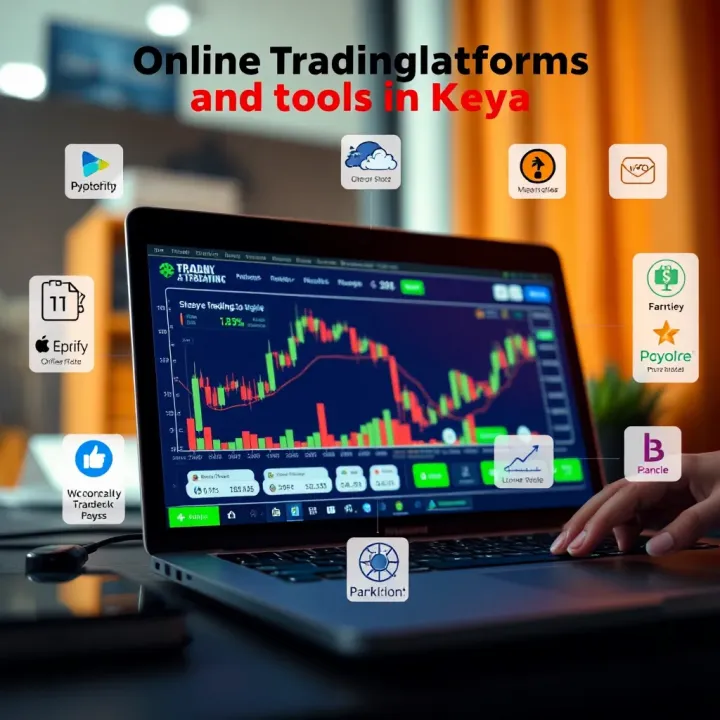
The trading platform is your gateway to markets, so choose carefully. Look for platforms licensed by recognised bodies like the Capital Markets Authority (CMA) in Kenya. Check their reputation through user reviews and reports of any scam or downtime issues. Platforms offering transparent fees, easy navigation, and fast execution times suit beginners more.
Some popular trading platforms Kenyans use include AvaTrade, Exness, and IQ Option. These platforms support M-Pesa payments and provide access to stocks, forex, and commodities. For instance, AvaTrade is known for its simple interface and comprehensive educational tools, while Exness is praised for its low spreads suitable for forex traders. Using platforms that support local payment options helps avoid delays when depositing or withdrawing money.
To open an account, you'll usually need identification documents like your national ID or passport, proof of residence (a recent utility bill), and sometimes a bank statement. These support the Know Your Customer (KYC) process, which ensures the platform complies with Kenyan and international regulations to reduce fraud. Expect to verify your identity within a few days.
Linking payment methods like M-Pesa to your trading account is often straightforward but important. M-Pesa is widely trusted and widespread, so many platforms use it for quick deposits and withdrawals. Make sure your M-Pesa account name matches your trading profile to avoid transaction rejections. Additionally, some platforms allow bank transfers or card payments, but M-Pesa remains the easiest for most Kenyans.
Demo accounts are free tools that let you trade using virtual funds in real market conditions. This helps you understand platform features, test different strategies, and get a feel for market swings without risking a shilling. Practising with a demo prevents costly beginner mistakes.
Besides demos, many platforms and local financial education websites offer tutorials, webinars, and forums. Engaging with these resources builds knowledge on trading strategies, risk controls, and market news. For example, the CMA hosts seminars and publishes guides regularly. Taking time to learn reduces emotional errors and improves your chances of steady gains.
Starting cautiously, using reliable platforms, setting accounts properly, and practising before investing ensures safer trading and builds solid experience among Kenyan beginners.
Understanding core trading strategies helps beginners build a solid foundation before risking real money. These strategies guide decisions, manage risks, and improve the chances of consistent gains. Without a clear approach, many new traders jump into markets without direction, leading to losses.
Day trading involves buying and selling assets within the same day to capitalise on short-term price changes. For example, a forex trader might buy US dollar against the Kenyan shilling early morning, then sell by afternoon if the rates move favorably. It requires close monitoring and quick decisions. On the other hand, long-term investing means holding assets for months or years, hoping they appreciate over time. A Kenyan investor might buy shares in Safaricom and hold for years to earn dividends and capital gains. Both strategies suit different profiles — day trading suits those with time and risk appetite, while long-term investing is for patience and steady growth.
Reading market trends means spotting whether asset prices are generally moving up, down, or sideways over time. For instance, during festive seasons in Kenya, consumer stocks may rise due to increased buying. Basic analysis uses charts and news to identify these patterns. Fundamental analysis looks at economic factors, like CBK interest rates or company earnings. Technical analysis focuses on price charts and indicators to forecast moves. Learning these helps traders decide when to buy or sell, reducing guesswork.
Stop-loss orders automatically sell an asset if the price drops to a set level, limiting potential losses. For example, if you buy a stock at KSh 100 and set a stop-loss at KSh 90, the system sells it if the price hits KSh 90, protecting your capital. Take-profit orders work the same way but lock in gains when price hits your target. These tools help Kenyan traders avoid emotional decisions like holding losing positions too long or exiting winners too early.
Diversification means spreading investments across different assets or markets to reduce risk. Instead of putting all KSh 100,000 into one stock, a trader might split it among stocks, forex pairs, and commodities like gold. If one market dips, others might hold steady or rise. For example, when agricultural commodity prices fall during drought, a diversified portfolio including equities or forex can cushion losses. This approach is a safety net for new Kenyan traders facing unpredictable markets.
A well-planned strategy combined with solid risk management can make online trading less daunting and more rewarding in Kenya’s vibrant financial markets.
Navigating the world of online trading without falling into common traps is vital, especially for beginners in Kenya. Many new traders lose money not because the market is unforgiving, but due to avoidable mistakes like trusting the wrong platforms or acting impulsively. Recognising these pitfalls early helps protect your investment and builds a foundation for sustainable trading.
Fraudsters often lure traders with promises of unusually high returns with little or no risk, which should immediately raise suspicion. If someone guarantees you consistent profits, asks for hefty upfront fees, or pressures you to invest fast, these are clear red flags. For example, fraudulent schemes may use professional-looking websites and aggressive marketing on social media, but often lack transparent information about where and how the money is invested.
One practical approach is to question offers that seem "too good to be true". Legitimate trading involves risk; no one can promise you ‘sure wins’. Absence of clear terms, vague explanations, or restricted access to your funds should make you pause and reconsider.
In Kenya, trustworthy brokers or trading platforms should have licences from recognised regulators like the Capital Markets Authority (CMA). Checking a broker’s regulatory status is a straightforward step to avoid scams. You can verify licences through the CMA website or contact their offices directly.
Licensed platforms must comply with certain rules aimed at protecting investors, such as segregation of client funds and transparent reporting. Deals with unlicensed platforms not only increase your risk of losing money but also limit your legal options if the company disappears. Always insist on seeing valid licence numbers and documentation before committing your funds.
Emotions like fear or greed often drive bad decisions in trading. For instance, seeing a sudden market rise might tempt you to jump in without research, or a drop might scare you into rashly selling. Such impulsive moves can quickly wipe out gains or worsen losses.
To counter this, adopt the habit of stepping back before making trades. Allow yourself time to analyse market conditions objectively rather than reacting to every price movement. Writing down your reasons for each trade can also help curb emotional impulses and keep your focus on strategy.
Successful trading requires a clear plan outlining your entry, exit, and risk management rules. Once you set these, follow them strictly—even when temptation or pressure builds to stray. Discipline prevents chasing losses or abandoning a sound strategy because of short-term setbacks.
For example, if you decide to risk just 2% of your capital on a trade, stick to that limit no matter what. Similarly, place stop-loss orders to control potential losses and never remove them impulsively. Over time, this discipline breeds consistency, helping you build confidence and navigate the market with clearer judgement.
Staying alert to scams and controlling emotional impulses are as crucial as market knowledge. Avoiding common pitfalls protects your capital and strengthens your trading journey in Kenya’s dynamic online markets.
Navigating online trading effectively depends heavily on the right tools and resources. These help you access real-time market information, analyse trends, and make informed decisions. In Kenya, where internet access can vary and mobile platforms dominate, choosing the right apps and learning platforms makes a big difference in how quickly and safely you grow as a trader.
Trusted mobile apps provide immediate access to live prices and market news, which is essential for online trading. For example, platforms like MetaTrader 4 or 5 offer fast, real-time data for forex and stocks, while Safaricom’s M-Pesa integration helps you fund accounts or withdraw gains smoothly. Having live updates prevents delays that can result in losses due to price slippage or missed trade opportunities.
In a busy Kenyan market influenced by global and local events, apps must ensure accurate quotes and notifications. This way, traders won't miss sudden price changes triggered by central bank meetings, political developments, or commodity price shifts like oil or tea. Reliable software reduces guesswork and helps you react quickly.
Several apps now include features tailored to Kenyan needs. For instance, M-Pesa payment options are integrated into popular trading apps branded for Kenya, enabling easy deposits and withdrawals without bank visits. Some apps support Swahili language options or have customer service teams familiar with Kenyan regulations, which adds convenience and trust.
Another relevant feature is offline mode or data-saving options. Since mobile data can be costly or patchy, especially outside Nairobi, apps that allow you to download charts or set alerts ahead of time prove practical. This helps traders stay updated even when on matatu rides or in areas with unstable networks.
Kenyan traders benefit a lot from active online communities. Platforms like KenyaInvestments or the Nairobi Securities Exchange website offer market insights and updates tailored to local conditions. Forums and Facebook groups centred around trading allow beginners and experienced traders to share tips, ask questions, and discuss trends affecting the Kenyan market.
Such communities expose you to different perspectives and warn against scams prevalent in online trading, which helps keep losses minimal. Participating regularly encourages discipline and builds networks that can lead to partnerships or mentorship opportunities.
Many organisations, including CMA (Capital Markets Authority) and private firms, organise seminars and webinars that address the reality of trading in Kenya. These sessions teach regulations, local tax implications, and practical strategies relevant to markets listed on NSE or forex pairs popular among Kenyans.
Besides physical seminars, online courses on platforms like Udemy or Coursera sometimes feature content relevant to Kenyan traders when taught by local experts or featuring region-specific case studies. These resources help deepen your understanding and increase confidence before risking real money.
Accessing the right tools and communities can be the difference between slow progress and rapid development in your trading career. Always prioritize platforms and learning resources that suit your unique Kenyan context to maximise gains and minimise risks.
🌍 Discover how online trading platforms work and find the best fit for Kenyan investors. Learn key features, security tips, and tools to trade confidently with M-Pesa and local services.

📈 Learn how to start forex trading in Kenya with practical tips on choosing platforms, understanding basics, managing risk, and using M-Pesa safely for your trades.

📈 Learn how to trade forex online in Kenya with practical tips, local payment options like M-Pesa, market hours, risk management, and choosing the best platform.

Explore deriv trading in Kenya 📈: Learn types, strategies, risks & how to start safely with trusted platforms like Deriv. Ideal for beginners & pros!
Based on 7 reviews