

How to Trade Cryptocurrency in Kenya Safely
Learn how to trade cryptocurrency in Kenya using M-Pesa and local platforms. Get tips on safe trading, legal practices, risk management, and boosting your profits 📈💰
Edited By
Henry Dawson
Living sustainably means using resources wisely so that they last longer and reduce harm to the environment. In Kenya, adopting simple yet effective practices can help minimise waste and protect our natural surroundings. The Five Rs—Refuse, Reduce, Reuse, Repurpose, and Recycle—offer such a framework that anyone from household consumers to business owners can apply.
This approach goes beyond just throwing rubbish in the bin. It encourages thoughtful decisions about what we consume and how we manage waste. For traders and investors interested in the growing green economy, understanding these principles can highlight sustainable business opportunities and responsible investment trends.
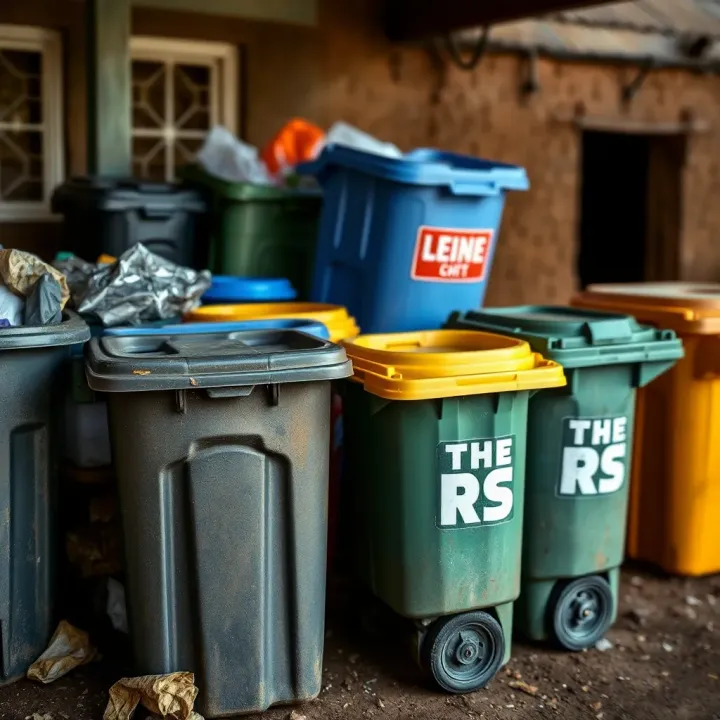
Here’s a snapshot of the Five Rs as they relate to Kenya’s everyday life and economic activities:
Refuse: Declining unnecessary single-use items like plastic straws or sachet water bags helps cut waste at the source. Markets in Nairobi and Mombasa have begun offering eco-friendly alternatives, signalling a shift in consumer demand.
Reduce: Minimising consumption--for example, buying produce without excess packaging or choosing goods made locally--lowers environmental impact and supports Kenyan businesses.
Reuse: Reusing containers, clothes, or office supplies extends the lifespan of products. Many households save old jerrycans for water storage, while local artisans turn scrap materials into crafts.
Repurpose: Creative transformation of items, such as turning old tyres into playground swings or discarded wood into furniture, showcases sustainability with practical value, tapping into Kenya’s thriving jua kali sector.
Recycle: Sorting waste for materials like paper, glass, and metals ensures they re-enter production cycles. Urban centres increasingly have collection points that feed into Kenya’s formal recycling industry.
Focusing on these principles helps reduce landfill pressure and aligns with Kenya’s Vision 2030 environmental targets. For investors, businesses embracing this model gain reputations as socially responsible and tap into expanding eco-conscious consumer markets.
Understanding the Five Rs prepares you to engage with Kenya’s sustainable development landscape—from green business investments to everyday eco practices. In the sections ahead, we’ll unpack each R in detail, showing how they fit into Kenyan realities and provide tangible benefits to society and the environment.
Managing waste effectively is a pressing matter in Kenya today, particularly as urban population growth and consumer demand rise rapidly. The Five Rs—Refuse, Reduce, Reuse, Repurpose, and Recycle—provide a practical roadmap for cutting down waste generation while supporting environmental health and economic savings. This approach encourages individuals, businesses, and communities to reassess their consumption habits and waste handling, making it highly relevant for Kenyan traders and investors looking at sustainable business practices.
Adopting the Five Rs helps lower the volume of waste ending up in dumpsites like Dandora, which often lack sufficient capacity or proper management. Better waste control also means improving overall public health and protecting natural resources that many Kenyans rely on for their livelihoods, such as water bodies and agricultural land.
The Five Rs represent five sequential actions to manage waste sustainably. Refuse involves saying no to products or packaging that are unnecessary or harmful. Reduce means cutting down on resource use and waste generation through mindful consumption. Reuse encourages extending the life of items through repeated use or repair rather than disposal. Repurpose is the creative reuse of items for new functions, turning waste into value. Finally, Recycle refers to processing waste materials into new products, conserving raw materials and energy.
These concepts are straightforward but effective when applied consistently. For example, a retailer might refuse plastic bags and instead provide reusable jute sacks, while a manufacturer might repurpose by-products into affordable building blocks. Each stage saves costs and reduces environmental strain.
Kenya faces significant waste management challenges, especially in urban centres like Nairobi and Mombasa. Over 60% of household waste remains uncollected or improperly disposed. This leads to littered streets, blocked drainage systems causing floods during rainy seasons, and increased pollution. Informal settlement areas suffer more due to limited access to waste services.
The Five Rs address these challenges directly by reducing the volume of waste produced and easing pressure on collection and disposal systems. Businesses that integrate these principles can reduce operational waste and improve their corporate social responsibility profiles, appealing to environmentally conscious consumers and investors.
Beyond environmental gains, the Five Rs offer economic advantages. Reducing and reusing materials cut costs for goods and services. Recycling creates jobs in collection, sorting, and processing, benefiting especially informal sector workers. Repurposing encourages innovation and new micro-enterprises, which contribute to the local economy. Collectively, these benefits help steer Kenya toward its green development goals and support a resilient economy.
Implementing the Five Rs is more than environmental care—it’s an investment in Kenya’s economic and social wellbeing.
Turning the spotlight on Refuse and Reduce highlights crucial actions for anyone aiming to cut down on waste in Kenya. These two Rs set the foundation for less environmental strain and offer direct benefits ranging from saving money to preserving resources. When you say no to unnecessary items or reduce what you consume, you’re making clear financial and ecological choices.

Avoiding single-use plastics forms the backbone of the refuse principle. Common in Kenya are plastic bags, straws, and water bottles that end up choking landfills or blocking drainage systems in Nairobi and other towns during the long rains. Refusing these plastics means opting for alternatives like cloth bags for shopping or reusable bottles. For traders and businesses, this can also mean offering incentives for customers who bring their own containers, reducing plastic demand in the process.
Choosing products with minimal packaging is another practical way to refuse waste. Many goods, from fruit to household detergents, come wrapped in excessive plastics or non-recyclable materials. Selecting items with little or no packaging helps lessen the burden on waste collectors and recycling facilities, which are still developing in Kenya. For example, buying loose vegetables instead of pre-packed ones reduces plastic use, while bulk buying detergents in refillable containers also cuts down rubbish and overall costs.
Planning purchases carefully is a straightforward way to reduce waste. Before buying, consider if you really need the item or if you can delay purchase until it’s necessary. For financial analysts and traders, this mindful consumer behaviour translates to better budgeting and fewer impulsive expenses. For instance, buying food in quantities matched to household needs avoids spoilage and waste, which is particularly important in areas with inconsistent electricity affecting refrigeration.
Using energy and water efficiently is part of reduction that benefits both the environment and your wallet. Turning off unnecessary lights, using energy-saving bulbs, and fixing leaking taps are simple steps. In Kenya, where energy costs can impact business overheads, reducing consumption frees up resources for other priorities. Households that install rainwater harvesting systems help cut water bills while easing pressure on municipal supplies, especially in Nairobi’s dry seasons.
Refusing and reducing go hand in hand. By cutting what you consume and saying no to excess waste, you protect both your financial interests and Kenya’s fragile environment.
These first steps not only support waste reduction but also build lasting habits that favour sustainable living and responsible investment in our local context.
Reusing and repurposing play a significant role in reducing waste and extending the lifecycle of products in Kenya. Avoiding early disposal of items not only saves money but also eases pressure on local waste management systems. These practices offer practical benefits by reducing demand for new resources and cutting down on landfill volumes.
Reusing everyday items like containers, shopping bags, and clothing forms a simple but effective waste reduction strategy. For example, many households in Nairobi and Mombasa continue to use sturdy plastic containers for food storage rather than buying new ones frequently. Similarly, bringing cloth bags instead of single-use plastic ones during market trips helps reduce plastic litter. Clothing that has outlived its primary use can be handed down, repaired, or worn in alternative ways, diminishing demand for new textile production.
Rather than discarding malfunctioning electronics or household goods, many Kenyan communities rely on local artisans and fundis—skilled repair workers—to extend the life of these products. Repairing televisions, radios, or furniture not only maintains utility but also supports local entrepreneurship and keeps money circulating within the community. This approach contrasts sharply with the throwaway culture and aligns well with the National Environment Management Authority’s (NEMA) advice on sustainable consumption.
Repurposing involves converting old or discarded items into new uses. In many Kenyan homes, for instance, plastic bottles are cut and shaped into watering cans or bird feeders. Wooden pallets from construction sites often find new life as garden furniture or shelves. These creative solutions help households save costs while reducing waste sent to dumpsites.
On a broader level, some community groups and NGOs promote upcycling projects to add value to waste materials. For example, cooperative groups in Kisumu and Nakuru collect scrap metal and plastics, transforming them into crafts, building materials, or fashion products. These initiatives generate income and awareness about sustainability, emphasising that waste can become a resource rather than a problem.
Reusing and repurposing not only help lower waste levels but also provide economic advantages by creating jobs and reducing household expenses. Encouraging these practices aligns with Kenya’s Vision 2030 goals on environmental sustainability and inclusive growth.
In the context of financial stakeholders and investors, supporting enterprises that prioritise these models may open opportunities in Kenya’s growing green economy, where the demand for sustainable goods and services steadily rises.
Recycling forms a key part of sustainable waste management in Kenya, yet it faces several hurdles. The system's potential benefits range from reducing waste sent to dumpsites to creating local jobs in recycling businesses. However, the current infrastructure and public participation level still limit these opportunities. Understanding the state of recycling and avenues for improvement is crucial for investors and businesses looking to engage in Kenya's growing green economy.
Availability and accessibility of recycling services in Kenya remain uneven. Major urban centres like Nairobi, Mombasa, and Kisumu have some form of organised collection centres and recycling plants, mostly run by private companies or NGOs. However, smaller towns and rural areas often lack convenient access. For instance, many households in Nyeri must travel far to drop off materials like plastics at designated points, making participation less likely. Transport and logistics costs increase for recycling companies trying to extend services beyond cities.
The limited infrastructure also struggles with capacity issues during high waste generation periods, such as festive seasons, when materials accumulate faster than they can be processed. This challenge suggests demand for investment in more strategically located and well-equipped recycling facilities could unlock significant economic and environmental gains.
Commonly recycled materials in Kenya include plastics (PET bottles, plastic bags), paper and cardboard, glass bottles, and scrap metals. These materials have established markets with local manufacturers often sourcing recycled inputs; for example, some Kenyan carton manufacturers use recycled cardboard fibres. Plastic recycling is growing thanks to initiatives by groups like Mr. Green Africa that handle collection and create items like pavements tiles from recycled plastic.
Yet, contamination of recyclables with organic waste lowers collection efficiency and material quality. Many households mix waste types due to lack of clear segregation guidelines at source, making sorting labour-intensive and driving up costs. Expanding recycling beyond these mainstream materials, to electronics or textiles, remains limited but promises new business lines as consumer demand for such services grows.
Community participation holds the key to improving recycling in Kenya. Education campaigns that explain the value of sorting waste and demonstrate simple steps can increase collection volumes dramatically. Community-based groups and youth organisations have shown success in mobilising residents to separate waste at home and support clean-up efforts. For example, in Nairobi's informal settlements, grassroots initiatives organise collection points that feed into formal recycling channels.
Encouraging regular recycling habits also requires easy access to drop-off centers and incentives like buy-back schemes. Small businesses can partner with these groups to enhance material intake, reducing their sourcing costs and supporting community livelihoods.
Government policies and private sector roles complement each other to strengthen recycling. The Kenyan government has introduced regulations favouring plastic bag bans and promotes recycling through environmental laws. Yet enforcement gaps and inconsistent policy application can undermine progress. Investors should watch policy shifts closely, as clearer tax incentives or subsidies for recycling firms could spur private sector growth.
Private companies, especially in manufacturing and waste management, increasingly see recycling as a business opportunity and corporate responsibility. Partnerships between government agencies, private firms, and NGOs have led to recycling hubs and innovations like plastic-to-diesel plants. Scaling these models across counties would further benefit Kenya's green agenda and present sustainable investment options.
Recycling in Kenya stands at a crossroad: with proper infrastructure investment, community engagement, and supportive policies, it can evolve into a profitable and environmentally vital sector.
By focusing on strengthening accessibility, improving material sorting, boosting community involvement, and aligning public-private efforts, Kenya can unlock real value from recycling, benefiting investors and the broader environment alike.
Promoting the Five Rs—Refuse, Reduce, Reuse, Repurpose, and Recycle—is critical to tackling Kenya's growing waste problem and supporting the green agenda. Focusing on these principles encourages responsible consumption and waste management at every level, from households to large businesses. Practical application helps lower waste disposal costs and reduces environmental harm, leading to cleaner cities and healthier communities.
Awareness and education play a key role in making the Five Rs part of everyday life. Understanding how waste affects the environment and economy motivates action. For example, schools can include lessons on the Five Rs, showing students how to minimise plastic use or compost kitchen waste. Workplaces can host workshops encouraging employees to refuse single-use plastics and bring reusable containers. This knowledge helps people make informed choices, creating a ripple effect through families and communities.
Incorporating sustainable habits means turning awareness into action. At home, this could be planning shopping to avoid overbuying or choosing products with less packaging. In offices, simple steps like switching off electronics when not in use, opting for digital files over paper, and setting up recycling bins encourage responsible behaviour. Businesses can offer incentives for eco-friendly practices or partner with local recycling firms. These everyday habits reduce waste and save money.
The roles of individuals, communities, and businesses are intertwined in Nairobi’s and Kenya’s overall sustainability push. Individuals who refuse plastic bags or reuse containers ease the burden on municipal waste systems. Community groups organising clean-up drives and repair workshops foster local ownership of environmental care. Businesses adopting eco-friendly packaging or waste management systems set examples that raise industry standards. Cooperation among these players accelerates progress and drives investment in green projects.
Looking ahead to a cleaner environment, Kenya’s green agenda depends on sustained practice of the Five Rs combined with innovation. With government plans promoting circular economy models and greater recycling infrastructure, the focus shifts to usable resources instead of waste. Cleaner streets, reduced landfill pressures, and lower pollution levels will boost public health and tourism appeal. Investing in sustainable business models also opens new markets and job opportunities, supporting Kenya’s economic growth goals.
Adopting the Five Rs requires commitment but delivers tangible benefits, including cost savings, environmental protection, and enhanced community wellbeing. Kenyan businesses and citizens together have the power to shape a cleaner, greener future.
Learn how to trade cryptocurrency in Kenya using M-Pesa and local platforms. Get tips on safe trading, legal practices, risk management, and boosting your profits 📈💰
Learn how to link PayPal with M-Pesa in Kenya for easy online payments and transfers 💸. Get step-by-step login help, fee details, safety tips, and solutions to common problems.

Explore how peer-to-peer (P2P) derivatives work, their benefits, risks, and regulation in Kenya’s market. Learn to navigate this growing financial tool with ease 📈💼

💼 Learn how to secure capital for your business in Kenya with practical steps to attract investors, navigate challenges, and manage funds for steady growth and success.
Based on 11 reviews