

Trading Forex Online: A Guide for Kenyan Traders
📈 Learn how to trade forex online in Kenya with practical tips, local payment options like M-Pesa, market hours, risk management, and choosing the best platform.
Edited By
Sophie Mitchell
Trading online in Kenya presents a golden chance for traders, investors, and business owners to extend their reach beyond traditional markets. With the rise of internet access and widespread use of mobile money platforms like M-Pesa, more Kenyans are breaking into digital trading every day.
Understanding how to navigate this space effectively requires recognising not just the platforms available but also the payment systems, regulatory factors, and security risks that shape the Kenyan digital economy.
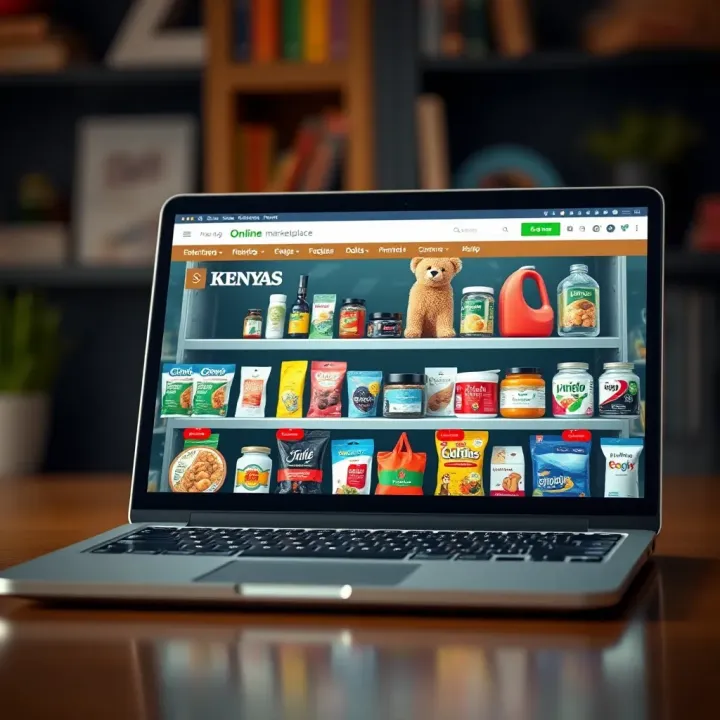
Kenyans commonly use platforms such as Jumia, Kilimall, and OLX for buying and selling goods. These sites offer a broad customer base and infrastructure to list products, manage orders, and communicate with buyers. For financial trading, platforms like EGM Securities or Nairobi Securities Exchange (NSE) online portals allow portfolio managers and investors direct access to the stock market.
Mobile money payments remain king in Kenya’s online trading. M-Pesa enables instant transfers, reducing reliance on cash, which can be slow or unsafe. Incorporating M-Pesa paybill or till numbers into your online shop can boost trust and convenience, helping you close more deals quickly.
Online traders must remain vigilant against fraud schemes, such as fake listings or payment scams. Verifying buyers and sellers, using trusted platforms, and confirming payments before dispatching goods are practical steps. On the regulatory side, adherence to Kenya Revenue Authority (KRA) tax rules and ensuring compliance with consumer protection laws can prevent costly penalties.
For success in the Kenyan online market, combining smart platform choice, reliable payment methods like M-Pesa, and strong security practices is non-negotiable.
Know Your Market: Understand demand trends within Kenya, distinguishing between Nairobi, Mombasa, and other counties.
Clear Product Presentation: Use quality photos and detailed descriptions to attract discerning buyers.
Fast and Reliable Delivery: Partner with dependable courier services or matatu networks for timely shipments.
Customer Communication: Respond promptly to inquiries to build trust and loyalty.
By mastering these essentials, traders can grow their business sustainably and tap into Kenya’s rapidly expanding digital commerce environment.
Online trade in Kenya has reshaped how businesses operate and how consumers access goods and services. For traders and investors alike, understanding the dynamics of this digital market is key to making informed decisions and gaining an edge. It opens opportunities beyond traditional face-to-face interactions, letting sellers reach customers across the country without needing physical shops.
Trading online involves buying or selling goods and services through internet platforms instead of physical stores. This can range from listing products on social media pages, using dedicated e-commerce websites, to joining wider marketplaces like Jumia Kenya or Kilimall. For example, a Nairobi-based artisan selling handmade jewellery can tap into buyers in Mombasa or Kisumu using Instagram or a personal website. It offers flexibility, reduces overhead costs, and allows traders to operate from virtually anywhere.
Kenya’s digital commerce has grown rapidly, driven by rising internet penetration and widespread mobile money adoption. Safaricom’s M-Pesa now handles billions of shillings in transactions daily, facilitating countless online trades seamlessly. Recent data shows e-commerce growth at double-digit rates annually, encouraged by younger, tech-savvy consumers and improvements in logistics networks. Online shopping during festive seasons such as Christmas leads to spikes in orders, especially for electronics, fashion, and home goods.
In Kenya, the range of online-traded items reflects both urban demand and digital convenience. Popular products include:
Electronics: Smartphones, tablets, and accessories dominate due to their high demand and ease of shipment.
Fashion and Beauty: Clothes, shoes, and skincare products find large markets, with many startups using platforms like Instagram.
Agricultural Produce: Farmers and cooperatives offer fresh fruits, vegetables, and even processed items through WhatsApp groups or regional e-commerce platforms.
Services: Digital marketing, tutoring, graphic design, and freelance work use online platforms for delivery and payments.
Understanding these categories helps traders identify where to specialise or diversify. It also clarifies which logistics and payment options best serve their customers.
Mastering online trade involves knowing not just what to sell, but also how Kenya’s growing digital ecosystem and consumer behaviour shape opportunities for profit and growth.
Effective online trading thrives on recognising the local digital habits and infrastructure, helping traders make smarter choices from product selection to securing payments.
Choosing the right platforms to trade online in Kenya shapes your business success more than many realise. The platform you pick influences your market reach, customer trust, ease of transactions, and overall visibility. Picking a marketplace not only depends on the type of goods you sell but also on how your target customers prefer to shop. For instance, selling electronics on platforms like Jumia makes sense because buyers expect a wider selection and secure payment options there. On the other hand, secondhand clothes might do better on social media or local specialised groups.
Jumia Kenya, Kilimall, and Masoko stand out as trusted e-commerce hubs where thousands of buyers shop for everything from groceries to gadgets. These platforms offer sellers access to large, active audiences and user-friendly tools to manage listings and payments. For example, Jumia’s integrated M-Pesa payment system makes transactions straightforward for both seller and buyer. On the flip side, OLX Kenya offers a more informal marketplace suitable for quick sales, especially secondhand goods, though it lacks the structured logistics of bigger platforms.
Social media platforms like Facebook Marketplace, Instagram, and WhatsApp have become key marketplaces for Kenyan traders, thanks to their extensive user base and easy communication channels. Sellers can showcase products in real-time, chat directly with buyers, and build personal relationships that boost trust. For example, many Nairobi-based artisans use Instagram to post crafts and take orders via direct messages. WhatsApp groups are also popular in counties to promote flash sales or specialised products. The main advantage is low cost, but the challenge lies in managing payments and ensuring delivery reliability.
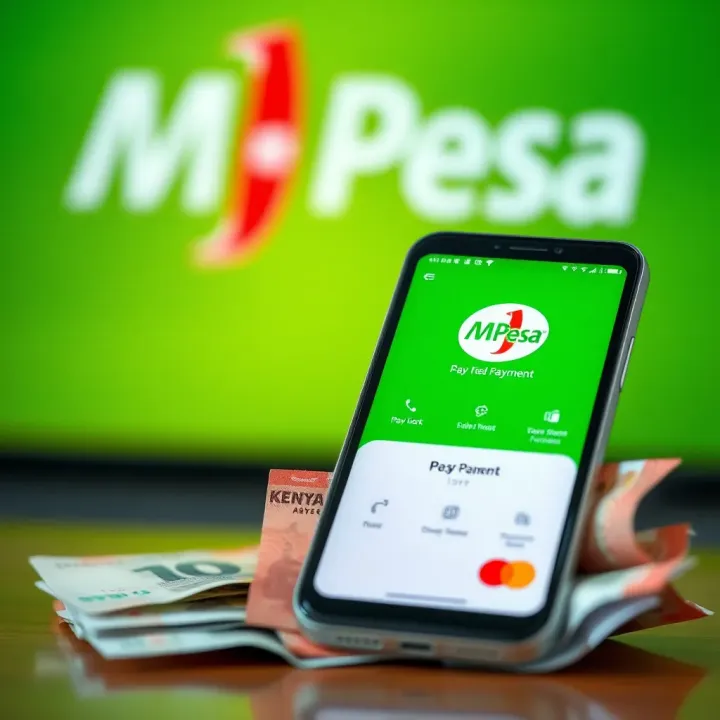
Having a dedicated e-commerce website offers full control over branding, customer experience, and sales strategies. Unlike being a tenant on bigger platforms, you manage how your goods appear and tailor the checkout process to suit Kenyan payment habits like M-Pesa and card payments. This autonomy can build stronger customer loyalty over time. Consider how companies like ZumiKulture or Mkulima Young have developed their own online shops to showcase unique products and capture the agricultural market niche directly. However, setting up and maintaining such websites requires investment and technical know-how.
Selecting the right online marketplace or platform is not just about listing products but about positioning your business where your customers feel confident and comfortable to buy.
To sum it up, balancing platform reach, ease of use, cost, and your product type will guide you in choosing the best online space for your trade in Kenya. Whether you tap into popular marketplaces, social media channels, or build your own website, understanding these options helps you sell smarter and grow faster.
Smooth and secure payment methods form the backbone of successful online trading in Kenya. Buyers and sellers alike depend on trustworthy transaction systems to exchange money safely and conveniently. In Kenya, where mobile money dominates, adopting reliable payment options is essential to build customer confidence and avoid losses. Handling payments securely also minimises risks such as fraud, chargebacks, or delayed payments, which can disrupt business flow and damage reputation.
M-Pesa leads the mobile money field in Kenya, with millions using it daily for both personal and business transactions. Its convenience and widespread acceptance make it a preferred choice for online traders. M-Pesa allows instant payments, which means sellers get their money quickly, helping to maintain cash flow.
Fuliza, an overdraft service linked to M-Pesa, also plays a useful role for traders needing short-term funds to complete transactions or restock goods. However, it’s important to use Fuliza cautiously since it's a loan product with costs attached. For example, a seller might use Fuliza to cover an urgent order payment and repay it once the buyer settles with M-Pesa.
While M-Pesa is king, bank transfers and card payments are gaining traction, especially for higher-value transactions or corporate clients. Most Kenyan banks now offer mobile banking apps and integration with eCommerce platforms that accept debit and credit cards.
Card payments offer buyer protection through systems like Visa or Mastercard, but traders need reliable payment gateways to process them smoothly. Services like Pesapal and JamboPay connect online shops with both card and bank transfer options, expanding payment flexibility.
Traders should verify transactions promptly and reconcile bank statements against online sales records to avoid discrepancies. For example, a seller dealing with bulk orders might prefer direct bank transfers for clearer audit trails.
Fraud remains a real challenge in Kenya’s online market, with risks including fake payment confirmations, identities theft, and refund scams. To reduce these:
Always confirm payments through official channels before dispatching goods.
Use transaction numbers or M-Pesa confirmation codes as proof of payment.
Avoid sharing sensitive account details publicly or in unsecured platforms.
Set up alerts on phones or emails for every payment received.
Consider escrow services where the platform holds payment until buyers confirm receipt.
Secure payment handling protects your business and builds trust with customers. Traders who maintain transparency and diligence attract repeat buyers and avoid costly disputes.
In summary, combining Kenya’s mobile money convenience with prudent use of bank and card transfers creates a flexible, secure transaction environment. Traders who make payment security a priority position themselves well to succeed in the growing online marketplace.
Efficiency in logistics and delivery can make or break an online business in Kenya. Good logistics ensure that products reach customers on time and in good condition, which builds trust and encourages repeat purchases. Without reliable delivery, even the best products can suffer poor customer reviews or lost sales.
Picking dependable delivery partners is key to smooth operations. Services like Sendy, Glovo, and local courier companies such as G4S Courier and Wells Fargo offer various delivery options in cities like Nairobi, Mombasa, and Kisumu. It helps to assess several factors: coverage area, delivery speed, cost, and customer service quality.
For instance, if your clients are spread across rural areas, a service with extended reach and reasonable pricing, though slower, might suit your needs better than a fast but costly option limited to urban centres. In many cases, working with multiple couriers can help balance cost and delivery speed.
Proper packaging reduces the risk of damage during transit. Use sturdy, appropriate-sized boxes for your products and secure them well with tape. For fragile items, cushion with bubble wrap or newspaper to absorb shocks.
Using branded packaging not only protects your goods but also enhances your business's professional image. For example, a seller of handcrafted beadwork in Nairobi might use eco-friendly paper bags stamped with their logo, which appeals to eco-conscious buyers and secures the contents safely.
Remember to label packages clearly, indicating if the contents are fragile or require special handling. This way, delivery agents treat goods with the necessary care, reducing loss and damage.
Setting clear delivery timelines during purchase helps manage customer expectations and avoids complaints. If you anticipate delays—say during Kenya's long rains or festive seasons—inform your customers promptly.
Also, have a clear returns policy accessible on your online platform. Outline steps customers should follow if they receive damaged or incorrect items. For example, some sellers agree to pick up returns at no extra cost, while others prefer customers to visit a physical location.
Prompt communication when handling returns demonstrates good customer service and can turn a potential negative experience into positive word of mouth.
Reliable logistics and thoughtful delivery policies are not just operational details; they are vital for building trust and sustaining your online trade business in Kenya.
By considering these factors thoughtfully, traders can improve service quality and boost customer satisfaction amidst Kenya's bustling online market.
Navigating the legal and regulatory landscape is essential when trading online in Kenya. Following the right procedures not only protects your business but also builds customer confidence, which is vital in the digital market. Ignoring legal requirements can lead to fines, loss of business reputation, or even closure.
Registering your online trading venture with the relevant authorities lays a strong foundation. In Kenya, this typically means registering with the Business Registration Service under the Attorney General’s office and obtaining a KRA PIN from the Kenya Revenue Authority (KRA). This allows you to pay taxes properly and operate legally.
For example, if you sell goods worth KSh 5 million annually, you must register for Value Added Tax (VAT) with KRA and submit regular returns through the iTax system. Kenyan online traders also need to consider the Turnover Tax (TOT) if their sales are below the VAT threshold but above KSh 1 million.
Make sure to issue tax invoices for your sales. This helps customers claim input tax refunds where applicable, and it keeps your accounts organised. Regular compliance demonstrates professionalism and can make it easier to access loans or investor funds.
Kenyan law offers protections for buyers buying online. The Consumer Protection Act safeguards customers against faulty products, misleading advertisements, and unfair contract terms. As an online trader, you must honour returns, refunds, or repairs for products that don’t meet the advertised standards.
For instance, if a customer buys a smartphone from your platform and it turns out defective, the customer has the right to demand a replacement or refund within a reasonable period. Ignoring these rights can lead to complaints to the Competition Authority of Kenya or public backlash.
Besides returns, clear product descriptions and transparent pricing help avoid disputes. Transparent communication builds trust and encourages repeat business in Kenya’s tight-knit online community.
Handling customer data responsibly is not only ethical but also a legal necessity under Kenya’s Data Protection Act. When you collect names, phone numbers, or payment details, you must protect this data from unauthorised access or breaches.
Use password-protected systems and encrypt sensitive data whenever possible. For example, if you store customer payment confirmations, these should never be visible to anyone without clearance.
Customers should be informed how their data is collected and used, such as through a privacy policy on your website or platform. Consent should be explicit, especially when using data for marketing.
Protecting customer data and complying with privacy laws builds trust and safeguards you from hefty fines or legal troubles. Treat your customers' data like gold—it’s key to your online business survival.
By meeting all these legal and regulatory points, you ensure your online trading business stands on firm ground. This invites more Kenyans to buy confidently and helps you grow sustainably in the competitive e-commerce market.
Succeeding in online trade in Kenya demands more than listing products and waiting for buyers. It’s about building relationships, effective marketing, and staying in tune with changing trends. Getting these right helps you grow your business steadily, win loyal customers, and outpace competitors.
Trust is the backbone of online trade. Without it, buyers hesitate to part with their hard-earned shillings. Clear product descriptions, honest photos, and timely communication lay the foundation. For example, sellers on Jumia or OLX who respond promptly to queries tend to close more deals. Also, offering customers payment options they know and trust — like M-Pesa or bank transfers — reduces hesitations.
Providing reliable delivery updates adds to this trust. If a buyer knows exactly when to expect their item, they feel reassured. And don't forget after-sale support; handling returns or complaints professionally can turn a one-time buyer into a repeat customer.
Reliable service and honesty are not just good manners — they are profitable investments.
Kenyan online buyers respond well to marketing that speaks their language and fits their habits. Harness social media platforms like Facebook and Instagram to showcase your items, especially with short videos or customer testimonials. WhatsApp groups also remain powerful for community-based selling.
Tailor your messages for Kenyan cultural touchpoints. For instance, promoting certain products before festive seasons like December or during school term openings can boost sales significantly. Using local idioms or referencing Kenyan football stars in ads can connect more deeply with your audience.
Don’t ignore search engine visibility either. Clear product titles and natural keywords like ‘affordable smartphones Nairobi’ help your listings reach people actively looking to buy.
The digital market shifts quickly, and so do customer preferences. Keep an eye on what’s trending on platforms like Jumia or what shippers are saying about demand spikes. For instance, during Kenya’s long rains, sellers of rain gear and warm clothing usually see upticks.
Adjusting your stock and marketing based on this data keeps your offerings fresh and relevant. Tools like Google Trends or social media insights can reveal what buyers currently want or complain about. If you notice phones with larger batteries gaining popularity, ensure your stock reflects this.
Being flexible with your business model — say, expanding from gadgets to accessories or repair services — can also open new revenue streams. Always listen to feedback and use it to refine your business.
Success in online trade in Kenya means being trustworthy, marketing smartly, and staying alert to changes. These tips are practical ways to secure your place in Kenya’s vibrant online market.
📈 Learn how to trade forex online in Kenya with practical tips, local payment options like M-Pesa, market hours, risk management, and choosing the best platform.

🌍 Discover how online trading platforms work and find the best fit for Kenyan investors. Learn key features, security tips, and tools to trade confidently with M-Pesa and local services.

📊 Learn forex trading basics in Kenya: understand the forex market, key terms, how to start trading, and practical risk management tips for beginners. 💹

Explore deriv trading in Kenya 📈: Learn types, strategies, risks & how to start safely with trusted platforms like Deriv. Ideal for beginners & pros!
Based on 5 reviews