
TradingView Guide for Kenyan Traders and Investors
📊 Learn how Kenyan traders can use TradingView's real-time data, charts & broker links to boost trading. Discover subscriptions & tips for Nairobi's market.
Edited By
Oliver Hughes
TradingView stands out as one of the most popular platforms for analysing financial markets worldwide, and Kenyan traders are increasingly tapping into its potential. It offers a user-friendly environment with a wide range of charting tools, technical indicators, and social features that cater to both beginners and seasoned investors.
Kenyan traders, whether dealing with equities listed on the Nairobi Securities Exchange (NSE), forex, or global stocks, can benefit greatly from TradingView’s real-time data visualisations. For example, a forex trader watching the USD/KES pair can set up alerts for price movements that match their strategy, allowing them to react quickly without spending hours glued to the screen.
The platform’s web-based nature means you only need an internet connection and a browser—no heavy software installation. This works well for traders using mobile internet or relying on cybercafés. Plus, TradingView supports integration with local brokers who use global exchanges, which can help Kenyans manage their portfolios more effectively.
Here are some key aspects that make TradingView practical:
Customisable charts: Choose from candlestick, line, bar, or Heikin Ashi charts to suit your trading style.
Technical indicators: Over 100 built-in indicators such as RSI, MACD, and Bollinger Bands help assess market trends and price momentum.
Community scripts: Find or create your own strategies using Pine Script, TradingView’s proprietary language.
Watchlists and alerts: Track preferred instruments and get notified on significant price changes.
"TradingView saves you time and sharpens your decisions by presenting market data clearly. Kenyan traders do not have to rely only on gut feeling or newspapers—they get insights in real time."
In the subsequent sections, we will explore how to navigate the platform effectively, apply indicators that suit local market behaviour, and align your trades with Kenyan trading realities like M-Pesa deposits and regulatory limits. Understanding TradingView is a step closer to smarter investing with less guesswork.
TradingView plays a significant part in modern market analysis, especially for Kenyan traders navigating both local and global markets. It supports informed decision-making by providing real-time charts, technical indicators, and a rich visual interface that breaks down complex market data into easily graspable insights. Knowing how to use TradingView effectively can boost your trading strategy, whether you’re into stocks, forex, or cryptocurrencies.
TradingView is essentially a cloud-based charting platform that offers interactive financial charts used by traders worldwide. It collates data from various markets and displays them through customizable charts that help identify trends, patterns, and potential entry or exit points. For Kenyan traders, this means access to powerful analytical tools without needing expensive software installations.
You can use TradingView directly on your web browser, or download its mobile and desktop apps. This flexibility allows traders on the go or those who prefer working from a computer at home to stay connected to the markets without interruption.
TradingView's web platform is user-friendly and accessible on any computer with an internet connection. For those who spend a lot of time away from their desks, the iOS and Android apps ensure that you can monitor markets and respond quickly to price movements. Desktop apps offer enhanced performance and advanced charting features for those who want a more robust experience.
This multi-platform accessibility is crucial in Kenya, where internet quality varies, and traders may rely on different devices throughout the day. For example, a forex trader in Nairobi might use the desktop app at an internet café, then switch to the mobile app while commuting on a boda boda.
Kenyan traders face unique challenges such as limited access to real-time local market data and unpredictable internet reliability. TradingView addresses these by aggregating both global and local market information, which helps traders make decisions even when facing data gaps from local sources.
Additionally, TradingView integrates global markets like NYSE and Nasdaq alongside the Nairobi Securities Exchange (NSE). This integration is vital for Kenyan traders who often combine local stock investments with forex or international stocks, providing a comprehensive trading overview in one platform.
Individual investors in Kenya have increasingly turned to technology to manage their portfolios. TradingView offers an affordable, mostly free, entry point for these investors to tap into advanced charting and analysis tools. With free and paid plans, traders can access features tailored to their needs without breaking the bank, making it accessible for those starting out or managing smaller portfolios.
TradingView’s strength lies in its ability to unite diverse market data, real-time updates, and social trading communities, helping Kenyan traders stay informed and connected.
By understanding what TradingView offers and how it aligns with Kenyan market realities, traders can better harness its potential. This foundation sets the stage for practical application, ensuring you’re not just watching charts but making them work for your investment goals.
TradingView offers tools tailored to help Kenyan traders make sense of local and international markets. Its features focus on clear visualisation, real-time data, and community engagement, which are critical for traders dealing with Nairobi Securities Exchange (NSE), forex, and commodities relevant to Kenya. Knowing these key tools and how to apply them will enhance your trading decisions without drowning you in complexity.
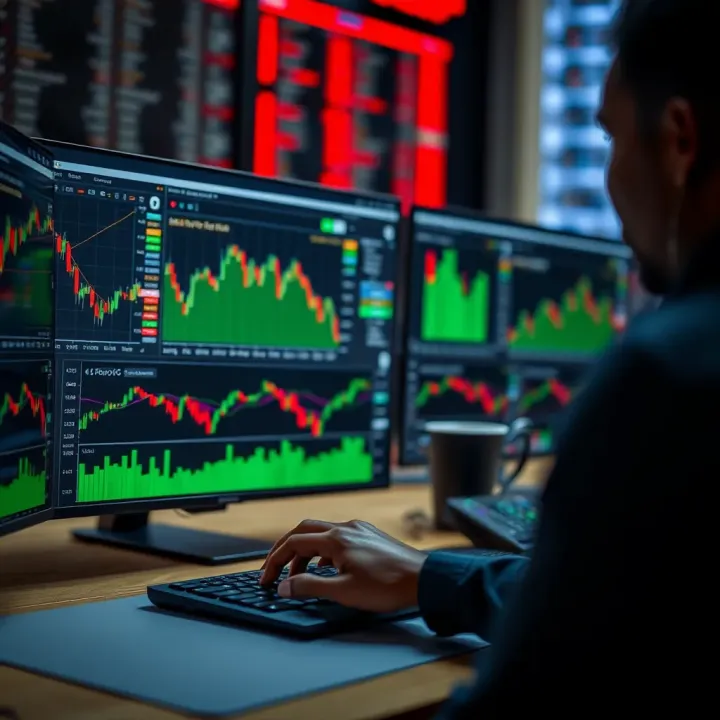
TradingView supports several chart types such as line charts, bar charts, and candlestick charts. Candlestick charts are the most popular among Kenyan traders because they provide detailed price action information over specific periods. For example, you can easily spot trends during the Nairobi Securities Exchange trading hours using minute-by-minute candlesticks. Line charts give a clean overview, useful if you just want to monitor an asset's general direction.
Technical indicators form the backbone of analysis for many active traders. Among the most widely used are Moving Averages (MA), Relative Strength Index (RSI), and Bollinger Bands. These indicators help detect trends, potential reversals, and volatility. For instance, RSI can signal if Safaricom shares are overbought or oversold, helping investors decide the right time to buy or sell. Kenyan traders often combine such indicators with fundamental news — like changes in CBK policy or NSE announcements — for better timing.
Customising charts to your trading style is straightforward. You can add or remove indicators, adjust timeframes, and change visual settings like colours or scales. Suppose you prefer tracking short-term forex movements paired with M-Pesa fund flows; you might set charts on 15-minute intervals with RSI and MA overlays for quick decisions. This personalisation turns generic chart data into your most trusted toolkit, making analysis faster and linked closely to your strategy.
Sharing ideas among traders helps foster learning and diverse perspectives. TradingView allows Kenyan users to post trade ideas, predictions, and analyses publicly or within private circles. This feature encourages collaboration, enabling novice traders to learn from experienced ones, especially around local market events like earnings reports for NDOVU or new policies affecting agriculture commodity prices.
Following both local and global traders keeps you informed about various trading styles and market insights. For example, you may find a Kenyan forex expert who consistently analyses USD/KES trends or an international commodities trader discussing coffee or tea futures relevant to East African exports. This broad network exposes you to patterns and insights you might miss working alone.
The chat rooms and forums on TradingView provide real-time discussion platforms. Kenyan traders often use these spaces jogi ng discussions on NSE market reactions or currency movements after policy shifts by the Monetary Policy Committee (MPC). These interactions help validate your analysis and sometimes uncover angles like cross-border arbitrage opportunities or the impact of international market news on local assets.
TradingView’s combination of clear charting tools and an engaged community offers Kenyan traders both the technical insight and local context needed for smarter trading decisions.
Getting started with TradingView is a key step for Kenyan traders wanting to make informed market decisions. Setting up the platform correctly saves time and ensures that you can access the data you need quickly, especially when markets move fast. This section walks you through account creation, familiarising yourself with the interface, and using vital features like watchlists and alerts.
Setting up a TradingView account is straightforward and only takes a few minutes. Head to the TradingView website, click on sign-up, and use your email or existing Google, Facebook, or Apple login. After confirming your email, you’ll gain access to the basic free plan, which includes essential charting tools. Kenyan traders will find it handy to start here before considering paid plans that offer more indicators or real-time data.
Once logged in, the dashboard can feel a bit crowded at first. The main panel shows the chart window where you conduct most of your analysis. To the left, you’ll see drawing tools for trendlines and Fibonacci retracements, while the right side hosts social features like chat and ideas feeds. The user-friendly navigation makes it simple to switch between charts and stock screens, essential for those juggling NSE stocks alongside international options.
Creating watchlists helps you monitor key stocks and currencies in one place. With TradingView, you can add Nairobi Securities Exchange (NSE) stocks as well as regional and global instruments. Simply search for the ticker symbol, like NSE:EQTY for Equity Bank, and add it to your list. This lets you follow price movements without repeatedly searching.
Customising multiple watchlists is also possible, helping you separate sectors or asset classes. For example, you might have one watchlist for NSE equities, another for forex pairs like USD/KES, and a third for cryptocurrencies. This organisation strategy is crucial for making timely trades and spotting opportunities across markets frequently traded by Kenyan investors.
Setting alerts on price levels or indicator signals offers hands-free monitoring so you don't miss crucial moments. For instance, you can set an alert to notify you when the share price of Safaricom crosses a specific level, or when the RSI (Relative Strength Index) hits an overbought threshold. This helps avoid sitting in front of the screen all day, especially relevant for retail traders balancing work and trading.
Managing your notification preferences means choosing how and where these alerts reach you — on the desktop app, via email, or directly to your mobile phone through the TradingView app. You can customise the frequency to avoid overload, such as receiving alerts only during market hours or limiting duplicates.
Linking alerts with your mobile and email ensures that you get updates promptly, no matter where you are in Nairobi or Kisumu. Because Kenyan internet can sometimes be unstable, having multiple notification channels increases the chance you stay informed even if one method fails. For instance, you might receive push notifications when riding a matatu or emails when home on broadband.
Setting up alerts properly means you can react faster to market changes, keeping you ahead in a volatile environment.
In summary, understanding how to set up and use TradingView effectively means creating an account that suits your needs, organising watchlists for smooth monitoring of NSE and other markets, and using alerts to stay on top of price movements without being glued to the screen. This practical approach maximises your chances to trade smartly in Kenyan market conditions.
Integrating TradingView with Kenyan trading habits allows investors to bridge global market tools with local realities. Traders get practical value by using TradingView’s analysis capabilities alongside familiar local platforms and brokers. This blend lets them make more informed decisions tailored to the Kenyan market context, especially as Nairobi Securities Exchange (NSE) listings and regional instruments require specific monitoring.
Popular brokers compatible with TradingView: Several Kenyan brokers have direct or indirect links with TradingView, making it easier for investors to apply analyses in actual trades. Brokers like Cytonn, Nairobi Securities Exchange’s primary trading firms, and some regional forex platforms facilitate using TradingView charts and data. The practical benefit is that traders can prepare and validate strategies on TradingView then execute with confidence through their broker interfaces.
Exporting analysis to broker platforms: While TradingView doesn’t directly execute trades with all Kenyan brokers, users can export their charts or snapshots to guide decision-making. For instance, a trader using an analysis from TradingView can transfer chart details to the broker’s trading platform or share insights during client advisory. This handoff between analysis and execution simplifies handling complex securities or derivatives while ensuring decisions are grounded in robust data.
Real-time data considerations: Access to real-time NSE data on TradingView often requires subscription or broker tethering. Many Kenyan traders start with free or delayed prices, which suit long-term strategies but not active day trading. Choosing brokers that provide live market feeds integrated with TradingView improves timing and accuracy, especially in volatile situations like earnings releases or regulatory announcements.
Forex trading and M-Pesa integration: Kenyan forex traders benefit from linking TradingView insights with mobile money services like M-Pesa for deposits and withdrawals. Popular brokers supporting the Kenyan shilling and M-Pesa payments often provide TradingView charting tools to analyse currency pairs like USD/KES or EUR/KES. This synergy reduces friction when moving money and tracking forex positions, essential for everyday traders in Nairobi and beyond.
Monitoring commodity prices relevant to Kenya: Commodities such as maize, coffee, and tea form a big part of Kenya’s economy and investment focus. TradingView allows users to track global commodity futures with customised alerts which help farmers, exporters, and commodity traders anticipate price swings. For example, a coffee exporter can use TradingView to follow ICE coffee futures prices and plan sales timing accordingly.
Tracking cryptocurrencies commonly traded locally: Cryptocurrencies remain popular among Kenyan traders, often accessed through platforms like Binance or local duka chains offering crypto services. TradingView charts cover coins like Bitcoin (BTC), Ethereum (ETH), and stablecoins that Kenyans use frequently. With TradingView’s tools, traders spot trends and set alerts, helping navigate crypto’s volatile environment while applying strategies informed by global markets.
Kenyan traders combining TradingView’s powerful charts with local broker services, M-Pesa payments, and commodity tracking tap into smarter, more connected trading suited to the country’s diverse financial landscape.
This practical integration makes TradingView far more than just a charting tool; it becomes a hub linking analysis, execution, and payment systems tailored for Kenyan market conditions.
Kenyan traders face unique challenges when using platforms like TradingView. These hurdles often relate to data costs, internet connectivity, and the complexity of market analysis tools. Addressing these issues with practical tips ensures traders can make the most of TradingView without getting overwhelmed or stressed by technical or financial barriers. This section focuses on realistic strategies to manage data expenses, work with limited internet, and approach analysis in a clear and practical way.
Managing data usage on mobile connections is crucial for many Kenyan traders who rely on mobile internet, where data bundles can be expensive or limited. TradingView’s charts and live updates can consume significant data, especially when accessing real-time market feeds or premium indicators. To reduce data costs, traders can customise their settings: turning off unnecessary animations, limiting chart update frequency, and avoiding opening multiple tabs with active charts.
For example, a trader following NSE stocks might keep their chart on a lower refresh rate or disable auto-updates during peak hours, saving precious megabytes. Using mobile data bundles that allow zero-rated access to financial platforms, if available, can also help reduce expenses.
Offline tools and low-data alternatives provide great relief when network signals drop or during times without internet access. TradingView doesn’t offer full offline functionality, but traders can export charts as images or PDFs when they are online for later review. Additionally, downloading financial news apps or setting alerts can keep traders informed even with limited connectivity.
Some Kenyan brokers also offer apps with offline charting features or notifications that sync once online. Combining these offline alternatives with TradingView’s online tools ensures traders stay connected to the market movements without constantly burning through data.
Avoiding information overload is key to making sound decisions. TradingView offers a vast array of indicators and chart types which can confuse even seasoned traders. Stick to a few well-understood tools that align with your trading style. For instance, a Kenyan forex trader might focus on RSI and moving averages while ignoring dozens of lesser-used indicators.
Overloading your screen with too much data can lead to slow decisions or false signals. Simplify charts, use watchlists wisely, and regularly prune unused tools for clearer analysis.
Using multiple timeframes effectively means analysing charts in different time spans to get a full picture of market trends. A Kenyan trader may look at a daily chart to understand the bigger trend, then check hourly or 15-minute charts for entry points. This layered approach helps spot patience-worthy moves and immediate actions.
For example, during Kenya’s trading day, a trader examining the NSE 20 share index might use weekly charts to gauge long-term momentum and then shift to 1-hour charts when preparing for a trade.
Combining technical and fundamental analysis strengthens trading strategies. While TradingView excels in technical tools, Kenyan traders benefit from mixing these with local fundamentals like company earnings reports, macroeconomic news, or political developments affecting market confidence.
A trader might notice a positive price trend on TradingView but check local news for government policy changes or currency devaluation risks before entering a position. This balanced approach reduces impulsive decisions based only on chart patterns.
Practical challenges shouldn't stop you from using powerful platforms. With mindful data management and focused analysis, Kenyan traders can unlock TradingView’s potential while staying on top of local market changes.
📊 Learn how Kenyan traders can use TradingView's real-time data, charts & broker links to boost trading. Discover subscriptions & tips for Nairobi's market.
Boost your trading skills using TradingView and Deriv platforms 📈. Learn practical tips and market analysis tools tailored for Kenyan traders 🇰🇪 to trade smarter.
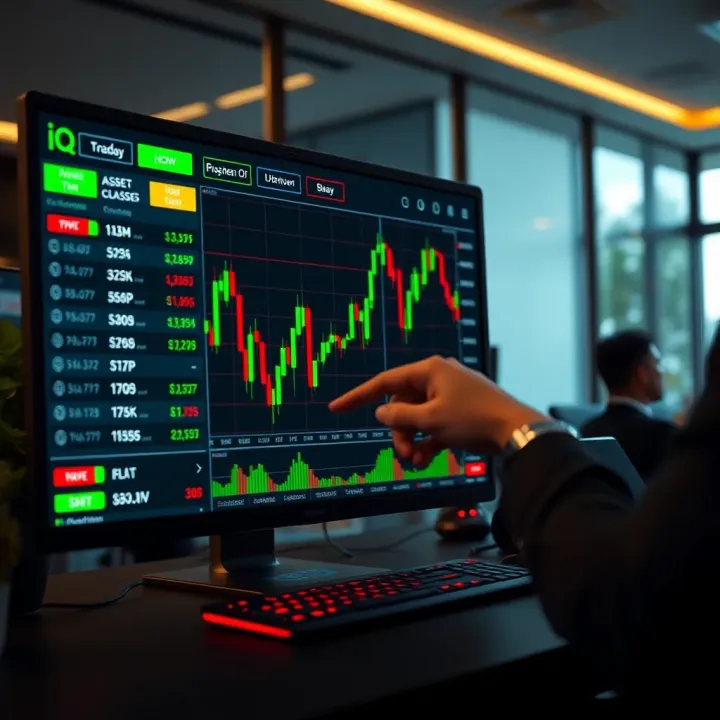
Explore IQ Option for Kenyan traders 🇰🇪: learn how to trade smart, set up accounts, manage risks, use M-Pesa payments, and spot trustworthy brokers for better success.
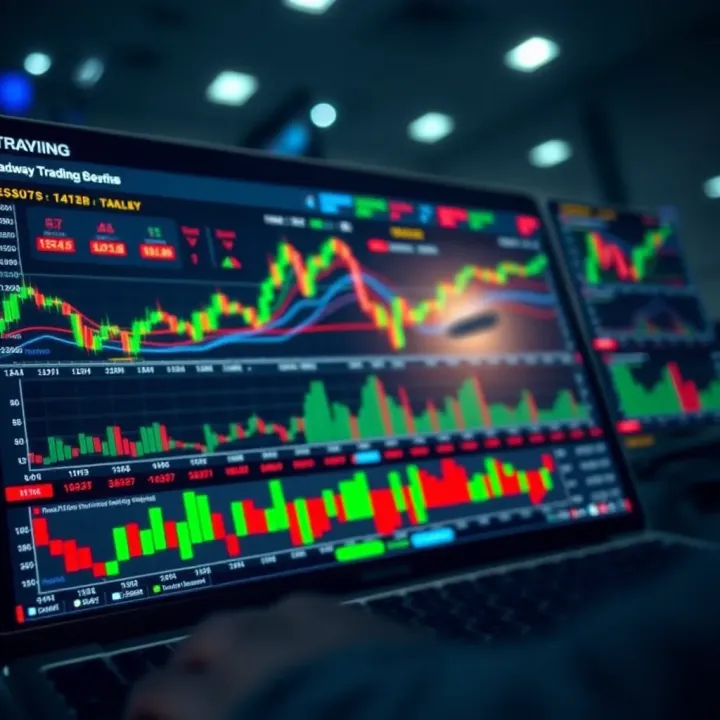
🔍 Explore Headway Broker's trading options, platforms, and reliable Kenyan customer support. Get clear insights for smarter trading choices and risk management today.
Based on 14 reviews