
CFD Trading Explained: A Guide for Kenyan Traders
Learn all about CFD trading in Kenya 🇰🇪: its key concepts, market options, smart strategies, risk tips, and how to start confidently today!
Edited By
Isabella Reed
TradingView is quickly becoming a key tool for Kenyan traders and investors who want to stay ahead in markets like forex, stocks, and cryptocurrencies. It offers live market data from global exchanges, allowing users to watch price movements as they happen. This platform is popular not just for its real-time updates but also for interactive charts and customisable technical indicators.
Besides just tracking prices, TradingView lets traders test strategies with historical data, making it easier to spot potential entry and exit points. Kenyan traders especially find value in its flexibility to link with brokers operating locally and internationally, so they can place trades directly without switching apps.
For anyone serious about trading or investing in Kenya, understanding how to use TradingView well can make a real difference.
The platform’s charting tools support various styles—from candlestick patterns commonly used in forex trading to line and bar charts preferred by stock traders. With easy-to-add technical studies like the Relative Strength Index (RSI) or Moving Averages, investors can get better insight into market trends.
Kenyan users often combine TradingView with M-Pesa or bank transfers for funding accounts, thanks to its seamless integration with brokers like FXPesa or EGM Securities. This makes it easier to manage funds and keep track of performance.
Real-time data on multiple asset classes including forex, equities, commodities, and cryptocurrencies
Customisable charting with indicators tailored for trend analysis and momentum
Alerts and notifications that help catch market moves without staring at the screen all day
Social community features where traders share ideas and strategies suitable for Nairobi’s market pulse
In summary, TradingView is a powerful tool that can fit the needs of different Kenyan market players—from beginners learning how to read charts to experienced analysts looking for in-depth data. This platform bridges local realities with global market opportunities, making it a must-have for efficient and informed trading.
TradingView supplies traders and investors with timely, practical tools that are easy to access and use. It brings together market data, charting options, and social features into one place, which helps both beginners and experts make informed decisions without jumping between multiple platforms. For Kenyan traders focused on Nairobi Securities Exchange (NSE) stocks or global markets, the platform's coverage and customisable tools offer a real edge.
TradingView delivers real-time price updates for many stock markets worldwide, including those relevant to Kenyan traders like the NSE and key international exchanges. This means you can monitor Safaricom, KCB Group, or even multinational companies like Apple and Tesla as their prices move. Having instant access to live stock prices allows you to take advantage of intraday trading opportunities or long-term investment decisions confidently.
For traders dealing in currencies, TradingView offers up-to-the-minute data on major forex pairs such as USD/KES, EUR/USD, and GBP/USD. This is crucial given how currency fluctuations can affect importers, exporters, and forex speculators within Kenya’s open economy. Commodity prices like coffee, tea, and oil are also tracked, which matters to businesses and investors tied to Kenya’s agricultural exports and energy costs.
Cryptocurrencies are booming in Kenya, where digital coins like Bitcoin and Ethereum attract traders looking for new opportunities beyond traditional markets. TradingView covers a wide array of crypto assets with live data, enabling you to follow price moves, spot trends, and compare altcoins side-by-side. This real-time info is key for those who watch for sudden market moves to enter or exit positions on platforms like BitPesa or Binance.
TradingView lets you choose from various chart styles including candlesticks, bar charts, and line graphs, each useful for different analysis approaches. You can view data from one-minute intervals to monthly timelines, suiting day traders or long-term investors. For example, a forex trader in Nairobi might monitor quick 5-minute charts during NSE business hours, while a pension fund manager focuses on weekly candles.
The platform provides hundreds of technical indicators, such as moving averages and RSI (Relative Strength Index), plus tools to draw trendlines or Fibonacci retracements directly on charts. These tools allow you to identify patterns and potential price reversals more clearly. For instance, drawing support and resistance lines on Safaricom’s stock chart can signal when to buy or sell based on historical price reactions.
TradingView allows you to save your customised charts and strategies. You can also share these with other traders publicly or within private groups. This feature encourages collaboration and learning from others, a big plus for Kenyan traders wanting to compare views on NSE stocks or forex markets. Sharing your analysis helps build credibility and often leads to constructive feedback, sharpening trading tactics.
Access to real-time data combined with flexible charts makes TradingView a practical tool for Kenyans eager to improve their trading strategies and stay ahead of market moves.
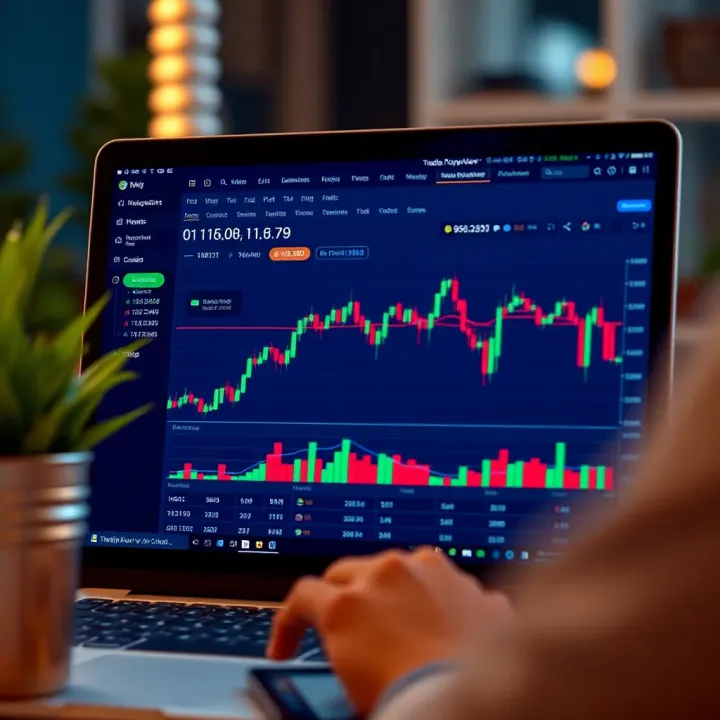
TradingView is a powerful tool for Kenyan traders and investors looking to engage with both local and international markets. Its accessibility via web and mobile platforms makes it easy for anyone in Kenya with an internet connection to tap into real-time market data and analysis tools. Understanding how to use TradingView effectively can improve your decision-making process and open opportunities to trade more efficiently.
Kenyan users can access TradingView through its website or mobile app. The website works smoothly on both desktop and mobile browsers, which is handy for those who prefer trading from their laptops or tablets. Meanwhile, the TradingView app is available on Android and iOS devices, meaning you can watch charts and manage trades right from your smartphone, whether you're commuting in Nairobi’s matatu or having tea at a local duka.
Access is straightforward — just sign up using your email or social accounts for a free plan, which already offers quite a bit. The mobile app keeps you connected to market movements even when you're away from your desk, letting you respond quickly to price changes.
Internet speed and device quality are key to getting the best out of TradingView. A stable connection, preferably broadband or 4G, ensures charts load fast and alerts reach you on time. While older smartphones or laptops can run TradingView, devices with decent processors and updated browsers deliver a smoother experience. For instance, trading during Nairobi Securities Exchange (NSE) opening hours or international market peaks demands real-time updates — lag can cost you.
TradingView supports integration with a range of brokers, including several accessible to Kenyan traders. While you may not link directly to local brokers like KCB Securities or Faida Investment Bank via the platform yet, international brokers popular in Kenya such as Interactive Brokers, ForexTime (FXTM), and Pepperstone can be connected. This enables placing trades within TradingView after analysing markets.
Using TradingView alongside M-Pesa payments simplifies funding your broker accounts further. Many brokers accept M-Pesa deposits through third-party services or their local representatives, which suits the Kenyan context where mobile money dominates financial transactions. This means you can top up accounts or transfer funds without dealing with complicated wire transfers, streamlining your trading setup.
Once linked to a supported broker, placing trades directly on TradingView becomes possible. This feature bypasses the need to switch platforms, letting you enter or exit positions faster. For example, if you've identified a breakout on the NSE using TradingView's charts, you can act immediately if your broker permits orders through the platform. This integration is especially useful for forex and CFD traders taking advantage of price swings dynamically.
Being able to analyse, fund your account, and place trades all in one place helps Kenyan traders stay competitive in fast-moving markets, reducing delays and increasing control.
TradingView’s flexibility fits well with Kenya’s growing trading community, allowing users to tailor their experience according to their needs, devices, and broker preferences.
TradingView offers several features that truly benefit traders and investors, especially in the Kenyan context where timely information and community insights can make a big difference. These key features range from interactive social tools to alert systems that help users stay ahead in the fast-moving markets. Understanding how to use these effectively can improve your trading decisions and portfolio management.
Joining discussions and chat rooms on TradingView lets you tap into a global and local pool of traders sharing ideas and market opinions. For a Kenyan trader following the Nairobi Securities Exchange (NSE), for example, joining chat rooms focused on NSE stocks or regional commodities provides direct access to real-time insights and strategies from peers who understand the local market nuances. These discussions can expose you to different analytical approaches, such as how current Kenyan macroeconomic news affects stock prices.
Being part of such communities encourages continuous learning and can help you spot trends or news quicker than relying on mainstream channels. Besides, engaging in chat rooms offers a chance to ask questions and clarify doubts with experienced traders from different backgrounds.
Following expert traders is another valuable Social Trading feature on TradingView. You can track seasoned professionals or well-known analysts who publish their trade ideas, chart analyses, and forecasts. For example, a Kenyan trader might follow an expert specialising in forex pairs like USD/KES or local blue-chip stocks such as Safaricom and Equity Bank.
This feature helps you benchmark your analysis and gain confidence in your strategies by observing how experts execute trades under varying market conditions. While you shouldn’t copy blindly, these insights often add an extra dimension to your decision-making.
Setting price and indicator alerts on TradingView is a practical tool for staying updated without staring at the screen all day. You can configure alerts to notify you when a stock hits a target price, when an indicator like the Relative Strength Index (RSI) crosses a level, or when a moving average crossover occurs. Kenyan traders can set alerts for NSE stock movements during market hours or for forex price levels relevant to their positions.
For instance, if you want to buy Safaricom shares once the price dips to KSh 28, setting an alert ensures you get notified immediately, allowing timely action without constant monitoring.
Receiving alerts via email and mobile means you can catch these signals regardless of your location. With most Kenyan traders using mobile phones extensively, receiving alerts directly on your mobile preserves your trading momentum and helps avoid missing crucial entry or exit points.
This notification system integrates well with Kenya's mobile network infrastructure, including M-Pesa users who might want to coordinate funds transfers quickly after receiving an alert. It’s an efficient way to blend analysis with execution in real-time.
Alerts and social features combine to make TradingView a dynamic platform that fits well into the busy lives of Kenyan traders, offering both information depth and convenience.
By leveraging these key features, Kenyan traders and investors can improve their market responsiveness and decision confidence while staying connected with a wider trading community.
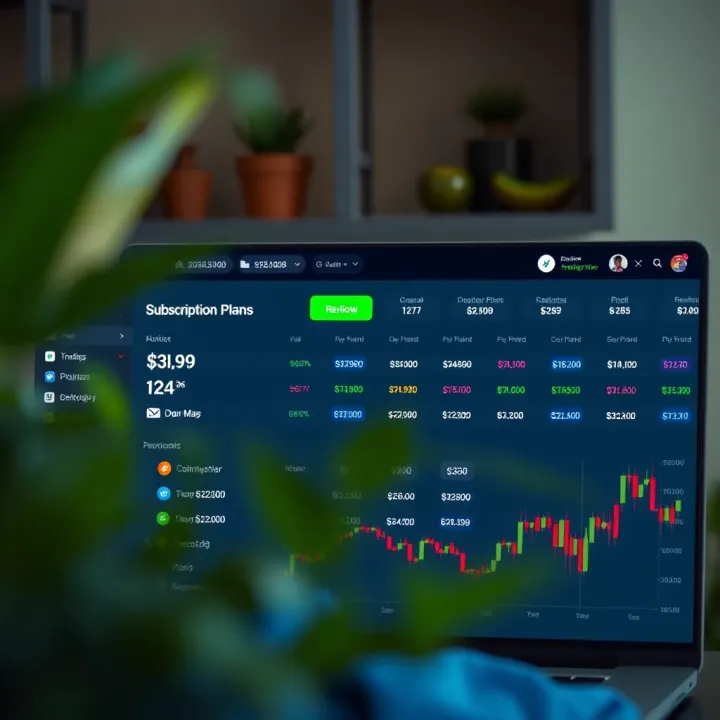
Subscription plans are key for anyone serious about trading or investing using TradingView. They offer different levels of access and features tailored to varied needs—from casual investors to professional traders. Understanding the costs and benefits helps Kenyan traders decide what fits their budget and trading style without overspending on unnecessary features.
The free version of TradingView gives access to a decent set of tools suitable for beginners or those trading casually. You get real-time data on many markets, access to a limited number of indicators, and basic charting features. This version lets traders follow price movements, apply simple technical analysis, and even save charts. For example, a Kenyan forex trader starting out can track major currency pairs and basic indicators without any cost.
However, the free version has its limits. Users can open only one chart per layout and are limited to three indicators per chart, which can restrict complex analysis. Also, saving and sharing your work doesn’t support multiple chart layouts.
When it comes to data refresh rates, free users experience slight delays, particularly for stocks and commodities. While forex and cryptocurrencies tend to update quicker, the delay might affect short-term traders relying on split-second data. For medium to long-term investors, this lag is usually not a dealbreaker.
TradingView offers three paid plans: Pro, Pro Plus, and Premium. Each step up gives more features and fewer restrictions. The Pro plan allows up to two charts per layout and ten indicators, useful for traders wanting to combine more tools for strategy. Pro Plus adds more charts and alerts, plus extended data on certain markets, while the Premium plan unlocks the maximum allowed charts, indicators, priority support, and custom alert capabilities.
For Kenyan investors who trade multiple assets or run several strategies, the Pro Plus or Premium plans might be worth the extra cost. The ability to set multiple alerts, for instance, can be very handy for tracking NSE shares alongside forex or cryptocurrency moves.
In terms of pricing, TradingView offers monthly and annual billing options. Paying annually usually cuts the monthly cost by about 15–20%. Kenyan traders should consider their typical trading volume and how frequently they’ll use advanced features before committing. It's wise to start with the free or Pro plan to test the platform’s fit, then upgrade if needed.
Thoughtful selection of a subscription plan can save you money while ensuring you have the right tools for your trading goals.
Overall, understanding these plans and costs helps Kenyan traders make informed choices on how to integrate TradingView into their investment routine effectively. The platform’s flexible offerings mean anyone from the novice at a duka stall to a professional portfolio manager in Nairobi can find a plan that suits their needs.
TradingView offers powerful tools that can enhance your trading and investment decisions. However, getting the most out of it requires a clear strategy tailored to Kenya’s unique market environment. This means not just relying on raw data or pretty charts but actively using features like technical indicators and backtesting, while keeping local market hours and global factors in mind. These tips help Kenyan traders avoid common pitfalls and better time their moves, which is vital, especially when trading on Nairobi Securities Exchange (NSE) or forex pairs affected by international markets.
Combining technical indicators is a practical way to refine your analysis. Rather than following just one indicator, you can blend several to spot trends and reversals more reliably. For instance, pairing Moving Averages with the Relative Strength Index (RSI) can help confirm if a stock on the NSE is overbought or oversold before making a trade. Kenyan traders often use indicators like Bollinger Bands alongside volume to identify volatility, crucial when trading forex pairs like USD/KES that can shift quickly due to local demand.
TradingView lets you customise these indicators and overlay them on interactive charts, which means you can adjust them to fit your trading timeframe—be it minutes or days. It’s essential to avoid crowding your chart with too many indicators, so pick a combo that aligns well with your strategy and stick with it.
Backtesting strategies allows you to test your trading rules against historical data before risking actual money. Suppose you want to try a strategy based on MACD crossovers on the NSE 20 shares; you can simulate how it would have performed over the past year using TradingView’s backtesting feature. This process helps identify if the strategy tends to work consistently or if it needs tweaking.
For Kenyan traders, backtesting also uncovers how local events, like election cycles or changes in CBK policies, might affect the strategy’s success. By experimenting backed by past data, you save money and build confidence, crucial when working with smaller capital common in Kenya’s hustle-driven market.
Focusing on NSE market hours is vital for timing trades correctly. Nairobi Securities Exchange typically runs from 9:30 am to 3:00 pm EAT, Monday to Friday. Using TradingView, you can set your charts and alerts to align with these hours. For example, instead of watching the tick-by-tick movement all day, you can concentrate on price action during active trading to avoid false signals when volume is thin outside trading hours.
This focus prevents you from reacting to noise or gaps caused by after-hours trading on foreign exchanges which don’t always match NSE workings. For someone juggling work with trading in Nairobi, sets of alerts tailored to NSE open and close times can help stay ahead without constant monitoring.
Considering global market influences is also key because Kenyan markets don’t exist in isolation. Movements in the US or European stock markets and commodity prices like crude oil and coffee impact local valuations and forex rates. For example, a drop in Brent crude prices usually affects Kenyan petrol costs, which in turn influence sectors listed on NSE, such as transport and manufacturing.
TradingView provides tools to follow major international indices and commodities alongside Kenyan assets. By observing how overnight trends in Wall Street precede NSE sessions, you can make better informed decisions. Also, knowing that forex pairs like USD/KES react strongly to global interest rate announcements can save a trader from surprises.
Aligning your strategy with local market hours and understanding the ripple effects from global markets can improve timing, reduce risks, and boost gains while trading on TradingView.
These tips help Kenyan traders sharpen their approach to TradingView, making it not just a platform for charts but a full tool for smart, informed investing tailored to local realities and global connections.
Learn all about CFD trading in Kenya 🇰🇪: its key concepts, market options, smart strategies, risk tips, and how to start confidently today!
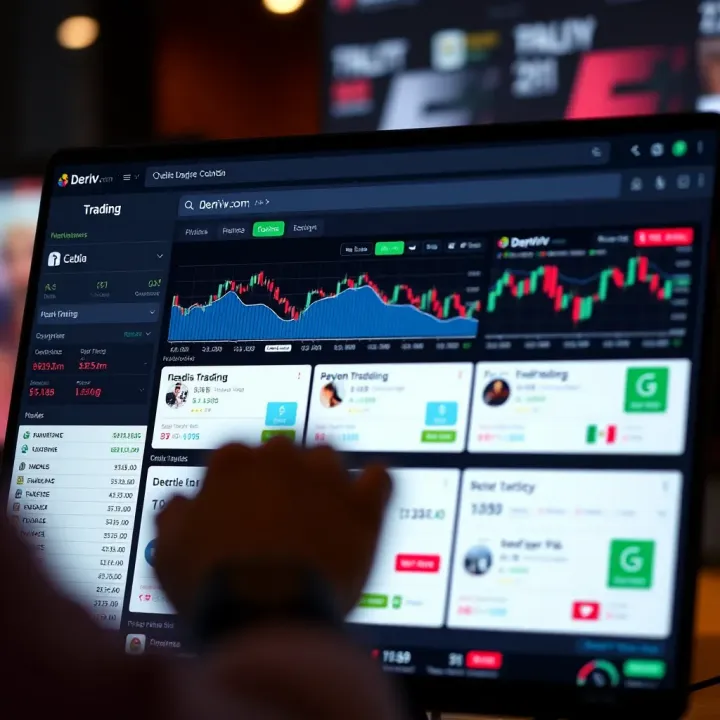
Explore Deriv.com’s features, trading options, and user experiences 🌍. Get insights tailored for Kenyan traders, including risks and tips for smart trading 📈.

Explore crypto trading in Kenya 🇰🇪 with tips on wallets, exchanges, market analysis, and managing risks. Perfect for beginners and traders alike 📊💼
Explore BitOption AI for Kenyan traders 🇰🇪: detailed insights on automated crypto & binary options trading, pros, cons, and safe startup tips 📈🤖
Based on 15 reviews