
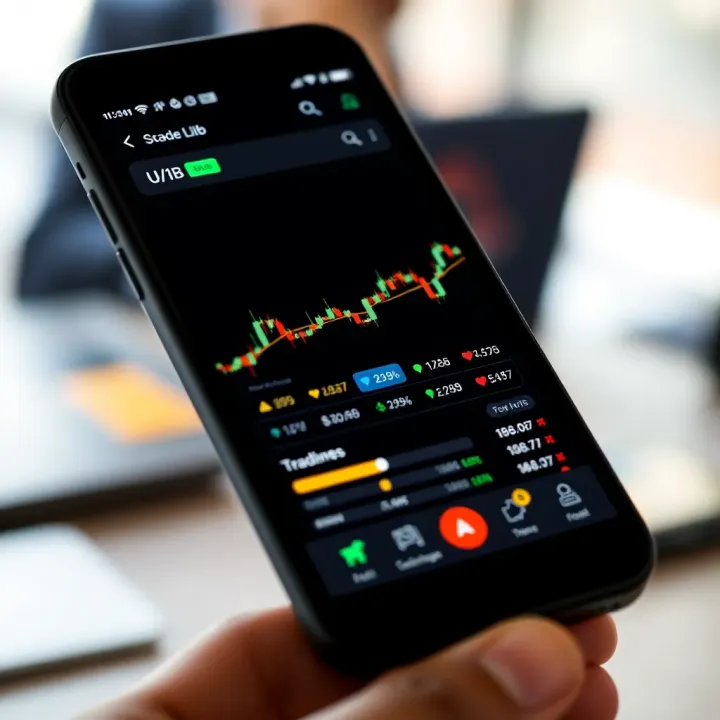
Best Trading Apps for Kenyans: A Practical Guide
📱 Looking for the best trading app in Kenya? Discover top choices, key features, and safe trading tips to boost your mobile trading experience today!
Edited By
Charlotte Green
Trading apps have become a popular tool for Kenyans looking to participate in financial markets without stepping into a physical brokerage office. Whether for shares, forex, or cryptocurrencies, these apps provide convenient access and real-time trading capabilities.
When selecting a trading app in Kenya, it's important to weigh several factors. First, consider the asset types offered—some apps focus on local shares listed on the Nairobi Securities Exchange (NSE), while others provide access to forex pairs or global cryptocurrencies. For example, apps like NCBA Securities and Britam cater primarily to NSE stocks, while platforms such as Binance or eToro offer a wider range including crypto and international forex.
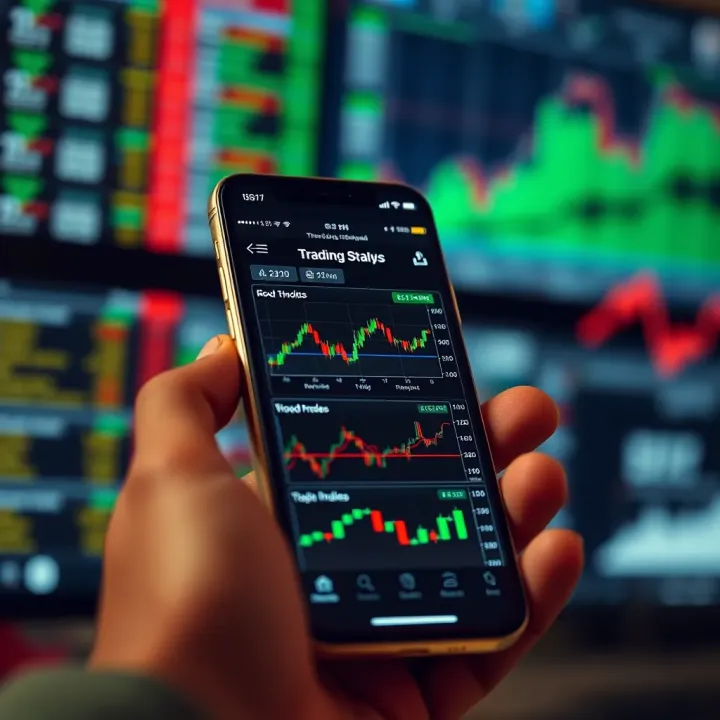
Security is a major concern given the rise in online scams and fraud. Always opt for apps regulated by Kenyan authorities like the Capital Markets Authority (CMA) or ones with a solid international track record. Look for features such as two-factor authentication and encryption. Avoid apps that ask for unusual permissions or offer unrealistic returns.
Fees and commissions vary widely. Some apps charge per trade, while others charge a small percentage of your portfolio. For instance, trading on NSE through apps like MyTrade involves broker commission plus regulatory fees, whereas forex platforms might use spreads or overnight charges. Understanding these costs upfront helps you avoid surprises and manage your investment returns better.
Kenyan traders should also be aware of the local regulatory environment, including tax obligations on capital gains from trading. Ensuring compliance reduces future headaches with the Kenya Revenue Authority (KRA).
Most trading apps are compatible with smartphones, a must in Kenya where mobile usage is high. However, reliable internet and power supply remain challenges in some areas, which may affect trading efficiency.
In summary, choosing the right trading app involves assessing asset diversity, security, costs, and regulatory compliance. With these in mind, Kenyan traders can better navigate the available options and trade with greater confidence and safety.
Trading apps have reshaped how Kenyans access financial markets. These apps make it easy to buy, sell, and monitor investments from your mobile device or computer, saving time and cutting out the middleman. Whether you are interested in shares, forex, or cryptocurrencies, understanding how these apps function will help you trade confidently and spot opportunities faster.
Placing buy and sell orders is the core feature of any trading app. Apps allow you to enter orders on the go, meaning you decide when to buy or sell shares, currency pairs, or coins directly through your mobile. For example, if you spot a good price for Safaricom shares on the Nairobi Securities Exchange (NSE) app, you can place a buy order immediately without needing to call a broker. This immediacy is vital in fast-moving markets where prices can shift by the minute.
Real-time market data and charts give you up-to-date information on price trends and market activity. Instead of relying on newspapers or outdated reports, you get instant access to live prices, candlestick charts, and volume levels. This helps you analyse movements and plan your trades better. Suppose the Kenyan shilling experiences volatility against the US dollar; your forex app’s real-time graphs can guide when to enter or exit a trade, reducing guesswork.
Portfolio tracking and management tools help you keep an eye on your investments without fuss. You can check how your shares, forex positions, or cryptocurrencies are performing and see overall returns at a glance. Good apps notify you when your investments hit targets or fall below a certain level, so you're always in control. For example, using an app like EABL's investor platform, you can watch your stock’s performance alongside dividends earned, helping plan next moves.
Shares listed on Nairobi Securities Exchange (NSE) are among the most popular assets for Kenyan traders. Trading apps provide access to a variety of companies such as Safaricom, KCB Group, Equity Bank, and East African Breweries Limited. This local focus allows you to invest in Kenya’s economy easily, making sense if you want to keep your money where you understand the regulatory and business environment.
Forex currency pairs are another asset type widely traded on Kenyan apps. Major pairs like USD/KES (US dollar to Kenyan shilling) attract many traders due to daily foreign exchange demand in Kenya. These apps often allow leverage, increasing potential gains but also risk. Traders watch global economic news and CBK (Central Bank of Kenya) policies closely since these affect currency swings.
Cryptocurrencies commonly traded in Kenya include Bitcoin, Ethereum, and stablecoins like USDT. With rising interest in crypto among Kenyan youth and tech-savvy investors, many apps now offer crypto trading alongside traditional assets. Payment methods like M-Pesa make it simple to fund accounts for crypto purchases. However, digital asset prices remain highly volatile, so traders need to monitor news and regulation updates.
Understanding how trading apps work and the asset choices provides a strong foundation for making informed decisions. Being aware of each core function ensures your trading experience stays smooth and aligned with your financial goals.
Understanding the popular trading apps in Kenya gives users an edge in navigating the markets more efficiently. These apps are designed to suit local needs, from supporting the Nairobi Securities Exchange (NSE) share trading to offering access to Forex and cryptocurrencies. Choosing an app that fits your trading style matters, whether you are dealing with shares or more volatile assets like cryptocurrencies.
Local stock trading apps must offer user-friendly features that make trading straightforward and secure. For instance, easy order placement, up-to-date market prices, and portfolio tracking are essential. Kenyan apps also focus on smooth integration with the NSE's systems, ensuring investors can monitor their shares in real time and make prompt decisions based on market movements.
These apps often support deep integration with KRA PIN and iTax portals. This linkage simplifies tax matters, such as deducting withholding tax or declaring profits for income tax purposes. For Kenyan investors, handling tax compliance while trading can be a headache; therefore, having this integration built into the trading app reduces errors and saves time.
Examples of trusted NSE trading apps include platforms like NSE Mobile Trading and broker-specific apps such as Faida Investment Bank or Genghis Capital. These platforms have solid regulatory backing, user-friendly interfaces, and often provide tutorials or support to help new investors navigate the market.
Forex trading remains popular in Kenya, with many turning to apps like Binance, FXTM, or HotForex. These platforms provide access to various currency pairs and allow Kenyan traders to fund their accounts directly through M-Pesa or bank transfers. The ease of depositing and withdrawing money locally makes them appealing.
Cryptocurrency trading taps into a growing market in Kenya, with exchanges like Binance and Yellow Card gaining traction. These platforms offer Bitcoin, Ethereum, and other popular coins with options to deposit via M-Pesa or bank account. Accessibility and trustworthiness are key, given the many scams in the crypto space.
Payment methods are crucial to the user experience. Most Kenyan trading apps now support M-Pesa, the dominant mobile money service, alongside bank transfers. This broad payment flexibility helps traders quickly move funds in and out of their trading accounts without unnecessary delays or extra fees. In practice, you can top up your trading wallet using your Safaricom mobile money, then start trading with minimal fuss.
Choosing the right trading app in Kenya depends on the assets you want to trade, the ease of payment options like M-Pesa, and whether the app supports local regulations such as KRA integration. Familiarising yourself with trusted apps used by many Kenyans can lead to smarter trading decisions and smoother transactions.
Choosing the right trading app in Kenya goes beyond just picking one with flashy features. It’s about finding a platform that ticks all the boxes for security, affordability, and usability so you can trade confidently without surprises. For Kenyan traders, especially those dealing with shares on the NSE, forex, or crypto, these factors make the difference between straightforward trading and costly frustrations.
The Capital Markets Authority (CMA) is Kenya’s regulator for securities and investment markets. A trading app licensed by CMA has met certain standards meant to protect investors. This licence serves as a safeguard against fraud and malpractice. For example, apps regulated by CMA are required to keep client funds separate from their operating funds, minimising risk if the company faces financial trouble.
Using an app without this licence could expose you to unregulated operators, which might not honour your trades or even vanish with your money. Always verify the CMA registration before committing.
Strong encryption means the app scrambles your data as it travels over the internet, keeping it safe from hackers. Many top Kenyan trading apps use 256-bit encryption, the same level banks apply. Along with this, two-factor authentication (2FA)—such as OTP codes sent to your mobile or email—adds a second lock on your account beyond just your password.

Without these, your account could be vulnerable to cyberattacks, especially since mobile phones are prone to theft or loss. Look for apps that require fingerprint or facial recognition too, as these biometrics provide extra protection for your investments.
Kenyan law requires firms handling personal data to secure it against misuse. A trading app should have a clear privacy policy explaining how your information is stored, used, and shared. This is essential because your financial data is highly sensitive, and leaks can lead to identity theft.
Apps that comply with the Data Protection Act and demonstrate transparency about their data handling earn users’ trust. Avoid apps that don’t clearly explain their privacy practices or ask for excessive personal info with no apparent reason.
Typically, trading apps charge a commission fee for every buy or sell order you place. This fee can be a flat rate or a percentage of the trade value. For example, some local NSE stock trading apps charge about 0.1% to 0.15% per transaction.
Understanding these fees is key because frequent trading can eat into your profits if commissions are high. Choose an app that suits your trading frequency and budget; low commission apps might actually save you thousands of shillings over time.
Also consider how much it costs to add funds or withdraw money from the trading account. Some apps charge fees for deposits via M-Pesa or bank transfers, while others offer free deposits but charge a withdrawal fee. For instance, an app might charge KSh 100 for each withdrawal to your bank.
These charges may seem small but can accumulate, especially if you trade actively or move funds often. Check these costs carefully so you don’t get caught off guard.
Occasionally, apps have fees that aren’t upfront, such as inactivity charges if you leave your account dormant for months, currency conversion fees if you trade foreign assets, or costs for real-time data access.
Always read the fine print and ask customer support about any extra costs. Transparency saves you from nasty surprises that can spoil your trading experience.
A smooth, well-designed interface makes all the difference in trading because it affects how quickly and accurately you can place orders. For example, an app with cluttered screens or complicated menus slows you down and may lead to mistakes.
Look for apps that display clear charts, portfolio summaries, and order statuses. Many Kenyan traders prefer apps that integrate with M-Pesa seamlessly for easy top-ups and withdrawals.
Good customer support matters, especially when you’re dealing with money. Ideally, your trading app should offer live chat or phone support during Kenyan business hours, plus quick email responses.
Support teams that understand local trading challenges can guide you through account issues or explain charges clearly. Apps without localised help may leave you stranded when urgent problems arise.
Even experienced traders need timely market information and learning tools. Many quality apps provide news updates, tutorials, and analysis tailored to Kenyan markets. These resources assist users to make informed decisions instead of guessing.
For instance, apps that include KCSE and Kenya market-specific economic news give traders an edge over those relying on generic global content.
Picking a trading app with strong security, reasonable fees, and user-friendly support reduces risks and improves your ability to trade confidently in Kenya’s dynamic markets.
Overall, weigh these factors carefully before downloading or funding your next trading app. The right choice sets you on a clearer path toward consistently smart trading and better returns.
Getting started with a trading app is the first step to tapping into Kenya’s growing investment opportunities. Whether you want to trade on the Nairobi Securities Exchange (NSE), forex, or cryptocurrencies, understanding the setup process helps you avoid common pitfalls and ensures smooth access to financial markets.
Most trading apps require a valid Kenyan ID or passport to confirm your identity. You’ll also need your Kenya Revenue Authority (KRA) Personal Identification Number (PIN) for tax compliance. Some platforms ask for proof of residence like a recent utility bill or bank statement. These documents help prevent fraud and meet Capital Markets Authority (CMA) regulations.
Connecting your bank account or mobile money, such as M-Pesa, is critical for funding and withdrawing from your trading account. Many Kenyan apps allow easy integration with popular banks, and M-Pesa remains a popular payment channel for quick deposits and withdrawals. Linking these accounts saves time and avoids delays when moving money.
The KYC process verifies your identity to protect against money laundering and financial crimes. You may be asked to submit identification documents and sometimes a selfie for biometric verification. Completing KYC promptly is key to unlocking all trading features and higher deposit limits on most apps.
Top trading apps in Kenya support multiple funding methods including M-Pesa, bank transfers, and debit or credit cards. M-Pesa is particularly handy because it's widely accessible and fast. However, bank transfers and cards may have higher limits or lower fees for larger amounts.
Each platform sets its own minimum deposit, often starting from as low as KSh 1,000 for entry-level traders. Knowing this helps plan your initial investment. Some apps may have higher thresholds, especially for forex or crypto trading, so it pays to confirm before signing up.
When funding accounts in Kenyan shillings but trading assets listed in foreign currencies, exchange rates and conversion fees can affect your returns. Apps often display real-time rates and may offer multi-currency wallets. Understanding these details helps avoid surprises in your portfolio value.
Start by selecting the asset class you wish to trade, like NSE shares, forex pairs, or bitcoin. Then choose the order type—market orders execute immediately at current prices, while limit orders wait for your target price. This choice impacts how quickly your trade fills and the price you pay.
Stop loss and take profit orders help manage risk and lock in gains by automatically closing trades once prices hit your set levels. For example, if you buy Safaricom shares at KSh 30, setting a stop loss at KSh 28 limits losses if the price dips.
Keep an eye on market movements using real-time charts and alerts in your app. You can close trades manually if conditions change or let your preset orders do the work. Regular monitoring helps you act swiftly and protect your investment.
Starting with a well-configured trading app and understanding each step from account setup to executing trades builds confidence and controls risks for Kenyan investors.
Trading on mobile apps brings convenience, but it also comes with risks that Kenyan traders must understand. Being aware of these challenges helps you protect your investment and make smarter decisions. As mobile trading grows in Kenya, knowing how to navigate potential pitfalls is just as important as knowing how to place a trade.
Market prices can change rapidly, especially in forex and cryptocurrency trading. This means the value of your assets may fluctuate significantly within minutes or hours. For example, a trader might buy shares listed at NSE only to see their value drop due to sudden political news or economic data announcements. Such swings can lead to quick profits, but they can wipe out your gains or capital if you're unprepared.
Kenyan traders must watch out for these sudden moves, particularly during global events that impact currencies or regional stock markets. Volatility demands active monitoring; failing to do so can turn what looks like a winning trade into a loss quite fast.
Mobile trading apps often require sensitive data, such as bank details and identity information, making them prime targets for cybercriminals. In Kenya, reports of fake trading platforms or phishing scams pretending to be legitimate apps have caused losses for many.
These scams often lure you with promises of quick profits or insider tips but aim to steal your login credentials or money. It's essential you only use apps licensed by the Capital Markets Authority (CMA) and verify the source of all communication. Using unsecured public Wi-Fi or neglecting app updates can also expose you to risks.
Though Kenya’s CMA regulates many trading platforms, the rules around cryptocurrencies and new fintech services are still evolving. This regulatory uncertainty can create risks if an app loses its licence or new laws restrict certain trades.
For example, some crypto exchanges faced hurdles due to unclear legal frameworks, leaving investors unable to withdraw their funds promptly. Staying informed about regulatory changes in Kenya helps you avoid platforms that may become non-compliant.
Securing your trading account with 2FA adds an extra layer of protection beyond just a password. When enabled, 2FA requires you to enter a code sent to your mobile number or generated by an app each time you log in or authorise a trade.
This means even if a scammer gets hold of your password, they won’t easily access your account. Most reputable trading apps available in Kenya offer this feature — it’s wise to activate it right away.
Beginning with minimal amounts lets you test the app’s functions and market dynamics without risking large sums. Many Kenyan traders start with as low as KSh 1,000 or KSh 5,000 to understand market behaviour.
This approach provides valuable learning while protecting your capital. Mistakes and losses early on are less damaging, giving you a chance to refine your strategy before scaling up.
Markets react to news — whether it’s changes in government policy, international trade talks, or regional economic indicators. Following Kenyan business news outlets and financial analysis helps you anticipate movements that might affect your investments.
You can subscribe to alerts or use app features that aggregate relevant news. Staying informed helps avoid surprises and makes your trading decisions more timely and grounded.
Practising caution and constant learning on trading apps reduces the chance of losses and helps you build your confidence steadily. Mobile trading is accessible, but it demands respect for the risks involved and commitment to safe habits.
By understanding the challenges and following these practical tips, Kenyan traders can make the most out of mobile trading platforms with better protection and smarter strategies.
📱 Looking for the best trading app in Kenya? Discover top choices, key features, and safe trading tips to boost your mobile trading experience today!

📱 Discover how trading apps are reshaping Kenya’s investment scene! Learn to pick the best app, manage risks, and trade stocks, forex & commodities safely.
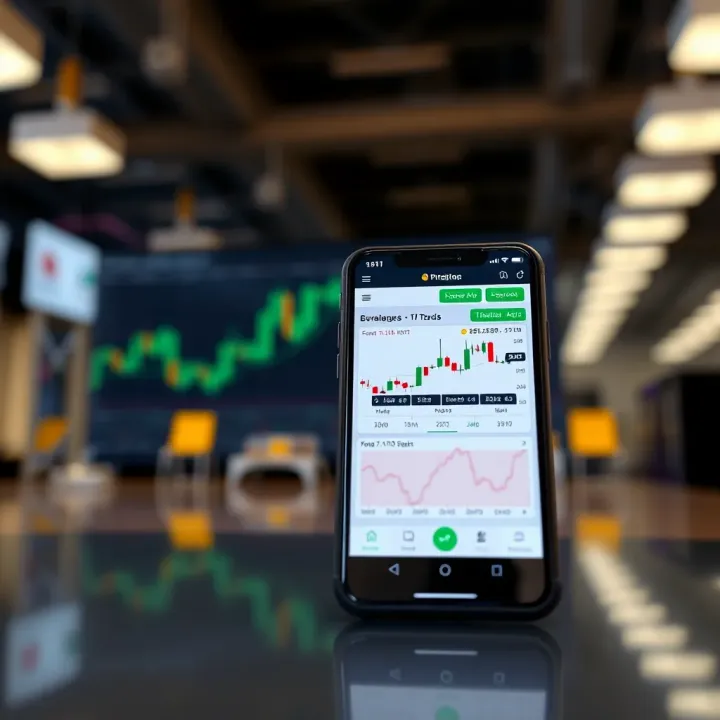
📈 Find the best trading app in Kenya with our practical guide! Learn about user-friendly features, security, fees, and top picks for every investor.
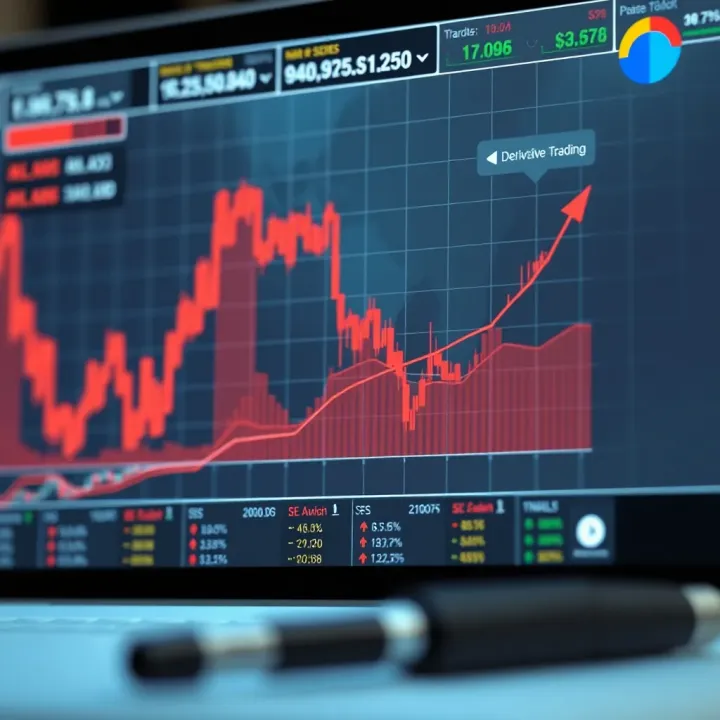
📊 Discover derivative trading in Kenya: learn types, how to manage risks and speculate wisely, understand legal rules to trade safely and grow your KSh investments.
Based on 15 reviews