
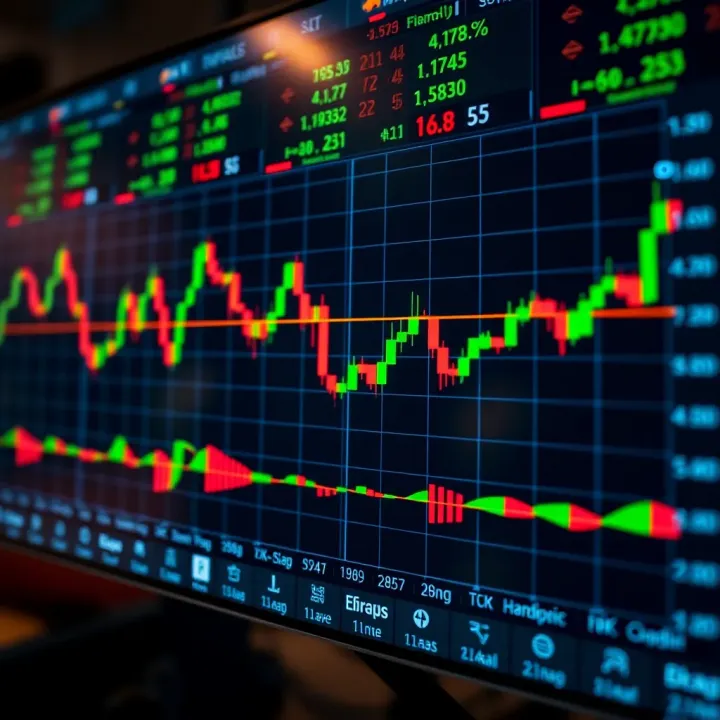
Understanding Forex Bots for Kenyan Traders
🤖 Discover how forex bots trade currencies automatically, their risks, benefits, and what Kenyan traders must know before using them for smart forex trading.
Edited By
James Whitaker
Forex trading bots have become a common tool among traders in Kenya and across the globe. These computer programmes operate automatically to execute trades based on pre-set algorithms, reducing the emotional swings that humans often experience when trading currencies. With the forex market open 24/5, bots allow continuous trading activity without the need for constant human supervision.
The rise of forex bots in Kenya is tied to wider access to technology and mobile money platforms like M-Pesa, which make funding and withdrawing from forex accounts simpler. Traders here now use bots not just to increase speed but to spot patterns and react faster than manual trading allows.
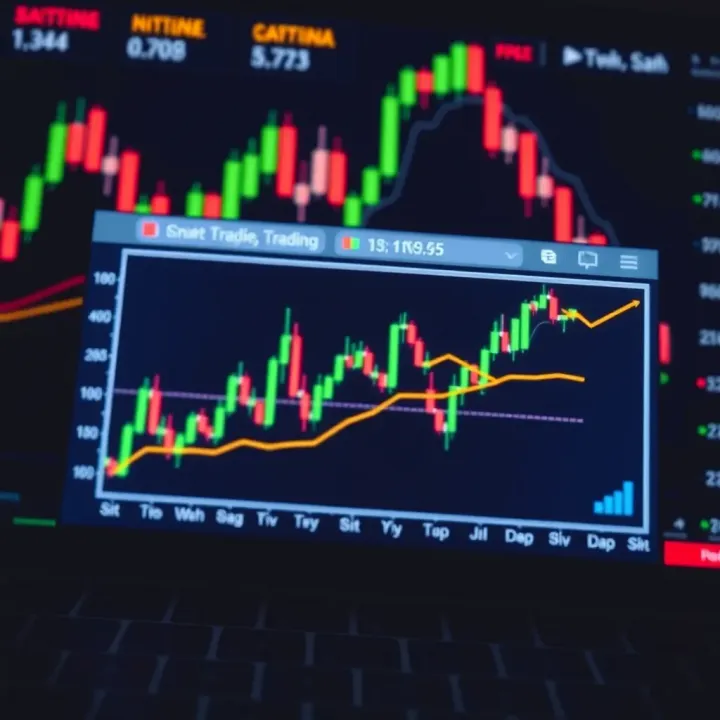
Using a forex trading bot does not guarantee profits. It is a tool to help implement consistent strategies and manage trades efficiently, especially in volatile markets.
Bots vary widely in complexity—from basic rule-based scripts that buy or sell at certain price points, to advanced systems using artificial intelligence and machine learning. While basic bots follow clear instructions (like buying when the USD/KES hits a specific price), more advanced ones analyze multiple factors including trends, volume, and news sentiment.
There are a few key reasons Kenyan traders find bots useful:
Reducing emotional bias: Bots stick to their programmed strategy without panic or greed influencing decisions.
Speed: Bots can instantly react to market movements faster than a human can.
Availability: They trade around the clock, covering different global forex sessions.
However, traders must be aware of risks such as technical glitches, over-optimisation for past data (curve-fitting), and the false sense of control these automated systems might foster. Practical considerations include choosing bots suited to local market conditions, ensuring compatibility with reputable trading platforms, and setting realistic profit and loss limits.
In the following sections, we will explore how these bots function, their benefits and drawbacks, and tips on selecting reliable options tailored for Kenya’s forex market.
Getting a clear grasp of what forex trading bots are and how they function is key for anyone looking to use them effectively. In currency trading, these automated systems can help you operate without needing to watch the market constantly, saving time and reducing human error. For Kenyan traders especially, where the forex market runs 24/5 globally but your trading hours might be limited, bots fill that gap nicely by trading nonstop.
Forex trading bots are computer programs designed to automate the buying and selling of currencies on your behalf. They follow predefined instructions, or algorithms, based on market trends, price movements, or technical indicators. Essentially, instead of you sitting at your computer all day analyzing charts, a bot tirelessly scans the market and executes trades faster than any human could.
There are several common types of forex trading bots used worldwide, including:
Trend-following bots: These look for and trade in the direction of market trends. If the dollar is gaining strength against the euro, for example, they buy dollars expecting the trend to continue.
Range-bound bots: These operate where prices move within a band. They buy at support (lower price limit) and sell at resistance (upper price limit), making profits in sideways markets.
News-based bots: These react to economic announcements, such as Kenya's GDP releases or US Central Bank decisions, to place trades quickly around volatility spikes.
Understanding these types helps you pick the right bot for your market style.
Algorithmic trading strategies lie at the heart of forex bots. These strategies define rules for entering and exiting trades based on price action, volume, or specific event triggers. For example, an algorithm might specify "buy EUR/USD when the 50-day moving average crosses above the 200-day moving average," a common trend-following rule. This precision removes guesswork from your trades.
Bots also rely heavily on technical indicators and preset rules to decide what action to take. Indicators like Relative Strength Index (RSI), moving averages, or Bollinger Bands provide signals about market momentum or overbought/oversold conditions. The bot uses these signals to follow its programmed logic. This means that the success of a bot depends on how well the algorithm interprets these indicators.
Automation is what makes forex trading bots practical. Once set up, the bot connects to your broker's platform via an Application Programming Interface (API) and automatically sends trade orders without your intervention. This execution process is much faster than manual trading and can respond immediately to market changes. For example, during off-hours in Nairobi when you are asleep but New York market is active, your bot can still open or close positions based on live data.
Forex trading bots offer Kenyan traders the chance to participate in global currency markets around the clock, enabling quicker reaction to market events and removing tiring manual checks.
Choosing the right bot and understanding its technology lets you make smarter decisions and manage your trading more efficiently.
Forex trading bots offer Kenyan traders several practical benefits, especially given the fast-moving nature of currency markets and the unique challenges local traders face. From ensuring continuous market coverage to eliminating emotional biases, these automated tools provide a solid edge when you’re navigating forex trading alongside daily commitments or fluctuating market conditions.
24/7 trading capabilities: The forex market never truly closes; it operates across different time zones without a break. Bots can monitor and trade around the clock, unlike human traders who need rest. For a Nairobi-based trader, this means the markets in London or New York can be engaged even during local off-hours. This constant activity gives you a better chance to capture profitable moves or exit a losing position without delay.
Faster execution than human traders: Execution speed is critical in forex trading because currency prices can shift within seconds. Bots execute orders automatically based on preset strategies, making trades in milliseconds. For example, if the bot detects a drop in the USD/KES rate below a certain level, it can execute buy orders immediately, potentially securing better entry prices. This speed prevents missed opportunities and reduces risks from price slippage that humans would face when reacting manually.

How bots eliminate emotional bias: Emotions like fear or greed often cloud judgement and lead to poor trade choices. Bots operate purely on logic and predefined rules, removing feelings from the picture. In practice, this means a bot won’t hesitate to cut losses or take profits when conditions fit, unlike some traders who might cling onto losing trades hoping for a turnaround.
Impact on decision consistency: By following the same strategy without deviation, bots maintain uniform trading decisions. This consistency helps build reliable performance patterns over time. Kenyan traders struggling with impulsive decisions can especially benefit, as bots stick to risk management rules like stop-loss and take-profit levels every single trade.
Testing strategies on historical data: One big advantage of forex bots is their ability to test a trading strategy on past price movements. This backtesting highlights how a setup might have performed during different market conditions. For example, a trader could run a bot using the USD/EUR pair data for the past five years before deploying it live. This process reveals strengths and weaknesses without risking real money.
Refining bots before live trading: Backtesting is just the starting point. Traders can adjust parameters and fine-tune their bots until they fit their risk appetite and trading goals. In the Kenyan context, this is particularly useful when market volatility spikes during major events like central bank announcements or election periods. Refinement means entering live trading with confidence that your bot is tailored to current realities, not just theory.
Forex bots bring continuous monitoring, objective decision-making, and strategic testing into play, supporting Kenyan traders with tools that match the pace and pressures of modern currency markets.
Using forex trading bots comes with several challenges and risks that traders need to consider carefully. These systems run on algorithms, but the forex market’s complexity means that no bot can predict every turn. Understanding these limitations is critical, especially for Kenyan traders who face unique market and technological conditions.
Sudden market shifts can quickly undermine a bot’s performance. For example, in Kenya, major geopolitical events or economic announcements — like CBK’s interest rate decisions or unexpected currency policy changes — can cause rapid market swings. Bots programmed to follow certain trends might react poorly during such volatility, resulting in unexpected losses.
Relying solely on algorithms has its limits. Bots do not have the discretion or flexibility humans have to interpret news or adjust to sudden changes beyond data patterns. An algorithm might continue trading in the face of deteriorating market conditions simply because the preset rules haven’t accounted for new information. This rigidness can hurt traders if they don’t monitor or intervene when needed.
Software bugs and connectivity interruptions present real risks. A bot glitch or a sudden internet drop can cause delayed order execution or even failed trades, costing money. For Kenyan traders, where internet stability can fluctuate outside major urban centres, this is a common concern. These technical faults highlight why continuous monitoring is vital even when using automated tools.
Malware and unauthorised access are another significant danger. Since bots require access to trading accounts, they create an entry point for cybercriminals. If a bot or the device it operates on gets compromised, hackers might manipulate trades or steal funds. Kenyan traders should prioritise strong security measures like two-factor authentication and regularly update software to reduce these risks.
All forex trading activities, including bot use, must comply with the Capital Markets Authority (CMA) regulations. The CMA oversees forex trading practices to protect investors and maintain market integrity. Using bots that perform trades outside approved guidelines or with unregistered brokers might expose traders to legal penalties or account closures.
Broker compatibility is another practical factor. Not all brokers supported in Kenya allow full integration with trading bots. For instance, some local brokers might lack the necessary API (Application Programming Interface) connectivity or place restrictions on automated trading. Choosing a broker that matches your bot’s technical needs is essential to avoid disruptions or restricted access.
Manage expectations with forex trading bots: while they can boost efficiency, traders must account for technical, regulatory, and market risks and stay actively engaged in their strategies.
Understanding these challenges allows Kenyan traders to take a balanced approach, combining the strengths of bots with human oversight and smart risk management.
Using forex trading bots effectively requires more than just buying a software and switching it on. Kenyan traders need practical pointers to maximise benefits and minimise risks. Good habits like picking the right bot, ensuring compatibility with local brokers, and managing risks turn automated trading into a useful tool rather than a gamble.
A reliable bot starts with trustworthy developers. In Kenya's growing forex space, some bots come from established teams with good track records, while others are less clear. Checking forums, social media groups, and review sites like ForexPeaceArmy can reveal the bot's actual performance and any red flags. For example, a bot with many user complaints about crashes or inconsistent results likely needs caution.
Trustworthy bots usually offer clear algorithm descriptions, transparent performance reports, and real-time monitoring options. Traders should prefer bots that disclose their strategies (like trend-following or scalping) and allow customisation of parameters. Also, security features such as encrypted data transmission and two-factor authentication help protect your trading account.
For bots to operate with brokers, they must connect through Application Programming Interfaces (APIs). Kenya-based traders should confirm that their broker supports reliable API access. Without this, a bot cannot execute trades automatically. Popular brokers like HotForex and XM provide good API documentation, ensuring bots can interact smoothly with their trading platforms.
Many Kenyan traders prefer brokers such as HotForex, Exness, and Pepperstone because of their broad compatibility with trading bots and relatively low spreads. Choosing a broker that supports MetaTrader 4/5 (MT4/MT5) platforms is also common, as many bots operate on these. Before committing funds, check your broker’s policy on automated trading to avoid surprises.
Bots can follow your risk appetite if configured properly. Setting stop-loss limits caps your losses if the market moves against your position, while take-profit points secure gains once targets are met. For example, a Kenyan trader using a bot can set a stop-loss to limit loss to 2% of their capital per trade, helping manage total exposure.
Automation does not mean ‘set and forget’. The forex market changes, and bots may underperform if left unchecked. Traders should regularly review logs and performance reports to detect unexpected draws or wasted trades. Adjusting bot parameters or pausing it during volatile events like Central Bank of Kenya announcements helps maintain good results.
Practicality beats theory in forex bot use. Reliable selection, smooth integration, and proper risk control keep automated trading as a useful addition to your forex strategy in Kenya.
Forex trading bots are steadily becoming a more significant part of Kenya's trading scene. Their future depends largely on how easily traders can access and trust these tools, particularly as technology evolves and the regulatory landscape tightens. For Kenyan traders, understanding this outlook helps them prepare for changes and opportunities ahead.
Kenya has witnessed a rapid increase in internet penetration and mobile connectivity over the past decade. Services like Safaricom's 4G network and affordable smartphones have put online trading within reach even for traders outside Nairobi. With better connectivity, forex trading bots can operate more reliably, enabling real-time data processing and swift order execution. For example, a trader in Kisumu can now run a bot using a stable mobile connection to manage currency pairs more effectively than before.
Moreover, the availability of platforms that support M-Pesa payments for funding trading accounts simplifies the process for Kenyan users. This accessibility lowers entry barriers and encourages more people to experiment with automated trading, contributing to a broader user base for forex bots.
As bots grow popular, education is catching up. Workshops, webinars, and online content tailored for Kenyan traders increase awareness about choosing and using forex trading bots wisely. Some financial institutions and private educators offer courses that demystify algorithmic trading concepts, making them easier to grasp.
Informed traders are less likely to fall for scams or dubious software. They understand the importance of backtesting strategies and the limitations of automation. For instance, groups on social media and forums specifically discuss forex bots' effectiveness, helping peers exchange experiences and improve their trading skills. This knowledge sharing fosters a community that supports safer and smarter use of bots in Kenya.
The next generation of forex trading bots will be smarter, using artificial intelligence (AI) and machine learning (ML) to adjust their strategies based on changing market conditions. Unlike traditional bots that strictly follow preset rules, AI-powered bots can learn from past trades and adapt to new patterns, improving profit potential.
In Kenya, such intelligent bots could be a boon, especially given the forex market's volatility linked to economic news or currency fluctuations in the East African Community. For example, an AI bot might notice subtle trends in the USD/KES pair influenced by CBK's policy changes and adjust trades accordingly without needing manual intervention.
Despite these advancements, the cost of AI-enhanced forex bots remains a hurdle for many Kenyan traders, especially those just starting or operating with small capitals. High subscription fees or complex interfaces can discourage adoption and widen the gap between institutional and retail traders.
Usability is another concern. Advanced bots often require some coding knowledge or technical savvy to set up and monitor effectively. Without user-friendly design, less experienced traders might struggle, increasing their risk of loss. This calls for software developers to focus on simplified platforms that offer AI benefits without overwhelming users.
Keeping an eye on these trends will help Kenyan traders position themselves better, whether by taking advantage of upcoming tech or preparing for challenges.
In summary, forex trading bots in Kenya have a promising future bolstered by growing internet access, rising education efforts, and technological breakthroughs in AI. However, addressing affordability and ease of use will be key if these tools are to serve a wider range of traders beyond the well-funded few.
🤖 Discover how forex bots trade currencies automatically, their risks, benefits, and what Kenyan traders must know before using them for smart forex trading.
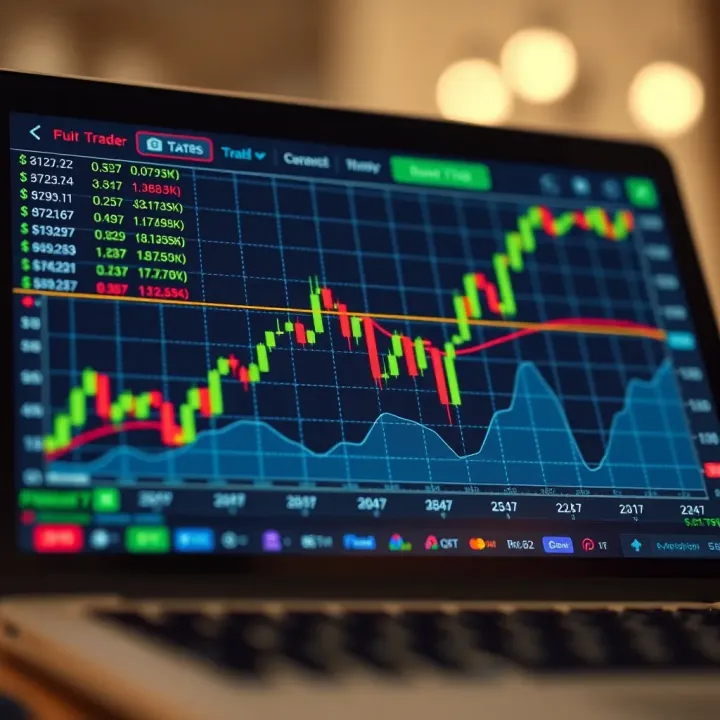
📈 Learn how Kenyan traders can start forex trading online with the right platforms, manage risks effectively, and follow local regulations for success.

🤖 Learn how forex bots automate trading, their benefits and risks, plus what Kenyan traders should know to use them safely and boost their currency trading strategies.
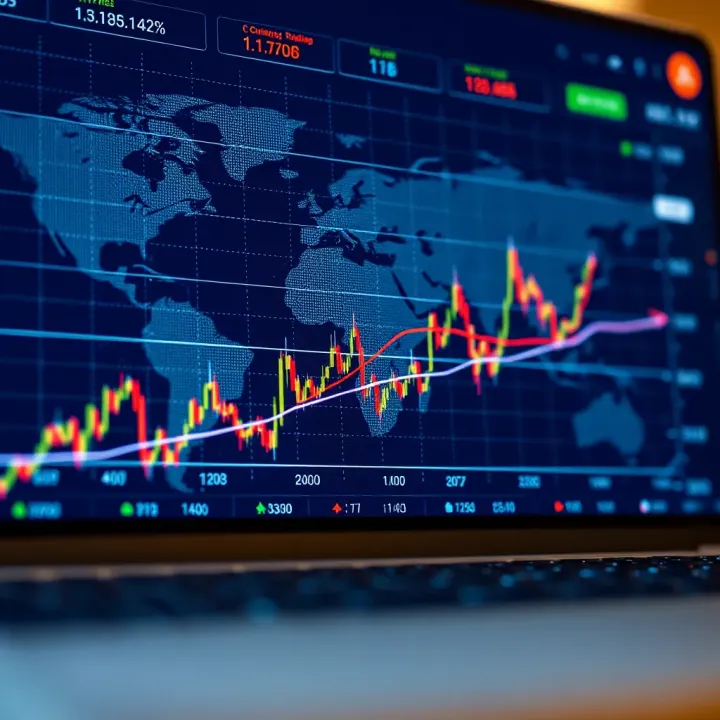
🔍 Learn how forex markets work and discover practical tips for Kenyan traders. Understand major currency pairs, platforms, risks, and local factors shaping forex prices.
Based on 11 reviews