

How to Use Deriv TradingView for Smarter Trading
Master Deriv TradingView for smarter trades in Kenya! Learn setup, charting tools, and market strategies to boost your trading confidence 📈🇰🇪.
Edited By
Liam Thompson
For Kenyan traders aiming to improve their market decisions, combining TradingView with Deriv's platform offers a practical edge. TradingView’s advanced charting tools allow users to spot trends and entry points visually, while Deriv supports real-time execution of trades across forex, synthetic indices, and forex options.
Setting up TradingView is straightforward: after creating a free account, you can access a wide range of chart types, including candlestick, line, and bar charts. Using its comprehensive library of technical indicators—like moving averages, RSI, and Bollinger Bands—helps analyse price action with more confidence.
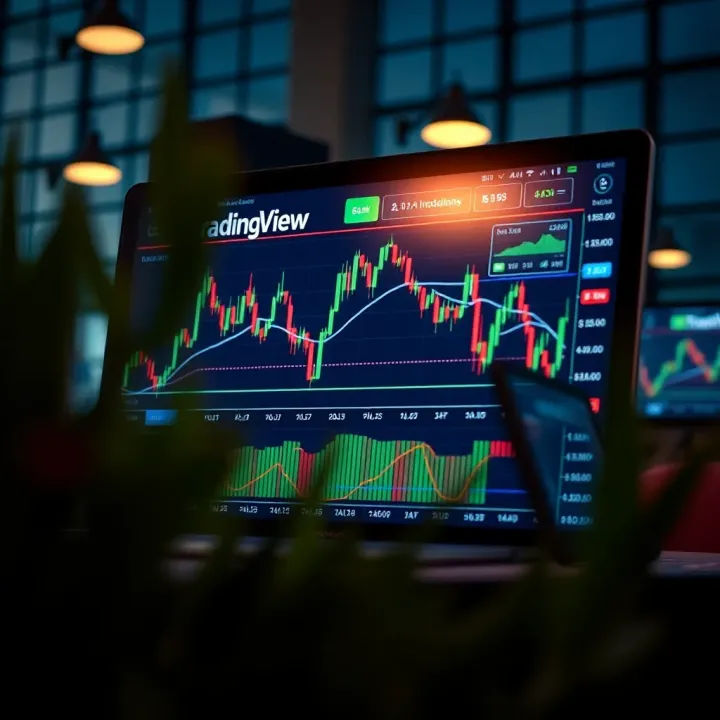
Deriv, on the other hand, excels in offering quick order execution and user-friendly interfaces suitable for both desktop and mobile users. While Deriv’s native charts are basic, linking it with TradingView enables traders to perform more in-depth technical analysis before placing trades.
Integrating TradingView charts with Deriv can change how you approach the market by giving clearer signals and more precise timing for your trades.
Integrating these platforms doesn’t require complex software. You can simply keep TradingView open on a separate tab or device to monitor charts and use Deriv for executing trades. This method is especially handy for Kenyan traders facing internet bandwidth limitations, as it spreads the load between two platforms rather than overburdening one.
A few practical tips:
Use presets on TradingView: Save your favourite indicators and chart setups to save time.
Check internet speed: For smooth trading, aim for stable connectivity above 5 Mbps, which is attainable in Nairobi and most urban centres.
Mobile compatibility: Both platforms work well on smartphones, so you can trade even while on the move, like waiting for a boda boda or during a matatu ride.
While TradingView offers free and paid plans, Kenyan traders can start with the free version, which includes most essential features. Deriv does not charge for using its platform but will have usual trading costs and spreads.
Putting these tools together helps Kenyan traders reduce guesswork and respond quicker to market changes, which is vital in volatile financial environments like forex and synthetic indices trading.
Understanding the strengths of both TradingView and Deriv is key for Kenyan traders looking to boost their trading game. TradingView excels in charting and technical analysis, giving you tools to spot market trends, while Deriv offers a robust platform to execute trades across various asset classes. Together, they create a powerful setup to make smarter trading decisions.
TradingView’s charting options stand out for their interactivity. You can draw trendlines, support and resistance zones, or Fibonacci retracements with simple clicks and drags. For example, a forex trader in Nairobi can mark key levels on the USD/KES pair to time entries and exits carefully. These tools let you personalise charts exactly how you want, making it easier to track evolving market conditions visually.
What's handy is the ability to adjust chart types—candlesticks, bars, or line charts—to suit your preferred style. This flexibility helps traders spot price action or reversal patterns faster, which is critical in fast-moving markets.
TradingView hosts hundreds of built-in technical indicators. For a Kenyan trader, knowing the strength or momentum of a move through indicators like RSI (Relative Strength Index) or MACD (Moving Average Convergence Divergence) is invaluable. These tools help you confirm if a trend is strong or likely to reverse before you commit your money on Deriv.
Overlays such as moving averages can display trend direction directly on the price chart, making it straightforward to identify trend reversals or continuation. Say you’re tracking commodities like gold prices watched locally — seeing moving average crossovers can guide your contract choices on Deriv.
TradingView also doubles as a social hub for traders. Users from Kenya and beyond share market ideas, chart setups, and even custom-built strategies using Pine Script, its programming language. You can learn by reviewing others’ ideas or even copy proven scripts tailored for specific markets. This collaborative aspect keeps you connected with global market sentiment and new tactics, which may be hard to find elsewhere.
Moreover, community ratings on posted ideas help you evaluate which setups are working in real-time, saving you time on trial and error.
Deriv offers a wide array of assets under one roof—from forex pairs like EUR/USD or GBP/AUD, to commodities like oil and gold, as well as synthetic indices that mimic real market volatility. For Kenyan traders who prefer diversifying, this means you can apply TradingView analysis across multiple markets without switching platforms.
This variety suits different risk profiles: a conservative trader might focus on forex while a risk-taker may choose high-volatility synthetic indices.

Deriv’s platform is designed to be intuitive and responsive. Real-time streaming quotes keep you updated on price changes instantly, vital during volatile sessions. The interface on desktop and mobile works well with Kenyan internet speeds, ensuring smooth navigation without significant lag.
Additionally, the clean layout facilitates quick contract selection, order execution, and monitoring. For instance, a trader raising their phone in a Nairobi café can efficiently open or close trades even on slow data.
Deriv supports different contract types such as rise/fall, touch/no touch, and CFDs (Contracts for Difference). This flexibility lets you match your TradingView analysis to contracts that fit your strategy. For example, if your chart suggests a strong upward swing, a rise contract can be apt.
Risk management is also built in. You can set stop-loss and take-profit orders with ease, controlling potential losses. Moreover, Deriv shows margin requirements and payout estimates upfront, helping you plan trades within your budget. This is crucial for traders managing tight capital often seen in Kenyan retail trading.
Pairing TradingView's detailed analysis with Deriv's versatile trading options creates an accessible, effective way for Kenyan traders to improve their chances in the market.
In sum, knowing what TradingView and Deriv each offer helps you make the most of their combination. TradingView sharpen your charting and decision-making, while Deriv makes placing trades across many asset types straightforward and secure.
Getting TradingView ready for use with the Deriv platform is a vital step that few traders in Kenya overlook. Proper setup ensures you make the most of TradingView’s detailed charts and indicators, which in turn enhances your trading decisions on Deriv. Setting up involves creating a TradingView account tailored to your trading needs, preparing your Deriv account for smooth integration, and linking both for efficient trade execution.
The registration process on TradingView is straightforward. You can sign up for a free account to access basic charts and indicators, which most beginners find sufficient. However, if you plan to use multiple indicators or save numerous chart layouts, a paid plan may benefit you by offering more features and removing limits. For example, the Pro plan allows up to 5 charts per layout and more alerts – useful for active traders.
Customising charts to suit Kenyan market preferences also makes your analysis more effective. Traders focusing on forex pairs like USD/KES or commodities traded locally, such as tea or coffee prices, should personalise timeframes, candlestick colour schemes, and indicator settings that highlight local market behaviour. For instance, setting up chart timeframes to align with Nairobi Stock Exchange trading hours helps catch key price moves without noise from irrelevant sessions.
Another practical feature is the ability to save your chart layouts and watchlists. This allows you to organise assets you follow regularly, like NSE equities or currency pairs, and return quickly to your setups without starting fresh every time. For example, you could have separate watchlists: one for main forex pairs, another for indices, which you access easily on both desktop and mobile.
Verification of your Deriv account is mandatory and often done through Kenya’s eCitizen portal or directly via Deriv’s documentation process. Using eCitizen can speed up verification as it integrates national ID verification, reducing delays. This is crucial because without verification, account limitations restrict deposit and withdrawal options.
Funding your Deriv account via methods convenient for Kenyan traders is another key consideration. Options like M-Pesa, Airtel Money, and bank transfers through local banks (Equity, KCB) are commonly used and ensure quick crediting of funds. For example, topping up your account with M-Pesa can happen anytime, allowing you to grab sudden market opportunities.
Linking your TradingView analysis to Deriv trades increases your responsiveness. Although there is no direct automated link, you can use TradingView’s alert system to notify you of entry signals, which you then execute manually on Deriv. Getting familiar with setting alerts for RSI crosses or MACD signals on TradingView helps you act instantly on Deriv. Combining these platforms lets you rely on thorough analysis while using Deriv’s simple interface to place trades fast, keeping you ahead in a fast-moving market.
Setting up both accounts carefully and exploring customisation options can significantly improve your trading performance. Clear organisation and timely fund access lay the foundation for using TradingView and Deriv as a powerful trading duo in Kenya.
By focusing on these setup steps, Kenyan traders create a solid base to fully utilise TradingView’s analysis tools alongside Deriv’s flexible trading environment.
Using TradingView's rich analysis tools alongside Deriv’s trading platform helps sharpen your trading decisions. TradingView provides detailed technical data, which, when applied correctly, improves the timing and accuracy of your trades on Deriv. This approach is especially useful in Kenya’s fast-moving forex and commodities markets where price movements can be swift.
Three popular technical indicators for Deriv trading are the Relative Strength Index (RSI), Moving Average Convergence Divergence (MACD), and Bollinger Bands. RSI measures price momentum, signalling overbought or oversold conditions, which helps to anticipate trend reversals. For example, if the RSI crosses above 70, it might be time to consider selling before a price drop.
The MACD indicator shows the relationship between two moving averages. When the MACD line crosses above the signal line, it often signals a buying opportunity. Bollinger Bands, on the other hand, help spot volatility and price levels by showing upper and lower bands around a moving average. When price touches the lower band during low volatility, it may indicate a potential bounce.
Identifying trends and entry points is key to successful Deriv trades. TradingView makes spotting trends easy through its visual charts. By following moving averages or trendlines, you can see when an asset is in an uptrend or downtrend. For instance, entering a trade when the price pulls back to a trendline during an uptrend can offer a safer entry with good upside potential.
Setting alerts and signals is a practical way to stay on top of market moves without staring at charts all day. TradingView allows you to create custom alerts based on indicator values or price levels. For example, you can set an alert for when the MACD crosses above its signal line. When triggered, this helps you act quickly on Deriv by executing or adjusting trades without delay.
Recognising support and resistance levels provides a solid foundation for trading decisions. These levels mark where prices tend to stop falling (support) or rising (resistance). Identifying these on TradingView charts lets you anticipate price bounces or breakouts. Say you see a strong support level on a currency pair; you might pick a Deriv contract betting on an upward price move at that level.
Candlestick patterns reveal market sentiment by showing how buyers and sellers battled during a time period. Patterns like Doji or Hammer hint at indecision or reversals. Recognising these can guide your Deriv trades to either enter or exit positions smartly. For example, spotting a bullish engulfing pattern near support suggests buyers are taking control, a good sign for a 'higher' contract.
Matching your analysis to suitable Deriv contracts is the final step. Deriv offers various contracts like Rise/Fall, Touch/No Touch, and Lookbacks. If your analysis indicates a clear upward trend and strong support, a Rise/Fall contract betting on a price increase fits well. If you expect volatility but uncertain direction, a Touch contract could be more suitable, targeting price hitting a certain level within time.
Applying clear TradingView analysis tailored to Deriv's contract types helps you trade with confidence, reducing guesswork and improving your chances of profitable trades.
Trading with TradingView and Deriv offers great opportunities, but Kenyan traders must consider practical details to make the most of these tools. Understanding cost management, mobile access, and risk controls helps improve trading outcomes. Practical tips stay focused on local realities like data costs, mobile compatibility, and regulatory nuances.
Many traders can start using TradingView without paying a single shilling. The free plan offers several useful indicators, limited chart layouts, and real-time market data suitable for daily trading. For example, a trader analysing forex pairs or commodities can rely on the free indicators and alert features without monthly fees. This approach helps keep costs low, especially when starting out or trading part-time.
Paid plans provide more advanced features: additional chart layouts, extended historical data, multiple device access and priority customer support. A trader who actively manages multiple asset classes or uses complex strategies might find the Pro or Pro+ plans worth the investment. However, Kenyans should weigh these benefits against their trading volume and budget. Sometimes, subscribing only during intense trading periods can optimise spending.
Internet data costs remain a key expense for online traders in Kenya. Streaming live charts on TradingView and executing trades via Deriv consume data, especially over mobile networks. Selecting data bundles with good speed and enough data allowance, such as Safaricom’s or Airtel’s daily plans, helps manage this cost. Keeping background apps off and using efficient browsers or apps reduces unnecessary data drain.
Safaricom and Airtel are the main players providing data to Kenyan traders. Both offer data bundles tailored to social media, browsing, and streaming. Choosing the right bundle is key—for example, a trader might pick a daily data plan for active trading sessions to avoid buying large monthly bundles that expire unused. Buying data when network coverage is strong ensures smoother experience and fewer disruptions.
Deriv and TradingView both work well on mobile devices through dedicated apps or mobile browsers. Using the official Deriv app on Android or iOS offers quick trade execution and handy features like setting stop-loss. Meanwhile, TradingView’s mobile site supports most charting needs but has some limitations compared to desktop. Traders should test these on their preferred mobile device to find the best setup.
Power outages or network drops are common in some areas. Traders should prepare by saving chart screenshots or exporting trading plans from TradingView when online. Deriv does not support offline trading, so having emergency plans, like setting automated stop losses beforehand, safeguards investments. Keeping a power bank or a secondary internet source (such as a USB modem) can keep a trader connected during interruptions.
One of the easiest ways to manage risk is by using Deriv’s built-in stop-loss and take-profit settings. These set automatic closing points for trades, preventing huge losses if the market moves against you. For instance, if you bought a Deriv contract on forex, defining a stop-loss limits your downside while a take-profit locks earnings. Kenyan traders should always use these tools to protect their capital.
Markets, especially forex and commodities, can swing wildly under news events or global shocks. Jumping into trades based on hype or chasing losses often leads to bigger problems. Traders should avoid high leverage, stick to their analysis from TradingView, and resist emotional decisions. Keeping a trading journal helps spot recurring mistakes and improves discipline.
Leverage amplifies both gains and losses. Deriv offers leverage options that can multiply your exposure but increase risk. Kenyan traders must understand that margin requirements mean your funds may be locked for trades and losses can exceed initial deposits. Starting with low leverage and gradually increasing as you gain experience is wise. Always factor in market volatility when choosing leverage.
Wise money management and careful planning give Kenyan traders a real shot at making TradingView and Deriv work effectively. The practical details—costs, connectivity, and risk—shape the success or failure of each trade.
Master Deriv TradingView for smarter trades in Kenya! Learn setup, charting tools, and market strategies to boost your trading confidence 📈🇰🇪.
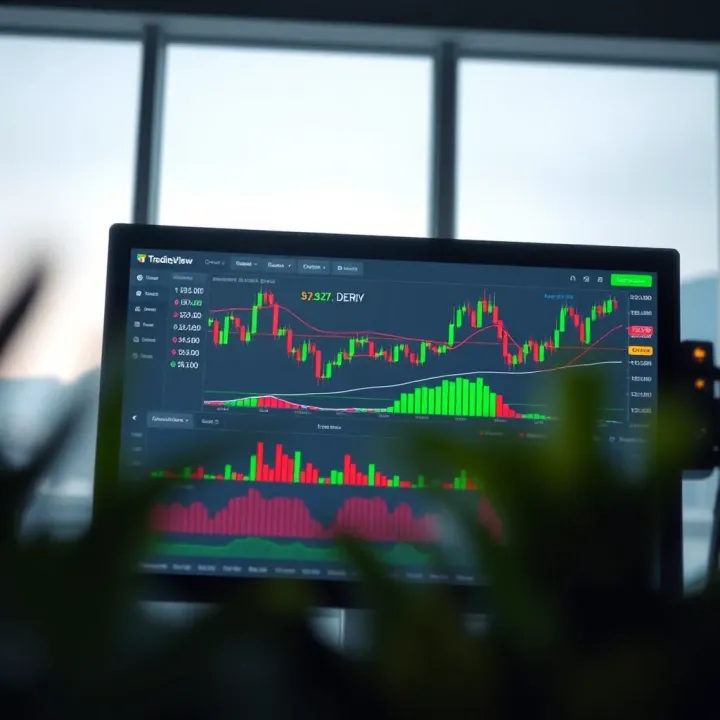
Explore how to connect Deriv with TradingView 📈, unlock advanced charting tools, and boost your trading strategy with practical tips for smarter investments.

Explore the Deriv trading app 📈 tailored for Kenyan traders🇰🇪! Learn setup, trading types, secure deposits, and smart tips to boost your trading success.
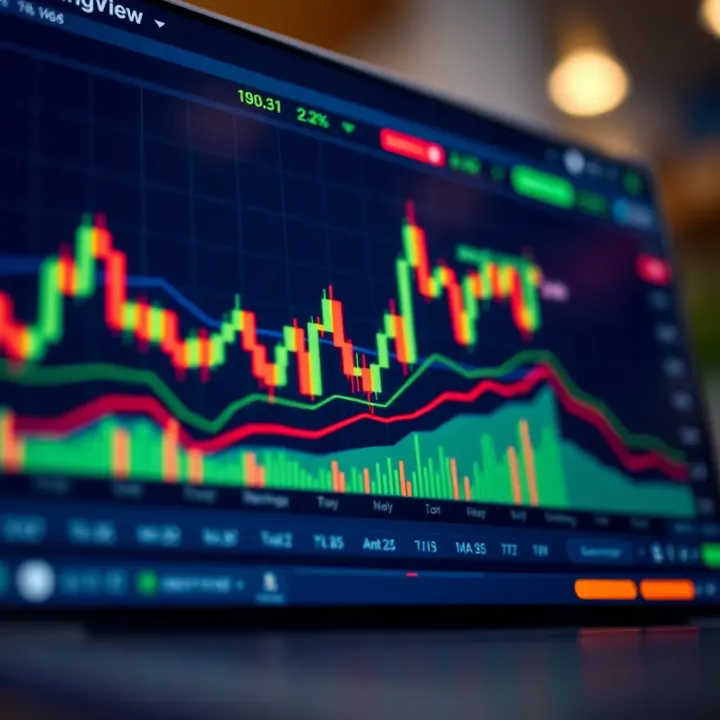
Boost your binary trading skills with TradingView charts 📊. Learn to read charts, use key indicators, and improve trade timing in Kenya 🇰🇪.
Based on 6 reviews