
Understanding Demo Accounts in Trading
Discover how demo accounts work and why they matter for Kenyan traders 🧑💻. Learn benefits, limits, and tips to safely move from practice to real trades 📈.
Edited By
Thomas Gray
Volatility in forex trading shows how much and how quickly the price of a currency pair moves over a certain period. This matters a lot because forex markets are known for rapid price changes, which can bring both opportunities and risks for traders. Understanding volatility helps you decide when to enter or exit trades and how to protect your investments.
In Kenya, where many investors are joining forex trading through platforms like MetaTrader using M-Pesa for payments, knowing volatility gives an edge. For example, during Kenya’s election periods or major economic announcements, currency rates like the USD/KES or EUR/KES often swing more than usual. This increases potential rewards but also raises the chances of losses if trades aren't managed carefully.
Traders should treat volatility like a double-edged sword — it can boost profits but demands well-planned risk controls.
Average True Range (ATR): Shows the average price movement in pips during a set period.
Standard Deviation: Measures how much prices deviate from the average, signalling the intensity of fluctuations.
Bollinger Bands: Visual tool that widens or narrows based on market volatility.
If ATR for USD/KES rises from 50 to 100 pips daily, traders know the market is twice as volatile and should adjust trade size or stop-loss accordingly.
Economic releases: Inflation data, interest rate decisions from CBK or Federal Reserve, employment reports.
Geopolitical events: Voting outcomes, trade tensions, or conflicts affecting currency confidence.
Market sentiment: Shifts in traders’ mood triggered by news or rumours.
By recognising these triggers, Kenyan traders can prepare for potential swings in currency rates, protecting their capital and making informed decisions.
In short, knowing forex volatility helps you read the market’s pulse and avoid surprises that hurt your trading plan. The following sections will explain how to gauge volatility more precisely and the best ways to manage risks when prices jump around.
Understanding volatility in forex means grasping how much and how often currency prices swing over a given period. This is vital because it shapes the risks and opportunities traders face daily. For example, the Kenyan shilling (KSh) against the US dollar may show low volatility on calm economic days but spike sharply during key events like CBK's monetary policy announcements.
Knowing what volatility means helps traders decide when to enter or exit the market. It also influences their choice of strategy – some prefer calm moments for steady trades, while others aim at volatile conditions for quick gains.
Volatility refers to how wildly a currency price moves up or down, while liquidity is about how easily you can buy or sell that currency without affecting its price. A pair like EUR/USD generally has high liquidity and relatively stable volatility, making it easy for traders to jump in and out.
In contrast, some African currencies may have low liquidity, meaning even small trades can cause big price jumps, giving an illusion of high volatility. For instance, the Ugandan shilling might experience price swings partly because of fewer market participants. Traders must understand these differences to avoid being caught off guard during low-liquidity sessions when spreads widen unexpectedly.
Volatility directly impacts profit potential and risk levels in forex trading. Higher volatility can create larger price swings, offering avenues for bigger profits if timed right. However, it also brings the risk of sharp losses, especially if stops aren't set properly.
Take a Kenyan trader watching the EUR/CHF pair: during Swiss National Bank decisions, volatility might surge, presenting opportunities for savvy traders but posing risks for those unprepared. Recognising volatility patterns helps traders adjust their position size and set stop-loss orders appropriately to safeguard their capital.
Indicators like the Average True Range (ATR) measure the average movement of a currency pair over a certain period. If ATR rises sharply, it signals an increase in volatility. Kenyan forex traders can use ATR to decide whether it's a good time to enter or avoid trades.
Bollinger Bands show volatility by plotting bands above and below a moving average price. When these bands widen, it suggests prices are swinging more wildly. For example, if the bands widen significantly on the USD/KSh chart, a trader might prepare for potential breakouts or reversals.
Historical volatility looks at past price movements, calculating how much prices shifted over days, weeks, or months. This helps Kenyan traders anticipate expected price ranges based on previous behaviour. For example, if historical data shows that the GBP/KSh pair moves within a 2% range monthly, traders plan their risk around this.
Implied volatility, on the other hand, comes from options prices and reflects market expectations of future volatility. Although less direct in forex, it offers insight into how traders view upcoming events. For instance, if implied volatility spikes before Kenya's budget statement, it signals traders expect more price swings soon.
Keeping a close eye on volatility measurement tools helps Kenyan forex traders balance risks and opportunities, especially amidst local economic shifts or global surprises.
Volatility in the forex market arises from various dynamic factors that influence how currency prices move over time. Understanding these drivers helps traders anticipate periods of increased price swings and adapt their strategies accordingly. For forex traders, investors, and analysts, recognising what pushes volatility up or down is essential for effective risk management and improved trading decisions.
Economic reports often trigger significant swings in currency prices. For the Kenyan shilling, releases such as GDP growth figures, trade balances, and employment data can sharply affect its value against other currencies. Globally, US economic data like non-farm payrolls or Eurozone inflation rates also ripple through forex markets, impacting pairs involving the shilling indirectly through dollars or euros. Traders closely watch these indicators because unexpected results can lead to quick, sizable price shifts.
A practical example is the monthly inflation report from the Central Bank of Kenya. An inflation rate higher than expected may cause depreciation of the Kenyan shilling, as markets anticipate tighter monetary policy or reduced investor confidence. On the other hand, stronger economic growth figures often boost currency value by signalling economic resilience.
Interest rate decisions by central banks are among the most influential triggers for forex volatility. Changes in Kenya’s Central Bank rate, for instance, can lead to abrupt adjustments in the KSh’s exchange rate because they impact lending costs, investment flows, and inflation expectations. Inflation reports add to this by hinting at the future direction of monetary policy.
Scheduled releases, such as the US Federal Reserve’s rate announcements or Kenya’s inflation data, bring periods of heightened activity. Traders often prepare for these events by tightening stop-loss orders or reducing position sizes to manage risk during anticipated volatility spikes.
Political developments in Kenya and neighbouring countries frequently influence forex volatility. Election seasons in Kenya, Uganda, or Tanzania often cause indecision in currency markets, as traders weigh risks of policy changes or unrest. Regional matters like trade agreements within the East African Community (EAC) or conflicts can also prompt sharp currency moves.
For example, uncertainty before Kenya’s 2022 general elections caused short-term fluctuations in the shilling’s value against the dollar. Similarly, border tensions or disputes in the region may discourage foreign investment, indirectly affecting forex markets by altering capital flows.
Uncertainty triggers risk aversion, leading investors to favour “safer” currencies like the US dollar or Swiss franc. When political or geopolitical risks rise, currencies like the KSh tend to weaken as capital flows out to more stable markets. This behaviour often results in sudden, volatile swings as traders rush to adjust positions.
Moreover, unpredictable events, such as sudden government policy announcements or diplomatic incidents, can compound volatility. Their timing and impact are hard to forecast, which increases the challenge for market participants.
Traders benefit from monitoring political calendars and regional news closely and factoring in potential spikes in volatility when planning entry and exit points.
Market sentiment — the general mood of traders and investors — plays a big role in forex volatility. During times of optimism, traders are willing to take on more risk, which can push up demand for emerging market currencies like the Kenyan shilling. Conversely, fear or uncertainty encourages a flight to safety, increasing volatility as positions are quickly unwound.
Sentiment is often driven by global economic outlooks, commodity prices, or investor confidence in political stability. In Kenya, fluctuations in coffee or tea prices can influence sentiment indirectly by affecting export revenues and economic health.
Speculators chasing short-term profits can intensify volatility by reacting swiftly to news or technical triggers. Sudden demand or supply surges cause rapid price adjustments, sometimes detached from the underlying economic fundamentals.
For instance, a burst of activity from speculators ahead of a Kenyan Central Bank decision could magnify price swings in the forex market. Understanding how crowd behaviour drives these moves helps traders identify potential overreactions or reversals.
In sum, economic data, political events, and market sentiment are main engines driving volatility in forex. Paying attention to these elements equips traders with insights to navigate the choppy waters of currency trading and seize opportunities while managing risks effectively.
Volatility in forex trading creates a double-edged sword. For traders, understanding the implications helps to spot chances for profit while guarding against losses. Volatile markets often reflect sharp price moves, influencing decisions on when to enter or exit trades and how to manage exposure. Kenyan traders who follow currency pairs like USD/KES or EUR/KES must pay attention to these swings as they can affect both timing and risk.
Volatile markets widen price movements, which can increase profit potential. For example, the Kenyan shilling might rapidly weaken due to unexpected central bank decisions or changes in coffee export earnings. Traders who anticipate or react quickly to such events can ride these price moves for significant gains. Unlike steady markets where profits are limited by small price changes, volatile sessions provide chances to capitalise on larger swings within short periods.
However, the extra potential comes with greater risk, so it’s essential traders plan carefully using stop-loss orders and realistic profit targets. Kenyan traders monitoring news about inflation rates or government policies should watch for resulting volatility spikes that might offer profitable entry points.
Volatility helps traders decide the best moments to enter or exit positions. For instance, volatility often spikes during scheduled data releases such as inflation numbers or CBK monetary policy statements. Traders using indicators like Average True Range (ATR) can measure recent price swings and adjust their entry points accordingly.
By observing volatility changes, a trader may hold off entering a position just before important news, avoiding sudden adverse moves, or may enter swiftly when volatility signals a strong trend emerging. Timing exits is equally critical; in volatile conditions, prices can reverse quickly, so knowing when to close positions prevents erosion of profits.
While volatility offers high reward opportunities, it also increases the likelihood of losses. Rapid price swings can push a position into negative territory within minutes, even if a trader’s analysis was sound. For example, an unexpected political event in East Africa causing the shilling to drop might trigger stop-loss orders prematurely or force traders to take worse exit prices.
This risk means Kenyan traders must manage their exposure carefully, avoid overleveraging, and maintain discipline over emotions during sudden market turbulence.
In volatile markets, slippage—when trades execute at different prices than expected—can eat into gains or deepen losses. Similarly, spreads between buying and selling prices tend to widen as liquidity decreases during spikes. For example, during a surprise announcement, the spread on USD/KES might jump from 20 to 50 points, increasing trading costs.
Traders should choose brokers with fast execution and tight spreads where possible. Additionally, using limit orders instead of market orders can help control entry and exit prices during these rough patches.
In forex trading, volatility is an opportunity wrapped with risk. Kenyan traders who understand these implications can better prepare and adapt their strategies.
By recognising volatility's double nature—offering profit chances but also hazards—traders can sharpen their risk management and improve overall performance in the forex market.
Managing volatility effectively is vital for forex traders to protect capital and seize trading opportunities. This section looks at practical tools and strategies that help navigate the ups and downs of currency price swings. Kenyan traders, like those dealing with the Kenyan shilling or regional pairs, benefit especially when applying these techniques in real market conditions.
Stop-loss orders are essential in forex trading to limit potential losses by automatically closing a position at a predetermined price. For example, if a trader buys USD/KES at 110 and sets a stop-loss at 108, the trade exits if the price falls, protecting from deeper losses. Proper position sizing complements this by adjusting the trade size based on account balance and risk tolerance. In practice, keeping risk per trade to about 1-2% of your capital helps avoid significant drawdowns even during sudden market swings.
Spreading investments across different currency pairs reduces exposure to specific economic or political events affecting one currency. A trader focusing only on USD/KES faces concentrated risk, but if they also trade EUR/USD or GBP/USD, the overall portfolio risk balances out. Diversification helps smooth out volatility impact and provides multiple entry and exit points, which is key in unpredictable markets especially during Kenyan budget periods or regional policy announcements.
Scalping involves making quick trades to profit from small price changes, ideal during high volatility when prices move rapidly. Day trading closes all positions before the market closes to avoid overnight risk. Swing trading holds positions for days or weeks to capture medium-term trends and works well when volatility patterns are clearer. Kenyan traders may choose these styles based on market hours, access to reliable real-time data, and personal risk appetite, enabling flexible responses to volatile conditions.
It’s tempting to trade frequently in volatile markets, but overtrading can drain capital through excessive spreads and slippage. Being selective and waiting for confirmed setups avoids unnecessary losses. For instance, during major news releases affecting the Kenyan shilling, stepping back to watch the reaction before entering trades makes sense. Practising patience and discipline keeps emotions in check and ensures trading decisions remain rational.
Consistent risk management combined with strategic trading approaches empowers traders to handle volatility confidently – turning potential pitfalls into opportunities.
Using these techniques will help Kenyan forex players guard against heavy losses while taking advantage of price movements in volatile currency markets.
Understanding the specific Kenyan market context is key when analyzing volatility in forex trading involving the Kenyan shilling (KSh). Local economic events, business activities, and government policies can cause sudden price shifts that may not be explained by global trends alone. Incorporating this context helps traders make more accurate decisions and adjust their strategies effectively.
By focusing on Kenya’s unique drivers of volatility, traders gain a practical advantage. For instance, changes in tea and coffee prices in global markets can sharply affect the shilling due to Kenya's reliance on agricultural exports. Equally, developments affecting large local companies like Safaricom can ripple through the market, influencing currency stability. Therefore, a clear view of local factors alongside global indicators offers a fuller picture for volatility analysis.
Several domestic events influence the KSh exchange rate, often leading to notable volatility. Political activities such as elections or policy announcements by the Kenyan government can trigger sharp short-term price movements. For example, debates over budget allocations or changes in taxation can affect investor confidence and demand for the shilling.
Additionally, fluctuations in domestic interest rates set by the Central Bank of Kenya (CBK) play a critical role. An unexpected interest rate hike usually strengthens the shilling by attracting foreign capital, while cuts may have the opposite effect. Traders need to watch these moves closely to anticipate volatility.
Safaricom, Kenya’s leading telecom firm, heavily affects forex trading through its business operations and stock market activity. Strong quarterly earnings or expansion plans often boost investor sentiment, indirectly supporting the shilling by encouraging foreign investment.
Similarly, Kenya’s coffee prices on the international market impact the currency since coffee is a major export product. A steep drop in coffee prices tends to weaken the KSh due to reduced export earnings. On the other hand, stable or rising prices can bolster the currency.
Remittances from Kenyans working abroad are another key factor. These inflows, usually sent through M-Pesa or formal banking channels, add to the demand for foreign currency. Seasonal peaks, especially during holidays, can cause temporary appreciation or depreciation of the shilling. Traders who monitor these patterns can better predict short-term volatility.
The Nairobi Securities Exchange (NSE) offers useful data reflecting market sentiment and capital flows that influence forex volatility. Big movements in equities, especially in blue-chip firms, often signal shifts in investor confidence which correlate with the shilling’s strength.
Local banks also provide essential services, like up-to-date exchange rates and market analysis, which traders can use to track volatility. For instance, banks such as KCB or Equity Bank regularly publish economic forecasts and currency trend reports that can provide early indicators of volatility.
Access to timely information is vital in forex trading, particularly because volatility can spike suddenly. Kenyan traders benefit from following reliable local news outlets, financial bulletins, and economic reports that cover developments from both local and international sources.
Real-time data feeds through platforms supporting M-Pesa payments and mobile trading apps enable swift decision-making. By staying informed about breaking news like government policy changes or major company announcements, traders can better react to volatility before it impacts the market heavily.
Staying plugged into Kenyan financial news and market data is not just helpful but necessary for managing volatility when trading the Kenyan shilling. Consistent monitoring prevents surprises and enables smarter trading calls.
Discover how demo accounts work and why they matter for Kenyan traders 🧑💻. Learn benefits, limits, and tips to safely move from practice to real trades 📈.
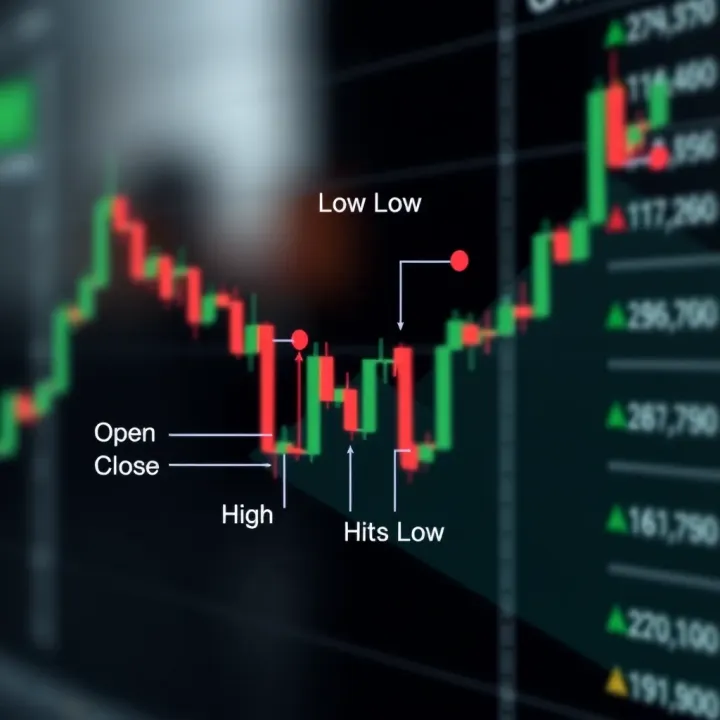
📊 Learn to read candlestick charts confidently! Understand key types, patterns, and trend signals to improve your trading decisions in Kenya’s markets.
Explore binary trading in Kenya 💹, learn how it works, legal tips, risks involved, and find the best platforms to start trading confidently today.
📈 Learn how derivative trading works in Kenya—covering types, benefits, risks, and local rules. Expand your investment tools today! 🇰🇪
Based on 7 reviews