

Understanding Deriv.com for Kenyan Traders
Explore Deriv.com through a detailed Kenyan trader's guide 📈. Learn about account setup, platform tools, market options, and security features 🔐.
Edited By
Liam Thompson
Indices trading appeals to many Kenyan investors because it offers a way to participate in the stock market without owning individual shares. Instead of buying a single company's stock, you trade a basket of stocks representing a whole sector or market. This approach spreads risk and often requires less capital, making it attractive for both beginners and experienced traders.
A popular example is trading the Nairobi Securities Exchange (NSE) 20 Share Index, which tracks the 20 largest companies listed on Kenya’s main exchange. By trading the NSE 20, you gain exposure to a broad spectrum of Kenya’s economy, from banking giants like KCB and Equity Bank to industrial firms like Bamburi Cement.
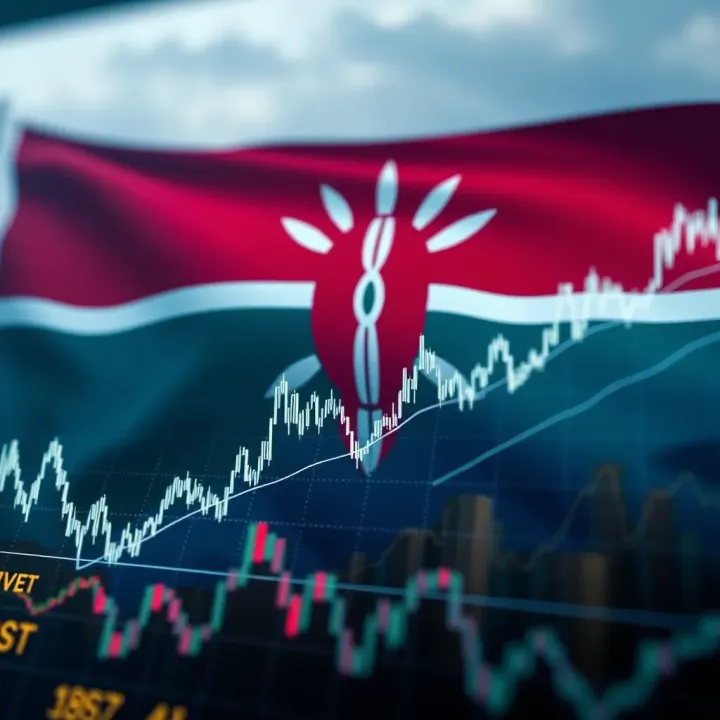
Global indices such as the S&P 500 or FTSE 100 also attract Kenyan traders via online platforms. These indices represent large markets like the US and the UK, providing opportunities for diversification beyond local markets.
There are several ways to trade indices:
Index futures and options: Contracts that let you buy or sell indices at predetermined prices in the future.
Contracts for difference (CFDs): Popular among Kenyan online traders, CFDs allow speculation on index price movements without owning the underlying assets.
Exchange Traded Funds (ETFs): These funds track indices and are traded like shares. Some ETFs focusing on Kenyan and international indices are accessible through local brokers.
Remember, while indices trading reduces company-specific risk, it still involves market-wide risk. Prices can swing due to economic, political, or global events affecting the entire market.
Starting with local brokers familiar with Kenyan market regulations makes the process smoother. Platforms often support M-Pesa payments for deposits, simplifying funding your trading account. Some brokers combine access to NSE indices and international markets, allowing you to balance your portfolio efficiently.
By understanding how indices reflect market performance and learning the trading methods available, Kenyan investors can better manage their risks and explore more diverse investment paths.
Indices trading is a way to invest in a group of stocks bundled together, rather than picking individual companies. In Kenya, this approach appeals to many investors who want a broader market exposure without having to research each stock. For example, instead of buying shares in Safaricom, KCB, and Equity Bank separately, you could trade an index that reflects their combined performance, like the NSE 20 Index.
This method brings practical benefits such as diversification and simpler portfolio management. Trading indices also helps investors track overall market trends more easily, especially useful in volatile environments. Kenyan traders with limited capital often prefer indices because it spreads risk across various firms rather than relying on one company’s fortunes.
Stock market indices are benchmarks that measure the performance of selected stocks representing a market or a sector. They summarise how a group of shares is doing by creating an overall score or value. This score changes as the prices of the underlying stocks move up or down. Indices help investors, analysts, and policymakers understand market direction and evaluate investment returns without focusing on individual stock fluctuations.
Major indices include the FTSE 100 in London, the Dow Jones Industrial Average, and the S&P 500 in the US. These global indices weigh numerous leading companies, giving a snapshot of their respective economies’ health. For Kenyan investors, understanding international indices matters because global economic trends often influence local markets. For instance, a slump in the Dow Jones can signal trouble ahead for markets worldwide, including Nairobi.
Indices represent market performance by averaging the share prices or market capitalisation of their components. This way, they filter out noise from single-stock events and highlight broad movements instead. If the NSE 20 Index rises over several days, it usually means the top companies on the exchange are performing well overall, even if some stocks dip temporarily.
Trading indices differs from buying individual stocks. Instead of owning a share of a company, you trade a contract that reflects the index’s value. This means your profit or loss depends on how the overall index moves, not any single firm’s fortunes. For Kenyan investors, this means less worry about company-specific news and more focus on macroeconomic factors, such as interest rates or government policies.
Index derivatives like futures and exchange-traded funds (ETFs) provide flexible ways to trade indices. Futures contracts allow traders to speculate on the future price of an index, while ETFs trade on the stock exchange like ordinary shares but track index performance. For example, some Kenyan investors might use ETFs listed on the NSE or international platforms to access exposure to the S&P 500 without buying individual US stocks.
Short selling and leverage are common in indices trading, offering tools to enhance gains but increasing risk. Leverage allows you to control a larger position with a smaller investment, which can amplify profits or losses. Short selling lets traders profit when the index falls, which is useful during economic downturns. Kenyan traders should be cautious with these features and use risk management tactics to avoid heavy losses.
Trading indices can simplify diversifying your investment portfolio and provide exposure to whole markets instead of single companies. However, understanding the instruments and risks involved is key before you start.
Indices bundle multiple stocks to show market trends.
Global indices influence Kenya's market outlook.
Trading indices involves derivatives like futures and ETFs.
Leverage and short selling can boost profits but carry extra risk.
Understanding these fundamentals helps Kenyan investors make informed decisions aligned with their financial goals and market conditions.

Kenyan investors keen on indices trading should pay attention to both local and international indices. These benchmarks give a snapshot of market performance and guide decisions based on overall trends rather than individual shares. Knowing which indices to follow helps traders spot opportunities and better understand risk.
The NSE 20 Index is made up of 20 major companies listed on the Nairobi Securities Exchange. These firms represent sectors like banking, manufacturing, telecommunications, and energy. Examples include Safaricom, KCB Bank, and East African Breweries. Tracking this index gives a broad view of Kenya's blue-chip market, as it reflects the health of the largest and most secure companies.
For Kenyan investors, the NSE 20 acts as a benchmark for portfolio performance and a guide when allocating capital. Since it includes businesses integral to the economy, changes in the NSE 20 often hint at wider economic shifts. If the index dips, investors might consider adjusting stocks sensitive to local trends.
Trading options for the NSE 20 include buying shares of its components directly via local brokers or investing in Exchange-Traded Funds (ETFs) that mimic the index. Although derivatives like futures for the NSE 20 are less common locally, some brokers provide access to CFD (Contracts for Difference) products linked to NSE 20. Careful choice of the trading approach depends on capital, risk appetite, and market knowledge.
Popular global indices such as the FTSE 100 (UK), Dow Jones Industrial Average, and the S&P 500 (USA) represent the performance of large companies in established markets. These indices are useful to Kenyan traders looking for diversification beyond the local market. Their movements often influence investor sentiment worldwide, including in Kenya.
Kenyan traders can access these international indices through online brokers offering platforms that support global markets. Many brokers accept M-Pesa for deposits, making it practical for local investors. However, it's crucial to pick brokers regulated in reputable jurisdictions to ensure security and compliance.
Currency and geopolitical factors significantly influence international indices. Fluctuations in the Kenyan shilling against the US dollar or British pound can affect the returns when converting profits back home. Political events like Brexit or US trade policies also impact these markets, so Kenyan investors must stay informed to manage risks effectively.
Understanding both local and international indices helps Kenyan traders balance their portfolios, manage exposure to risk, and tap into growth opportunities across different economies. Keeping an eye on NSE 20 alongside global indices broadens market perspective and strengthens investment strategies.
Trading indices in Kenya happens mostly through two main routes: local exchanges like the Nairobi Securities Exchange (NSE) and international online brokers. Choosing the right platform and method can significantly affect your accessibility, costs, and regulatory protection.
Using local brokers and trading accounts: To trade indices on the NSE, investors open accounts with licensed Kenyan brokers. These brokers act as intermediaries, handling order placements and settlements. Local brokerage firms such as AIB-AXYS Africa, Sterling Capital, and Faida Investment Bank provide services tailored to Kenyan investors. Trading through NSE brokers allows easier access to the NSE 20 Index and other local indices and keeps the process familiar and regulated.
Regulatory requirements and investor protections: The Capital Markets Authority (CMA) governs NSE trading, ensuring brokers meet strict standards for transparency and client protection. Investors must comply with Know Your Customer (KYC) processes, submitting valid identification and proof of residence. CMA also mandates segregation of client funds to reduce risks, and investors benefit from regulatory safeguards like dispute resolution mechanisms. This framework fosters trust and helps protect against fraudulent trading practices.
Costs involved in NSE indices trading: Trading costs on the NSE include brokerage commissions, government taxes such as the 0.12% transaction levy, and clearing fees. Commissions vary with brokers but generally range between 0.25% and 0.5% per trade, depending on volume. Additional costs arise if you hold positions overnight or engage in derivatives. Understanding these charges helps investors avoid surprises and plan their trades cost-effectively.
Popular online platforms available in Kenya: Kenyan traders can access global indices like the S&P 500, FTSE 100, and Dow Jones through international online brokers such as IG Markets, AvaTrade, and Saxo Bank. These platforms offer user-friendly trading apps and allow trading in index CFDs (Contracts for Difference), ETFs, and futures. Going through online brokers expands access to global markets beyond the NSE and provides chances to diversify portfolios internationally.
Payment options including M-Pesa integration: A key advantage for Kenyan traders is the availability of convenient payment methods. Several international brokers now accept M-Pesa for deposits and withdrawals, making funding accounts straightforward and fast. This is a significant benefit since many local investors prefer mobile money over traditional bank transfers. Besides M-Pesa, brokers typically accept wire transfers, credit/debit cards, and e-wallets.
Considerations for choosing the right broker: When selecting an online broker, Kenyan investors should assess factors like regulatory licensing, trading costs, platform usability, and customer support. Ensuring the broker is regulated by reputable authorities (such as the UK’s FCA or Cyprus’s CySEC) adds a layer of security. Fees and spreads vary, so it’s wise to compare these carefully. Also, check if the platform offers educational resources and reliable customer service in case of issues. Importantly, some brokers restrict access based on nationality, so verifying Kenya-specific availability is crucial.
Choosing the proper method and platform for indices trading directly impacts your trading experience, costs, and risk exposure. Local brokerage through the NSE offers familiar, regulated access to Kenyan markets, while international online brokers open doors to global opportunities with flexible payment options like M-Pesa.
With this knowledge, you can better navigate the trading landscape and select platforms that fit your goals and comfort level.
Trading indices offers a way to tap into the broader market performance rather than betting on single stocks. Still, managing risks is key to protect your capital, while maximising returns means making smart choices aligned with your trading goals. For Kenyan investors, understanding these factors helps balance the ups and downs without exposing too much of your money to sudden shocks.
Market volatility and systemic risks cause indices prices to swing sharply. For instance, political events or unexpected economic news can make markets jump or fall. Kenyan farmers, for example, saw commodity prices fluctuate dramatically during recent East African droughts, impacting indices indirectly linked to such sectors. These swings aren’t just about short-term blips but systemic risks that affect entire economies and sectors.
Impact of leverage and margin trading magnifies both profits and losses. Many online brokers offer margin accounts letting you trade with borrowed funds, sometimes up to 10 times your deposit. While this can boost gains, it quickly wipes out money if the market moves against you. Say you bought an S&P 500 index contract with KSh 10,000 and 10x leverage; a 5% drop could mean losing your entire stake plus more, triggering margin calls.
Currency risk for international indices arises because gains or losses are often realised in foreign currency. If a Kenyan trader invests in the FTSE 100 (UK), returns will depend not just on the index’s performance but also on GBP/KES exchange rates. A weakening shilling can increase returns when converting back; however, a stronger shilling cuts into profits. This risk is worth considering when trading global indices using local capital.
Diversifying investments spreads exposure across different indices, sectors, or asset types, lowering risk. Instead of focusing only on the NSE 20, you might include US or UK indices, or even commodity-related ETFs accessible through international brokers. This way, a tumble in one market doesn’t wipe out your entire portfolio.
Setting stop-loss and take-profit levels helps limit potential losses and lock in gains automatically. For example, you can set a stop-loss order to sell your position if an index falls by 3%, preventing further loss if the market dips suddenly. Meanwhile, take-profit orders let you close trades once they hit your target gains, avoiding greed that often eats into profits.
Using hedging techniques provides some cover against adverse market moves. Kenyan traders might buy put options on indices to protect gains from existing long positions or use inverse ETFs that rise when the market falls. Hedging isn’t perfect and carries costs, but when applied cautiously, it can shield your portfolio from major shocks.
Effective risk management isn’t about avoiding risks completely but controlling them so you can stay in the game longer and seize opportunities wisely.
Mastering these strategies goes hand in hand with learning the mechanics of indices trading and the specific characteristics of the markets you access. For Kenyan investors, combining local knowledge with global trading tools increases the chance of profitable, sustainable investing.
Taking the first step into indices trading can seem a bit overwhelming, but understanding the basics really helps set you on a solid path. For Kenyan investors, starting right means knowing how to open a trading account, grasping the costs involved, and building a clear plan. This provides a framework to control risks while making informed decisions as you engage with both local and international markets.
To begin trading indices, you need to open an account with a broker, whether local or international. This process usually involves providing identification documents such as a national ID, passport, or sometimes a KRA PIN for tax purposes. Brokers will require these for Know Your Customer (KYC) compliance, a standard step that safeguards against fraud and helps ensure the legitimacy of transactions. Without fulfilling these requirements, you won't be able to trade.
Choosing between local and international brokers is an essential decision. Local brokers registered with the Capital Markets Authority (CMA) offer the advantage of easier access, familiar regulations, and payment methods commonly integrated with M-Pesa. On the other hand, international brokers might provide a wider variety of global indices, competitive spreads, and more advanced platforms but may come with higher fees and more complex account setup. Kenyan investors often balance these factors depending on their trading goals and capital.
When it comes to initial deposits, the amount needed varies significantly. Local brokers may allow you to start with as little as KS0,000, which suits beginners or casual traders. International platforms typically require higher minimum deposits, sometimes upwards of $200 (around KS5,000), but offer access to multiple indices across different markets. Capital considerations also include thinking about how much you can afford to lose, given the risks involved in indices trading.
Setting clear goals and timelines helps keep you disciplined and focused. Are you trading for quick gains, or is this part of a longer-term investment strategy? Defining these objectives influences the types of indices you choose and how frequently you trade. For example, day trading might suit investors looking for short-term profit, while holding ETFs on indices could fit those building wealth over years.
Understanding the basics of technical and fundamental analysis is crucial. Technical analysis involves reading charts, patterns, and indicators to predict price movements, whereas fundamental analysis looks at economic data, corporate earnings, and geopolitical events affecting the market. A Kenyan investor watching the NSE 20 Index might, for example, track macroeconomic reports or corporate earnings of listed companies alongside price trends.
Tracking your trading performance regularly helps you learn from mistakes and successes. Keeping a journal or using software to record each trade's outcome, why you made the trade, and what you learned sharpens your skills over time. Instead of hoping for luck, this disciplined approach builds experience and improves decision-making.
Starting with a well-prepared trading account and a clear plan improves your chances of success in indices trading. Take time to understand your broker, capital limits, and market basics before you commit your money.
In all, beginning indices trading in Kenya requires practical steps—securing the right account, knowing your financial limits, and establishing a mix of realistic goals and reliable analysis methods. This foundation turns trading from guesswork into a strategic venture.
Explore Deriv.com through a detailed Kenyan trader's guide 📈. Learn about account setup, platform tools, market options, and security features 🔐.
📈 Learn how derivative trading works in Kenya—covering types, benefits, risks, and local rules. Expand your investment tools today! 🇰🇪

Discover how demo accounts work and why they matter for Kenyan traders 🧑💻. Learn benefits, limits, and tips to safely move from practice to real trades 📈.
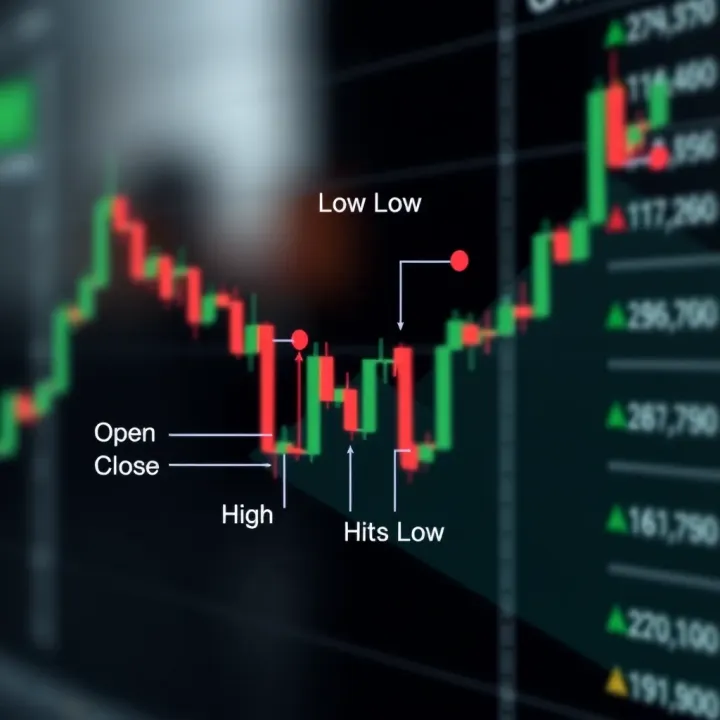
📊 Learn to read candlestick charts confidently! Understand key types, patterns, and trend signals to improve your trading decisions in Kenya’s markets.
Based on 9 reviews