
Understanding Derivative Trading in Kenya
📈 Learn how derivative trading works in Kenya—covering types, benefits, risks, and local rules. Expand your investment tools today! 🇰🇪
Edited By
Henry Davies
In forex trading, indices often fly under the radar, yet they hold valuable insights for traders wanting a broader view of market health. Unlike trading individual currencies, indices track a basket of assets or represent a weighted average of currencies or stocks from specific regions or sectors. This makes them a handy tool to gauge overall market sentiment and economic strength.
Indices come in different forms; the most common in forex are currency indices such as the U.S. Dollar Index (DXY), which measures the dollar’s strength against a group of major currencies. These indices provide a snapshot of how a currency performs relative to a set benchmark, helping traders identify trends beyond single-pair fluctuations.
Kenyan traders can use indices to diversify their portfolio risk. For example, if you notice the dollar index showing steady strength, that can influence your decisions on pairs like USD/KES or EUR/USD. Instead of relying solely on individual pair analysis, indices add context around broader market forces, like geopolitical events or interest rate changes.
Key factors affecting indices include economic indicators (GDP growth, inflation rates), central bank policies, and global events impacting trade or investment flows. For instance, a sudden shift in the Federal Reserve’s stance often causes ripple effects across multiple currency pairs, reflected clearly in dollar-related indices.
Using indices alongside forex pairs offers a wider lens, especially during volatile times when single pairs might give misleading signals.
When incorporating indices into your trading, keep in mind:
Indices reflect aggregated movements, so they may lag behind rapid changes in individual currencies.
They offer a firmer base for trend confirmation rather than short-term trade triggers.
Watch for correlations; if a currency index strengthens, related currency pairs are likely impacted.
In Kenya, where access to direct stock indices might be limited, currency indices provide critical data points. They enable traders to spot underlying momentum or reversals at a glance without following multiple individual currency charts. This not only saves time but sharpens decision-making.
Overall, understanding indices in forex expands your toolkit and deepens market comprehension. With a clear grasp of how indices behave and what drives them, Kenyan traders can navigate forex markets with improved clarity and confidence.
Forex indices offer a snapshot of a group of currencies bundled together to reflect the overall strength or weakness of a region’s currency market. They serve as a handy tool for traders to gauge broader market trends instead of focusing on individual currency pairs alone. For instance, an index like the US Dollar Index (DXY) tracks the performance of the US dollar against multiple major currencies, helping traders see the bigger picture quickly.
Market indices summarise the performance of selected financial instruments, making it easier for traders and investors to understand how a wider market segment is performing without following each component separately. In forex, these indices combine several currencies based on a specific methodology, usually a weighted average. This means stronger or more significant currencies influence the index more heavily.
While trading currency pairs involves buying one currency and selling another, forex indices represent the aggregate value of multiple currencies against a base currency. For example, instead of buying EUR/USD, you could trade the EURX index, which tracks the Euro against a basket of currencies. This setup reduces exposure to the volatility of one single currency pair and provides a broader market view.
Indices help traders manage risk and diversify their approach. By focusing on an index, you’re not placing your bet on just one currency but on a whole group, which tends to smooth out sharp fluctuations. They also serve as indicators of economic health or monetary policy shifts in a region, which can guide decisions in trading both indices and related currency pairs.
The US Dollar Index (DXY) is the most well-known forex index, tracking the greenback against six major currencies including the Euro, Japanese Yen, and British Pound. Similarly, the EURX index measures the Euro's strength relative to other world currencies. These indices provide a quick reference for traders to assess demand and supply dynamics for these currencies.
Regional forex indices focus on currencies within a specific geographical area, such as the EURX for Europe or the Asia Dollar Index for Asian currencies. Global indices, on the other hand, cover a wider array of currencies across continents. For example, the DXY includes currencies from multiple regions, making it a global benchmark for forex traders interested in US dollar trends.
Forex indices have evolved alongside the global foreign exchange market. The DXY was first launched in 1973, soon after the Bretton Woods system ended, when currencies began to float freely. Since then, more regional and thematic indices have emerged to meet traders’ growing demand for market-wide insights. Their development reflects the increasing complexity and global reach of currency markets over the decades.
Trading forex indices is like watching the overall weather instead of checking the temperature in one neighbourhood—it gives a broader sense of market conditions and helps you make more informed decisions.
By understanding what forex indices represent and how they differ from regular currency pairs, traders gain a powerful tool to navigate currency markets confidently and diversify strategies beyond single-pair bets.
Understanding how forex indices are calculated and quoted helps traders grasp the true value of these market indicators and plan their trades effectively. The calculation methods give insights into the indices' composition and movement, while price quoting clarifies trading costs and execution.
Weighted averages of currencies play a central role in forex indices calculation. Essentially, each currency within an index contributes a specific weight based on its economic importance or trade volume. For example, the US Dollar Index (DXY) assigns larger weights to Euro and Japanese yen because they represent significant trading partners of the US. So, movements in these currencies have a greater effect on the index than smaller components. This weighted method gives a realistic snapshot of the dollar’s overall performance against a basket of currencies rather than isolated pairs.
The role of base currency and components is equally important. The base currency acts as a reference point, such as the US dollar in DXY. Other currencies in the index are compared against this base. Understanding which currencies form the basket helps traders anticipate how regional economic changes might influence the index. For instance, if the euro zone reports strong GDP growth, indices heavily weighted on the euro are likely to rise, pushing the index accordingly.
Adjustments to indices often occur due to economic events like central bank policy changes or financial crises. Indices may recalibrate weights or components to reflect new economic realities. For example, after Brexit, some European indices adjusted their composition to better represent post-Brexit trade relations. For traders, staying alert to these changes is crucial as they influence index behaviour beyond regular market movements.
Price quotes for forex indices typically display bid and ask prices, showing the highest price a buyer is ready to pay and the lowest price a seller agrees to accept. For a trader, knowing these prices is key for market entry and exit decisions. For example, if an index’s bid price is 95.20 and ask price is 95.23, the trader knows to expect this small gap when buying or selling.
Spread differences compared to other forex products also matter. Indices usually have broader spreads than highly liquid currency pairs like EUR/USD because they bundle several currencies. Wider spreads mean trading costs can be slightly higher, which impacts short-term trading strategies. Traders must factor this in when choosing to trade indices versus direct currency pairs.
The implications for trading costs are clear: wider spreads and margin requirements for indices can increase overall expenses, especially during volatile periods. Traders in Kenya using local brokers must be aware of these costs, as they affect profit margins and risk management. For instance, if a Kenyan trader opens a position in DXY, the spread cost and leverage offered by the broker will determine the break-even point.
Understanding these calculations and quoting mechanisms helps Kenyan traders build better strategies and avoid surprises in costs and market behaviour.
By paying attention to the components, currency weights, and pricing details, investors enhance their ability to interpret index signals and manage trades wisely in the forex market.
Understanding the factors that influence forex indices is key for traders aiming to grasp market behaviour and make informed decisions. These indices respond to a mix of economic indicators, market sentiment, and global events. By recognising what drives their movements, you can better anticipate trends and manage risks when trading.
Interest rates and central bank policies play a big part in shaping forex indices. When central banks, such as the Federal Reserve or the European Central Bank, raise or lower interest rates, it directly impacts the currency components of an index. For example, if the US Federal Reserve hikes rates, the US dollar often strengthens, pushing the US Dollar Index (DXY) higher. Traders monitor central bank meeting outcomes closely, as policy changes signal shifts in economic health and investment returns.
Inflation, employment, and GDP statistics also steer forex indices. High inflation might prompt rate hikes, affecting the currency mix in an index. Similarly, strong employment data and GDP growth indicate economic strength, often resulting in appreciation of relevant currencies within the index. For instance, if Kenya reports robust GDP growth and low inflation, the East African Community's regional currency indices could reflect this, influencing forex traders' decisions.
Political stability and geopolitical events can't be overlooked. Elections, government changes, or unrest introduce uncertainty that can rattle forex indices. Consider how Brexit affected the British Pound and related indices during the upheaval. When political risk rises, traders often move to “safe-haven” currencies like the US dollar or Swiss franc, shifting indices in those directions. Kenyan traders should watch developments not just locally but also in major economies, since global political happenings have ripple effects on indices worldwide.
Investor risk appetite determines how indices move during different market moods. When confidence is high, investors chase higher returns, favouring riskier currencies and boosting indices linked to emerging markets or growth economies. Conversely, during uncertainty, there's a flight to safety, shrinking riskier asset values. This behaviour affects indices strongly; for example, commodities-exporting economies may see their currency indices fall during risk-off phases.
Global crises such as pandemics, wars, or major financial crashes cause sharp swings in forex indices. The COVID-19 pandemic saw rapid moves in indices as markets grappled with uncertainty and lockdown impacts. For Kenyan traders, major outbreaks in China or disruptions in oil supplies can shift indices as these events alter trade flows and commodity prices, thus changing forex market dynamics.
Correlation with commodity prices is another angle to watch. Countries heavily reliant on commodities see their currencies—and therefore related indices—move with global commodity trends. For example, Kenya imports most oil, so a spike in oil prices could weaken the shilling against major currencies, affecting any indices including the shilling. Similarly, indices linked to South Africa, a major gold producer, may react strongly to gold prices, guiding traders in their strategy adjustments.
Tracking these factors closely offers practical advantages. By understanding the forces behind forex indices' moves, you can position yourself better, avoid surprises, and improve trading outcomes in a market that can turn quickly with economic shifts or global events.
Understanding how to include indices in your forex trading approach offers clear advantages. Indices can diversify risk, confirm market trends, and complement currency pairs by revealing broader economic movements. For instance, using the US Dollar Index (DXY) alongside USD-based pairs helps you see if moves in the dollar relate to wider shifts or specific factors.
Using indices for diversification
Many traders include indices in their portfolio to spread risk beyond individual currency pairs. Indices represent baskets of currencies, so their price changes reflect collective movement rather than a single currency’s volatility. For example, while trading EUR/USD might expose you to Eurozone-specific risks, watching the EURX index can provide a bigger picture. This way, indices help balance exposures and smooth out sharp swings caused by isolated events.
Trend following and breakout approaches
Indices lend themselves well to trend following strategies. Because they reflect broader economic trends, identifying sustained moves in indices often predicts currency movements tied to those economies. Traders might also watch breakouts—instances where an index price crosses key support or resistance levels—to anticipate stronger moves. For instance, a breakout above a long-term resistance level on the DXY could signal a stronger USD rally, prompting traders to adjust their positions accordingly.
Combining indices with currency pairs
Combining indices with currency pair analysis can improve timing and decision-making. For example, if the DXY is strengthening, looking at USD pairs like USD/KES or USD/GBP alongside it can confirm if the dollar’s strength is broad-based. Similarly, when the Euro Index weakens, it might suggest opportunities to short EUR pairs. This layered approach adds depth and boosts confidence in trade decisions.
Setting stop-loss and take-profit levels
Good risk control hinges on clear stop-loss and take-profit points. Indices can be volatile due to macroeconomic shifts, so setting stops protects your capital from sharp reversals. For instance, a trader might set a stop-loss at 1% below the entry price and a take-profit at 2% above it to keep a disciplined risk-reward ratio. This helps lock profits and limit losses without emotional interference.
Position sizing and leverage
Indices often move differently from currency pairs and sometimes with higher volatility. Adjusting your position size accordingly reduces potential losses if the market swings unexpectedly. Using less leverage on indices can be wiser, especially if you’re new to these instruments. For example, if you usually trade with 10x leverage on pairs, scaling down to 5x or less when trading indices can keep your risk manageable.
Recognising and managing volatility
Forex indices don’t behave uniformly; some are more volatile during economic releases or geopolitical crises. Being aware of these spikes helps avoid surprises. Managing this means watching economic calendars closely and reducing exposure before major reports. For example, on days when the Federal Reserve announces monetary policy, the DXY can jump sharply—traders should limit new positions or widen stop losses to avoid getting stopped out unjustly.
Successful incorporation of indices requires a balance of strategic methods and solid risk controls, ensuring your trading is both adaptive and protected away from unexpected swings.
Trading forex indices from Kenya involves practical points you can't just overlook. Understanding which local brokers offer access to these indices, knowing Kenya’s trading hours in relation to global markets, and complying with local laws all shape your success. This section walks you through these essentials, making it easier to navigate the forex indices space without unnecessary hassle.
Kenyan traders mostly rely on brokers who provide clear access to popular forex indices such as the Dow Jones, DXY, or FTSE. Brokers like HotForex, FXPesa, and Exness Kenya often include these products in their platforms. It’s important to verify that your chosen broker offers indices trading with competitive spreads and that the platform supports easy order execution, especially given how fast-moving indices can be.
Regulations in Kenya require brokers to have licences from the Capital Markets Authority (CMA) to operate legitimately. Trading with CMA-regulated brokers safeguards you against fraud and assures that your funds are protected to some extent. Bear in mind that some international brokers might not hold local licences but still accept Kenyan traders; this carries some risk, so it’s wise to prioritise regulated platforms.
M-Pesa remains the most popular deposit and withdrawal method for many traders here. Most Kenyan brokers enable deposits through M-Pesa, making funding your trading account straightforward and quick. Besides M-Pesa, some brokers support bank transfers from local banks such as Equity Bank or KCB. Using M-Pesa also allows small investors to start trading indices without needing large upfront capital, which broadens participation.
Forex indices tie to global markets that operate mainly during their respective business hours. For example, the New York Stock Exchange influences the Dow Jones index, while the London Stock Exchange influences FTSE indices. Kenyan traders should pay attention to these sessions to capture the best volatility and trading opportunities. Generally, the London session (2 pm–11 pm EAT) and New York session (3 pm–12 am EAT) are busiest for indices.
East Africa Time (EAT) is three hours ahead of GMT, which shifts how trading hours align with global markets. For instance, the London open at 8 am GMT translates to 11 am EAT. Kenyan traders will often find market activity picks up late morning through evening, so planning trades during those hours tends to deliver better liquidity and price moves.
Economic releases like US non-farm payrolls or UK GDP figures heavily impact indices prices. Planning your trades around these times—often early afternoon or evening Kenyan time—helps you avoid surprises from sudden price swings or lets you capitalise on increased volatility. Check economic calendars regularly to time your entries and exits prudently.
Profits from forex trading, including indices, are taxable under Kenya Revenue Authority (KRA) regulations. You'll need to declare this income when filing tax returns. While forex profits don't enjoy special tax treatment, keeping clear records makes reporting easier and reduces risk during audits.
For full-time traders, other obligations such as National Hospital Insurance Fund (NHIF) and National Social Security Fund (NSSF) contributions might apply depending on your business status. Engaging with a qualified accountant can help clarify what you owe and ensure compliance.
Good record keeping is vital—not just to satisfy tax requirements but also to track trading performance. Maintain details of all trades, deposits, withdrawals, and trading expenses. Many Kenyan traders use digital tools or spreadsheets to organise this data, which proves invaluable during tax season or when reviewing strategy effectiveness.
Successfully trading forex indices in Kenya demands more than just strategy; access, timing, and compliance matter just as much. Being practical and informed is the key.
Summary: Kenyan traders should choose brokers offering indices with CMAs' approval, use M-Pesa for deposits, trade mainly during localised London and New York sessions, plan around economic releases, and keep good tax records to stay compliant. This approach brings convenience, better engagement with market movements, and peace of mind.
📈 Learn how derivative trading works in Kenya—covering types, benefits, risks, and local rules. Expand your investment tools today! 🇰🇪
Discover how demo accounts work and why they matter for Kenyan traders 🧑💻. Learn benefits, limits, and tips to safely move from practice to real trades 📈.
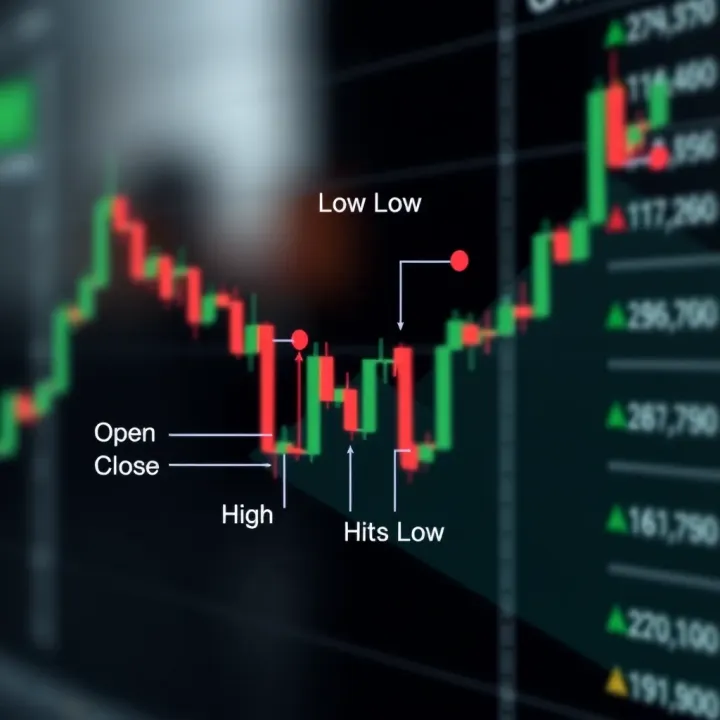
📊 Learn to read candlestick charts confidently! Understand key types, patterns, and trend signals to improve your trading decisions in Kenya’s markets.
Explore binary trading in Kenya 💹, learn how it works, legal tips, risks involved, and find the best platforms to start trading confidently today.
Based on 5 reviews