

Understanding Deriv.com for Kenyan Traders
Explore Deriv.com through a detailed Kenyan trader's guide 📈. Learn about account setup, platform tools, market options, and security features 🔐.
Edited By
Amelia Foster
Forex investment refers to trading currencies from different countries to benefit from shifts in exchange rates. It works by buying one currency while simultaneously selling another, aiming to profit when the value between them changes favourably. For example, if you buy US dollars using Kenyan shillings and the dollar strengthens, you stand to gain when you convert back.
In Kenya, forex trading has grown steadily thanks to easier access to online platforms and mobile money services like M-Pesa, which simplify deposits and withdrawals. Beyond individual traders, many businesses engage in forex to hedge against currency risks, especially in import-export activities.
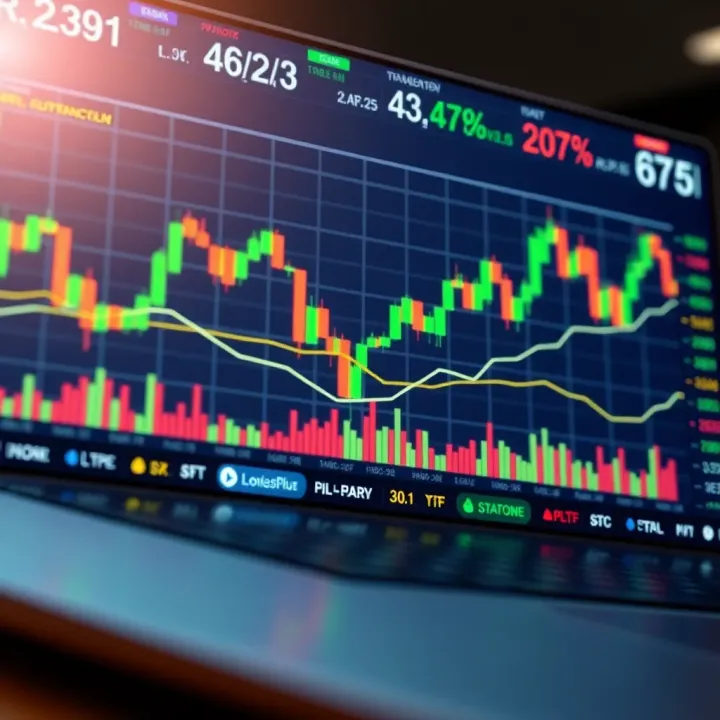
Successful forex investing requires understanding market volatility, risks, and having clear strategies. It isn’t a fast track to easy money but a disciplined approach with consistent learning.
You trade currency pairs, such as USD/KES or EUR/USD, where one currency is exchanged for another. The price fluctuates constantly due to trade flows, economic data releases, geopolitical events, and central bank actions. Kenyan investors should be aware of factors that affect the shilling, like inflation rates, foreign reserves, and remittance inflows.
Forex operates 24 hours on weekdays, opening in Asia, then Europe, and finally North America – meaning it’s active at varying intensities through the day and night, which allows flexibility for traders.
Forex investment brings both opportunities and challenges:
Volatility: Price swings can be large, offering profit chances but increasing risks.
Leverage: Brokers often provide loans allowing bigger trades; while this can multiply gains, it equally magnifies losses.
Market transparency: Unlike stocks on NSE, forex is over-the-counter with no central exchange, which demands due diligence.
Kenyan investors should start small and use demo accounts for practice. Also, mind the costs involved, including spreads and any commissions.
To trade forex safely, choose a broker regulated by the Capital Markets Authority (CMA) or the Central Bank of Kenya. Register on platforms that support M-Pesa payments to ease financial transactions. Keep an eye on market news through trusted local and international sources.
Use risk management techniques like stop-loss orders to limit potential losses. Educate yourself continuously through courses or webinars focused on forex trading.
This practical approach can help you navigate the forex market more confidently while protecting your capital.
Understanding how forex investment works is essential for Kenyans interested in tapping into the currency markets. Forex trading involves buying and selling currencies to benefit from changes in exchange rates. Given Kenya's active trade relations and reliance on imports and exports, mastering forex basics helps investors make informed decisions and potentially profit from currency movements.
Every forex trade involves a pair of currencies, for example, USD/KES (US Dollar against Kenyan Shilling). The first currency — USD in this case — is called the base currency, while the second one — KES — is the quote currency. When you trade a currency pair, you're essentially buying one currency and selling the other. If you believe USD will strengthen against KES, you buy USD/KES; if you expect the opposite, you sell it. This mechanism lets Kenyan investors reflect on global currency shifts affecting their local economy.
Each currency pair has two prices at any time: the bid price and the ask price. The bid is the price buyers are willing to pay, while the ask is the price sellers are asking. The difference between these prices is called the spread, which indirectly is the broker’s fee. For instance, if USD/KES shows a bid of 110.50 and an ask of 110.55, the spread is 0.05. Understanding this helps traders know their transaction costs and timing for entry and exit points.
Exchange rates change due to supply and demand influenced by economic indicators, interest rates, geopolitical events, and market sentiment. For example, if Kenya's exports increase, demand for KES rises, potentially pushing its value up against other currencies. Conversely, inflation or political uncertainty can weaken a currency. Kenyan investors need to track such factors closely, as these fluctuations offer trading opportunities and risks.
The forex market is vast, including central banks, commercial banks, hedge funds, corporations, and retail traders. Central banks like Kenya’s Central Bank often intervene to stabilise the local currency. Commercial banks facilitate most of the currency trading, while hedge funds and large corporations trade to hedge risks or speculate. For Kenyan investors, knowing that their trades are a small part of much larger flows helps manage expectations and strategy.
Forex operates 24 hours but in sessions aligned with major financial centres: Sydney, Tokyo, London, and New York. Kenya operates on East Africa Time (EAT, UTC+3). Key sessions include the London open at 10:00 am EAT and the New York session beginning at 3:00 pm EAT. These periods typically offer high liquidity and price movement. Kenyan traders can plan their activity around these hours to maximise trading chances while avoiding low-volume times when spreads widen.
Knowing when and how the forex market functions empowers Kenyan investors to trade strategically rather than guess. This foundation protects their capital and harnesses genuine profit opportunities from dynamic currency shifts.
Currency pairs combine two currencies, reflecting relative value; for example, USD/KES.
Bid price indicates what buyers pay; ask price shows what sellers want.
Exchange rates move with economic data, central bank actions, and market mood.
Main market players shape liquidity and influence currency flows.
Trading sessions tied to global financial hubs affect activity timing in Kenya.
With this understanding, Kenyan investors can approach forex trading as a practical investment choice linked directly to global economic realities.
Trading forex can offer several benefits, but understanding the risks is equally important, especially for Kenyan investors who want to protect their capital and make informed decisions. This section looks closely at both the advantages and potential pitfalls of forex investment, giving you a realistic view of what to expect.
The forex market is the largest financial market in the world, with daily trading volumes exceeding $6 trillion. This massive liquidity means it is typically easy to buy or sell currencies without significant delays or price changes. For a Kenyan trader, this can translate to quick execution of trades, even with relatively small amounts of capital.
Forex is accessible beyond traditional banking hours, with markets open 24/5. For example, a Nairobi-based trader can participate in the London session in the morning and the New York session in the afternoon, offering flexible trading times suited to different schedules.
Leverage allows traders to control larger positions with a small amount of capital. In practical terms, a Kenyan investor using a 1:100 leverage can trade KSh 100,000 worth of currency with just KSh 1,000 in their account. This can amplify profits if the market moves favourably.
However, leverage is a double-edged sword. While it boosts potential gains, it also increases exposure to losses. Understanding how to manage leverage effectively is crucial to avoid wiping out your trading account fast.
Forex trading lets you buy currencies you expect to strengthen or sell those you expect to weaken. For instance, if the US dollar is expected to rise against the Kenyan shilling due to better economic indicators in the US, you can sell KES/USD and profit from the dollar's rise.
This two-way potential is unlike investing in stocks where profits typically come only when prices rise. So, even during economic downturns or currency depreciation phases, forex traders can find opportunities to earn if they use short-selling strategies wisely.
Exchange rates can shift rapidly due to geopolitical events, economic data releases, or central bank actions. Such volatility can lead to substantial losses if the market moves against your position.
For example, unexpected announcements from the Central Bank of Kenya or political developments around election times often cause sharp movements in the Kenyan shilling’s value. Without proper risk controls, traders might lose more than they anticipate.
While leverage magnifies profits, it equally amplifies losses. A small adverse move multiplied by high leverage can quickly drain your account balance.
Suppose a trader uses 1:200 leverage and the market moves 1% against their position. Effectively, that translates to a 200% loss of the invested capital in that trade. This highlights why managing leverage is not just optional but a necessity for survival in forex trading.
The growing interest in forex in Kenya has attracted unscrupulous operators. Some brokers claim high returns with little risk but could be unlicensed or fraudulent.
The Capital Markets Authority (CMA) Kenya regulates forex brokers operating in the country to protect investors. It’s essential to choose brokers licensed by CMA or recognised international bodies, and to beware of promises of guaranteed profits or pressure to deposit more funds.
Always verify a broker’s licence and reviews before funding your trading account to avoid scams.
Understanding these benefits and risks equips you with a balanced view, helping you to trade forex with a clear mind and realistic expectations. From knowing how liquidity works to recognising scam signs, every piece of knowledge strengthens your trading game.
Getting started with forex trading in Kenya requires understanding several key steps that pave the way for smooth and safer investment. First, setting up a reliable trading account is the foundation. Kenyan investors benefit from being cautious in this phase, especially when choosing brokers, given the increasing number of platforms offering such services. By focusing on trustworthy brokers and regulatory compliance, investors can avoid common pitfalls like scams and unregulated dealings.
Choosing a reliable forex broker is the very first task. A broker acts as your gateway to the forex markets, making it essential to pick one with a good reputation and transparent operations. Look for brokers with strong customer support, clear fee structures, and ease of fund withdrawals. For instance, local traders often prefer brokers that offer M-Pesa integration for deposits and withdrawals, as this method is popular and convenient in Kenya. Avoid brokers that promise unrealistically high returns or operate without clear licensing.
Understanding the role of regulatory bodies like the Capital Markets Authority (CMA) Kenya is also key. The CMA regulates forex trading to protect investors from fraud and malpractice. Brokers licensed by CMA must adhere to certain standards that improve transparency and safeguard clients’ funds. Kenyan investors should confirm their broker’s CMA licence status before opening an account. This regulatory oversight helps curb scams, offering you peace of mind that your investments are relatively secure.
When it comes to account types and funding options, most brokers provide different accounts tailored to various trading needs and budgets. Starting with a demo account is common and recommended for beginners to build skills risk-free. Live accounts may have minimum deposit requirements, which vary depending on the broker. Funding options include bank transfers and increasingly popular M-Pesa payments, giving traders flexibility. Do note that some accounts offer fixed spreads or leverage features – understanding these will help manage risk effectively.
Kenyan forex investors have access to multiple popular trading platforms that offer comprehensive tools for analysis and execution. MetaTrader 4 (MT4) and MetaTrader 5 (MT5) remain widely used due to their user-friendly interfaces and advanced charting functions. These platforms support automated trading tools and custom indicators, helping traders make informed decisions. Besides MetaTrader, brokers sometimes offer proprietary platforms with features aimed at local traders.
Mobile trading and M-Pesa deposits have made forex investing far more accessible across Kenya. Many brokers offer apps compatible with smartphones, allowing you to trade anytime and from anywhere—whether commuting on a matatu or during downtime at a duka. Linking your trading account directly with M-Pesa means you can quickly deposit or withdraw funds without complicated bank processes. This integration is vital in a country where mobile money is widely trusted and preferred over traditional banking for everyday transactions.
When starting out, focus on setting up a regulated account with convenient payment options and choose platforms that fit your style. This approach builds a solid base for your forex trading journey in Kenya.
Having a solid strategy is vital for any forex trader hoping to stay ahead in this fast-moving market. Trading without a plan can quickly lead to losses, especially when emotions get involved or market swings hit hard. Effective strategies help you make informed decisions based on clear signals, reducing guesswork and improving your chances of consistent profits.
Charts and indicators are the bread and butter for many traders, allowing you to spot trends, support levels, and potential turning points. For instance, a Moving Average (MA) smooths out price data to highlight the overall direction, helping you decide when to enter or exit a trade. Using Relative Strength Index (RSI), you can identify overbought or oversold conditions, which may signal a reversal.
For Kenyan investors, understanding these basic tools can take your trading from eyeing random numbers to reading the market like a pro. Rather than relying on luck, charts guide your trades with data-backed signals. Mobile apps like MetaTrader 4 or 5 make it easy to monitor these indicators on the go, even when you’re commuting on a matatu.
Forex markets react sharply to economic news such as inflation reports, interest rate decisions, or unemployment statistics. For example, if the Central Bank of Kenya announces a surprise rate hike, the Kenyan shilling might strengthen against the dollar as investors expect higher returns.
Staying up to date with news from sources like the Kenya National Bureau of Statistics or global events affecting major currencies is crucial. News calendars available on trading platforms highlight key releases, helping you prepare for volatility instead of getting caught off guard. A practical tip is to avoid trading during major announcements unless you can handle quick moves, as spreads tend to widen and prices can jump unpredictably.
Stop-loss and take-profit orders are your safety nets. A stop-loss limits losses by automatically closing a trade once the price moves unfavourably beyond a set point. Take-profit locks in gains by closing trades once your target price is hit.
Imagine you bought EUR/USD at 1.1000, expecting it to rise. Setting a stop-loss at 1.0950 means your loss is capped at 50 pips if the market moves against you. A take-profit at 1.1100 locks in profits once the target is reached. Using these orders helps avoid the temptation to hold onto losing positions hoping they’ll bounce back, protecting your capital.
Position sizing controls how much money you risk per trade. Even if you have a winning strategy, putting too much capital on a single trade can wipe your account quickly. A common rule is risk no more than 1-2% of your trading capital on any one position.
For example, with KSh 100,000 in your account, risking 1% means you’re comfortable losing up to KSh 1,000 on a trade. This disciplined approach ensures one bad trade won’t ruin your entire portfolio, allowing for steady growth over time.
Emotions like fear and greed can cloud your judgement, leading to overtrading or holding onto losers too long. Many traders in Kenya have shared how a string of losses made them chase quick wins, only to dig deeper holes.
Sticking to your strategy and respecting your stop-loss orders helps keep emotions in check. A practical move is to step away from the screen after a couple of losing trades and review your plan calmly before continuing. Trading is a long haul, and keeping a cool head often separates successful traders from those burnt out by hasty decisions.
Effective forex trading blends good analysis with strong risk controls. For Kenyan investors, mastering these strategies helps navigate a market that moves quickly and unpredictably, leading to better outcomes and long-term success.
Navigating the legal and tax landscape is essential for anyone involved in forex trading in Kenya. Understanding how regulation works and the tax obligations tied to forex earnings helps traders stay compliant and avoid unnecessary penalties. Without this knowledge, investors risk fines or may fall victim to unlicensed brokers.
The Capital Markets Authority (CMA) is the key regulator overseeing forex trading activities in Kenya. Its role is to protect investors by enforcing rules that maintain market integrity and transparency. For instance, CMA ensures brokers operate fairly and that their financial practices comply with Kenyan laws. Any trader working with a broker should check the CMA’s register to confirm the broker is licensed and regulated.
Licensing requirements for brokers mean that forex companies must meet strict criteria before offering services to Kenyan investors. This includes proving sufficient capital, adhering to operational standards, and submitting regular reports to CMA. Choosing a licensed broker protects traders from fraudulent schemes and guarantees that deposits and withdrawals follow regulated procedures. Working with unlicensed brokers is risky; many have been reported to vanish with clients' funds, so always verify licensing status before signing up.
Profits made from forex trading must be reported to the Kenya Revenue Authority (KRA) as part of your annual income. Even if trading is done on personal accounts, forex gains are considered taxable income. Failure to declare these earnings could result in penalties or audits by KRA. To simplify tax compliance, keep detailed records of all trades, including dates, amounts, and outcomes.
Forex profits are subjected mainly to income tax, which depends on your total taxable income for the year. If you trade as an individual, earnings add up with other income and fall under the graduated tax rates, currently up to 30%. Businesses that trade forex may have different tax obligations including corporate tax. Additionally, Value Added Tax (VAT) does not apply to forex profits but may affect some service charges. Understanding these tax implications helps you plan and set aside funds for tax payments, avoiding surprises during tax season.
Always confirm your tax status with KRA and consult a tax professional to ensure forex earnings are correctly declared and tax paid on time.
By being aware of these legal and tax factors, Kenyan forex traders can manage their investments more confidently, securing their funds and meeting compliance requirements effectively.
Starting forex trading without proper guidance is like stepping into a matatu during rush hour without knowing the route. This section is designed to help new forex investors in Kenya navigate the market with confidence, avoid common traps, and build a solid foundation for their trading journey. Practical advice here can save you from costly mistakes and sharpen your skills for better decision-making.
Using demo accounts effectively: Demo accounts mimic real trading environments with virtual money, allowing you to practise without risking your savings. They are essential, especially for Kenyan beginners, since the forex market moves fast. Use them to test strategies, familiarise yourself with trading platforms like MetaTrader 4 or MetaTrader 5, and learn how orders execute. For example, try making a few trades tracking the USD/KES pair during different market hours to see how volatility shifts.
Continuous learning and practice: Forex trading is not a set-and-forget game. Markets change daily due to global events and Kenyan economic news. Keep reading trusted financial sources, follow updates from the Central Bank of Kenya and the Capital Markets Authority, and join local trader groups. Practice regularly even after moving to live accounts. It’s common for Kenyan investors to improve significantly after dedicating time to study patterns and adjusting their approach accordingly.
Recognising scams and frauds: The Kenyan forex space has its share of dodgy brokers and outright scams promising guaranteed returns. Always verify the broker’s licensing with the Capital Markets Authority (CMA) in Kenya before committing funds. If a broker pressures you to deposit large sums quickly or offers unrealistic profits, be cautious. Successful investors avoid shortcuts and prefer transparent operations.
Keeping emotions in check: Forex trading can feel like watching your favourite football team; emotions run high and can cloud judgment. Avoid hasty decisions driven by fear or greed. Use stop-loss orders to limit losses automatically and stick to your trading plan. For instance, if you lose a trade on the USD/EUR pair, don’t rush to recover losses by increasing stakes; stay calm and review your strategy.
Maintaining realistic expectations: Aim for steady growth rather than overnight riches. Forex trading involves ups and downs, and profits are rarely consistent from day one. Kenyan investors often get disheartened expecting quick wealth but end up quitting early. Recognise that skill develops over time, and focus on learning and risk management to build sustainable returns.
Forex investing in Kenya demands patience, disciplined learning, and caution against scams. Applying these practical tips can improve your chances of lasting success in this challenging market.
Explore Deriv.com through a detailed Kenyan trader's guide 📈. Learn about account setup, platform tools, market options, and security features 🔐.
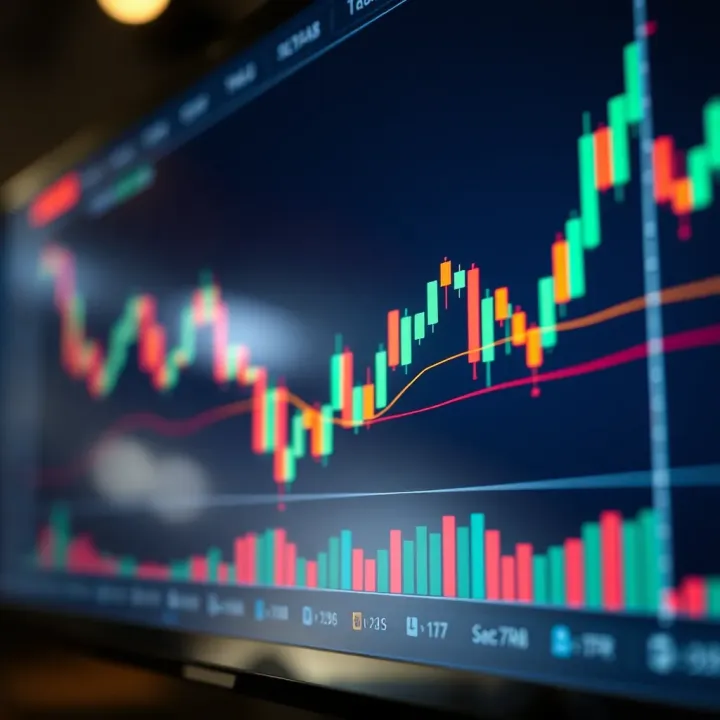
📈 Discover how to read candlesticks for smarter trading decisions. Learn history, patterns, and key techniques to navigate financial markets confidently.
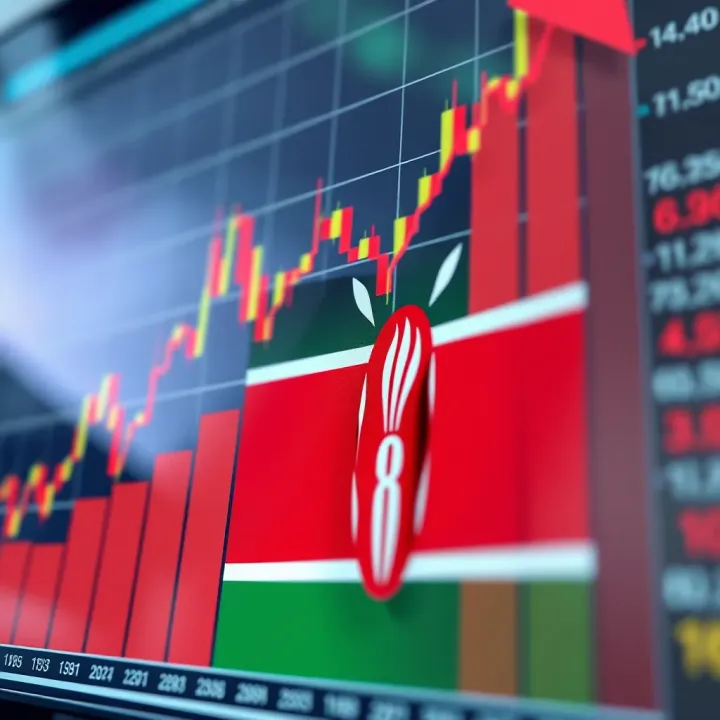
Explore top Forex traders in Kenya 🇰🇪, learn their winning strategies, get tips on safe brokers, and understand key risks in the forex market 💹📈.
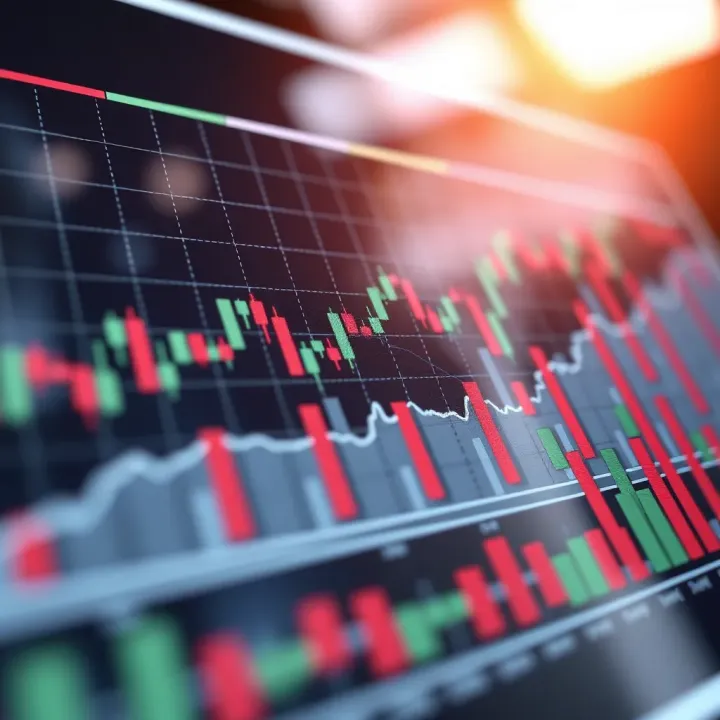
Learn all about CFD trading in Kenya 🇰🇪: its key concepts, market options, smart strategies, risk tips, and how to start confidently today!
Based on 9 reviews