

Understanding Binary Trading in Kenya
Explore binary trading in Kenya 💹, learn how it works, legal tips, risks involved, and find the best platforms to start trading confidently today.
Edited By
George Palmer
Forex binary trading has caught the interest of many Kenyan traders looking for a straightforward way to profit from currency market movements. Unlike traditional forex trading, where profits depend on price differences over time, binary trading involves predicting whether a currency pair’s price will be above or below a set level at a specific time. If you guess right, you earn a fixed return; if not, you lose the amount you invested in that trade.
The appeal here lies in its simplicity. For instance, with a KSh 1,000 investment on whether the EUR/USD pair will be above 1.1000 after one hour, you either get a fixed payout (like KSh 1,700) or lose your KSh 1,000 stake. This “all or nothing” nature makes it different from standard forex, where profit varies with how much the price moves.

Though enticing for some, binary trading carries risks that often go unnoticed. The fixed return means potential profits are capped, but losses can quickly add up with repeated wrong guesses. Many Kenyan traders, especially beginners, might underestimate how fast their funds can diminish without well-planned strategies or risk controls.
Keep in mind, no trading method guarantees profits. Always evaluate broker credibility, avoid platforms promising unrealistic returns, and never invest money you can’t afford to lose.
Kenya’s regulatory body, the Capital Markets Authority (CMA), has issued warnings about unregulated binary trading platforms targeting Kenyans. Legal platforms usually operate under strict conditions, ensuring investor protection. As such, understanding the legal landscape is key before diving in.
At its core, forex binary trading is about timing and predicting market direction—not about owning actual currencies. Kenyan traders should focus on learning technical indicators, managing their capital wisely, and selecting reliable platforms that support KSh transactions, such as M-Pesa deposits and withdrawals.
In the following sections, we will explore how forex binary trading works, assess its benefits and downsides for Kenyan traders, and provide practical guidance on choosing platforms and managing risks effectively.
By the end, you’ll be better placed to decide if this form of trading fits your portfolio and risk tolerance. Stay sharp and trade responsibly.
Understanding the basics of forex binary trading is essential for anyone looking to enter this investment space, especially Kenyan traders who may be less familiar with its nuances. This approach combines elements of forex trading with a fixed return model, making it both accessible and straightforward. By grasping these fundamentals, traders can better manage their risks and make informed decisions without getting overwhelmed by complicated market dynamics.
Definition and key concepts
Forex binary trading involves predicting whether the price of a currency pair will go up or down within a specified time frame. Instead of owning the currency itself, you are basically betting on the direction of the price movement. For instance, if you think the US dollar will strengthen against the euro by the next hour, you place a trade accordingly. The payoff is fixed, meaning if you predict correctly, you gain a predetermined amount; if not, you lose what you staked.
This simplicity is what draws many traders. Unlike traditional forex markets where profits can vary and losses can be unlimited, binary trading offers clarity upfront — you know your potential loss and gain before entering the trade.
Difference from traditional forex trading
Traditional forex trading involves buying and selling currency pairs with the objective of profiting from price changes over time. Here, profits or losses depend on how much the price moves. If you buy $1,000 worth of euros and the value moves in your favour, you profit; if it moves against you, losses accrue. These trades can be held indefinitely, so timing is flexible.
In contrast, forex binary trading is simpler but more constrained: trades have fixed expiry times, and profits or losses are predetermined, not scaling with market moves. The trade is effectively an all-or-nothing bet on price direction, making it more like gambling than investing, which requires caution and discipline.
Call and put options explained
Binary options revolve around two main types of trades: call and put. A call option is a bet that the price of a currency pair will rise before expiry, while a put option bets that the price will fall. For example, if the USD/KES pair is trading at 109, and you think it will go above 109 within 15 minutes, you buy a call option. Conversely, if you expect it to drop, you buy a put.
This setup is straightforward and practical, especially for new traders. You only need to decide the direction – up or down – within a clear time frame.
Expiry times and payout structure
Expiry times in binary trading vary widely, from 60 seconds to several hours or even days. The chosen expiry defines how long you hold the option before it closes. Short expiry times can make trading feel fast-paced and risky, while longer ones may give more room to study trends.
Payouts are fixed percentages of your stake, usually ranging between 70% and 90%. For example, if you invest KS,000 in a binary option with an 80% payout and your prediction is correct, you earn KSh800 profit plus your original KS,000 stake back. If you’re wrong, you lose the full KS,000. This clear-cut payout removes guesswork about profits but also highlights the risk of losing 100% of your investment on each trade.
Understanding these basic mechanics is crucial before you commit real money. Forex binary trading's simplicity doesn’t eliminate its risks, so knowing how call/put options work and the influence of expiry times and payout helps you control your trading better.
By focusing on these basics, Kenyan traders can approach forex binary trading with realistic expectations and practical strategies that fit their risk tolerance and investment goals.
Understanding the balance between risks and rewards is essential before stepping into forex binary trading. For Kenyan traders, knowing what to expect can help manage funds responsibly and avoid pitfalls common in fast-paced, high-stakes markets.
Fixed payouts and simplicity make forex binary trading appealing, especially for beginners. Traders know upfront how much they can gain or lose from a single trade, setting clear expectations. For example, if a call option promises a 70% payout on a KSh 1,000 investment, the trader either earns KSh 700 or loses the initial amount, making the outcome straightforward. This simplicity reduces confusion compared to traditional forex, where profits and losses depend on fluctuating price movements.
Limited capital needed means that you don’t have to invest large sums to start trading. Most platforms accept small amounts — sometimes as low as KSh 500 per trade — making forex binary trading accessible even to those without big financial backing. This suits many Kenyan traders who want to test the waters without risking their entire savings or taking expensive loans. Still, starting small helps you learn how the market behaves and how expiry times, strikes, and payouts affect your success.
The high loss probability is a real concern. Given the all-or-nothing nature, even informed traders may experience losing streaks. Unlike owning an asset, you don’t hold anything once the option expires wrong, meaning your initial stake disappears completely. For instance, if you are wrong on 6 out of 10 trades, you will lose more money than you gain, despite occasional wins.
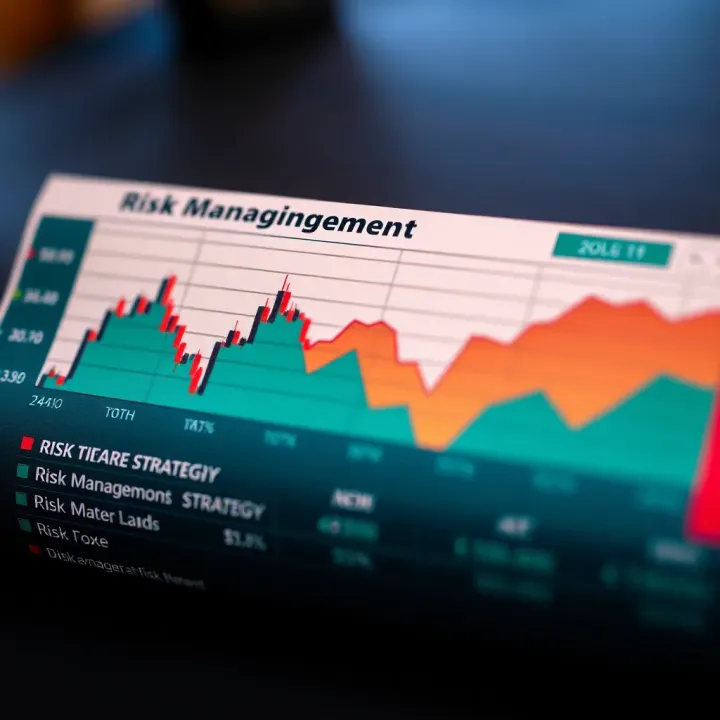
Market unpredictability adds another layer of risk. Forex markets react to global events like central bank decisions, political instability, or economic data — factors that can quickly shift currency trends. Such volatility makes it difficult to predict outcomes with certainty, and a sudden swing can wipe out expected profits briefly. Kenyan traders who rely solely on short-term price moves might find it challenging to consistently guess the correct direction.
Lastly, the presence of fraudulent platforms poses a significant threat. Kenya’s growing interest in forex trading has attracted unscrupulous operators who promise high returns but delay or refuse withdrawals, or manipulate trades unfairly. Kenyan traders should be cautious and choose regulated platforms, preferably those monitored by bodies like the Capital Markets Authority (CMA). Always check reviews, licensing status, and payment methods, making sure you can withdraw earnings smoothly, including via popular options like M-Pesa.
Managing risks carefully while recognising the clear payout advantages can help Kenyan traders navigate forex binary trading with better confidence and control.
Combining awareness of these factors prepares you to make smarter decisions, protecting your funds and increasing chances of steady returns over time.
Understanding the legal landscape around forex binary trading is vital for Kenyan traders. This knowledge helps ensure that your investments are protected and that you operate within set rules that promote fairness and transparency. Kenya’s regulatory framework is primarily designed to shield traders from fraudulent activities and unreliable brokers.
The Capital Markets Authority (CMA) is the main regulatory body overseeing investments and securities in Kenya, including aspects related to forex and derivatives trading. While binary options themselves are not yet fully regulated, the CMA has extended warnings about the risks involved and keeps a close eye on platforms offering such products. Its role is crucial because it sets the tone for investor protection, monitors market conduct, and prohibits unlicensed trading activities.
The CMA regularly issues alerts to help Kenyan traders identify illegal or unregulated brokers and platforms. For example, the CMA once warned about several offshore binary trading sites operating without permission, advising investors to avoid dealing with them. This kind of oversight helps minimise losses from scams and untrustworthy platforms.
Kenyan law requires that any forex or binary option broker operating locally must hold a valid licence from the CMA. This licence ensures brokers meet minimum standards such as capital adequacy, transparency, and fair dealing. Licensed brokers are also required to provide clear terms of service, proper account segregation, and timely payout systems.
For instance, brokers registered with the CMA often support popular payment options like M-Pesa, making deposits and withdrawals easier and safer for Kenyan clients. Before investing, it is wise to verify the licence status on the CMA’s official list to avoid unregulated brokers, which frequently have poor customer service and questionable payout histories.
Kenyan traders should be alert to common red flags signalling scams in forex binary trading. These include platforms promising guaranteed high returns with little or no risk—an unrealistic claim. Other signs include lack of transparency about company location, no proper licensing details, and pressure to invest quickly without time to consider.
Often, scam platforms will delay or refuse withdrawals, demand extra fees to release funds, or use fake testimonials to lure traders in. For example, there have been cases of Kenyan traders losing KSh 100,000 or more to websites claiming to offer lucrative trading but disappearing once payments are made.
Practising safe trading is key to shielding your money. Always start by using brokers registered and licensed by the CMA and make sure their platforms support secure payment methods like M-Pesa or direct bank transfers. It's wise to test out the platform with small amounts initially while observing their withdrawal speed and customer support responsiveness.
Additionally, avoid sharing sensitive information such as passwords or PINs with anyone. Keep track of all transaction records and be cautious of unsolicited calls or emails offering insider tips or extra bonuses. These measures help build a safer trading routine and minimise the chance of falling victim to fraud.
Kenyan traders benefit most when they prioritise regulated brokers and stay vigilant against scams, ensuring forex binary trading remains a viable and less risky option.
Selecting the right forex binary trading platform makes a significant difference in your trading experience and outcomes. Given the risks involved in binary trading, especially in volatile forex markets, your platform should offer reliable execution, clear information, and secure transactions. For Kenyan traders, practical features like payment options suited for local use and straightforward interfaces can save you time and money.
Trustworthiness is the backbone of any trading platform. A reliable platform ensures that trades are executed fairly and on time, avoiding delays that could cost you money. Reputation often reflects a platform's track record with users and its compliance with regulatory standards. For instance, a platform licensed or registered under bodies such as the Capital Markets Authority (CMA) in Kenya usually maintains higher standards, which can protect you from fraud or abrupt shutdowns.
Also, look for reviews or feedback from other Kenyan traders. Platforms with a strong local user base tend to offer better customer support tailored to your needs, including responses in local time and understanding Kenyan banking and payment systems.
Trading platforms with clear, intuitive interfaces make it easier to place trades correctly and monitor your positions. Because binary trading involves quick decisions, a clutter-free design with straightforward navigation can reduce costly mistakes. Kenyan traders who might not yet be tech experts benefit greatly from platforms that are not overly complicated.
Mobile accessibility is another key factor. Many traders in Kenya rely on smartphones, so a platform that works smoothly on Android and iOS devices without lag or glitches helps you stay connected to the market anytime, anywhere.
Convenient payment methods can simplify your trading lifecycle, from deposits to withdrawals. Since M-Pesa dominates mobile money in Kenya, choosing a platform that accepts M-Pesa payments is a practical advantage. This local payment option reduces the hassle of international bank transfers or credit card issues, making fund management quicker and less costly.
Also, check if the platform supports other common transaction methods like bank transfers or major cards, offering you flexibility. Transparent terms on deposits and withdrawals prevent unexpected charges or delays, essential for maintaining control over your funds.
Kenyan traders have access to both local platforms tailored specifically for the Kenyan market and international platforms that accept clients from Kenya. Local platforms may understand Kenyan regulatory and payment landscapes better, giving you peace of mind about compliance and funding.
On the other hand, international platforms like IQ Option, Binomo, and Olymp Trade offer a wide range of assets and advanced tools. However, it’s important to verify if they accept Kenyan users and provide support relevant to Kenyan traders, such as local language help desks or compliance with CMA requirements.
Costs can affect your profitability over time. Different platforms charge varying fees — some may levy fixed commissions on trades, while others include hidden costs in spreads or payout schedules. Carefully review the fee structure before committing.
Withdrawal terms matter just as much as fees. A platform with quick, reliable withdrawals that reach your M-Pesa wallet or bank account without excessive delays or high charges will keep your trading smooth. Avoid platforms that impose long withdrawal waiting times or complicated verification procedures, as these could tie up your money unnecessarily.
Choosing a platform with transparent fees and convenient withdrawal options ensures you stay in control of your earnings and avoid surprises that can erode your profits.
In summary, pick a platform that combines trustworthiness, user-friendly design, and payment flexibility, especially with M-Pesa integration, to suit the unique needs of Kenyan forex binary traders.
Understanding basic strategies is essential for Kenyan traders venturing into forex binary trading. These strategies help to reduce guesswork and increase the chances of making informed decisions. Moreover, simple tips on managing funds and emotions improve long-term trading success by protecting your capital from unnecessary losses.
Trend following is one of the simplest yet effective trading strategies. It involves observing the market direction—whether prices are generally moving up, down, or sideways—and making trades that align with this movement. For example, if the forex pair EUR/USD has been steadily climbing over several hours, it might be wise to place a call option, betting that the price will continue rising during the expiry period.
This strategy suits beginners because it relies on clear market signals instead of speculation. A Kenyan trader observing daily trends on popular pairs like USD/KES can use chart tools available on many platforms to spot upward or downward momentum and make decisions accordingly.
Support and resistance levels are price points where the market tends to pause or reverse. Support is a level where prices usually stop falling and start rebounding, while resistance is where prices typically stop rising and fall back. Recognising these points helps traders decide when to enter or exit trades.
For instance, if the USD/KES exchange rate approaches a resistance level it failed to break several times before, a Kenyan trader might consider a put option expecting the price to drop. Spotting these levels requires studying previous price movements on charts and can provide practical entry and exit cues, improving trade timing.
Managing how much money you put into each trade is key to safeguarding your overall funds. Kenyan traders should define a daily or per-trade limit—say, investing no more than KSh 1,000 per option—to avoid large losses from a few bad trades. This approach spreads risk and keeps your trading sustainable.
Moreover, sticking to fixed limits prevents the temptation to chase losses by increasing stakes recklessly. Consistent investment amounts build discipline, which is critical in the volatile environment of binary trading.
Trading based on feelings often leads to poor outcomes. Fear after losses might make a trader quit too early, while greed during winning streaks can cause overtrading. Kenyan traders must work on maintaining rationality, using objective criteria from their strategies to decide trades instead of gut feelings.
Simple practices like taking breaks after several trades, keeping a trading journal, or following predetermined rules can help control impulse decisions. For example, if you lose two trades in a row, resist the urge to double your next investment. Emotional discipline keeps your trading steady and improves overall results.
Wise money management and sound trading strategies can make the difference between gambling and smart investment in forex binary trading.
By focusing on these basic strategies and risk controls, Kenyan traders position themselves better for safer and more informed trading experiences.
Explore binary trading in Kenya 💹, learn how it works, legal tips, risks involved, and find the best platforms to start trading confidently today.

📈 Learn how derivative trading works in Kenya—covering types, benefits, risks, and local rules. Expand your investment tools today! 🇰🇪

Explore binary trading in Kenya 🇰🇪: Understand how it works, weigh risks & rewards, learn smart strategies, and pick trusted platforms for safer investing 📈💡

Explore binary trading basics, strategies, risks, and legal insights in Kenya 🇰🇪. Get clear guidance plus reliable PDF resources to boost your skills 📊📄.
Based on 5 reviews