

Understanding Deriv Bot Trading: A Practical Guide
Explore how Deriv bot trading works, its benefits, tips for Kenyan traders, risk management, legal aspects, and future trends in automated trading 🤖📈
Edited By
Liam Thompson
The so-called dollar printer bot is a tool circulating online, promising users they can print or generate unlimited US dollars with a simple download. For anyone involved in trading or investing, the idea may sound tempting at first—who wouldn’t want a quick way to make extra cash? But it’s essential to understand what this bot actually does, how it works, and why it’s best to stay clear of it.
At its core, the dollar printer bot is not a legitimate software that creates real money. Instead, it is often a scam or phishing tool designed to steal personal data, spread malware, or trick users into paying for something that doesn’t exist. This scheme preys on people looking for fast financial gains, especially online.
Beware of apps or bots promising free or unlimited money — if it sounds too good to be true, it usually is.
Here are some common signs linked to such bots:
Claims of "automated dollar printing" without any solid proof
Requests to download files from unofficial sources
Promises of quick, effortless earnings with no skills or investment
Pressures to act fast or risk losing the opportunity
Using or even downloading the bot may expose you to various risks:
Malware infection: The bot can carry viruses that damage your device or steal information.
Financial loss: You might be asked for payment details or fees with no return.
Identity theft: Personal data entered into the bot could be misused.
For traders and financial professionals, falling for such scams can damage your credibility, compromise your systems, and lead to significant financial setbacks. Instead of chasing false promises, consider other safer methods to grow your income:
Developing your skills in forex or stock trading
Using regulated platforms for investment
Engaging with Kenya's digital financial services responsibly
Understanding the real risks behind the dollar printer bot helps you protect your investments and personal data. It’s wiser to avoid shortcuts that end up causing more harm than good.
In the following sections, we’ll break down how these bots work, their dangers, and safer alternatives tailored for those serious about earning online in Kenya.
The Dollar Printer Bot is often marketed as a software tool that can 'generate' or 'print' dollars digitally, promising users quick and easy money without much effort. For traders, investors, and financial analysts, it is vital to understand that such claims rarely hold water and instead can mislead even savvy individuals into risky choices. This section breaks down what the Dollar Printer Bot actually is, its origin, and the features usually highlighted to attract users.
These bots typically emerge from online forums, social media groups, or underground digital markets, often promoted by anonymous or unverified sources. The origin stories frequently involve tales of software hacks or secret algorithms that tap into digital systems to create unlimited currency. For example, some adverts claim the bot can exploit weaknesses in payment platforms or banking APIs to credit money without legitimate transactions.
The claims usually promise unbelievable returns with minimal or no investment from the user, playing on the desire for fast wealth. However, these narratives lack credible proof and often ignore how digital currencies and financial systems are tightly regulated and monitored.
Promoters of the Dollar Printer Bot list features designed to hook potential users by suggesting ease and power. These commonly include:
Automated money printing: The bot supposedly runs in the background, generating funds automatically without manual intervention.
Compatibility with major platforms: Claims that it works with a variety of payment systems such as M-Pesa, PayPal, or bank transfers.
Anonymity and security: Assurances that user identity and data remain private, appealing to those wary of exposure.
User-friendly interface: Emphasising simple setup, even for people with limited tech knowledge.
Instant withdrawals: Promising quick access to printed funds.
While these features sound attractive, they often serve as sugar-coated distractions from the underlying reality: these bots do not have legitimate methods to create real money, and their operation is often tied to scams or malware.
Understanding these aspects helps professionals in the financial and trading sectors to recognise warning signs and avoid engaging with risky or fraudulent digital tools.
Understanding how the Dollar Printer Bot operates helps reveal why it claims to generate money easily and whether these claims hold any water. For traders, investors, or portfolio managers, knowing the technical side is critical before even considering downloading such software. This section breaks down the bot’s mechanics and explains why the promised digital dollars are often just an illusion.
The Dollar Printer Bot typically presents itself as an automated tool that supposedly creates money or credits instantly through digital means. In reality, most of these bots rely on quick scripts or software programmes designed to exploit vulnerabilities in online platforms, digital wallets, or games. The core mechanism involves mimicking legitimate transactions or faking inputs to inflate balances temporarily.
For example, a bot might pretend to hack virtual currency in online games or simulate fake transactions on a digital payment system. This causes the user's balance to show higher than actual funds, but such credits never convert into real money. Moreover, some bots include backdoor viruses that log keystrokes or steal login data when installed.
In simple terms, the bot does not print actual money but plays tricks on digital systems to create a false view of increased funds.
In many cases, these bots need specific permissions on your device or accounts. This opens the door to malware, ransomware, or other cybersecurity threats. Therefore, even if a Dollar Printer Bot works momentarily in a controlled environment, the risks outweigh any short-lived gains.
Digital currency systems—whether mobile money platforms like M-Pesa, cryptocurrencies, or game credits—operate on complex verification mechanisms across multiple secure servers. They maintain strict records to prevent fraud and double-spending. No legitimate system allows software bots to create money out of thin air; doing so would instantly trigger security protocols.
The Dollar Printer Bot exploits this by showing fake data on local devices or apps without making a real transaction in the backend. In Kenya, for example, digital cash on M-Pesa involves transaction confirmations and timestamps that bots cannot bypass. What a bot may display as a balance increase is often just manipulated data locally on your screen, much like editing a screenshot—but without actual money movement.
This creates a false sense of easy money, luring users to download suspicious files or supply sensitive login details. It’s like seeing a mirage in a dry desert—appearing close and promising relief, yet impossible to touch.
That said, some individuals confuse such tools with legitimate automated trading bots on forex or cryptocurrency platforms. The difference lies in transparency and regulation. Legitimate bots operate on approved algorithms and do not promise free money but help with market analysis and fast order execution.
For investors and traders, recognising these distinctions prevents falling into scams that waste time, money, or worse, compromise personal data. Always question a tool that promises instant, effortless cash—especially when it involves downloading a bot without verifiable reviews from trusted sources.
When considering tools like the dollar printer bot, it's vital to understand the risks involved. This knowledge can prevent financial losses, safeguard personal information, and keep you on the right side of the law. Traders and investors are particularly vulnerable because these bots often promise easy money but instead carry hidden dangers.
Downloading a dollar printer bot can expose your devices to serious security threats. Many of these bots are a front for malware, including keyloggers, ransomware, or spyware. For example, some users have reported that these files disguise themselves as harmless software but once installed, they start capturing login details for online banking or M-Pesa accounts. This malware can silently siphon money or lock you out of your system demanding ransom.
Unlike official software distributed through trusted platforms, dollar printer bots come from unverified sources. Without proper security checks, you risk infecting your computer or mobile with viruses that affect both personal and professional data. Such infections not only slow down your devices but can also compromise sensitive files like financial records or investment strategies.
Using dollar printer bots raises serious legal questions. In Kenya, manipulating or creating counterfeit funds, even digitally, is illegal under the Computer Misuse and Cybercrimes Act. Anyone caught attempting to generate fake currency faces hefty fines or imprisonment. Moreover, some bots function as part of wider fraud schemes where users get conned into paying for software that doesn’t work.
Fraud isn’t limited to buyers. If these bots are linked to hacking attempts against financial systems, users might unknowingly become accomplices. Authorities monitor such schemes closely, and getting involved—even unknowingly—could lead to investigations by the police or the Directorate of Criminal Investigations (DCI).
Your personal information is valuable, and dollar printer bots often exploit this fact. Upon installation, some bots ask for permissions that give them access to your contacts, messages, or even your location. This data can then be sold to third parties or used to commit identity theft.
For instance, a trader using the dollar printer bot might discover that their confidential investment plans or client contacts have leaked. Such breaches can ruin reputations and lead to financial harm. Protecting your privacy online requires caution with unknown software to avoid these pitfalls.
Remember: No legitimate tool can produce money out of thin air. If something sounds too good to be true, it usually is.
To sum up, the risks attached to downloading dollar printer bots include malware infections, legal consequences, and loss of private data. Traders and financial professionals should steer clear of such shortcuts and focus instead on proven, legal methods of earning. This approach protects your money, your information, and your peace of mind.
Dollar printer bots often present themselves as quick fixes to financial problems, claiming to generate unlimited digital dollars with minimal effort. However, these are classic examples of online scams designed to mislead users. Scammers spread false information, sometimes using fake testimonials or doctored screenshots to trick people into downloading malware or handing over sensitive details. For instance, some victims might find their devices infected with keyloggers that steal passwords for mobile money accounts like M-Pesa, leading to financial losses.
It's important to realise that no tool or software can magically create money; digital currency, like Kenyan shillings in your M-Pesa account or dollars in an online wallet, must come from legitimate sources. The misinformation around dollar printer bots exploits the desire for easy money, a common temptation especially in a tough economy. Remember, if something sounds too good to be true, it usually is.
Always verify claims regarding online money-making tools through trusted financial news or official advisories. Kenya has had numerous cases where such scams caused serious harm.
Instead of chasing unrealistic solutions, focus on proven online income methods available in Kenya. Platforms like Jumia, Glovo, and Uber Kenya offer opportunities for earning through delivery or transport services. Freelance work on sites like Upwork or Fiverr lets you leverage skills such as writing, graphic design, or programming to get paid fairly and securely.
Another practical approach is investing wisely in the local stock market through the Nairobi Securities Exchange (NSE). With proper research or guidance from registered brokers, investors can grow their savings over time. Additionally, the rise of mobile banking and payment services means you can engage in small business ventures—selling goods on social media or running a digital kiosk with efficient payment options like Lipa Na M-Pesa.
These strategies are grounded in effort, skill, and time investment—not fake bots claiming instant riches. They also protect you from legal trouble, data theft, and financial loss associated with scams.
To sum up, dollar printer bots are not a legitimate way of earning money in Kenya or anywhere else. Understanding the risks and focusing on realistic, legal options will help secure your financial future without falling victim to scams.
Choosing safer ways to earn money online is critical, especially when offers like the Dollar Printer Bot promise easy cash but come with high risks. Reliable alternatives provide transparency, legal compliance, and realistic earning potential. This helps protect your data, your devices, and ultimately your finances. Knowing where and how to invest your time or capital online makes all the difference.
There are several legitimate platforms where Kenyans can earn income or invest safely. For example, Tala offers microloans for small businesses, allowing entrepreneurs to grow without falling into scams. M-Pesa remains vital, especially with services like Lipa Na M-Pesa enabling secure transactions and business payments.
For freelancers, platforms such as Upwork and Fiverr provide a way to offer skills like writing, graphic design, or programming to a global market while getting paid in dollars or other currencies, which can then be received in Kenya through safe payment channels.
Investment platforms like CIC Insurance Group or Britam offer unit trusts and savings schemes regulated by the Capital Markets Authority (CMA). These options are transparent, with clear terms and are backed by local regulations.
Engaging in online tutoring or selling local crafts on verified e-commerce sites like Jumia Kenya can also be reliable income streams. These options require effort but build sustainable income without risking your financial security.
Scams in the online money-making space are often clever but avoidable with some caution:
Verify the Source: Always check the credibility of any platform or offer. Look for reviews, regulatory registration (for investments), or official correspondence.
Avoid Upfront Payments: Be wary of schemes requiring large deposits or fees before you can ‘start earning.’
Protect Your Data: Avoid sharing sensitive information like PINs, passwords, or your national ID on unverified sites.
Use Trusted Payment Methods: Stick to secure payment options like M-Pesa, bank transfers, or regulated digital wallets.
Stay Informed: Follow updates from organisations like the Kenya Cybersecurity Centre and read about common scams that target local users.
Taking time to research and choosing trusted platforms will save you from losing money or falling victim to fraud.
By focusing on transparent, proven earning methods and staying alert to red flags, you can build income streams online without risking your hard-earned cash or personal security.
Explore how Deriv bot trading works, its benefits, tips for Kenyan traders, risk management, legal aspects, and future trends in automated trading 🤖📈
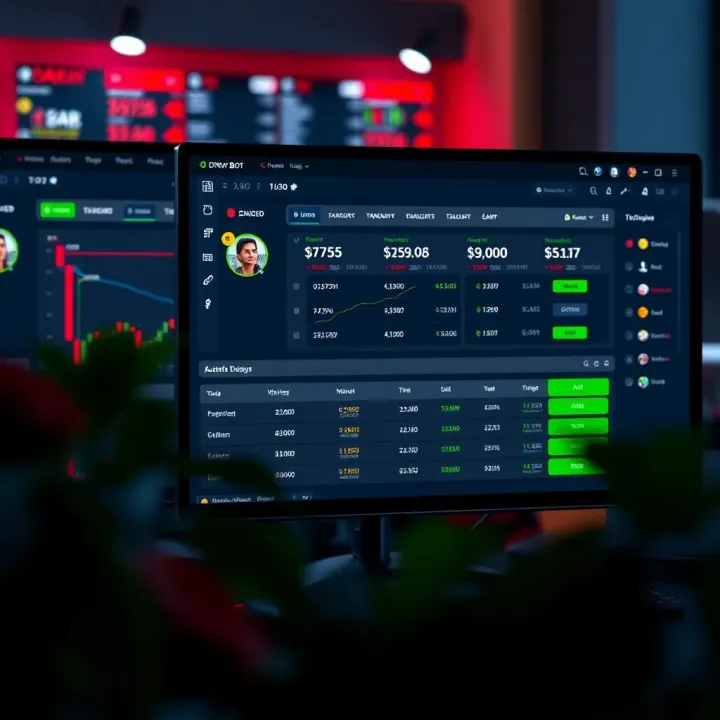
Explore how Deriv Binary Bot simplifies trading for Kenyan traders 📈. Learn setup, strategies, and risk management to automate binary options smartly 🤖.

🤖 Dive into how bot trading automates market moves, explores risks & perks, plus tips for Kenyan traders to trade smarter with bots.
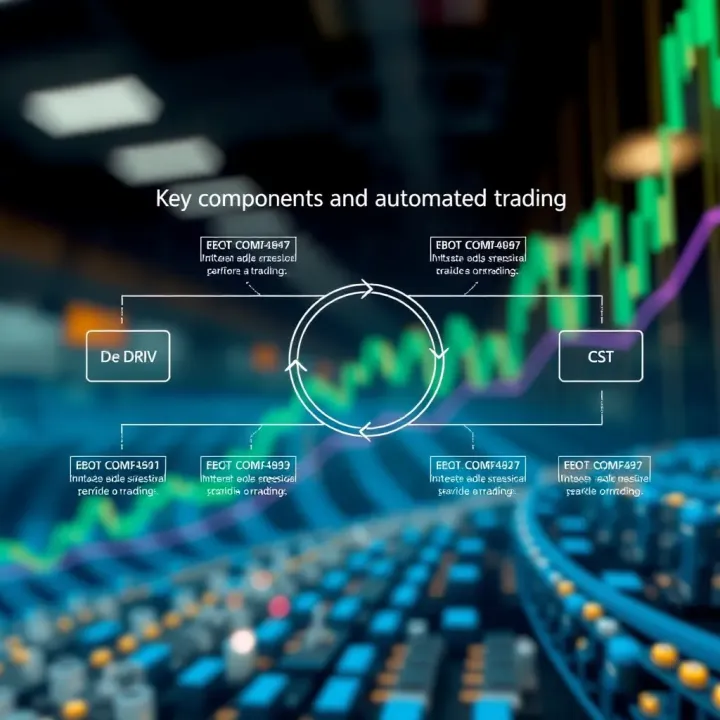
🤖 Discover Bot Deriv: how this automated trading tool works, its perks, risks, and tips for Kenyan traders aiming to boost trading efficiency!
Based on 5 reviews