

Binary Options Guide for Kenyan Traders
📊 Learn how binary options work in Kenya! Explore platforms, risks, strategies, and key tips to trade smarter and stay safe in the market.
Edited By
Thomas Gray
Binary trading has become a hot topic among investors and traders in Kenya over the past few years. But what exactly is binary trade, and why are so many people talking about it? At its core, binary trading is a form of financial betting where the trader predicts whether the price of an asset will go up or down within a specific time frame.
For Kenyan traders, understanding this financial tool isn’t just about knowing the basics—it's about recognizing the risks, spotting reliable strategies, and navigating the regulatory environment to make smart investment decisions. This guide breaks down everything you need to know about binary options, from how they work to the challenges traders face, with clear examples relevant to the Kenyan market.
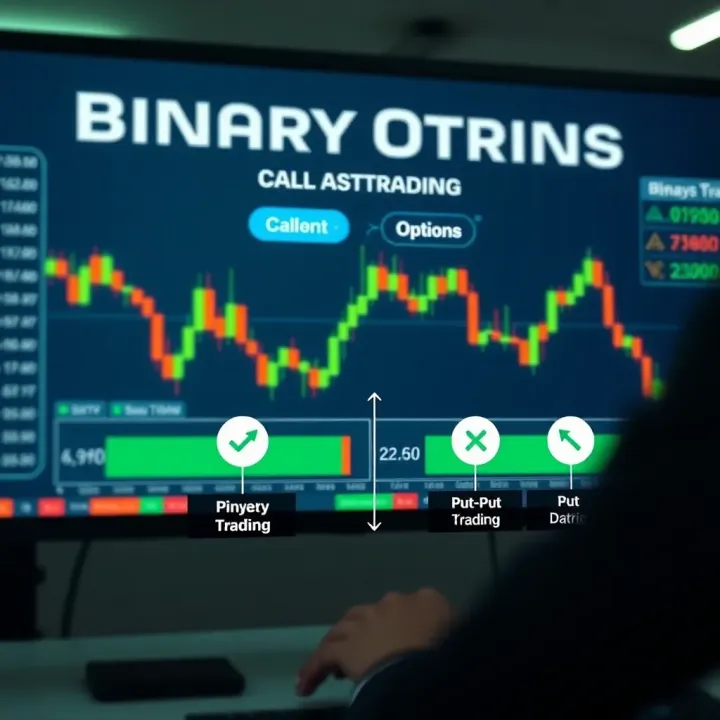
Whether you’re a portfolio manager, forex broker, or an everyday investor, grasping the ins and outs of binary trade could open up new avenues for your financial journey. Our goal is to give you a straightforward, practical overview that helps you weigh the potential upsides against the pitfalls before jumping in.
"Binary trading can offer quick returns but demands a cautious and well-informed approach, especially in Kenya's evolving investment landscape."
In this article, we will cover:
What binary options trading involves and its appeal
Common risks and how to spot them in real scenarios
Effective strategies tailored to Kenyan traders
Current regulations affecting binary trade in Kenya
Let's dive in and clear up the fog around binary trading so you can decide if it’s right for your portfolio.
Binary trading has become quite the buzzword lately, especially among Kenyan traders looking for a straightforward way to tap into financial markets. Understanding how it works is crucial before you dive in because unlike traditional trading, binary options come with a specific payoff that's either a fixed amount or nothing at all, hence the name "binary." This distinct feature makes binary trading both appealing and risky at the same time.
The relevance of this topic lies in its growing popularity within Kenya’s trading community. Whether you’re a seasoned investor or a newbie, grasping how binary trade operates will help you make more informed decisions, avoid pitfalls, and understand the practical benefits and limitations of this financial instrument.
Let's break down the basics and detail the common types of binary options, and how trades are executed to give you comprehensive insight.
Binary trading involves predicting the direction of an asset's price movement within a predetermined time frame. You don’t buy the asset itself; instead, you bet on whether the price will be above or below a specific level when the option expires.
For example, suppose you think the price of Safaricom shares will be above KES 30 after one hour. If your prediction is correct at expiry, you get a fixed payout. If not, you lose the invested amount. The simplicity here means you either win a known sum or lose your stake, with nothing in between.
This fixed-risk, fixed-reward structure is what sets binary options apart, making it easier to understand than traditional stock or forex trading, which involves complex price movements and various order types.
These are the bread and butter of binary trading. A "call" option is when you bet the asset's price will rise above the strike price at expiry, while a "put" option bets on the price falling below the strike price.
Practical example: If you believe the NSE 20 Index will climb above a certain point by day's end, you buy a call option. If it does, you earn a return; if it doesn't, your investment is lost. This simple yes-or-no bet appeals to many Kenyan traders who want direct exposure without owning the underlying asset.
These are a bit more specific. A one-touch option means you expect the price to touch or exceed a particular level before expiration. Conversely, a no-touch option bets on the price not reaching that level.
Imagine betting that East African Breweries Limited (EABL) shares will hit KES 250 before the market closes (one-touch). If that level is touched even briefly, you win. If you place a no-touch bet, you’re wagering that the price won’t reach KES 250 at all.
This type of trading adds flexibility and can suit traders who watch volatile stocks closely.
Range options, sometimes called boundary options, involve predicting whether the price will stay within a specified range during the option’s lifetime.
For example, you might bet that KenGen’s stock price will remain between KES 10 and KES 12 over the next hour. If it stays within that band at expiry, you earn a payout. If it moves outside, you lose your stake.
Range options are useful for trading sideways markets and can appeal to those watching Kenyan markets that tend to have periods of low volatility.
Binary trades are straightforward to execute. First, you choose an asset like a stock, currency pair, or commodity featured on the trading platform. Then you decide on the option type, select your predicted direction, stake your money, and set the expiry time.
Once the trade is placed, you wait for the outcome at expiry. The settlement depends on whether your prediction was correct. Winning trades pay out a fixed percentage, often between 70% and 90% of your stake, while losing trades result in the loss of the initial investment.
For example, if you invested KES 1,000 in a call option on Safaricom and the payout ratio is 80%, a correct prediction yields KES 1,800 back – your stake plus 80% profit.
Always remember that the all-or-nothing nature means managing your money carefully is vital, as frequent losses can quickly deplete your trading capital.
In Kenya, access to binary trading platforms is growing, but execution speed, platform reliability, and transparency in settlement are critical factors to keep an eye on.
Understanding these core elements lays a solid foundation for anyone considering binary trading in Kenya, equipping you to recognize opportunities and risks clearly.
Binary trade has caught the attention of Kenyan traders for a few distinctive reasons. Unlike the complex world of forex or stock trading, binary options offer a straightforward proposition: predicting whether an asset’s price will go up or down within a set timeframe. This simplicity makes it much easier to grasp, particularly for new traders who might find traditional markets overwhelming or confusing.
One of the biggest draws for many Kenyans is how uncomplicated binary trading is compared to traditional markets. You don't need a deep background in finance to get started. Imagine this: instead of juggling multiple variables like stop-loss levels, margin requirements, and detailed charts, you focus on one clear choice—will the price rise or fall? This clarity cuts down decision fatigue and lowers the barrier to entry. An example is how a trader in Nairobi can pick a currency pair like USD/KES and simply decide if the price will finish higher or lower within the next hour.
Binary trading also appeals because it offers the chance for fast returns. Trades typically last from 60 seconds to a few hours, so instead of waiting days or weeks, you can see results rapidly. This quick turnaround is enticing, especially to those looking to boost their income without tying up capital for long periods. However, it’s vital to remember that quick returns come with high risk. For instance, a Kenyan trader might place a trade on the price of coffee futures and clinch a win within minutes — but the flip side is just as quick a loss.
Another crucial factor is the growing accessibility of binary platforms in Kenya. With increasing internet penetration and smartphone use, Kenyan traders can access platforms like IQ Option, Binomo, or Olymp Trade easily, right from their phones. These platforms often support KES deposits and local payment methods like M-Pesa, making it convenient to fund accounts and withdraw earnings. This local-friendly approach breaks down practical barriers that once made online trading tough for ordinary Kenyans.
The allure lies in how binary trading blends user-friendliness, quick outcomes, and easy access — a combo that traditional markets don’t always offer at the same pace or convenience.
In summary, binary trading’s appeal in Kenya hinges on its straightforward nature, the promise of fast profits, and platforms that accommodate local market needs. For many, this mix represents an opportunity to get involved in financial markets without the usual technical hurdles and waiting times.
Binary trading might seem a quick fix to make some easy money, but it comes with a fair share of risks and hurdles. For Kenyan traders, understanding these risks is not just beneficial; it’s downright necessary. The binary options market is not your average trading playground where outcomes are guaranteed or even fairly balanced. It’s a high-stakes arena with the potential for big losses as well as gains. Getting to grips with these challenges helps traders avoid pitfalls and build strategies that protect their capital.
Binary options are all-or-nothing bets on the price movement of assets like forex pairs or commodities. This zero-sum nature means you either win a fixed payout or lose your entire stake. There's no middle ground, and nothing like the gradual ups and downs of traditional stock trading to cushion a fall.
For instance, say you bet 10,000 Kenyan shillings that the USD/KES rate will go up in the next 30 minutes. If it swings down even slightly, your whole stake vanishes. This all-or-nothing setup naturally ups the gamble and demands careful judgement. Many traders overlook this and jump in without proper planning, burning through funds faster than they'd expect.
When money’s involved, some folks will try to take advantage, and binary trading has its share of scammers. Kenyan traders should be especially vigilant to protect their investment.
Fake brokers are companies or individuals pretending to offer legitimate trading services, but they’re out to swindle you. They often promise unrealistically high returns, push you to deposit large sums quickly, or refuse to process withdrawal requests. A red flag is if you find little or no verifiable information about the broker's licensing or physical office.
Example: A trader deposits money with a platform advertising "100% guaranteed returns", but when trying to cash out, their requests go unanswered. These brokers vanish with the funds, leaving no trace.
Some shady platforms use rigged software that manipulates market prices or trade outcomes to ensure the house wins. This means even if the market behaves in your favor, the platform might still show a loss. This kind of fraud is difficult to detect, but unfamiliar interfaces with overly complex setups or frequent unexplained losses could be signals.

Operating outside the bounds of authorities like Kenya's Capital Markets Authority (CMA) often means no safeguards for traders. Unregulated platforms lack transparency, have weak security, and frequently ignore complaints. Trading on such platforms is like walking on thin ice—without any assurance if the ice will hold.
Knowing the risks is one thing; managing them is another. Responsible trading means setting clear limits and sticking to them, avoiding the temptation to chase losses or bet more than you can afford to lose.
Here are some practical steps:
Start small and test strategies on demo accounts before going live.
Set stop-loss limits to control how much you’re willing to lose in a day.
Diversify your trades across different assets or expiration times instead of putting all eggs in one basket.
Keep emotions in check—avoid impulsive decisions or overtrading.
Remember, successful binary trading isn’t about hitting a jackpot; it’s about consistent, measured decisions that protect your bankroll over time.
By recognizing these risks, spotting scams early, and being disciplined with trading habits, Kenyan traders can navigate the tricky world of binary options with a better chance of success and less heartache.
Understanding the legal framework around binary trading is vital for anyone investing in Kenya. Legal clarity offers protection, reduces fraud risks, and helps traders operate within Kenyan law. Without knowing the regulatory landscape, you might end up trusting unlicensed brokers or fall prey to scams.
Kenya’s financial market regulation is evolving, but binary trading is not explicitly legalized or banned across the board. The sector exists in somewhat of a gray zone, meaning traders should be especially cautious. Unlike forex or stock markets, binary options have not been fully integrated into the traditional financial regulatory system here.
In practice, many multi-national binary trading platforms accept Kenyan clients, but this doesn't mean they are recognized locally. The risk? Some of these platforms may not follow Kenya's rules on investor protection. A good example is how certain unregulated platforms have been reported, leaving Kenyan traders with frozen funds or lack of recourse.
The Capital Markets Authority (CMA) is Kenya’s watchdog for all capital market activities. While the CMA has not formally licensed any binary options providers, it issues warnings against operations that skirt financial rules or target Kenyans without authorization.
The CMA’s role is to ensure investors are not duped by misleading claims or unscrupulous operators. For instance, the authority has taken action in the past against fraudulent investment schemes masquerading as legitimate binary trading businesses.
Kenyan traders are encouraged to check the CMA’s licensing register before dealing with any broker. The absence of a platform from this list should raise red flags and prompt more diligent research.
Staying on the right side of regulations involves more than just picking a legal broker. Traders need to understand that any income from binary trading is taxable under Kenya’s laws. Failing to report earnings can lead to penalties from the Kenya Revenue Authority (KRA).
Furthermore, adhering to KYC (Know Your Customer) protocols is essential when opening a trading account. This means supplying genuine identification and proof of address as required by most reputable platforms, which aligns with global efforts to reduce money laundering.
To sum up, traders must be vigilant. Always use platforms licensed either by the CMA or reputable international regulators like the Financial Conduct Authority (FCA) in the UK or Cyprus Securities and Exchange Commission (CySEC). This serves as an added layer of confidence that trading practices meet minimum standards.
Always prioritize legality and regulation over quick gains; in Kenya’s binary trading world, that approach protects your investment and peace of mind.
By staying informed on Kenya’s regulatory environment and focusing on compliance, traders can avoid common pitfalls and build safer trading habits.
Picking the right binary trading platform is more than just ticking boxes; it’s about setting yourself up for a smoother, safer experience in the fast-paced world of binary options. Kenyan traders especially need platforms that align with their unique market realities — things like local payment options, clear communication, and a fair shake in terms of regulation shouldn’t be afterthoughts. The right platform can be the difference between diving into a learning curve with confidence and stumbling into costly mistakes.
The most basic deal-breaker — never ignore whether a broker is licensed and regulated. Without this, you might as well be gambling in the dark. Regulatory bodies like the Capital Markets Authority (CMA) in Kenya keep an eye on brokers, ensuring they play fair and follow set rules. For example, if a platform is licensed by the FCA (UK’s Financial Conduct Authority) or CySEC (Cyprus Securities and Exchange Commission), it shows they’ve gone through strict checks. Kenyan traders should stick with brokers who meet these standards because they offer some protection if things go sideways.
Word of mouth matters, especially online. Before committing, peep through user reviews and reputation reports. If you see constant complaints about delayed withdrawals or weird pricing, run the other way. Platforms like IQ Option and Olymp Trade have mixed reviews, but their transparency and active user communities add some weight. It’s good practice to read both positive and negative reviews and see how the company responds — do they own up to mistakes or ghost their users?
Not all platforms are created equal when it comes to what they offer. Some might limit you to a handful of assets, while others allow a wide spread—forex pairs, commodities, stocks, and even cryptocurrencies. Plus, check what sort of tools come baked in. Charts with real-time data, technical indicators, and an easy way to track your trades can amplify your decision-making. For instance, platforms like Binary.com (now Deriv) are praised for a solid set of trading tools tailored to options traders.
Kenya’s mobile penetration is no secret, and a platform without a good mobile interface is like a car without wheels. Look for apps or mobile-friendly websites that don’t sacrifice functionality. Ease of navigation, quick loading times, and a clean display are must-haves. Think about those times when you’re on the bus or waiting in line and want to check your trades swiftly; a clunky app can turn a chance into a missed opportunity.
When the going gets tough, you want support that doesn’t leave you hanging. The best platforms offer multiple channels for quick help — live chat, email, and even phone support with real people who understand the local context. If you’re trading serious amounts, waiting days for a response isn’t an option. For example, platforms like ExpertOption have dedicated customer care praised for responsiveness.
Whether you’re a newbie or brushing up your skills, a platform that doubles as a learning hub is worth its weight in gold. Look for brokers offering tutorials, webinars, explanation videos for their trading tools, and market insights. These resources give Kenyan traders a leg up by demystifying technical terms and sharpening strategies. Plus, with binary options tightly timed, quick access to learning can save you from costly blunders.
Choosing the right binary trading platform isn’t just about flashy features; it’s about reliability, security, and support that match your trading goals and environment. Kenyans stepping into binary trading need to think beyond the adverts and look under the hood to make smarter, safer choices.
Mastering binary trading isn’t just about placing bets and hoping for the best. It calls for a blend of sound strategies that can guide your decisions and boost your chances of success. In Kenya’s trading environment, where markets can be both fast-paced and unpredictable, having practical tactics in place can mean the difference between a losing streak and steady gains.
Knowing when and where to place your trades is hugely aided by understanding market movements. Fundamental analysis involves looking at the bigger picture — economic news, company announcements, or political events that can sway asset prices. For example, if Kenya’s central bank releases a favorable report on the shilling’s stability, you might predict the currency’s rise and invest accordingly.
On the flip side, technical analysis digs into charts and patterns to forecast price moves. Tools like moving averages or RSI (Relative Strength Index) tell you when an asset might be overbought or oversold. Combining these two approaches can give you a clearer view to spot good opportunities rather than blindly guessing.
A key to staying afloat in binary trading is knowing when to stop. Setting limits means deciding beforehand how much money you are willing to lose in a day, week, or month. This discipline prevents emotional decisions spurred by frustration or overconfidence. For instance, if you set a daily stop-loss at 10% of your trading capital, once you hit that loss, you take a break — no matter how tempting it feels to chase losses.
Before putting actual money on the line, practicing on a demo account can save you from rookie mistakes. Demo platforms mimic real trading conditions without risking real funds. Kenyan traders new to platforms like IQ Option or Olymp Trade can experiment with different strategies and get familiar with the interface using these simulated environments. It’s akin to a pilot using a flight simulator before actually flying a plane.
Putting all your eggs in one basket is a quick way to lose them. Diversifying means trading across different assets—like forex pairs, commodities, or indices—and various option types. This strategy spreads risk; if one market behaves unpredictably, others might balance your overall position. Kenyan traders might mix trades between USD/KES currency pairs and oil prices, because these markets don’t necessarily move in step.
Keeping an eye on trends and market signals can sharpen your timing. Trends show the general direction assets are moving in over a period — upward, downward, or sideways. For example, when there’s consistent bullish momentum on a stock listed in the Nairobi Securities Exchange, it might be safer to consider "call" options.
Market signals come from event-driven news or technical indicators pointing to potential price changes. Paying attention to weather reports impacting agricultural commodities, or news about trade agreements, can provide clues. As trends develop, combining them with timely signals helps in making more confident trade decisions.
Embracing these strategies isn’t about eliminating risk altogether — that’s impossible in trading — but about managing it smartly and improving your odds over time.
By weaving together analysis, careful risk control, and market awareness, Kenyan traders can navigate binary options with more clarity and confidence. The goal isn’t just to win a single trade but to build a disciplined approach that sustains profits down the line.
Trading binary options can be tempting with its fast-paced nature and potential for quick profits, especially here in Kenya where traders are actively seeking new investment opportunities. But it’s easy to slip into poor habits that can wipe out gains fast. Avoiding common mistakes is vital to sustain and grow your portfolio over time.
Chasing losses means trying to win back money after a losing trade by placing bigger or more frequent bets impulsively. It’s a slippery slope — imagine losing a hundred shillings and then rushing to recover it with a risky, larger trade. Most often, this leads to deeper losses instead of gains. Instead, treat losses like tuition fees paid for learning. Accept them, reassess your strategy, and never double down without solid reasons.
Some traders jump into trades without understanding what’s moving the market. Skipping research is like sailing without checking the weather forecast — you’re more likely to be caught off guard. Effective traders track news, follow economic indicators, and study asset trends before placing bets. For example, if Kenya’s shilling is expected to weaken due to political uncertainty, it wouldn’t be smart to bet on it strengthening without careful analysis.
Overtrading is trading too often or in an uncontrolled way, often triggered by excitement or frustration. Coupled with emotional decision-making, this can blow your account quickly. Imagine staying glued to your trading screen and making trade after trade just to keep busy or prove a point — it’s a classic pitfall. Setting daily trade limits and sticking to your plan helps keep emotions in check and decisions grounded.
Successful binary trading in Kenya isn’t just about picking winners. It involves discipline, research, and emotional control. Avoiding these common mistakes will help you trade smarter, not harder.
Kicking off binary options trading in Kenya involves more than just placing bets on market moves — it requires setting up the right account, getting familiar with the trading tools, and understanding the steps to make your first trade confidently. This section breaks down the initial process, helping Kenyan traders navigate the practical aspects from account setup to executing trades, ensuring they lay a solid foundation.
Before you can dive into binary trading, you'll need to open an account with a broker. This involves a verification process that's there for a good reason — to protect you from fraud and to comply with Kenyan financial regulations. Typically, this means submitting identification documents such as your National ID or passport, proof of address like a utility bill, and sometimes proof of income.
Verification doesn't just safeguard you; it also allows access to important account features, including withdrawals and customer support. Brokers like IQ Option and Olymp Trade operating in Kenya usually have streamlined verification systems, letting you complete this step in just a few days. Without it, depositing funds or making trades could get stuck.
Once your account is verified, the next practical step is to put money in. Depositing funds with Kenyan traders often means picking payment methods that are convenient and secure. Many brokers accept local options like M-Pesa alongside international methods like bank transfers or credit cards.
Starting small with deposits is a smart choice— for instance, depositing Ksh 5,000 allows you to test the platform and strategies without risking too much. Always double-check deposit limits, fees, and processing times. For example, platforms such as Pocket Option make it easy to deposit with mobile money, which is a favorite among Kenyan traders for quick and cost-effective transactions.
The trading interface is the cockpit where all the action happens. For Kenyan traders, it’s important to use platforms that offer clear layouts and simple navigation— especially since binary trading decisions often need to be quick.
Most popular platforms come with charts, expiry time selectors, and clear buttons for "Call" or "Put" options. You’ll also see your account balance and options to set trade amounts. In addition, tools like trading signals and news feeds help make informed decisions.
Familiarity with the interface avoids mistakes like picking the wrong option or expiry time. For instance, the Binomo platform offers demo accounts so you can practice clicking around without risking money, letting you get comfortable before live trading.
Starting your first trade can feel daunting, but breaking it down helps. Pick an asset — such as currency pairs like USD/KES or commodities like gold — and decide if the price will rise or fall within a chosen timeframe.
For example, suppose you believe the USD/KES will increase in the next 15 minutes. You would select the "Call" option, set your investment amount, and confirm. If the currency rate is higher at expiry than your strike price, you earn a fixed payout; if not, the investment is lost.
Beginners should consider starting with smaller amounts and short expiry periods to learn how different factors affect their trades. Using demo accounts first to simulate trades before going live is also a practical step that prevents early costly errors.
Starting thoughtfully with clear steps and practical safety measures puts Kenyan traders on a smoother path to success in binary options.
Understanding the tax landscape around binary trading in Kenya is essential for anyone looking to turn this activity into a sustainable source of income. Taxes may seem like an afterthought when you’re focusing on trades, but skipping this part can land you in hot water with the Kenyan Revenue Authority (KRA). This section breaks down what you need to know about tax policies applying to trading income and how to report your earnings properly, ensuring you stay compliant and avoid any surprises during tax season.
In Kenya, profits from binary trading are generally classified as taxable income under the Income Tax Act. This classification puts the spotlight on how these earnings should be reported and taxed. Whether you trade occasionally or treat it more like a full-time gig, all profits made from binary options are liable for taxation.
The tax rate varies depending on whether you're considered an individual trader or running a business. For individuals, income from trading activities usually falls under the Pay As You Earn (PAYE) regime if they’re employed, or under the self-employed tax brackets if trading independently. For example, if a trader nets KES 200,000 from binary trades in a year, this amount is added to their total income and taxed accordingly, based on Kenya’s graduated tax rates.
Besides income tax, traders should also keep in mind the Value Added Tax (VAT) for services purchased from brokers or platforms — though this concern doesn't typically apply directly to returns but rather the service fees you pay.
To stay on the right side of the law, traders must declare their binary trading income when filing annual tax returns with KRA. Failure to do so can lead to penalties, interest on unpaid taxes, or more severe consequences if the omissions are deemed intentional.
Accurate record-keeping plays a vital role here. It’s wise to keep detailed logs of every trade, including dates, amounts, and outcomes. Receipts or transaction reports from your trading platform can serve as proof of income and expenses when preparing your tax return.
A common trap many traders fall into is assuming losses can be offset against gains without proper documentation. Kenyan tax law requires traders to clearly demonstrate these losses, so maintaining a clear trail through spreadsheets or accounting software is a must.
Remember, KRA has upped its game in tracking taxable income from digital and online ventures, binary trading included. Being upfront and accurate won't just keep you clear from trouble but also builds credibility for your financial dealings.
Finally, if your trading activity grows and you start operating like a business, registering as a sole proprietor or company might come into play, bringing additional tax obligations and potential benefits, like claiming allowable expenses.
Navigating these tax implications might not be the most exciting part of binary trading, but it's an unavoidable piece of the puzzle. Staying informed and compliant ensures that your trading profits stay in your pocket, not with penalties or fines.
Navigating binary trading without the right resources can feel a bit like trying to find your way in Nairobi traffic without a GPS. Having access to proper educational materials and reliable support systems is essential for making informed decisions and avoiding common pitfalls. For Kenyan traders, this means tapping into local and international sources that provide clear guidance, practical tools, and a community backing to build confidence and skill.
Online courses are a hands-on way for traders to get familiar with binary trading concepts at their own pace. Platforms like Udemy and Coursera offer courses tailored to beginners through advanced traders, covering everything from market analysis to platform navigation. These courses usually include video tutorials, quizzes, and sometimes live sessions, helping Kenyan traders grasp complex ideas with real examples relevant to their context.
Webinars serve as a bridge between reading and real-time interaction. Many brokers and trading educators, such as IQ Option and Olymp Trade, regularly host webinars that cover market updates, new strategies, and Q&A sessions. For Kenyan traders, joining these webinars offers a chance to learn directly from experienced professionals and ask questions as market situations evolve.
Trading communities, whether on platforms like Telegram, Facebook groups, or specialized forums, provide a space for sharing insights, tips, and experiences. Active communities mean you can discuss strategies that work specifically on African markets or get real-time alerts on market movements. Joining a well-moderated community can help Kenyan traders stay motivated and avoid costly mistakes by learning from peers.
When the market gets tricky, professional advice is invaluable. Financial advisors or licensed brokers with a solid understanding of binary trading can offer personalized guidance optimized for your financial goals and risk tolerance. In Kenya, seeking advice from qualified professionals registered with bodies like the Nairobi Securities Exchange (NSE) can help you navigate tax, legal, and investment complexities safely.
Dealing with unregulated brokers is a common trap that many beginner traders fall into. The Capital Markets Authority (CMA) in Kenya plays a key role in overseeing trading activities and protecting investors. Contacting CMA or visiting their official channels can provide up-to-date information on licensed platforms and help report suspicious activities—crucial steps for anyone serious about trading binary options in Kenya.
Investing time in education and seeking the right support doesn't just improve your trading—it safeguards your hard-earned money in a market known for rapid moves and risks.
Equipping yourself with quality resources and a strong support system is the backbone of success in binary trading. From online courses and webinars to active trading communities and professional advice, Kenyan traders have access to a variety of tools that can make their experience both profitable and sustainable.
📊 Learn how binary options work in Kenya! Explore platforms, risks, strategies, and key tips to trade smarter and stay safe in the market.

Explore binary trading in Kenya 🇰🇪: Understand how it works, weigh risks & rewards, learn smart strategies, and pick trusted platforms for safer investing 📈💡

Explore binary trading basics, strategies, risks, and legal insights in Kenya 🇰🇪. Get clear guidance plus reliable PDF resources to boost your skills 📊📄.

Explore binary trading in Kenya 💹, learn how it works, legal tips, risks involved, and find the best platforms to start trading confidently today.
Based on 15 reviews