

Understanding Binary.com Bots for Traders in Kenya
Explore how binary.com bots operate, setup tips, risk management, and legal insights for Kenyan traders 🔍📈. Make smart, informed trading decisions!
Edited By
Emily Carter
Binary bots have been making waves in the world of trading, especially within the binary options market. For traders and investors in Kenya and beyond, understanding how these bots work is more than just a fancy curiosity—it's a necessity if you want to automate your trading activities effectively.
At its core, a binary bot is a type of software designed to automate the process of trading binary options, making decisions based on predefined algorithms and market data. But before you jump on the bandwagon, it's important to grasp the ins and outs of these tools: how they operate, their potential benefits, and the risks involved.
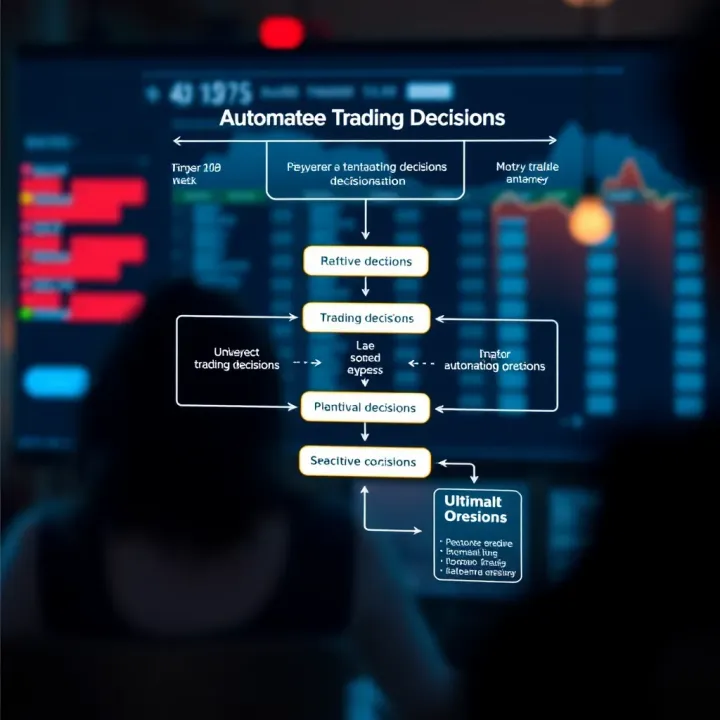
In this article, we'll break down the basics of binary bots—including how they make decisions and interact with trading platforms—while highlighting key considerations for anyone thinking of giving them a go. Whether you're a seasoned financial analyst, a forex broker, or just a trader curious about automation, this guide aims to provide clear insights that can help you navigate this evolving technology.
Automation can save time, but without knowing what’s under the hood of a binary bot, you might be steering your investments into choppy waters unwittingly.
The journey ahead covers practical advice, real-world examples, and crucial factors to weigh up. So, let’s get started—no fluff, just the straight talk you need for smarter trading decisions.
Getting a grip on the basics of binary bots is a must before jumping into automated binary options trading. This section lays the groundwork, explaining what binary bots are and how they tie into the trading world. By understanding their core functions and purpose, traders can better decide if this tech suits their trading style and goals. This foundation also helps in spotting good bots from the bad, cutting out the noise in a crowded market.
A binary bot is basically a software program designed to automate the trading of binary options. Instead of manually placing trades, the bot acts like a day trader with super-fast reactions, executing trades based on pre-set rules coded into its system. The main aim? Take emotions out of the equation and make quick decisions on buying or selling within fixed expiry times.
For example, a bot might be programmed to buy a call option if certain market indicators align—say, when the EUR/USD pair shows upward momentum on a 5-minute chart. This hands-off approach helps busy traders who can’t watch every tick but want to stay in the game.
Binary options trading revolves around predicting if an asset’s price will go up or down within a defined time. Since timing is everything, these bots can jump on opportunities faster than a human could. They don’t just place trades randomly; they analyze patterns or signals and execute automatically, taking advantage of short-term market moves.
This direct link means that success depends heavily on the bot’s programming. A solid binary bot aligns with the trader's strategy—whether it’s aggressive scalping or cautious trend following. Knowing this relationship helps traders understand why bot choice and setup matter.
At the core, binary bots automate the trading process by scanning market data continuously and placing trades according to the strategies programmed inside. Think of it like a skilled assistant who never sleeps, keeping an eye on charts, pinpointing moments to act, and pulling the trigger instantly.
This automation proves handy in volatile markets where a few seconds can make or break a trade. Plus, bots can handle several assets or currency pairs at once, which would be overwhelming for a human to manage manually. For instance, a bot might monitor oil prices, gold, and USD/JPY simultaneously, hopping on trade setups as they come.
Under the hood, algorithms are the brains of the operation. These mathematical formulas interpret market information to generate buy or sell signals based on technical analysis, price patterns, or even news sentiment.
A bot might use a trend-following algorithm that rides the waves when prices move steadily in one direction. Alternatively, it could rely on signal detection methods that identify sudden spikes or reversals. These signals tell the bot when conditions fit the pre-set criteria to open or close a position.
For example, an algorithm might spot that the Relative Strength Index (RSI) has dipped below 30, signaling an oversold condition. The bot then decides to buy an option expecting a bounce. Such rules remove guesswork from trading and ensure consistent adherence to strategy.
Automation driven by smart algorithms lets binary bots operate with precision and speed, giving traders an edge in fast-moving markets without constant manual input.
In short, understanding these basics equips traders to set up and choose bots wisely—knowing what they’re supposed to do and how they tick, rather than relying on buzzwords or empty promises.
Understanding the technology that powers binary bots is essential for traders aiming to leverage automation wisely. These systems rely heavily on algorithms and digital interfaces, paving the way for faster and more efficient trading, especially in fast-paced binary options markets. The technology behind these bots isn’t just about speed; it’s about how well they interpret market signals and adapt to trading platforms.
Algorithms are the brains behind binary bots — they decide when to buy or sell based on market data. Here are the usual suspects you’ll find running these bots:
Trend following: This strategy is like riding a wave. The algorithm identifies the prevailing direction of the market (up or down) and makes trades that align with that movement. In practice, if a currency pair like USD/KES is consistently rising, the bot will open trades betting the trend will continue. The main advantage here is simplicity; trend following doesn’t try to guess market reversals but sticks to momentum, which can help reduce losses during strong trends.
Mean reversion: Opposite to trend following, mean reversion bets that prices will return to their "average" after going too far in one direction. Think of it like a rubber band stretched too much — eventually, it snaps back. For example, if BTC/USD suddenly drops sharply below its typical price range, a mean reversion bot might place trades anticipating a bounce back. It’s useful in more stable markets but can be risky during major shifts.
Signal detection methods: These methods focus on identifying precise patterns, news impacts, or technical indicators (like moving averages or RSI) to trigger trades. Such algorithms scan lots of data points to find “signals” that historically forecast profitable trades. They can be more complex, combining several data inputs to improve accuracy, but they also require thorough tuning to avoid false positives that lead to losses.
Even the smartest algorithm is useless if the bot doesn’t work well with your chosen trading platform. Integration is about making sure the bot and platform are on the same page.
Compatibility considerations: Before investing time and money, check whether the bot supports the trading platform you use — say, Pocket Option, IQ Option, or Binomo. Some bots only work on specific platforms due to differences in software or account management systems. For example, a bot designed for MetaTrader 4 won’t necessarily sync up with every broker’s API. Ensuring compatibility means fewer headaches during setup and smoother operation.
APIs and platform support: APIs (application programming interfaces) are how bots communicate directly with trading platforms. Good API support means your bot can place trades, fetch real-time data, and even handle order cancellations quickly and reliably. Not all platforms offer open or well-documented APIs, which can limit what your bot can do or cause delays. Choosing a bot with strong API integration, paired with a platform offering robust API access, is key to quick response times – something that can make a big difference in binary options trading.
For traders, the takeaway is clear: understanding the tech behind binary bots helps you pick the right system and avoid surprises when pushing the "trade" button. It’s a mix of smart algorithms and solid platform plugs that give your binary bot a fighting chance out there in the market.
Binary bots bring a lot to the table for traders who want to automate their binary options trading without losing track of market movements. These automated tools are designed to save time and effort, making trading smoother and often more effective, especially for those juggling multiple financial tasks. Understanding these benefits helps traders weigh whether a binary bot fits their trading strategy or risk profile.
Executing trades faster than humans
One of the biggest perks of using binary bots is how quickly they act. Unlike human traders who might take seconds or even minutes to spot a trading opportunity and act on it, bots can execute trades in milliseconds. This speed advantage matters a lot since the binary options market is volatile and time-sensitive. For instance, if a bot detects a short-term price trend triggered by breaking news—something a human might miss at first glance—it can enter or exit trades almost instantly, helping to seize profit windows that close up fast.
Monitoring markets continuously
Humans simply can't watch the markets 24/7 without breaking for sleep or other tasks. Binary bots excel here by running nonstop without fatigue. They sift through market data and price changes around the clock, spotting subtle signals that might indicate when to go long or short. For example, a bot set to monitor currency pairs like USD/KES can alert or automatically trade when price patterns hit specific targets, even while you’re out or asleep. This continuous vigilance means no opportunity slips past just because the trader isn't watching live.
Making decisions based on data only
Emotions can mess up the best trading plans. Fear and greed often cause traders to hold onto losing trades too long or jump into trades without proper analysis. Binary bots operate differently—they follow strict algorithms that dictate when to buy or sell based solely on market data. This removes the human factor of emotional drifting, such as panic selling during a sudden dip or over-exuberance after a winning streak. A data-driven bot ensures trades stay consistent and grounded in logic.
Avoiding common trading mistakes
Mistakes like chasing losses or overtrading are typical human traps. Bots eliminate these by sticking to preset rules like trade limits and stop-loss orders. For example, if a trader tends to double down on losing trades hoping to recover losses—a dangerous habit—a binary bot won’t deviate from its programmed risk controls. This disciplined approach protects the account from steep blowouts often caused by emotional or impulsive decisions.
Using binary bots doesn’t guarantee profits, but their speed, constant market monitoring, and unemotional trading approach give traders a serious edge in managing the ups and downs of binary options markets. Just remember to pair bot usage with solid risk management and ongoing evaluation, because no bot is set-and-forget.
In summary, binary bots offer tangible advantages in automating trades faster than humanly possible, maintaining constant market awareness, and taking emotions out of the equation to follow disciplined trading strategies. These benefits make them appealing tools for traders looking to optimize performance, provided they understand the technology’s limits and risks.
Understanding the risks and limitations of binary bots is just as important as grasping how they work. While these automated tools can speed up trading and remove emotional decision-making, they also come with clear downsides that traders need to watch out for. By discussing potential financial losses, technical glitches, and the risk of scams, we aim to give you a balanced view so you can make smarter decisions.
No guaranteed profits: When dealing with binary bots, it’s critical to remember they don’t promise profits. These tools analyze data and execute trades automatically, but the market’s unpredictability means losses can and do happen. For example, a bot that performed well during a trending market might fail when faced with sudden political events or unexpected market crashes. If you expect guaranteed wins, you’re setting yourself up for disappointment.

Importance of risk management: This is where smart traders give themselves an edge. Risk management means setting limits on how much you’re willing to lose per trade or overall. For instance, you might decide to risk only 2% of your trading capital per trade or use stop-loss features that some bots support. Without these safeguards, one bad streak could drain your account quickly. Proper risk controls help keep the losses manageable and trading sustainable.
Software glitches: No software is perfect. Sometimes, binary bots experience glitches—maybe they crash, freeze, or misinterpret signals. A bot might execute a trade at the wrong time or fail to close losing positions timely. Such errors can lead to unintended losses. That’s why it's crucial to choose bots with good reviews, regular updates, and responsive support teams that can resolve bugs quickly.
Dependence on stable internet and platform uptime: These bots live and breathe on the internet. A shaky or slow connection can cause delays in trade execution, which in high-speed trading is a big deal. Similarly, if the trading platform goes down mid-session, your bot is stuck and can’t respond to market changes. Traders must ensure reliable connectivity and use brokers with solid platform uptime to minimize surprises.
Fake bots and misleading claims: The binary options space has its share of dubious actors selling “miracle” bots promising huge returns with zero risk. These are usually too good to be true. Some fake bots just execute random trades or even siphon your money. Others might require upfront fees without any real product behind them.
How to spot unreliable providers: There are a few red flags to watch for:
Exaggerated promises like consistent 90%+ win rates
Lack of transparent performance history or verifiable track record
Poor or no customer reviews outside their own website
Pressure to deposit funds quickly
Absence of clear terms and privacy policies
Always take your time researching and ask for demos or trial periods before committing real money. Legitimate bots come with clear documentation and a community of users you can check with.
Remember, while binary bots can automate certain trading tasks, they are not magic wands. Being cautious about risks and vetting your tools carefully will save you a lot of headaches down the road.
Understanding the legal and regulatory framework in Kenya is essential for anyone looking to use binary bots in trading. The rules set by financial authorities protect traders from fraud and malpractice, ensuring a fair and transparent market. For Kenyan traders, being aware of these aspects can prevent unexpected legal trouble and help maintain compliant trading practices.
Kenya’s financial market is overseen primarily by the Capital Markets Authority (CMA), which regulates trading activities including those conducted via automated systems like binary bots. The CMA focuses on safeguarding investors by enforcing strict licensing requirements for trading platforms and brokers. Additionally, the Central Bank of Kenya (CBK) plays a role in monitoring financial transactions to curb money laundering and fraud.
Practical relevance here means checking whether your chosen trading platform or broker adheres to these regulations. Using platforms that are not licensed by the CMA or operate outside the law increases your risk of losing money or falling victim to scams. For example, if a bot works on an unregulated platform promising unbelievable returns, it’s a red flag signaling you should be cautious.
Binary options have had a complicated history worldwide, and Kenya is no exception. The CMA has issued warnings about the risks of binary options trading and cracking down on unauthorized platforms. While outright bans like those in some countries are not fully enforced everywhere, binary options trading is generally viewed skeptically by regulators in Kenya.
This means Kenyan traders must be diligent when considering binary options. The uncertainty around its status means many official channels either don’t support it or explicitly warn against it. Staying updated on new guidance from the CMA can help you avoid illegal or dubious trading operations.
If you’re planning to use a binary bot, it's important to ensure the bot and the platform hosting it comply with Kenyan laws. This involves verifying the platform holds the necessary licenses and that your bot doesn’t use any forbidden practices like unauthorized access or high-frequency trading strategies frowned upon by regulators.
Moreover, full disclosure of risks and transparent operation terms from the bot provider are necessary to stay compliant. Many trustworthy bots will offer clear documentation about their algorithms and risk factors, something you should look for before investing real money.
Ignoring legal risks can lead to severe consequences, from frozen accounts to legal penalties. For instance, trading on unregulated platforms can result in funds being seized with little recourse. Also, some bots might inadvertently facilitate activities that violate securities laws.
It’s wise to treat binary bot trading as you would any formal investment — educate yourself on the local legal expectations and never assume the tool automatically makes trading free from legal oversight.
Staying informed about regulatory updates, especially from bodies like the CMA, will help you weigh the risks and benefits better. Never hesitate to ask for professional advice if the legalese gets too dense.
By being conscious of Kenya's regulatory environment, users can make smarter, safer decisions when using binary bots. Compliance not only protects your investments but also contributes to a healthier, more reliable trading ecosystem for all.
Picking the right binary bot is no walk in the park, especially with plenty of options flooding the market. It’s more than just grabbing the first shiny software you find. The right bot can streamline your trading, save time, and potentially boost your returns if used wisely. On the flip side, a poorly chosen bot could drain your account faster than you think. That’s why understanding key points like performance, security, and ease of use is critical.
One of the best ways to size up a binary bot is by checking its track record. This means looking at its past performance to see if it actually delivers on promises. Don’t just rely on glowing testimonials; dig into independent reviews on forums or trading communities like Trade2Win or BinaryOptionsEdge. Real user feedback can spotlight issues like frequent downtime or misleading profit claims.
A solid history of consistent returns isn’t guaranteed, but a bot with a transparent performance log demonstrates reliability. Avoid bots claiming too-good-to-be-true results—remember, binary options are inherently risky.
Backtesting involves running the bot’s strategy against historical market data to check how it would have performed. This provides a realistic way to judge whether the bot's algorithm can handle different market conditions. However, it’s important to ask if the backtesting spans multiple market cycles or just cherry-picked periods.
An example: if a bot only backtests well during bullish markets but tanks in bearish phases, its usefulness is limited. Good bots offer detailed backtesting reports, sometimes even letting you do your own tests before committing.
When a bot connects to your trading accounts, it accesses sensitive info and controls your assets. Prioritizing data privacy is critical to avoid breaches. Make sure the bot uses encryption for data transfers and doesn’t store your login credentials insecurely.
Some bots ask for too many permissions, which can be a red flag. Look for bots that explain what data they collect and how it’s protected. For instance, bots from reputed platforms like MetaTrader usually follow strict data protection protocols.
Before diving in, scrutinize the bot’s terms of service. These documents should clearly outline your rights, obligations, and the bot provider’s liabilities. Watch out for vague language that skirts around refunds or error handling.
A transparent bot provider will also clarify subscription fees, update policies, and customer support availability. This clarity can save you headaches down the line if things don’t go as planned.
Transparency is your best shield against hidden fees and nasty surprises when automating trades.
Not everyone is a tech wizard, so a bot that’s simple to install and configure is a massive plus. The best bots come with step-by-step guides or even automated setups to connect with popular brokers like IQ Option or Olymp Trade.
Look for bots that don’t require complicated coding knowledge or deep system tweaks. If you hit a snag during setup, a straightforward interface can prevent hours of frustration.
Good customer support can make or break your experience. Trading environments change fast, and delays in resolving issues could cost you money.
Check if the bot provider offers multiple support channels—like live chat, email, or phone—and whether they have a responsive team that understands your region’s specifics, such as working hours aligned to Kenyan time zones. Some providers also run active user communities or forums, which can be a goldmine of practical advice.
By focusing on these practical aspects when choosing a binary bot, you significantly improve your chances of integrating a tool that fits your trading style and keeps your account secure. It’s all about balancing trustworthiness with usability, and never jumping in blindly just because the bot promises quick profits.
Setting up and using a binary bot effectively is a cornerstone for anyone serious about automating their trading strategies. This stage transforms theoretical knowledge into practical action, ensuring that the bot operates under the intended parameters and responds accurately to market conditions. Getting this right minimizes the chance of costly errors and maximizes the bot’s potential to execute winning trades. For example, a trader using a bot on the IQ Option platform in Nairobi needs to correctly link their account and configure the bot according to their risk appetite and investment goals.
Before installing a binary bot, you need to check your technical setup to avoid headaches later on. Most binary bots require a modern operating system—Windows 10 or higher is standard—or compatible versions of macOS. The internet connection should be stable since any hiccups can cause missed trades or errors. RAM and processor speed matter too; some bots performing complex calculations need at least 4GB of RAM and a mid-range CPU to run smoothly.
For example, if you're running a bot on Windows, ensure all drivers and software dependencies are up to date. Skipping this step can cause crashes or slow performance. Pay attention to additional software like a specific version of the .NET framework or Python libraries if the bot relies on scripting.
Linking your binary bot to a brokerage account is crucial because it allows the bot to execute trades on your behalf. Most reputable brokers like Binomo and Olymp Trade offer API access or direct integration options for bots. You’ll typically receive API keys or tokens that the bot uses for authentication.
In practical terms, this means logging into your broker’s dashboard, generating an API key, and pasting it into the bot’s settings. It’s important to keep these keys secure and never share them; otherwise, you risk unauthorized access to your account. Some bots also allow sandbox or demo environment connections for safe testing before live use.
Automated trading is not a "set and forget" game. Continuous monitoring is essential to catch any misfires or unexpected behavior. Traders should routinely review trade logs, profit/loss reports, and bot alerts. A simple weekly check can reveal if the bot is steadily profitable or if adjustments are overdue.
For instance, if a bot designed for volatility breaks out trading shows a string of losses, it might mean market conditions have shifted. Ignoring this could drain your trading capital. Tools like MetaTrader, or even broker platforms’ built-in analytics, can simplify monitoring.
Remember: Even the best bots can’t predict every market twist. Your oversight remains the safety net.
Markets are always moving, influenced by news, economic reports, and geopolitical events. Adapting your bot’s settings is key to staying relevant. This could mean adjusting trade size, timeout periods, or the threshold for certain signals the bot acts on.
For example, during low liquidity times or just before major announcements like Kenya’s central bank rate decision, it might be wise to reduce trade volume or temporarily pause the bot. Similarly, if your bot's trend-following algorithm was tuned for a rising market, it might need recalibration for a sideways or bearish phase.
Being proactive with these tweaks can protect your account from hefty losses and improve long-term results. Keeping a trading journal alongside bot logs helps track which adjustments worked and which didn’t.
In summary, setting up your binary bot properly and keeping a close eye on its activities is not about babysitting—it’s about smart management. This approach allows you to get the most out of automation tools while avoiding the pitfalls of blind reliance on software.
Using binary bots can be tempting because of the promise of quick profits and automated convenience, but it’s essential to approach them with caution. This section covers practical tips that help traders use these tools safely and effectively, minimizing risks while maximizing benefits. Whether you’re new to automated trading or a seasoned professional, following these guidelines can make a big difference in your outcomes.
Before putting real money on the line, always test your binary bot on a demo account. Demo accounts simulate real market conditions without the risk of financial loss. For example, if you’re testing a bot that claims to predict market trends for EUR/USD options, running it in a demo environment will show how it performs over days or weeks. This practice helps you understand the bot’s behavior, tweak its settings, and build confidence without burning cash. Nearly every broker supports demo accounts, so take advantage of them as a sandbox to experiment safely.
Risk management is the backbone of trading success, and safeguards are even more critical when relying on automation.
Setting limits: Establish clear boundaries on how much you’re willing to risk per trade and daily. Say you decide not to risk more than 2% of your trading capital on any single trade. Most modern bots let you set these limits to prevent runaway losses during volatile market swings. This helps keep losses manageable and protects your overall portfolio from serious damage.
Diversifying trades: Avoid putting all your eggs in one basket by spreading your trades across different assets or expiry times. For instance, rather than dumping your entire budget on just one currency pair, you might try the USD/JPY, gold, and a stock index. This variety reduces the impact of a bad call in any single market and smooths out your results. Diversification also gives the bot more data points to work with, potentially improving its decision-making.
Even though binary bots automate trading, staying informed about the broader market environment is crucial.
Understanding market influences: Economic news, political events, and sudden changes like central bank rate announcements can drastically shift market behavior. If a bot isn’t programmed to account for these, it could make poor trades during high-impact events. Monitoring calendars for scheduled news or using software that pauses trading during unstable conditions is wise.
Avoiding blind reliance on automation: No bot is perfect. Traders must remember that automation doesn’t mean “set it and forget it.” Regularly reviewing bot performance and manually intervening when necessary keeps you in control. Think of your bot as a power tool—it can speed work but still requires a guiding hand to get the job done right.
Safety and smart management aren’t just buzzwords—they’re the difference between steady growth and big losses when using binary bots.
Putting these tips into practice helps you protect your investments and increase the chances of consistent gains. Start small, keep testing, and never lose sight of the bigger picture. By balancing automation with informed judgment, you’ll navigate the binary options world much more confidently.
Looking ahead, understanding the future of binary bots is more than just tech talk — it’s about knowing how these tools might reshape trading strategies and the market landscape in Kenya and beyond. Keeping an eye on upcoming trends can help traders stay a step ahead, avoiding pitfalls and seizing new chances to improve their game.
Evolving technology has been steadily pushing the boundaries of what binary bots can do. For instance, the integration of machine learning algorithms allows bots to process vast amounts of historical and real-time data, spotting patterns that might slip past a human trader. This tech means bots no longer just follow preset rules but can adapt when market conditions change. Imagine a bot that learns from each trade, refining its strategy over time — this kind of adaptability could drastically reduce losses and optimize wins.
Potential improvements in accuracy are closely tied to this evolution. As AI models become better at analyzing market sentiment, news releases, and even social media trends, their predictive power grows. These advances could make binary bots more reliable tools, cutting down on false signals and missed opportunities. For example, a bot employing natural language processing to gauge the tone of financial news might anticipate market moves more effectively, a big deal for traders aiming to catch quick market shifts.
Adoption rates in Kenya show a growing interest in automated trading, sparked by increased internet access and mobile device use. Platforms like Olymp Trade and Binomo have already introduced simplified binary options trading bots to Kenyan users. This rise points to a shift where traditional manual trading is gradually supplemented by automation, making trading more accessible — even for less experienced traders. Yet this adoption isn’t uniform, with urban centers like Nairobi leading the way compared to rural areas.
Challenges and opportunities come in equal measure. On the one hand, technical barriers like inconsistent internet connectivity and limited understanding of bot mechanics might stunt wider uptake. Plus, regulatory uncertainty in Kenya around binary options means users must tread carefully. On the flip side, these challenges open doors for fintech startups and educational programs to create tailored solutions and training, boosting both trust and capability among traders. For instance, a local startup optimizing bots for low-bandwidth conditions could tap into a huge market currently underserved.
For Kenyan traders, looking beyond just the purchase of a binary bot to understanding its long-term evolution and local adaptation will be key to making the most of automated trading’s promise.
By paying attention to these developments, Kenyan traders can position themselves to navigate an increasingly automated market with confidence rather than getting caught off-guard by unexpected shifts.
Explore how binary.com bots operate, setup tips, risk management, and legal insights for Kenyan traders 🔍📈. Make smart, informed trading decisions!

Discover how binary trading bots work, their benefits and risks, plus tips to safely use them in Kenya's financial markets 🤖💹

🔢 Explore binary, the core of digital tech in Kenya! Understand binary numbers, how they work & their role in computing and telecom everyday.
🔍 Explore how MySQL binary logs track data changes, boost recovery, and power replication. Learn enabling tips and management best practices for smooth ops.
Based on 11 reviews