

CFD Trading Explained: A Guide for Kenyan Traders
Learn all about CFD trading in Kenya 🇰🇪: its key concepts, market options, smart strategies, risk tips, and how to start confidently today!
Edited By
Henry Davies
Choosing the right trading site is critical for Kenyan investors looking to grow their portfolio safely and effectively. The variety of platforms can seem overwhelming, but understanding key aspects simplifies the decision-making.
Trading sites primarily offer access to financial markets such as the Nairobi Securities Exchange (NSE), global equities, forex, commodities, and cryptocurrencies. Each platform differs in terms of services, fees, and regulatory compliance.

It’s vital to pick platforms regulated either locally or by recognised international bodies to protect your funds and data.
Stockbroking platforms: These allow direct investment in listed companies on the NSE and sometimes on foreign exchanges. Examples include EABL’s brokerage services or platforms linked with local banks like Equity Securities.
Forex brokers: Popular with traders interested in currency pairs, including the Kenyan shilling against the US dollar or euro. Brokers like HotForex or FXTM often support Kenyan clients.
Crypto exchanges: Platforms such as Binance and Paxful enable buying and selling cryptocurrencies. However, investors should check the current regulatory stance by the Central Bank of Kenya (CBK) to avoid risks.
CFD (Contract for Difference) platforms: Allow speculation on price movements without owning the underlying asset. Caution is necessary here due to high leverage and associated risks.
Regulation: Verify if the platform is registered with the Capital Markets Authority (CMA) for securities or recognised forex regulators.
Security measures: Look for two-factor authentication, encrypted transactions, and data protection policies.
User interface and accessibility: A platform that works well on mobile and desktop, supports M-Pesa payments, or integrates with local banks eases trading.
Fees and charges: Understand commissions, spreads, withdrawal fees, and inactivity charges—the cheaper isn’t always better if service suffers.
Customer support: Quick, reliable assistance can save losses—local-language support is a plus.
The Kenyan investor’s landscape demands platforms that accommodate local payment options like M-Pesa, offer Swahili or English interfaces, and operate within Kenya’s regulatory framework. This guide will help you confidently assess trading sites, so you focus your time and money where they truly belong.
Grasping the variety of trading sites available is key for Kenyan investors aiming to build a tailored investment portfolio. Each platform caters to distinct markets and asset classes, and knowing these differences helps you pick one that fits your trading style and goals. For instance, while some may want to dive into local equities on the Nairobi Securities Exchange through stock trading platforms, others might prefer the fast-paced action of forex sites or the emerging world of cryptocurrencies.
Stock trading platforms allow you to buy and sell shares of listed companies, like Safaricom or Equity Bank. These platforms often provide real-time market data, research tools, and direct access to the Nairobi Securities Exchange (NSE) or other global stock markets. For a Kenyan investor, choosing a platform that supports easy deposits via M-Pesa or bank transfers is vital, alongside competitive brokerage fees. Examples include local stockbrokers who’ve embraced digital trading apps, making it possible to invest without physically visiting the trading floors.
Forex (foreign exchange) platforms focus on trading currency pairs, where profits come from fluctuations in exchange rates. This market operates 24/5 and is suitable for those who enjoy active trading throughout the day and night. Kenyan traders often engage with platforms offering major pairs like USD/KES or EUR/USD. It's important these sites offer tight spreads and reliable execution to avoid losses from slippage. Since forex is highly leveraged, good platforms also include risk management tools to protect your capital.
Trading commodities—such as oil, gold, or agricultural products—and futures contracts appeals to those looking to hedge against inflation or diversify beyond stocks and currencies. Commodity exchanges like the Nairobi Commodity Exchange provide access to local products like tea or coffee futures. Futures contracts require understanding of expiry dates and margin requirements, so the trading site should offer clear educational resources. For example, a Kenyan farmer might use futures trading to lock in prices ahead of harvest, reducing the risk of market volatility.
Cryptocurrency platforms have grown rapidly, offering trading in Bitcoin, Ethereum, and other digital coins. Kenyan investors often seek platforms that support deposits in Kenyan shillings via M-Pesa or bank transfers to ease transactions. Additionally, some platforms provide access to stablecoins and altcoins popular in the region, allowing for portfolio diversification. Since the crypto market is volatile and loosely regulated, choosing sites with strong security measures and transparent fees is crucial to avoid potential losses or scams.
Understanding these distinct platforms helps you navigate the trading world wisely, tailor investments to your needs, and avoid pitfalls common to unfamiliar markets. Be sure to match your choice with the assets you want to trade and the kind of tools you need for making informed decisions.
Choosing the right trading site is essential for Kenyan investors who want to trade efficiently and securely. A platform might look shiny on the surface but can lack the tools, ease, or security needed for solid trading. Knowing what features to focus on helps narrow choices and picks platforms that give practical, day-to-day value.
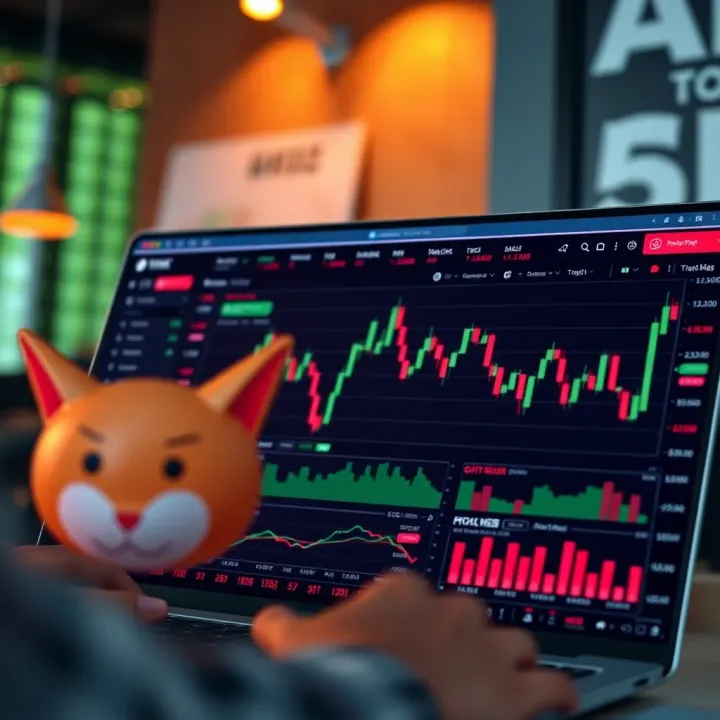
A trading site should be straightforward to use, even for someone who’s just starting out. Complex menus or slow loading pages can cost time and money, especially when market prices shift fast. For instance, platforms like EGM Securities Kenya and Jubilee Securities offer clean interfaces that display key information clearly on their dashboards. Also, accessibility matters—being able to log in smoothly from different devices without glitches supports continuous market engagement. This is vital in Kenya, where internet speeds and device types vary greatly.
Kenyan investors benefit from platforms that offer a broad range of assets such as equities listed on the Nairobi Securities Exchange (NSE), forex pairs, commodities like coffee or gold, and even cryptocurrencies. A diversified portfolio calls for more than just stocks. Access to different instruments allows you to hedge risks or tap into various markets, including regional East African options. For example, a platform that supports trading NSE shares alongside popular forex pairs like USD/KES opens up flexible strategies.
Reliable trading sites provide tools that improve decision-making. These include real-time charts, indicators like moving averages or RSI, and news feeds focusing on Kenyan and global markets. Some platforms even offer educational material, webinars, or demo accounts. This matters because tools can tip the balance between guesswork and informed trades. Say you’re tracking CBK monetary policy announcements—having instant news alerts integrated into the trading platform lets you react promptly.
In Kenya, mobile phones are king. Platforms that offer comprehensive mobile apps or mobile-friendly sites let traders act from anywhere—be it from a matatu or while waiting for a nyama choma lunch. Mobile trading ensures you don’t miss out due to being away from a desktop. Look for apps supporting real-time notifications, easy order placements, and secure deposits and withdrawals via mobile money options like M-Pesa. For instance, platforms with KCB M-Pesa integration simplify payments, making the experience smoother and more localised.
Choosing a platform with these features supports not just effective trading but a better overall experience that suits the realities on the ground for Kenyan investors.
In summary, focus on clean design, asset variety, strong tools, and reliable mobile access when evaluating any trading site. These features do more than improve convenience; they directly influence your trading success.
When choosing a trading site, checking its security and regulatory status is not just a formality—it is essential to protect your investment. Without proper oversight, platforms may expose you to risks like fraud, data breaches, or unfair practices. Kenyan investors should pay close attention to how a site secures personal and financial information while operating under recognised regulations.
Licensing by relevant authorities gives you a layer of confidence that the trading site follows strict rules. Within Kenya, for example, the Capital Markets Authority (CMA) regulates stock brokers and investment platforms. If a site advertises stocks or bonds but lacks CMA registration, you should be wary. Similarly, sites operating overseas often comply with regulators such as the UK's Financial Conduct Authority (FCA) or the Australian Securities and Investments Commission (ASIC).
These regulators require trading sites to maintain transparent business operations, fair pricing, and adequate client fund protection. If a platform is licensed abroad but accessible to Kenyan users, confirming that it follows international standards still improves safety. Avoid any site that cannot show clear proof of regulation or operates from countries known for weak financial oversight.
Your trading site's job extends beyond just executing transactions—it must guard your data against hackers and misuse. Look for platforms implementing strong encryption, such as SSL certificates that protect data sent online. Besides, two-factor authentication (2FA) adds a vital safety step, requiring a second verification code when logging in or withdrawing funds.
Reputable sites also separate client funds from operational money. This segregation helps protect your deposits if the company faces financial trouble. Regular security audits by external firms and clear privacy policies about how your data is used also indicate a trustworthy platform. Sites lacking clear details about their security should raise suspicion immediately.
Recognising trustworthy trading platforms can save you a lot of trouble. Reliable sites typically show a verifiable physical address and have responsive customer support available via phone, email, or chat. They provide detailed regulatory information and regularly update clients with educational content.
On the other hand, suspicious platforms often promise unrealistically high returns with little risk, use aggressive marketing tactics, or have sloppy website design with poor grammar. They might delay withdrawals or make it hard to reach support.
A simple test: Try contacting their support with a specific question before opening an account. Slow or evasive replies can be a red flag.
In summary, always verify a trading site's regulation credentials, confirm its data protection measures, and watch out for warning signs before committing your funds. This approach ensures safer trading with peace of mind in Kenya's fast-growing investment market.
Selecting the right trading site is more than just picking the one with the flashiest interface or the lowest fees. For Kenyan investors, matching the site’s features to your specific trading goals can mean the difference between smooth transactions and frustrating setbacks. This step ensures that your everyday trading experience aligns with what you want to achieve—whether it’s short-term forex gains or long-term stock investments.
Not all trading platforms cater to every type of trader. For example, if you are focused on forex trading, you want a site with real-time currency charts and tight spreads, perhaps offering popular pairs like USD/KES as well as major currencies. In contrast, stock traders might prioritise access to the Nairobi Securities Exchange (NSE) listings and tools for tracking dividends. Platforms such as EGM Securities or ICEA Lion Securities have different strengths, so pick one that supports the asset classes you want plus tools like automated alerts or risk management settings. If you prefer to trade frequently, look for easy order execution and low latency.
Trading costs can eat into your profits quickly if left unchecked. Kenyan platforms usually charge transaction fees, commissions, or spreads depending on the asset class. For instance, some NSE brokers charge a flat fee per trade plus a stamp duty of 0.1% on the transaction value. Forex platforms might advertise zero commissions but widen the spread instead, which adds to your cost indirectly. It pays to compare total cost of trading, including withdrawal charges or inactivity fees. Consider how often you trade, because frequent traders need lower fees to keep profits healthy.
Reliable customer service makes a big difference in handling technical issues or unexpected delays. Kenyan investors appreciate platforms with support available during local trading hours—usually weekdays 9 am to 5 pm EAT. Some platforms offer live chat, call centres, or WhatsApp support. Besides problem-solving, educational resources like tutorials, webinars, and market analysis help you sharpen your skills. Platforms such as Nairobi Business Ventures provide insightful market commentary that can guide you, especially if you’re new to trading.
Ease of funding your trading account affects how quickly you can react to market movements. Most Kenyan investors expect support for M-Pesa deposits and withdrawals because it’s widely accessible even in rural areas. Some platforms also accept bank transfers or card payments but these may take longer to process. Look out for platforms that offer a smooth M-Pesa integration, like KCB M-Pesa or Equitel payments, with low transaction fees. Quick deposits and withdrawals can help you manage cash flow better during active trading periods.
Choosing a trading site isn’t just about features or fees—it’s about finding a partner that fits your trading style, budget, and payment preferences. Take your time to identify what matters to you to trade confidently and safely.
Trading online comes with its set of challenges, especially in Kenya where digital literacy varies. Following safe trading practices isn't just good advice — it's necessary to protect your investments and personal details. These practices help you avoid big losses and scams while building confidence in your trading journey.
Keeping your personal and financial details secure is the first line of defence. Always use strong, unique passwords for your trading accounts and change them regularly. For example, avoid simple passwords like "password123"; instead, combine letters, numbers, and symbols. Activate two-factor authentication (2FA) wherever the platform offers it — this second layer makes hacking much harder.
Be careful when using public Wi-Fi to access trading sites. Public networks can be exploited by hackers to intercept your data. If you need to trade on the go, use a trusted mobile network or a Virtual Private Network (VPN) to encrypt your connection.
Never share your account details or passwords with anyone, even if they claim to be platform representatives. Genuine agents will never ask for your password or PIN. Also, regularly check your bank and M-Pesa statements to spot any unauthorised transactions early.
Most trading platforms offer demo accounts, which simulate real market conditions without risking real money. Kenyan investors should take advantage of these demo accounts to understand how trades work, test strategies, and get familiar with the platform’s tools.
For instance, if you’re new to forex trading, practicing on a demo account can help you identify the right currency pairs for your goals and timing without pressure. Building confidence through demos reduces costly beginner mistakes and promotes more informed decisions when real money is involved.
Scams remain a big risk, especially on new or unregulated platforms. Kenyan traders need to watch out for promises of guaranteed profits or unusually high returns — if it sounds too good to be true, it probably is. Also, suspicious sites often have poor customer support or lack clear licensing.
Before committing funds, verify the platform's licence with global regulators or Kenyan authorities like the Capital Markets Authority (CMA). Check reviews and forums to see if other traders have reported problems. Fraudulent sites might also pressure you into quick deposits or ask for payment via untraceable channels.
Staying alert and cautious can save you from losing a lot of money and stress later on.
In sum, protecting your information, gaining hands-on practice via demo accounts, and being vigilant against scams are the cornerstones of safe trading online. Kenyan investors who adopt these best practices are more likely to have a smooth, secure, and profitable trading experience.
Learn all about CFD trading in Kenya 🇰🇪: its key concepts, market options, smart strategies, risk tips, and how to start confidently today!

Explore crypto trading in Kenya 🇰🇪 with tips on wallets, exchanges, market analysis, and managing risks. Perfect for beginners and traders alike 📊💼

Explore copy trading in Kenya 🌍: learn how it works, pros & cons, top platforms, regulations, and tips to match your investment goals 🚀📊.

📊 Discover how the Asian trading session works in Kenyan time ⏰, explore key markets, and get tips to boost your forex trading strategy effectively! 🇰🇪
Based on 13 reviews