

Asian Trading Session Hours in Kenyan Time
📊 Discover how the Asian trading session works in Kenyan time ⏰, explore key markets, and get tips to boost your forex trading strategy effectively! 🇰🇪
Edited By
Amelia Green
Global financial markets operate in distinct trading sessions that correspond to the major financial centres around the world. Understanding these sessions in Kenyan time is key to making timely trading decisions, especially in forex and stock markets where price movements can be quite fast during active hours.
There are four main trading sessions to keep in mind: the Sydney, Tokyo, London, and New York sessions. Each of these sessions aligns with the opening hours of their respective markets and overlaps with others at times, creating periods of higher trading volume and volatility.

Kenya operates on East Africa Time (EAT), which is UTC+3. This means you need to convert the original market hours to EAT to know when to trade. For example, the Tokyo session opens at 9 am local time, which translates to 3 am EAT, making it an early morning market for Kenyan traders. Meanwhile, the London session overlaps with the Nairobi workday, starting at 10 am EAT and closing at about 7 pm EAT, offering convenient trading hours.
Knowing the timings and overlaps of these sessions helps you spot the best moments to enter or exit trades, especially when markets become most fluid and responsive.
Here is a quick breakdown of the major sessions in Kenyan time:
Sydney session: 12 am to 9 am EAT
Tokyo session: 3 am to 12 noon EAT
London session: 10 am to 7 pm EAT
New York session: 3 pm to 12 midnight EAT
The overlaps are worth noting:
Tokyo and London overlap around 10 am to 12 noon EAT
London and New York overlap from 3 pm to 7 pm EAT
These overlap periods usually see increased trading volume and better liquidity, which can lead to tighter spreads and more trading opportunities. Kenyan traders can take advantage of these times depending on their preferred market.
Understanding these trading sessions in relation to Kenyan time can help you plan your day, adjust your strategies, and avoid unnecessary risks. Whether you are trading forex pairs like USD/KES, EUR/USD, or stocks listed in different markets, timing is everything to capture good moves effectively.
In the following sections, we will explore each session's characteristics and practical tips for Kenyan traders to navigate them successfully.
Understanding global trading sessions is key for anyone involved in international markets, including forex and stocks. These sessions represent the hours during which major financial centres around the world are active. Knowing when these markets open and close helps Kenyan traders spot the best times to enter and exit trades, benefiting from higher market liquidity and volatility.
For example, a trader in Nairobi who understands the timings of the Tokyo, London, and New York sessions can avoid trading during quiet hours with low liquidity, which often leads to wider spreads and less predictable price movements. This practical knowledge can improve trading outcomes and risk management.
Trading sessions refer to specific time blocks when financial markets in a particular region are open for business. These sessions affect the flow of information and the volume of trades. Since markets in different countries have set opening and closing times, knowing these helps traders plan activities around periods with higher activity and better price discovery.
Many currencies and stocks see a noticeable increase in trading volume during the corresponding regional session. For instance, the Japanese yen tends to move more during the Asian hours, while the euro reacts sharply during the London session.
Since global markets operate across various time zones, the start and end of each session depend on your local time. Kenya runs on Eastern Africa Time (EAT), which is GMT+3. This means that Nairobi’s clock is ahead of London but behind Tokyo and New York during certain periods, especially when daylight saving time kicks in abroad.
As a result, the Asian trading session begins overnight Kenyan time, while the European session fits neatly into the morning and early afternoon in Nairobi. Time zone differences mean Kenyan traders must adjust their schedules or use automated trading tools to take advantage of markets during off-hours.
The Tokyo session is the first major global trading session to open. It runs roughly from 12 am to 9 am EAT, covering key Asian markets like Japan, Hong Kong, and Singapore. This session features moderate to high activity, especially in currency pairs involving the Japanese yen (JPY), the Australian dollar (AUD), and the New Zealand dollar (NZD).
Traders in Kenya often use this time to prepare for the day’s market by analysing movements that occurred overnight in Asia. Though its volume is lower than later sessions, significant price moves can happen, particularly when Japanese economic data or geopolitical events are released.
The London session, active from 10 am to 7 pm EAT, is typically the most liquid period during a 24-hour trading cycle. London being a financial powerhouse handles a large chunk of global forex and equity trades, influencing major currencies like the euro (EUR), British pound (GBP), and Swiss franc (CHF).
The session's overlap with the Asian close and New York open often leads to increased volatility. Key UK and European economic announcements fall during this session, creating opportunities for traders tracking interest rate decisions, GDP figures, or inflation reports.
Starting at 3 pm and closing at midnight EAT, the New York session reflects the activity in US financial markets. It’s highly significant due to the size of the US economy and markets. The session sees heightened movement in the US dollar (USD) and asset classes like US stocks, bonds, and commodities.
The overlap between the London and New York sessions, from 3 pm to 7 pm EAT, is one of the busiest times for market participants. Kenyan traders who focus on the Shilling-dollar pair or global equities often consider this overlap crucial for their trading strategies.
Mastering the timings of each session helps Kenyan traders align their strategies with market rhythms, avoiding low-activity hours and catching price swings when liquidity is highest.
For Kenyan traders and investors, knowing how global trading session hours match with Kenyan time is key for seizing the best market moments. Markets operate in different time zones, and without converting those hours accurately to Eastern Africa Time (EAT), traders risk missing critical openings or closing windows for trading. Clarifying these timings is especially useful as Kenya’s workday and lifestyle can influence when one can comfortably trade.
Kenya runs on Eastern Africa Time (EAT), which is three hours ahead of Coordinated Universal Time (UTC+3). This time zone stays constant throughout the year since Kenya does not observe daylight saving time. For practical purposes, this means that the local time always remains steady, shielding Kenyan traders from the complications of shifting clocks.
EAT’s fixed nature helps traders plan without constant adjustment. For example, if the London market opens at 8 am GMT during winter, Kenyan time will be 11 am. This consistency makes EAT easier than dealing with zones that flip to daylight saving, a common source of confusion when trading forex across borders.
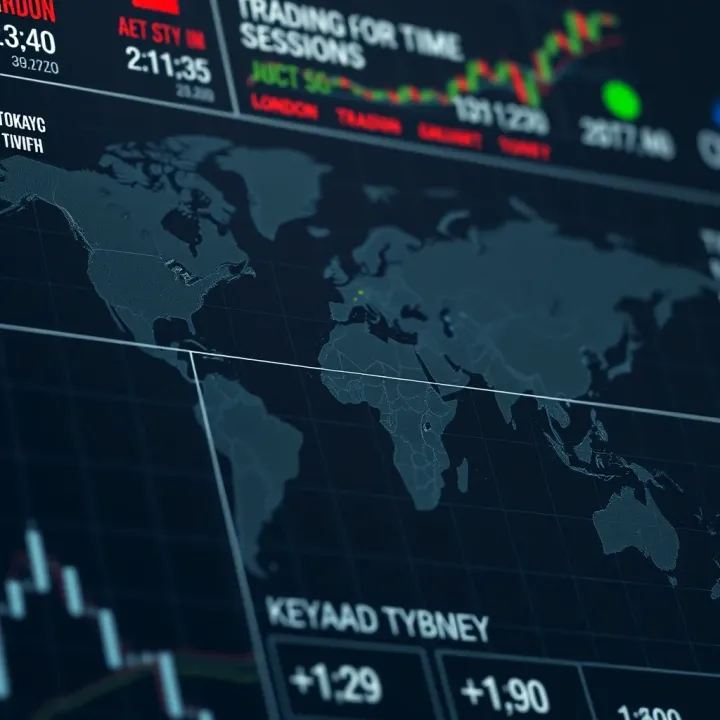
GMT (Greenwich Mean Time) and UTC (Coordinated Universal Time) are often used interchangeably, but technically, UTC is a more precise atomic time standard, while GMT refers to solar time at the Greenwich meridian. Kenya’s EAT is UTC+3, meaning Kenyan clocks are set three hours ahead of UTC/GMT.
In terms of trading, understanding this offset ensures accurate timing. When a trader notes a market session begins at 9 am GMT, this translates directly to midday EAT. This clarity helps avoid errors such as logging in too early or missing a session’s start, which could frustrate traders and lead to missed opportunities.
The main global trading sessions run as follows when converted to Kenyan time:
Asian Session (Tokyo): Opens at 3 am EAT and closes at 12 noon EAT.
European Session (London): Starts at 10 am EAT and closes at 7 pm EAT.
American Session (New York): Begins at 3 pm EAT and wraps up at 12 midnight EAT.
This schedule highlights when markets overlap, such as the busy London/New York overlap between 3 pm and 7 pm EAT. Such periods usually bring higher price movements and liquidity, important for strategy planning.
Most major markets outside Kenya switch to daylight savings at some point in the year, usually advancing clocks by one hour in spring and reverting in autumn. Kenya, by contrast, keeps the same time year-round, so traders must adjust their calculations during these periods.
For instance, when London moves clocks forward in March, the European session opens at 11 am EAT instead of 10 am. Similarly, the New York session shifts to start at 4 pm EAT. Not accounting for these changes can lead to mistimed trades or missed sessions. Kenyan traders should use reliable tools or broker alerts to track these seasonal shifts clearly.
Awareness of both Kenyan time and external daylight saving changes can sharpen your timing and boost your chances in the markets. Precise conversion isn’t just convenience—it’s part of skilled trading.
By understanding how trading hours convert to Kenyan time, traders can blend market activity with their daily schedules, avoid fatigue from odd hours, and align their strategies with global market rhythms.
Understanding the traits of each trading session can help Kenyan traders plan their activities better. Each session has unique patterns in liquidity, volatility, and market behaviour, which in turn influence trading strategies and risk management. Knowing these differences allows investors in Kenya to focus their attention during the most favourable times, improving their chances of making informed decisions.
The Asian session, anchored by the Tokyo market opening, typically sees moderate liquidity compared to other sessions. This is because major Asian markets such as Japan, Hong Kong, and Singapore are active during this period, but global participation is lower. For Kenyan traders, this session can be quieter, making it a time when currency pairs involving the yen (JPY), Australian dollar (AUD), and New Zealand dollar (NZD) show steady movements rather than sharp spikes.
Practically, this means trading during the Asian session often requires patience. Sudden price jumps are less common, but predictable trends can emerge around key market openings and Asian economic reports. The liquidity is good enough for traders who prefer less volatility and want to avoid risky price swings.
Currency pairs such as USD/JPY, AUD/USD, and NZD/USD are popular during the Asian hours because they overlap with the primary markets open at this time. Traders focusing on commodities might also look at gold and oil prices, as many Asia-based financial centres influence these markets.
For example, a Kenyan trader looking to trade early in the morning or late at night (EAT) could capitalise on price movements in AUD/USD, since the Australian market is active. Recognising which instruments tend to move during this session helps save time and focus on potentially profitable trades rather than unpredictable ones.
The European session, led by London, is often the most active for global forex markets. It starts mid-morning Kenyan time and typically features heightened liquidity and volatility. This increases the chances of larger price swings, offering both opportunities and risks.
Because London is a major financial centre linking Asian and American markets, many currency pairs like GBP/USD, EUR/USD, and USD/CHF become highly liquid. Kenyan traders who can respond in real-time to market movements during this period often find it the best time for executing trades based on momentum or news flow.
Many important economic indicators from the UK and the European Union are released during this session. Reports on inflation (CPI), unemployment, GDP, and central bank decisions from the Bank of England and European Central Bank often come out here. Such releases can trigger sharp moves in EUR/USD, GBP/USD, and other pairs.
Kenyan traders paying attention to the economic calendar know to anticipate these releases and adjust their positions accordingly. For instance, a higher-than-expected inflation rate from the UK could strengthen the pound, creating a quick trading opportunity.
The American session begins in the late afternoon Kenyan time, with New York as its centre. It overlaps with the closing part of the European session, generally between 4 pm and 6 pm EAT. This overlap produces some of the highest market liquidity and volatility.
For local traders, this overlap period is attractive since it combines participants from both continents, leading to increased trade volumes and faster price movements. This window allows for strategies capitalising on sharp trends or reversals triggered by news or market sentiment.
US economic data, Federal Reserve announcements, and major corporate earnings reports usually occur during this session. The forex and stock markets tend to react strongly, especially for USD pairs and the broader market indexes like the S&P 500.
For example, a hawkish Federal Reserve statement often causes the US dollar to rally sharply, affecting pairs such as USD/KES indirectly through global risk appetite. Kenyan traders who follow US market events closely can use this knowledge to avoid unpleasant surprises or exploit market shifts with proper timing.
Knowing the specific qualities of each trading session empowers Kenyan traders to pick the right markets and times to trade, building an edge over less prepared investors.
Asian session: steady liquidity, best for JPY, AUD, and NZD pairs
European session: high volatility, key for EUR, GBP moves
American session: overlaps with Europe, driven by US data and news
Planning trades around these characteristics helps balance risk and reward effectively.
Understanding when to trade is vital if you want to make the most of global market movements from Kenya. The timing affects the liquidity — how easy it is to buy or sell — and volatility, which shows how much prices fluctuate. These factors directly impact your ability to enter or exit trades and manage risks effectively.
Periods when two trading sessions overlap, such as the London and New York sessions, are particularly lively. For example, between 4 pm and 6 pm Kenyan time during standard time periods, both European and American markets are open. This overlap increases trading volume and market activity, giving you more chances to benefit from quick price swings.
Traders keen on forex or stocks often prefer these overlap hours because tighter spreads and faster price movements create opportunities for short-term gains. However, such volatility requires skill and discipline. It’s not the time to jump in blindly; instead, focus on strategies like scalping or breakout trading to capitalise on these fast moves.
One effective approach is to watch price action closely during key economic releases announced in the European or US sessions. Kenyan traders can anticipate swings around data like US Non-Farm Payrolls or UK inflation reports, which commonly trigger sharp market reactions.
Using stop-loss orders and setting clear profit targets can help manage risks when the market moves fast. Plus, avoid being overexposed by limiting trade sizes during these sessions. By combining timing with sound risk management, you can make the higher volatility work in your favour instead of against you.
Trading shouldn’t disrupt your daily commitments. Many Kenyan traders balance their work or school with their trading activities by choosing sessions that fit well into their schedules. The Asian session, for instance, runs overnight Kenyan time and might be better for night owls or those trading part-time.
Meanwhile, the European and American sessions align more with the afternoon and evening hours in Kenya, allowing full-time workers to engage without losing sleep. Planning your trades around your daily routine ensures you stay alert and make sound decisions rather than rushing trades while tired.
With smartphone penetration increasing across Kenya, mobile trading apps allow you to stay connected even when on the move. Applications like MetaTrader, Olymp Trade, or local brokers’ platforms provide real-time prices, charts, and alerts.
By setting notifications for session openings or key economic events, you won’t miss crucial market moments. Mobile trading also supports quick order execution during volatile sessions from anywhere, whether you’re commuting by matatu or sitting at home. Still, it’s wise to have a reliable internet connection and to avoid trading during distractions to maintain focus.
Choosing the right times to trade and fitting them around your daily life improves not just your chances for profit but also your mental well-being as a trader.
Trading across global markets means Kenyan traders must constantly navigate time differences and sudden shifts in trading hours. This complexity can impact decision-making, timing trades accurately, and managing risks effectively. Understanding these challenges is vital for traders using forex, stocks, or commodities platforms that follow international schedules.
When countries such as the US or UK move their clocks for daylight savings, Kenyan traders face uneven changes in trading session times. For example, the New York session, normally opening at 4:00 pm EAT, shifts one hour earlier during US daylight savings. This sudden change can disrupt a trader’s routine if they aren't aware, potentially causing missed trades or poorly timed entries.
Kenya does not observe daylight savings, so traders here must be extra vigilant tracking these seasonal adjustments abroad. Without proper tracking, confusion can arise especially when sessions overlap differently or market openings close unexpectedly early.
To stay on top of these shifts, traders can:
Use reliable online time zone converters that update automatically with daylight changes.
Subscribe to alerts from financial news sources or broker platforms noting session adjustments.
Maintain a trading calendar marking dates when daylight savings starts and ends abroad.
These steps help avoid surprises, ensuring traders make informed decisions based on correct session timings.
Trading global sessions often means Kenyans must operate during late-night or early-morning hours, especially for American or Asian markets. This can cause tiredness, reducing concentration and increasing the risk of costly mistakes. To trade late-night sessions safely, setting clear limits on trading hours is essential. Taking regular breaks and ensuring enough sleep beforehand improves alertness and decision-making in those critical hours.
Disciplined trading schedules offer another safeguard against fatigue. Sticking to defined trading windows aligned with one’s lifestyle reduces burnout. For example, a trader working a day job might focus on the London session (3:00 pm to 11:00 pm EAT) and avoid New York’s early hours altogether.
Establishing routines and respecting personal limits makes trading sustainable and protects capital over the long term.
In sum, managing global session timing challenges involves both technical tools and personal discipline. Staying updated on daylight savings and maintaining healthy trading habits are key to thriving as a Kenyan trader in world markets.
Tracking trading sessions accurately is vital for Kenyan traders aiming to ride the waves of global markets confidently. The timing of Asian, European, and American sessions varies with seasons and daylight saving changes, which can trip up even seasoned traders if not monitored properly. Having reliable tools at hand helps in planning trades, managing risk, and not missing crucial market openings or overlap windows where volatility peaks.
Online time zone converters simplify the challenge of translating global trading hours into Eastern Africa Time (EAT). Websites like World Time Buddy or apps such as Time Zone Converter allow quick checks for session start and close times tailored to Nairobi or other Kenyan locations. These tools ensure you don’t guess or rely on outdated information, which is common for traders without access to precise timing.
Being able to compare multiple time zones side by side is especially useful during daylight saving transitions in London or New York. For instance, when the UK moves clocks forward or back, the Tokyo session’s relation to Kenyan time shifts, and a converter shows the new schedule instantly.
Setting reminders for market openings using these online tools can keep you alert and ready. Most converters integrate with calendar apps (Google Calendar, Outlook) enabling alerts before opening or closing bells. For example, if you want to catch the London session spurt around 12 pm EAT, setting a 10-minute advance reminder prevents missing out due to distractions. This practical habit helps Kenyan traders avoid surprises and stick to their trading routine amidst busy days or unpredictable power cuts.
Many brokers offering trading services to Kenyan clients include session timetable features explicitly shown in EAT. These platforms automatically adjust global session hours to local time zones, removing manual conversion guesswork. Popular brokers such as FXPesa, EGM Securities, and Nairobi Securities Exchange (NSE) members often offer live charts and market hours adjusted for Kenyan traders.
Moreover, brokers provide custom alert functions for session openings and closings. With this, you can set specific notifications for market events and overlap periods where liquidity surges, without constantly monitoring screens. Alerts come via push notifications on mobile apps or emails, giving Kenyan traders flexibility to manage trades while on the go.
Reliable tools and customised alerts help Kenyan traders optimise entry and exit points, making sure they engage markets at the right times to capture opportunities and avoid unnecessary risks.
Using these resources wisely ensures you trade with full awareness of market timing and helps reduce trading fatigue that comes with untimely monitoring. For Kenyan traders juggling daytime jobs and hustles, these tools offer a practical edge to stay connected to the pulse of global markets.
📊 Discover how the Asian trading session works in Kenyan time ⏰, explore key markets, and get tips to boost your forex trading strategy effectively! 🇰🇪

📈 Explore how trading platforms help Kenyan investors trade with ease, understand choices, key features, regulation, and safe payment options like M-Pesa. 💹
📈 Learn how to trade market indexes in Kenya using simple methods, M-Pesa payments & local brokers. Understand risks, benefits & market hours for smart investing.
📈 Learn how trading options can boost your investing skills in Kenya. Understand key strategies, risks, and how to trade on local and global platforms confidently.
Based on 6 reviews