

Derivatives Trading Guide for Kenyan Traders
📈 Learn how derivatives trading lets Kenyan traders manage risk, speculate on prices, and navigate regulations. Get tips to trade smart and stay safe in this market.
Edited By
Isabella Foster
Derivatives trading platforms are the backbone of modern financial markets, allowing traders to access futures, options, and swaps efficiently. For Kenyan market participants—be they forex brokers, portfolio managers, or financial analysts—setting up a reliable platform means more than just software deployment; it requires a considered blend of technology, compliance, and risk controls.
Launching these platforms involves careful planning to align technical capabilities with Kenya's regulatory environment overseen by the Capital Markets Authority (CMA). Whether you're integrating with M-Pesa payments or connecting to existing stock exchange feeds, the goal is a smooth, secure trading experience that meets both local needs and global standards.

The challenge often lies in merging diverse components: the complex pricing engines, real-time data feeds, secure transaction processing, and risk monitoring tools. It’s not just about having all these features but ensuring they work in concert without delays or failures.
To succeed, derivatives trading platforms must balance speed, transparency, and regulatory compliance, as lapses in any can cause significant financial and legal exposure.
A practical approach begins by defining clear functional requirements linked to the types of derivatives you plan to support. For example, futures contracts on agricultural commodities need different pricing models and settlement processes compared to currency options.
This section serves to frame the core areas you need to address—technology infrastructure, regulatory adherence, risk management protocols, and integration with Kenyan financial ecosystems. Understanding these will set the stage for the detailed steps that follow in this article.
Key points to consider upfront include:
Choice of platform architecture: cloud-based versus on-premises, considering Kenyan internet infrastructure and data protection laws
Compliance strategies with CMA rules, KRA taxation on derivatives transactions, and anti-money laundering (AML) requirements
Systems for real-time risk assessment to avoid exposure to market volatility
Integration with payment systems like Lipa Na M-Pesa and financial data providers for price feeds and news
Taking a methodical approach from the start can help you avoid costly rewrites or compliance issues down the line, ensuring your derivatives platform grows soundly with Kenyan market demands.
Before setting up a derivatives trading platform, it's essential to grasp what derivatives are and how they function in financial markets. Derivatives act as contracts whose value depends on an underlying asset like stocks, commodities, or currencies. This foundational knowledge helps traders and platform operators make informed decisions and design robust systems tailored to market realities.
Derivatives serve as tools for managing risk or speculating on price movements without necessarily owning the underlying asset. For example, a Kenyan farmer might use a derivatives contract to lock in the price of maize before the harvesting season, protecting against price drops. On the other hand, an investor could speculate on currency fluctuations using forex derivatives. Understanding this dual role is critical, as it shapes how different users interact with the trading platform.
Derivatives come in several forms, each suited for specific market needs. Common types include:
Options: Contracts giving the right, but not obligation, to buy or sell assets at a set price.
Futures: Agreements to buy or sell assets at a future date and predetermined price.
Swaps: Contracts to exchange cash flows or financial instruments, often used to manage interest rate or currency risk.
A solid platform will support multiple instruments to meet diverse trading strategies. For example, Nairobi Securities Exchange (NSE) traders might currently focus more on equity futures, while forex brokers often provide currency options and swaps.
A derivatives trading platform must integrate several core elements to function effectively. These include:
Order Management System (OMS): Facilitates order entry, matching, and execution.
Risk Management Tools: Real-time monitoring of exposure and margin requirements.
Market Data Feeds: Provide live pricing and analytics for underlying assets.
User Interface (UI): Designed for clarity and ease of use, supporting both beginner and advanced traders.
For instance, a platform offering Kenyan derivatives should provide data on local agricultural commodity prices and be compatible with payment systems like M-Pesa for swift settlements.
Understanding the basics of derivatives and their trading systems is the building block for developing or choosing a platform that meets both trader needs and regulatory standards. It ensures smoother operations and better risk handling.
By starting with a clear grasp of derivatives, businesses and developers can avoid costly missteps and align the trading platform’s design with market demands and user expectations.

In building a derivatives trading platform, the technical setup and infrastructure form the backbone of reliable performance and user trust. These platforms handle complex financial instruments and live data feeds, so the right architecture, scalability measures, and security protocols are vital. Choosing the correct technology stack and infrastructure affects speed, uptime, and overall trading experience — all crucial for Kenyan traders and brokers looking to compete both locally and across the East African Community.
A well-designed system architecture for derivatives platforms typically adopts a modular, service-oriented approach that separates front-end interfaces from back-end processing. This separation allows teams to update and maintain software components independently, reducing downtime. For example, microservices can handle functions like order matching, risk calculation, and market data distribution individually.
The software used should support real-time data processing with low latency to enable swift order executions. Platforms like FIX (Financial Information Exchange) protocol are common for messaging between traders and the system. Open-source tools such as Apache Kafka for event streaming can also ensure smooth data flow. Integration with Kenyan financial services—for instance, linking with KCB or Equity Bank for ease of deposits and withdrawals—must be factored in early during software design.
Scalability is essential as trade volumes can spike sharply, especially during volatile market conditions. Cloud infrastructure providers like Microsoft Azure and AWS offer scalability through elastic compute resources, which can be critical for derivatives platforms that may serve hundreds of simultaneous users. Locally hosted data centres with good connectivity to Nairobi’s fibre backbone may also be an option for businesses looking for tighter data control.
Reliability hinges on failover systems that prevent outages. Implementing load balancers and clustered databases reduces single points of failure. Regular stress testing simulates peak trading loads to identify bottlenecks. For example, a derivatives platform experiencing frequent demand surges during KCSE result announcements would need to ensure its infrastructure can handle those peaks without crashing, maintaining smooth operability for traders.
Given the sensitivity of financial data and transactions, robust security protocols are a must. End-to-end encryption for all data in transit, preferably using TLS 1.3, ensures that trading instructions and personal data remain confidential. Multi-factor authentication (MFA) adds an extra layer of protection for user accounts, which is particularly relevant considering Kenya’s growing reliance on mobile platforms.
Database security measures include role-based access control and consistent patching to protect against vulnerabilities. Additionally, intrusion detection systems and regular penetration testing help identify weaknesses early. Kenyan firms must also consider compliance with local data protection laws like the Data Protection Act, 2019, which dictates how user data should be stored and accessed.
Prioritising a strong technical foundation is not just about keeping systems running; it builds credibility and trust that traders seek before entrusting their capital to any platform.
Careful planning of the technical setup and infrastructure ensures derivatives platforms not only perform well but remain secure and scalable as trading volumes and market complexity grow.
Navigating the regulatory and compliance environment is a critical step when setting up derivatives trading platforms in Kenya and neighbouring markets. These frameworks ensure that trading activities remain transparent, fair, and secure, protecting both the platform operators and traders. A careful understanding of local laws and regional policies helps avoid legal pitfalls and costly penalties, while building trust with users. For instance, startups leaving out proper licensing might find themselves barred by regulators such as the Capital Markets Authority (CMA), which actively supervises derivatives markets.
Kenya’s legal landscape for derivatives is anchored in the Capital Markets Act and regulations overseen by the CMA. These laws govern the licensing, operation, and trading practices of derivative instruments. They define what types of products can be offered, who can operate trading platforms, and the duties they must uphold. Additionally, the Central Bank of Kenya (CBK) also has a role when derivatives relate to foreign exchange or interest rates, especially for banks and financial institutions. Understanding these overlapping jurisdictions is important for compliance and smooth operation.
To legally operate a derivatives trading platform in Kenya, firms must obtain the appropriate licence from the CMA. The licensing process requires thorough disclosure of business plans, risk management procedures, and capital adequacy. Continuous reporting is also mandatory and involves submitting periodic transaction reports, audits, and compliance updates. Adhering to these reporting duties promotes transparency and helps preempt regulatory actions. Failure to report correctly could lead to suspension or hefty fines, as seen in some cases with smaller brokers in Nairobi.
Since derivatives trading often involves international investors and cross-border transactions, compliance should extend beyond Kenya’s borders. The East African Community (EAC) promotes regional integration, but harmonising financial regulations remains a patchwork. Traders and platforms must be aware of the varying rules in neighbouring countries like Uganda and Tanzania to handle settlements and tax issues correctly. Moreover, global standards such as those from the International Organisation of Securities Commissions (IOSCO) sometimes influence local practices. For example, foreign derivatives brokers interested in Kenyan markets might need to comply with both CMA and their home country regulations.
Maintaining compliance is not just about ticking boxes — it creates a secure environment that encourages market participation and investor confidence.
By addressing these regulatory layers carefully, firms setting up derivatives trading platforms can avoid disruption and focus on growth in Kenya’s evolving financial landscape.
Risk management is fundamental in derivatives trading because of the high stakes and fast pace involved. Unlike traditional investments, derivatives can magnify both gains and losses rapidly. So, a well-organised risk framework protects not only the platform operators but also traders and investors from unexpected shocks.
Market risk arises from price fluctuations in the underlying assets, which can quickly impact derivatives positions. For example, a sudden change in Kenya's coffee export prices might affect futures contracts linked to commodity markets. Platforms must measure market risk using tools like Value-at-Risk (VaR) models or stress tests to understand potential losses during volatile periods.
Credit risk, on the other hand, involves the chance that a counterparty might fail to meet payment obligations. In Kenya's derivatives trading, credit risk can come from brokers or institutions defaulting, especially when dealing with cross-border contracts. Regular credit assessments and setting trading limits on counterparties help minimise such risks.
Real-time risk monitoring systems track trading activity continuously, alerting managers to abnormal market movements or potentially risky trading behaviour. For instance, if a trader suddenly increases leverage beyond set limits, the system can trigger immediate actions like margin calls.
Using live dashboards integrated with market data ensures swift decision-making, essential in Nairobi's rapidly evolving financial markets. Automated systems with customised risk thresholds reduce human delays and help maintain market integrity.
Liquidity risk involves the danger that traders cannot enter or exit positions without significantly affecting prices. To manage this, platforms should integrate liquidity buffers and partner with market makers who can facilitate smooth trades.
Operational risks stem from system failures, human errors, or cyberattacks. Practical controls include regular system audits, back-up protocols, and staff training aligned with real-life scenarios. For example, having a clear contingency plan during Kenya’s frequent power outages ensures minimal disruption.
Effective risk management practices are more than compliance boxes; they build trust, protect investments, and sustain the platform’s longevity in Kenyan and regional markets.
By addressing market, credit, liquidity, and operational risks through concrete, continuous methods, derivatives trading platforms remain resilient and competitive. This safeguards all parties involved and encourages broader participation from local and international market players.
Connecting derivatives trading platforms with the wider financial ecosystem is critical for efficient operations and user satisfaction. This integration ensures smooth transaction flows, timely settlements, and access to quality market data—elements that underpin trust and liquidity in the market. Many Kenyan traders rely on well-established payment channels like M-Pesa for fast money transfers, making seamless connectivity to such systems essential.
To operate smoothly, derivatives platforms must link up with local payment systems and settlement mechanisms. For instance, integrating with M-Pesa or bank transfer services allows clients to fund accounts and receive payouts in familiar and trusted ways. Additionally, settlement services must be efficient to prevent delays that could expose traders to risks or liquidity issues. Platforms should connect with clearinghouses and custodial services authorised by the Capital Markets Authority (CMA) to ensure compliance and reduce settlement risk.
Practical benefits include faster trade execution, reduced operational costs, and increased user trust. Consider a Kenyan forex broker integrating KCB’s bank services alongside M-Pesa to cater to a wider client base. This diversity in payment options can improve the platform’s competitiveness.
Access to reliable, real-time market data is non-negotiable for derivatives trading. Platforms need to partner with established market data providers that supply accurate information on price movements, volumes, and related analytics. These integrations often come through APIs (Application Programming Interfaces), which enable automatic data flow into the trading system.
Platforms must ensure their software architecture supports multiple APIs for broad market coverage. Compatibility is key: some data providers use different protocols or data formats, so a flexible design helps avoid bottlenecks. For example, a Nairobi-based derivatives platform trading in East African commodities should integrate data from regional exchanges such as the Nairobi Securities Exchange (NSE) for up-to-date pricing.
An intuitive user interface (UI) makes all the difference for traders, especially in fast-paced derivatives markets where split-second decisions can mean gains or losses. Platforms should prioritise clear visuals, easy navigation, and customisable dashboards that display essential information like open positions, margin requirements, and real-time charts.
Including features like quick order placement buttons and risk alerts can help traders act swiftly without fumbling through menus. Moreover, interfaces must be responsive, working well on mobiles and tablets alongside desktops, given Kenya's high mobile internet usage.
A well-integrated derivatives platform doesn’t just connect systems; it creates a unified experience where payments, data, and trading are seamless, reducing friction and fostering greater client confidence.
In summary, effective integration with payment systems, market data providers, and a user-centred interface forms the backbone of a derivatives trading platform’s success. Each piece enhances operational efficiency and market participation, vital for platforms aiming to thrive in the Kenyan financial markets.
📈 Learn how derivatives trading lets Kenyan traders manage risk, speculate on prices, and navigate regulations. Get tips to trade smart and stay safe in this market.
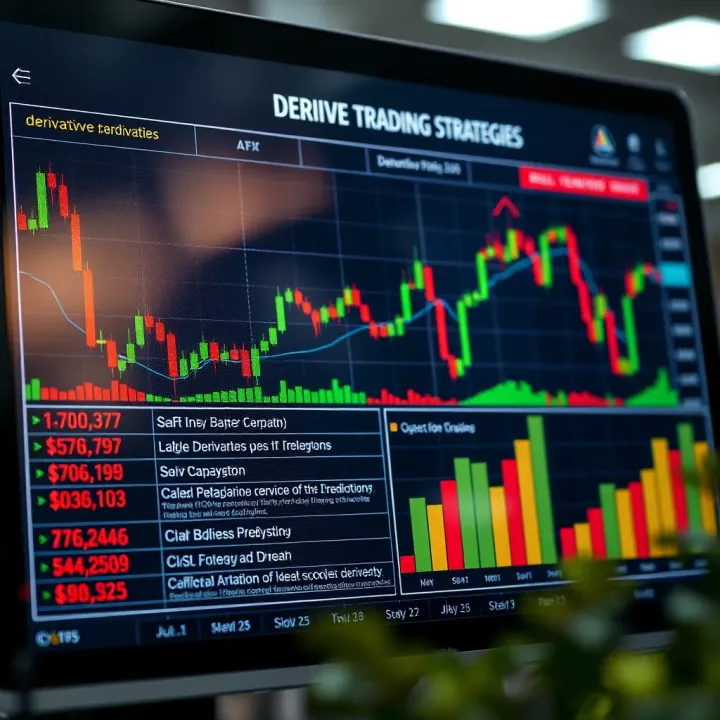
Explore detailed derivatives trading strategies tailored for Kenyan traders 📈. Learn risk management and key tactics with a handy PDF guide for easy learning 📘.

Explore how cryptocurrency trading platforms operate in Kenya, key features, security tips 🔒, risks involved ⚠️, and how to trade safely in this growing market.

🌍 Discover how online trading platforms work and find the best fit for Kenyan investors. Learn key features, security tips, and tools to trade confidently with M-Pesa and local services.
Based on 7 reviews