
Cardano Price Forecast for Kenyan Investors
📊 Explore Cardano’s price trends, tech updates, & market factors shaping its future. Essential insights for Kenyan investors aiming to make smart crypto choices.
Edited By
Amelia Carter
Ethereum has become one of the leading digital assets in the crypto world, attracting interest from traders, investors, and financial analysts across Kenya. Understanding its price outlook requires more than just watching market charts — it involves knowing the technology behind Ethereum, factors influencing its value, and current market conditions.
Ethereum is not just a cryptocurrency; it is a decentralised platform that enables smart contracts and decentralised applications (dApps). This foundation has made it a hub for innovation, including the booming world of decentralized finance (DeFi) and non-fungible tokens (NFTs). Such use cases often impact the demand for Ether (ETH), the native token, which in turn affects its price.

Key factors that influence Ethereum’s price include:
Network Upgrades: Ethereum’s ongoing transition to Ethereum 2.0 aims to improve scalability and reduce energy use. These technical improvements can boost investor confidence and attract more users.
Market Sentiment: Crypto market trends, regulatory news, and macroeconomic conditions, such as inflation in Kenya or global interest rate changes, play a big role.
Adoption and Partnerships: When financial institutions or Kenyan businesses integrate Ethereum-based solutions, it tends to increase its value.
Traders should watch for signals such as trading volume spikes on local platforms or shifts in global regulatory stance, as these can precede significant price movements.
Recent trends show Ethereum price reacting sharply to announcements about network upgrades and government policies worldwide. For example, increased interest in DeFi products during 2023 correlated with price rallies. However, volatility remains high, so risk management is critical.
In Kenya’s context, with growing digital payment adoption through platforms like M-Pesa and expanding internet access, Ethereum’s smart contract capabilities hold promise for local fintech innovation. This adoption could influence demand and price behavior.
Understanding these dynamics helps you make informed decisions whether trading ETH on local exchanges or considering it as part of a diversified portfolio. The next sections will examine detailed price predictions, risks, and practical steps tailored for Kenyan market participants.
Understanding Ethereum and its market dynamics lays a strong foundation for making informed decisions, especially in such a fast-moving space. Ethereum stands out not just as a cryptocurrency but as a platform hosting thousands of applications—from finance to gaming. Knowing how its price reacts to different factors helps traders, investors, and analysts predict movements better and reduce risks.
Ethereum is a blockchain platform that enables developers to build decentralised applications (dApps) and smart contracts—self-executing contracts where the terms are directly written into code. Unlike Bitcoin, which mainly functions as digital money, Ethereum offers a more versatile environment supporting innovations like Decentralised Finance (DeFi) and Non-Fungible Tokens (NFTs). These sectors have attracted strong community support and substantial capital inflow, boosting demand for Ethereum's native cryptocurrency, Ether (ETH).
This functional breadth means Ethereum’s value reflects not only investor sentiment but also developer activities and user adoption. For example, a surge in DeFi projects on Ethereum or successful upgrades to its network usually nudges its price upwards. Thus, grasping its role in broader crypto and digital economies is essential for anyone looking to engage seriously with Ether.
Ethereum's network upgrades, such as the Ethereum 2.0 transition, drastically influence its price. This upgrade aims to shift Ethereum from a proof-of-work system to proof-of-stake, improving energy efficiency and scalability. Upgrades that lower transaction fees or speed up processing make the network more attractive for users and developers, often signalling positive price trends. For instance, the introduction of the London Hard Fork in 2021, which included the EIP-1559 fee-burning mechanism, led to reduced Ethereum supply and higher demand, affecting price positively.
Government policies greatly impact Ethereum’s price. Globally, regulators cracking down on cryptocurrency exchanges or imposing new rules can cause market jitters. However, clearer regulations may also boost investor confidence, attracting institutional money. Locally in Kenya, the Central Bank has cautioned on crypto risks but has not outright banned Ethereum, making the market relatively open. Still, Kenyan investors should watch how local policies evolve, especially regarding taxation or anti-money laundering rules, as these will affect ease of buying, selling, and holding Ether.
Ethereum’s popularity is tightly linked to the DeFi and NFT sectors. DeFi platforms use Ethereum’s infrastructure to offer loans, savings, and asset trading without middlemen. These applications drive continuous demand for ETH to pay transaction fees. Similarly, NFTs—unique digital assets mostly minted on Ethereum—have created fresh interest and investment in the token. For example, during the NFT boom in 2021, Ethereum saw higher transaction volumes, which directly impacted its price. Sustained growth or setbacks in these areas will keep influencing Ethereum’s market value.
Understanding these core elements—technology, regulation, and demand sectors—allows investors to anticipate moves in Ethereum's price with better clarity, reducing guesswork in a volatile market.
By focusing on how these factors interact, you can build a realistic expectation for Ethereum’s near future rather than relying on hype or guesswork alone.
Examining recent trends and historical price movements helps investors understand Ethereum's market behaviour and potential future shifts. Knowing how Ethereum's price has moved in the past few years reveals patterns and responses to specific events, enabling traders and portfolio managers to make informed decisions. For example, recognising how Ethereum reacted during the 2021 bull run versus the subsequent downturn sheds light on its volatility and resilience.
Ethereum has experienced significant fluctuations from 2020 up to now. The price surged from about KSh 32,000 (roughly $300) in early 2020 to an all-time high around KSh 500,000 ($4,000) in May 2021. This rapid increase coincided with the growth of decentralised finance (DeFi) and non-fungible tokens (NFTs) built on its network. However, the price dropped sharply in the second half of 2021, falling below KSh 160,000 ($1,300) by December. Through 2022, Ethereum faced a prolonged bear market, partly due to global economic uncertainties and declining crypto market sentiment.
Despite this, Ethereum showed signs of recovery in early 2023, buoyed by upgrades like the transition to Ethereum 2.0, which aimed to improve scalability and reduce energy use. These price swings highlight Ethereum's potential for both rapid gains and losses and illustrate the importance of timing and risk assessment for investors.
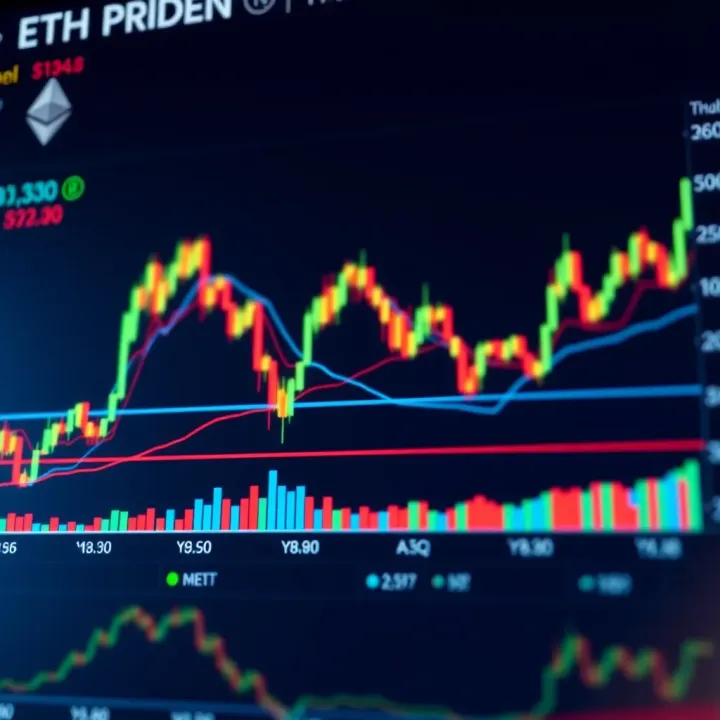
Bull markets refer to periods where prices rise steadily, driven by optimism and increased demand. Bear markets are the opposite, marked by falling prices and negative sentiment. Ethereum’s price often follows these cycles closely. For instance, the 2020–2021 bull run was a period of strong growth tied to renewed interest in crypto assets, greater adoption, and technological updates. On the other hand, its sharp decline towards the end of 2021 showed a bear market triggered by fears of global inflation, tightening monetary policies, and crypto-specific issues like exchange hacks.
Understanding these cycles helps investors spot entry and exit points. During bull runs, prices can overshoot and become overvalued, while bear markets can offer buying opportunities but also carry risks of prolonged losses.
Ethereum’s price is often linked to Bitcoin’s movements, as Bitcoin acts like a market leader for cryptocurrencies. When Bitcoin rallies, it usually pulls Ethereum and others along with it, especially during bullish phases. Conversely, when Bitcoin falls, Ethereum tends to follow, sometimes with higher volatility due to its smaller market size.
Moreover, overall cryptocurrency market sentiment affects Ethereum’s price. For example, regulatory announcements or major hacks can trigger broad market sell-offs, impacting Ethereum alongside other coins. Hence, keeping an eye on Bitcoin trends and general crypto market news is practical for anyone tracking Ethereum’s price movements.
Tracking Ethereum's past price behaviour alongside market cycles and Bitcoin trends offers valuable insights. This helps investors in Kenya and beyond make timely choices tailored to local market conditions and personal risk appetite.
Understanding expert predictions and forecast models is vital when analysing Ethereum's potential price movements. These insights guide investors and traders in making informed decisions rather than relying purely on guesswork. While the crypto market is unpredictable at times, carefully examining these forecasts helps anticipate likely trends and plan strategies accordingly.
Technical analysis involves studying historical price charts and volume data to spot recurring patterns that suggest future movements. For Ethereum, traders often use tools such as moving averages, Relative Strength Index (RSI), and Fibonacci retracements to time their buys or sells. For instance, a rising 50-day moving average crossing above the 200-day moving average — known as a "golden cross" — often signals a bullish trend.
This method is particularly useful for short-term trading since it focuses on market sentiment and price action. However, it requires frequent monitoring and understanding of market psychology. Kenyan traders familiar with forex charting methods will find these technical tools quite similar, just applied to Ethereum prices.
Fundamental analysis looks beyond price charts to assess Ethereum's intrinsic value by examining factors like network usage, developer activity, and transaction volume. For example, an increase in decentralised finance (DeFi) projects built on Ethereum or a rise in non-fungible token (NFT) operations can drive demand and justify higher prices.
In Kenya's rapidly growing crypto ecosystem, fundamental analysis helps gauge the health and adoption of Ethereum locally and globally. Increased on-chain activity, improved scalability after upgrades like "The Merge," and partnerships boosting utility form critical indicators influencing this approach.
Experts often provide short-term price targets based on recent technical setups and news flow. For example, some analysts expect Ethereum to test resistance levels around $2,000 to $2,200 in the next few months, assuming steady bullish triggers like rising institutional interest or positive regulatory developments.
For Kenyan investors, this outlook helps in timing trades or deciding between holding or exiting positions during volatility. However, since short-term predictions can change rapidly, they should be considered alongside risk management strategies like stop-loss orders.
Long-term analysts focus on Ethereum's potential transformation into a dominant smart contract platform with growing use cases. Some forecasts suggest Ethereum could reach $5,000 or more in the next three to five years, driven by technological upgrades and integration into mainstream finance.
Though such projections offer hope, Kenyan investors should balance expectations with practical concerns like market cycles and regulatory risks. Long-term forecasts work best when combined with regular portfolio review and awareness of evolving crypto regulations in Kenya and abroad.
Expert predictions and models are useful guides but should be weighed alongside market realities and your investment goals.
In summary, evaluating different prediction methods and expert views helps build a well-rounded picture of what Ethereum’s price might do soon. Whether you rely on chart patterns, network fundamentals, or expert forecasts, applying these insights with caution can improve your chances of making smart investments in Kenya's growing crypto market.
Understanding the risks that could impact Ethereum's price is vital for investors and traders aiming to navigate its volatile market. Different factors — from market swings to technological issues and regulatory moves — can cause significant price shifts and affect investor confidence. Let's break down key challenges that Kenyan investors should watch closely.
Ethereum experiences notable price volatility, often moving sharply in response to market cycles. These cycles—characterised by alternating bull and bear phases—can influence short-term trading outcomes and long-term investment returns. For example, the crypto market's dependency on Bitcoin often means Ethereum prices follow suit, rising during Bitcoin's bull runs and declining when Bitcoin faces strong sell-offs. This cyclical nature demands that investors time their entry and exit points carefully and avoid emotional decisions during wild market swings.
Ethereum's network congestion has long been a challenge. When demand surges, slow transaction times and high gas fees can discourage users, particularly small investors. This not only affects user experience but can also dent Ethereum's price as decentralised finance (DeFi) platforms and NFT markets struggle with high costs. Although upgrades like Ethereum 2.0 and Layer 2 solutions promise relief by increasing throughput and reducing fees, delays or technical setbacks with these improvements could weaken investor confidence.
Ethereum faces stiff competition from newer blockchains like Solana, Polkadot, and Avalanche, which often advertise faster transactions and lower fees. These platforms attract developers and projects that might otherwise have chosen Ethereum, potentially slowing Ethereum’s network growth and adoption. For Kenyan investors, this rivalry means carefully monitoring where the ecosystem shifts, as innovation elsewhere could divert capital and reduce Ethereum’s market dominance, impacting its price negatively.
The regulatory outlook for cryptocurrencies continues to evolve across the world, and Kenya is no exception. Stricter rules or outright bans on crypto trading and investment can severely limit market access and liquidity, affecting Ethereum's price. For instance, Kenya's recent moves to clarify taxation of crypto gains through KRA and discussions on formal regulations can cause short-term price upticks or drops depending on the perceived harshness or friendliness of the rules. Investors should stay alert to such policy changes and prepare to adjust their strategies accordingly.
Security incidents remain a real threat. High-profile hacks on DeFi protocols built on Ethereum or vulnerabilities within smart contracts can erode trust swiftly, leading to sharp sell-offs. A single major breach can shock the market, as seen when projects lose millions in user funds. For investors, due diligence in choosing projects and awareness of Ethereum’s ongoing security developments is essential to mitigate potential losses from such risks.
Managing these risks wisely can save you from costly mistakes. Awareness of market cycles, following technological upgrades, monitoring competitors, and staying informed on regulations and security can help you safeguard your investments in Ethereum's dynamic space.
Kenyan investors eyeing Ethereum need to understand local specifics alongside global trends. Knowing how to access and manage Ethereum investments in Kenya shapes their success and helps navigate unique market hurdles. This section covers practical points from buying Ethereum locally to managing risks effectively.
Purchasing Ethereum through Kenyan-based platforms like Bitpesa, Paxful, or local exchanges offers convenience and security. These platforms accept Kenyan Shillings, avoiding the need for currency exchange beforehand. For example, using a platform integrated with M-Pesa enables users to transact without high banking fees, which can eat into returns.
That said, liquidity on Kenyan platforms sometimes lags compared to international exchanges, leading to wider spreads or slower order execution. Therefore, investors should confirm the platform’s reputation and volume before trading. Verifying KYC (Know Your Customer) compliance is also essential to avoid fraud or regulatory issues.
M-Pesa remains the most accessible mobile money service for paying or receiving funds when dealing with Ethereum locally. Many Kenyan exchanges and peer-to-peer networks link directly to M-Pesa, simplifying the process of converting shillings to crypto.
Besides M-Pesa, some platforms accept bank transfers via mobile banking apps like Equitel or Airtel Money. These alternatives provide flexibility but may take longer for funds to reflect. When using any payment method, investors must consider transaction fees and speed, especially amid price volatility where timing can affect purchase price.
Putting all eggs in one basket can be risky. While Ethereum shows promise, spreading investments into other cryptocurrencies or assets reduces exposure to a single point of failure. This also positions investors to benefit from different market moves.
For instance, combining Ethereum with Bitcoin or stablecoins like USDT can balance potential growth with stability. Kenyan investors might also consider local fintech opportunities or stock investments listed on the Nairobi Securities Exchange (NSE) for balanced growth.
Crypto markets can be volatile and unpredictable, so having clear goals matters. Instead of chasing quick gains, Kenyan investors should define their risk tolerance and expected returns over specific time frames.
For example, targeting moderate appreciation over one to two years rather than aiming for instant profits helps manage emotions during market swings. Keeping a disciplined approach — like setting stop-loss orders or regularly reassessing the portfolio — improves long-term outcomes.
Smart investing in Ethereum starts with understanding how to buy safely in Kenya and having strategies that manage risks, not just hopes for windfall profits.
This balanced approach safeguards Kenyan investments while allowing participation in the evolving Ethereum market.
📊 Explore Cardano’s price trends, tech updates, & market factors shaping its future. Essential insights for Kenyan investors aiming to make smart crypto choices.

🔍 Explore BNB price trends, expert forecasts, and key risks. Gain insights and practical tips for investing in Binance Coin in Kenya and beyond. 💼📈

📊 Get a detailed AUD/USD forecast with insights on key drivers, recent trends, and expert analysis to help Kenyan traders make smart currency moves today.

Explore Solana (SOL) price trends, expert forecasts, and risks 📊 Gain clear insights to guide your crypto investments in Kenya like a seasoned pro 🚀
Based on 5 reviews