

Using Bots on Binary.com: A Complete Guide
🤖 Explore how to use trading bots on Binary.com! Learn setup tips, automation strategies, benefits, risks, and Kenya-specific regulations for smarter trading.
Edited By
Henry Davies
If you're navigating the fast-paced world of binary options trading in Kenya, chances are you've heard about binary bots. These automated trading tools promise to take some of the guesswork out of buying and selling binary options, helping traders act faster than they might manually. But like any tool, using them effectively comes down to understanding what they do, where to get them safely, and how to set them up right.
This article will walk you through all that—starting with a clear explanation of what binary bots are and why they're becoming popular. Then, we'll move on to practical steps for downloading and installing these bots without falling into common traps or security pitfalls. Finally, you’ll get insider tips on how to use these tools smartly to avoid losses and maximize potential gains.
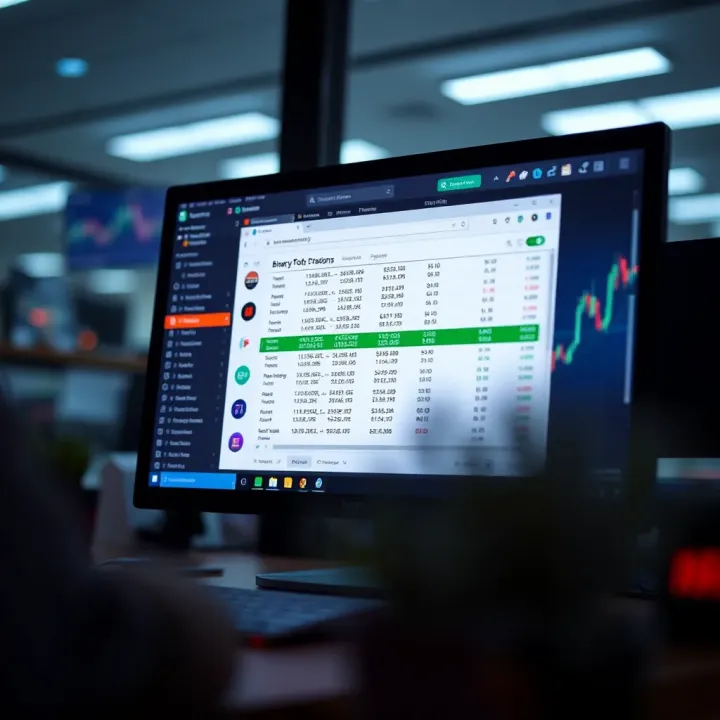
Remember, while binary bots can simplify trading, there’s no magic bullet. Understanding their limits and using them responsibly is key to successful trading.
Whether you're a trader, investor, or financial analyst looking to automate part of your strategy, this guide aims to give you a solid foundation. By the end, you'll be better equipped to decide if a binary bot fits your trading style—and how to get started safely and effectively.
Understanding what binary bots are and how they operate is the first step to using them effectively in trading. Binary bots are automated programs designed to execute trades based on pre-set strategies and market signals. For anyone looking to use these tools, grasping their function and limitations can prevent costly mistakes and help tailor their use to individual trading goals.
Binary bots are software applications that automate the trading of binary options. Instead of manually placing trades, these bots follow algorithms designed to spot opportunities based on market data. For instance, a binary bot might be programmed to buy an option if the price of an asset moves beyond a certain threshold within a specified time. This removes emotional decisions and speeds up the trading process.
However, not all binary bots operate the same way. Some are simple and based on basic indicators like moving averages, while others use more complex strategies including machine learning to predict market movements. While bots can offer convenience, it’s important to understand they don’t guarantee profits, and their success depends heavily on the underlying strategy.
Traders use binary bots primarily to increase efficiency and capitalize on fast-moving markets. Here are some practical examples:
Automating Repetitive Tasks: Bots take away the need to monitor charts constantly. A forex trader, for example, might use a bot to place trades during specific market hours without being glued to the screen.
Testing Strategies: Before risking real money, users can set bots to test strategies in simulated environments. This helps identify what works without poker-staking their capital.
Executing High-Frequency Trades: When traders rely on quick, small profits from rapid trades, bots can execute hundreds or thousands of transactions in minutes, something no human can match.
Managing Multiple Assets: Some traders invest across various options and currencies simultaneously. Bots help manage these positions by handling different trades in sync.
It’s worth noting that while bots can take away manual labor, overreliance on automation without understanding the market can backfire. So, education and cautious implementation are essential.
In summary, knowing what binary bots are and their practical uses equips traders and investors in Kenya to decide whether these tools align with their trading style, goals, and risk tolerance.
When it comes to binary bots, pinpointing a trustworthy source to download from isn’t just a nice-to-have—it’s absolutely critical. Getting your bot from a shaky provider can lead to wasted time, security breaches, or even losing your investment to scams. In this section, we'll cover how to spot the reliable platforms and flag the warning signs of unsafe downloads.
The first port of call should always be official platforms or globally recognized websites known for their credibility. These often have a reputation to protect, so they tend to offer genuine, regularly updated bot software. For example, platforms like MetaTrader or Binary.com offer bots vetted through years of user feedback and regulatory scrutiny.
Checking for recent updates and user reviews on these sites gives you a clearer picture of what you’re about to download. Additionally, official platforms typically provide detailed documentation and support, which can be a lifesaver when you’re setting things up. Keep an eye out for bots that offer transparent dealings with clear terms of use and privacy policies. This transparency is a good sign the source is on the level.
In contrast, less scrupulous sites often promise outlandish returns or use aggressive tactics to rush your download. These are your red flags. A bot advertised with claims such as "guaranteed daily profits" or "risk-free trading" should raise suspicions immediately.
Be wary of files from unknown origins or those distributed through spammy emails and pop-ups. Such downloads might be packed with malware or designed to steal your credentials. Always scan downloaded files with antivirus software before installation.
Furthermore, verify if the site uses HTTPS, a basic security measure for protecting data in transit. If a site lacks this, it’s a huge warning sign that your security might be compromised.
Don’t rush into downloads. Take a moment to research the source and read what other traders say about their experience.
By sticking to reputable platforms and staying alert to common scam tactics, you minimize risks and ensure the base you build your trading setup on is solid. This way, you’ll avoid headaches and keep your trading on the straight and narrow.
Downloading and installing binary bots correctly is where the rubber meets the road for many traders. This stage is crucial not just for getting the software up and running but also for ensuring that the bot operates smoothly and securely on your system. Think of it like assembling a delicate machine: if you rush or skip steps, the whole thing could break down or cause unexpected issues. For example, installing a bot that’s incompatible with your trading platform or operating system wastes time and might even put your data at risk.
Before you rush to download, double-check your computer’s specifications against what the binary bot demands. Most bots require a stable internet connection, a Windows or MacOS platform, and certain processor and memory specs to work efficiently. For example, a popular bot like BinaryBot Pro might run sluggishly or not at all on older hardware with less than 4GB RAM.
Don’t forget compatibility with your trading platform—some bots are designed only for MetaTrader 4 or 5, while others might support platforms like IQ Option. Running a bot on an unsupported platform is a recipe for failure.
When it comes to downloading your bot, it's best to stick with official or well-known sources. Say you find a bot touted on some random forum with glowing reviews—better to hold off. These could be fake installs packed with malware. Trust platforms like the bot developers’ official websites or recognized financial technology marketplaces.
Before clicking that download button, glance over user reviews if available, and run a quick virus scan on any downloaded files. Remember, even legit bot developers can have their files compromised if you pick up software from third-party sites.

Once the download is complete, the installation usually follows a straightforward process but needs your attention just the same. Start by running the installer file—on Windows, this will frequently be an .exe file; on Mac, a .dmg file.
Follow prompts carefully. Pay close attention to any optional software or toolbars that the installer might try to sneak in—these are often unnecessary and sometimes harmful.
After installation, take a moment to configure any initial settings the setup interface might offer, like choosing the installation folder or allowing permissions. Finally, restart your computer if the installer asks you to do so, as this helps the bot integrate properly with your operating system.
Skipping compatibility checks or rushing the installation means you're playing with fire—your bot might not work as expected or could expose your system to security risks.
Being patient during this entire download and installation phase sets a firm foundation. Without it, even the smartest trading bot won't give you the edge you're looking for.
Getting your binary bot up and running isn't just about hitting the download button and expecting magic. Proper setup and configuration are what really set the foundation for its performance. This stage ensures the bot aligns with your trading style, risk limit, and the specific market conditions you're targeting.
When you skip setup or dive in without tweaking key settings, the bot may trade in ways that clash with your financial goals or, worse, cause unnecessary losses. For example, if you're using a bot for forex trading on the IQ Option platform, failure to set appropriate stop-loss limits could result in severe drawdowns during volatile sessions. So, it's not only about turning the bot on; it's about tuning it to behave the way you want.
Before your binary bot starts placing trades, there are several settings worth a close look:
Risk Management Controls: This includes stop-loss and take-profit limits to cap potential losses and lock in gains. For instance, setting a stop-loss at 2% of your balance per trade is a practical way to avoid catastrophic losses.
Trade Amount: Adjust how much each trade involves. Some traders set a fixed dollar amount, while others prefer a percentage of the current balance.
Expiry Duration: Especially important for binary options, determining how long each option lasts (like 60 seconds versus 5 minutes) can drastically change trading outcomes.
Indicators and Signals: If your bot supports technical indicators like RSI or moving averages, choosing which ones to activate and their parameters will impact trade timing.
Trading Times and Sessions: Configure when the bot should be active. It might be smarter to avoid running during illiquid hours or economic announcements.
Tweaking these settings isn't guesswork but rather a blend of your understanding of the market and backtesting results. As a trader in Nairobi or Mombasa, you'd want to align settings to both the local market access times and your risk appetite.
A binary bot on its own is like a driver without a car—it needs a platform to execute trades. Most popular platforms used in Kenya, like IQ Option, Olymp Trade, or Binomo, allow bot integrations but each with its own quirks.
To integrate, you'll typically follow these steps:
API Access or Plugin Setup: Some platforms like IQ Option offer APIs that let your bot connect and send trade commands directly. This usually requires generating access keys and securing them.
Login Details: Some bots need your platform credentials. Here, security is critical – only use bots you trust, preferably with two-factor authentication enabled on your trading account.
Synchronizing Time and Data: Correct time settings matter since trade execution depends heavily on timing accuracy. Your bot should sync with the platform's server time to avoid missed or delayed trades.
Testing the Integration: Before going live, use demo accounts available on most platforms to see how well your bot executes trades.
Integrating properly means your bot can place, modify, or close trades without glitches, preventing problems like duplicate orders or failed executions, which could otherwise eat into your profits.
Note: Always prioritize security when linking bots to trading platforms. Never share your credentials with unverified sources and consider changing passwords after setup.
Security can't be overlooked when dealing with binary bots, especially for traders in Kenya where the financial market demands both caution and confidence. Using automated tools transfers a lot of control to the software, meaning any weakness could expose your data or money to serious risk. That's why it’s essential to understand how to keep your info safe and to spot potential dangers before they become costly mistakes.
Your personal data is gold for cybercriminals. When setting up and operating binary bots, always remember that an unsecured system can leak sensitive details like passwords, financial accounts, or trading history. For example, using weak or repeated passwords can open doors to hackers; passwords such as "123456" or "password" are still regrettably common.
To stay safe, use a unique, strong password combining letters, numbers, and symbols, and consider a password manager to keep track. Also, enable two-factor authentication (2FA) on your trading accounts whenever possible—it’s a simple yet effective layer of defense.
Often, people ignore phishing attempts, thinking "it won’t happen to me," but these schemes can be sneaky. Emails or messages that appear as official platform communication may trick you into giving up login details. Always verify the sender's credentials and avoid clicking suspicious links. And only download binary bot software from trusted sources to prevent accidentally installing spyware that steals your details.
Remember: Treat your trading credentials like your ATM PIN—no sharing, no shortcuts.
Beyond personal info protection, knowing the specific threats that binary bot users face helps you sidestep trouble. Malware and fake bots are all too common, often masquerading as legitimate software but designed to steal funds or personal data.
Here's what to watch out for:
Unverified Sellers or Websites: Downloading bots from unofficial sellers on forums or shady websites increases risk. They may bundle malware or sell outdated versions.
Suspicious Permissions: If the bot requests excessive access on your device—beyond controlling trades or connecting to platforms—stop and reassess.
Lack of Updates or Support: Bots that don’t get regular updates can harbor vulnerabilities. Also, poor customer support can signal neglect or fraud.
Regularly scanning your system with reputable antivirus tools adds an extra shield. Also, keep your operating system and trading platform updated to close security gaps.
Integrating these security habits might sound like a hassle, but think of it like locking your door when you leave home. The few extra steps you take can save you from major headaches down the line.
When working with binary bots, encountering challenges is almost a given, especially during the download and setup phases. Understanding these common issues not only saves time but also helps maintain the security and functionality of your trading environment. In Kenya, where internet speeds and access to certain platforms may vary, being ready to troubleshoot effectively is a valuable skill.
Addressing problems early prevents frustration and potential financial losses. For example, a glitch during installation might cause the bot to malfunction, leading to incorrect trades or missed opportunities. By being aware of frequent pitfalls and their fixes, you can keep your trading smooth and more reliable.
Downloading and installing binary bots may seem straightforward, but users often hit snags that can stall progress. Here are some of the most common issues:
Incompatible Software Versions: Sometimes, the bot you're trying to install doesn’t match your OS or trading platform. For instance, a bot designed for Windows might not work properly on macOS or Linux without extra steps.
Corrupted Installation Files: Interrupted downloads or unreliable sources can corrupt files. This usually results in errors during setup or bot crashes soon after starting.
Antivirus or Firewall Blocks: Security software might see the bot’s installer as suspicious, blocking its download or installation silently. Traders sometimes overlook this and wonder why the bot won’t install.
Insufficient System Resources: Running binary bots alongside other heavy programs on a low-spec computer can cause installation failures or sluggish performance.
For example, a trader in Nairobi reported that his antivirus prevented a bot from installing, but adding an exception for the installer solved the issue quickly.
Dealing with technical hiccups might seem daunting but often involves simple fixes:
Check System Requirements: Double-check that your device meets the bot's requirements. Don't guess—look at the bot maker's official specifications.
Redownload from Trusted Sources: Always grab bots from official platforms or well-known websites to avoid corrupted or outdated files.
Run as Administrator: Right-click the installer and select "Run as administrator." This often fixes permission-related problems.
Temporarily Disable Antivirus: If your antivirus or firewall blocks the installation, temporarily turn it off, but only if you trust the source.
Clear Browser Cache and Use Reliable Internet: Slow or unstable connections can mess up downloads, so connect through a stable network.
Update Operating System and Drivers: Sometimes, outdated systems cause compatibility issues. Keeping your PC updated may solve unexpected errors.
Remember, if these basic steps don’t cut it, consult the bot’s official support or community forums specific to your software. Experienced traders often share solutions that are tailored to real-world conditions, which might not show up in official documentation.
Pro tip: Keep a system restore point or backup before installing new bots or software so you can roll back changes if things go sideways.
In short, knowing typical installation snags and quick fixes helps you focus on trading, not on wrestling with technology. It’s better to spend a bit of time troubleshooting upfront than losing out on chances in the fast-moving market.
In the world of binary bots, success doesn't just come from downloading the right software—it’s about knowing how best to use those tools. Setting up a bot is just the start; the best practices for profitable use help traders avoid common pitfalls and maximize their chances for consistent gains. Profitability in automated trading is a moving target, influenced by market trends, bot settings, and user involvement.
It’s tempting to believe a binary bot will turn a small stake into a fortune overnight. But setting realistic expectations is key to sustainable trading. Bots can assist by automating trades based on pre-set rules, but they are not magic. They won't guarantee profits and can’t prevent losses, especially during volatile market periods. For example, a trader using a bot set for the EUR/USD pair should expect steady, measured returns rather than sudden windfalls. Understanding that bots require regular monitoring and adjustment to suit current market conditions helps avoid disappointment.
Remember, the market isn’t a playground for wishful thinking—dry realism protects your investment.
One of the biggest mistakes is to rely solely on bots and neglect your own trading strategy. Combining automated bots with your personal insights often improves outcomes. For instance, if you know a certain economic report tends to swing the currency markets, you might pause the bot or adjust its parameters during that time. This hands-on adjustment allows for flexibility that pure automation lacks.
Incorporate risk management techniques you trust—like setting stop-loss limits or only trading with a small portion of your capital each time—to work alongside the bot. Using the software as a helpful assistant rather than a total decision-maker keeps you in control and reduces risks.
Real-life example: a Kenyan forex broker might use a binary bot to handle routine trades during the day, but step in manually when unexpected spikes affected by government news threaten to upend the usual patterns.
Combining the best of both worlds, human intuition with bot efficiency, often results in better-rounded trading performance, helping users avoid relying blindly on software that can't predict every twist and turn.
When diving into the world of binary bots, it’s easy to get swept up in the potential profits and cool tech. But stopping to think about the legal and ethical side isn’t just wise — it’s necessary. Knowing the rules and understanding your responsibilities protects you from getting into hot water with the law or falling into shady practices.
Automated trading using binary bots isn’t just a tech issue, it’s also wrapped up in regulatory oversight and ethical trading standards. These help keep the market fair and stop manipulative or risky behavior. If you’re in Kenya, being informed about local regulations and responsible use means you’re less likely to face fines, bans, or other penalties. And you’ll keep your reputation intact, which matters a lot if you’re dealing with investments or running a trading business.
Kenya’s financial markets are overseen mainly by the Capital Markets Authority (CMA). While automated trading tools like binary bots aren’t specifically mentioned in every regulation, the general rules around securities, trading practices, and investor protection apply. One important thing to remember is that trading through automation doesn’t exempt a trader from complying with licensing requirements or tax obligations.
For example, if you’re using a binary bot on the Nairobi Securities Exchange or any regulated platform, your activities must follow the CMA’s guidelines on fair trading and disclosure. That means no inside information and no manipulating prices, even if your bot executes trades based on programmed rules.
Plus, Kenya is tightening up regulations on tech products linked to finance, so it’s smart to check with the CMA or registered brokerage firms to confirm whether your bot and its strategy align with current policies. Ignoring these could not only lead to legal troubles but also risk your money if the platform isn’t licensed or recognized locally.
Ethical and practical considerations go hand-in-hand when using binary bots. First off, transparency is vital. Always understand what your bot does and how it makes decisions before you run it live. Blindly trusting an algorithm is a quick way to lose money.
Here’s a quick list of responsible habits to keep in mind:
Test extensively in demo environments before real trading
Don't invest money you can’t afford to lose—bots can fail or the market can shift unexpectedly
Regularly monitor bot performance and intervene when necessary; bots aren’t a set-and-forget deal
Avoid using bots for manipulative practices such as spoofing or wash trading, which are illegal
Protect your account credentials and personal data to prevent hacks or identity theft
Be wary of bots promising guaranteed profits—if it sounds too good to be true, it usually is
Responsible usage not only helps you manage risks but also contributes to a safer and more transparent trading environment for everyone.
Mixing bots with your own informed judgment is a solid strategy—don’t lean on tech alone. And remember, ethical trading reinforces trust, especially in a market like Kenya’s where automated trading is just gaining momentum.
🤖 Explore how to use trading bots on Binary.com! Learn setup tips, automation strategies, benefits, risks, and Kenya-specific regulations for smarter trading.

Explore how binary bots work in trading ⚙️, their risks and benefits, and key tips for Kenyan traders 🇰🇪 to use them wisely and legally.

📊 Learn how binary options work in Kenya! Explore platforms, risks, strategies, and key tips to trade smarter and stay safe in the market.

Explore binary trading in Kenya 🇰🇪: Understand how it works, weigh risks & rewards, learn smart strategies, and pick trusted platforms for safer investing 📈💡
Based on 14 reviews