

How to Download and Use the Deriv App in Kenya
📲 Learn how to download the Deriv app on your device, set up your account, and navigate the trading platform smoothly with tips tailored for users in Kenya 🇰🇪.
Edited By
Charlotte Spencer
Forex trading is increasingly popular among Kenyans looking to diversify income or invest beyond the local stock market. However, starting out can be daunting without the right resources. Forex PDF guides offer an affordable, easy-to-access way to learn the ropes from basics to more advanced strategies.
These PDF documents usually cover topics like currency pairs, how the forex market operates, risk management techniques, and technical indicators. They serve as handy references you can download and review offline, perfect for traders juggling busy schedules or limited internet access.

Finding reliable forex PDFs matters a lot. Unverified sources may provide outdated or inaccurate information that leads to costly mistakes. Trusted providers include established forex brokers active in Kenya, financial education platforms, and recognised trading schools. For example, brokers like HotForex and FXTM often offer free beginner guides. Some Kenyan training institutions also produce PDFs tailored to local market contexts.
Always check the publication date and author credentials before trusting any forex material. Market rules and tools evolve, and Kenya’s financial regulations affect how forex trading is conducted locally.
Once you've downloaded a forex PDF, focus on applying what you learn step-by-step. Use a demo trading account alongside to practise strategies without risking real money. Keep notes of key concepts and revisit challenging sections. Many PDFs come with exercises or quizzes—taking these seriously will strengthen your understanding.
Here are practical steps to maximise benefits from forex PDFs:
Download materials from official broker websites or known financial educators
Cross-check information with up-to-date forex news or Central Bank of Kenya releases
Use downloadable charts or apps like MetaTrader to test strategies mentioned
Join Kenyan forex forums and WhatsApp groups to discuss insights and questions
By treating forex PDFs as living documents rather than one-off reads, you build solid knowledge and confidence. This is especially valuable if you aim to trade on platforms that accept M-Pesa, as Kenyan traders often value easy deposits and withdrawals.
In summary, forex PDFs are a convenient learning tool that, with proper selection and diligent use, can empower you to trade more wisely and effectively in Kenya’s growing forex environment.
Grasping the basics of forex trading is key before diving into detailed PDFs or starting to trade. Knowing how forex works and the common terms helps you make sense of guidebooks and avoid confusion. For example, understanding why currencies are traded in pairs prevents mistakes when interpreting price charts or executing trades.
Forex, or foreign exchange, is the market where currencies are bought and sold. Unlike stocks traded on an exchange, forex runs 24 hours over weekdays, allowing continuous trading. For instance, a trader in Nairobi might buy US dollars against the Kenyan shilling anticipating that the dollar will strengthen. This market moves fast, responding to economic news, political events, and market sentiment, affecting currency prices.
Forex trading always involves two currencies paired together, such as USD/KES or EUR/USD. The first currency is the base, and the second is the quote currency. If USD/KES is trading at 110, it means 1 US dollar buys 110 Kenyan shillings. This pairing is essential because your profit or loss depends on how the exchange rate moves between these two.
A pip represents the smallest price movement for a currency pair, traditionally the fourth decimal place. For example, if the USD/KES moves from 110.00 to 110.01, that's one pip. The spread is the difference between buying and selling price, essentially the broker’s fee. If the spread is 2 pips, your trade must move in your favour by more than 2 pips to be profitable.
Leverage allows you to control a larger position with a small capital deposit, called margin. For instance, with 1:100 leverage, you can trade KS00,000 with just KS,000 in your account. While leverage can boost profits, it magnifies losses too, so managing it carefully is critical.
This strategy involves identifying and trading in the direction where prices are consistently rising or falling. If the USD/KES keeps climbing due to strong US economic data, traders buy into the uptrend. Trend followers rely on indicators like moving averages to decide when to enter or exit trades.
Range trading targets currencies moving sideways within a price band. Suppose EUR/USD fluctuates between 1.1000 and 1.1100 without clear direction. Traders buy near the lower limit and sell near the upper, capitalising on repeated bounces.
Breakouts happen when price moves beyond a defined support or resistance level, signalling potential strong moves. For example, if GBP/USD breaks above 1.3000 after consolidating, it may trigger trades betting on an upward surge. This method demands tight risk control as false breakouts can occur.
Understanding these fundamentals helps you read forex PDFs with clear purpose and apply what you learn confidently in real trading situations.
When searching for a Forex PDF guide, knowing what to look for is key to making the most of the resource. A good guide should cover essential topics clearly, come from a credible source, and be easy to understand. By paying attention to these aspects, you avoid wasting time on outdated or unreliable materials that can confuse or mislead you.

A solid Forex PDF should first and foremost explain fundamental concepts like currency pairs, pips, spreads, leverage, and margin. These basics form the groundwork for anyone starting or improving in Forex trading. Beyond the basics, it should include sections on common trading strategies such as trend following, range trading, and breakout tactics, giving you practical approaches to try in the market. Risk management techniques and how global economic indicators impact currency values should also be present, because understanding these keeps your trades safer and more informed.
The author's expertise can greatly affect the quality of a Forex PDF. Look for guides written by experienced traders, financial analysts, or educators with a proven track record. For example, a guide penned by a Kenyan economist or a registered forex broker brings trustworthy insights rooted in real market conditions. Avoid anonymous authors or those without verifiable credentials.
Forex markets evolve fast; what worked five years ago may no longer be effective today. Always check the publication date of a PDF. Recent guides tend to reflect current market trends, regulations, and technologies such as mobile trading. For instance, a PDF published in the last two years will likely address how M-Pesa payments integrate with trading platforms, which older guides might miss.
Downloading from reputable websites significantly reduces risks of misinformation or scams. Official financial institutions, well-known brokerages, and respected educational platforms in Kenya and internationally are safer bets. A PDF sourced from a site like the Capital Markets Authority (CMA) Kenya or a licensed brokerage like CMTrading is more reliable than random files shared on social media or suspicious sites.
Even if the content is solid, poor explanations can make learning frustrating. A good Forex PDF uses straightforward language suited to its target audience—whether beginners or intermediate traders. Clear definitions and step-by-step instructions help avoid confusion. For example, describing leverage with simple numbers and local currency examples can make the concept easier to grasp.
Charts, tables, and real-world examples help turn theory into practice. A PDF showing currency charts annotated with key events or sample trades in Kenyan shillings makes the content relatable and actionable. Visual aids also break the monotony and assist in remembering concepts better.
Some modern PDFs come with clickable links, embedded quizzes, or practice exercises. While less common in traditional PDF formats, these interactive features can boost retention and engagement. For example, a quiz at the end of a section encourages you to recall what you’ve learnt and identify knowledge gaps immediately.
Choosing the right Forex PDF is about more than just downloading a file. Focus on useful content, credible sources, and easy-to-understand format to enhance your trading journey effectively.
Getting your forex PDFs from reliable sources is key to learning solid, fact-checked information. Inaccurate or outdated materials can lead you astray, causing losses or bad trading habits. Trustworthy sources offer well-researched, up-to-date guides that reflect current market realities, especially in a dynamic forex environment like Kenya's.
Central banks such as the Central Bank of Kenya (CBK) publish reports and educational resources that explain forex mechanisms and monetary policy. These documents help you understand how currency values are influenced by factors like interest rates and inflation. Downloading PDFs from CBK or similar institutions assures you of high-quality, authoritative insights directly linked to national and global financial systems.
Central bank releases often include economic outlooks and currency stability updates. For a Kenyan trader, these are practical tools to anticipate market movements based on official data. Plus, their publications tend to be freely accessible and regularly updated.
The Capital Markets Authority (CMA) in Kenya offers regulatory notices and educational PDFs covering trading practices and investor protections. These materials clarify the legal framework forex traders operate in. Understanding these rules shields you from fraudulent setups and sharp practices common in unregulated spaces.
Securities commissions worldwide also provide guidelines on choosing licensed brokers, safeguarding your investments. Consulting PDFs from these bodies helps you stay compliant and avoid unlicensed operators.
Reputable brokers like Pepperstone, Exness, or local players with a solid track record publish detailed forex PDFs. These often include trading strategies, market analyses, and platform tutorials tailored for beginners and experienced traders alike.
Using these resources has practical benefits: you get insights based on live trading conditions and access platform-specific instructions. For example, a Pepperstone PDF might explain how to manage leverage safely on their platform, which is directly applicable to your trading.
Specialised websites like BabyPips or Forex Factory offer a wide range of downloadable PDFs focused on forex education. Their content usually covers everything from basics to advanced strategies and is updated regularly by expert traders.
These platforms create an inclusive learning environment, often featuring community feedback and practical examples. You can pair these materials with demo accounts to test theories safely.
Free PDFs from unknown websites can carry malware or deliver misleading information. Some even aim to trick users into paying for unnecessary services. Always check the source's reputation before downloading.
Look out for red flags like poor website design, absence of contact details, or overly aggressive sales pitches. In Kenya, forex scams have been a problem, so vigilance is necessary.
Use antivirus software to scan downloaded PDFs before opening them. Also, prefer downloading from secure sites (with HTTPS) and official platforms.
If uncertain about a document's authenticity, cross-reference the information with other trusted sources. Reading user reviews or seeking recommendations from forex communities in Kenya can also help ensure you're not falling into traps.
Reliable sources are your foundation to genuine forex knowledge—invest time to choose where you learn from, as misinformation can be costly both financially and mentally.
Forex PDFs offer a solid foundation to sharpen your trading skills. Knowing how to use these resources effectively can greatly improve your understanding and confidence in the market. They provide structured knowledge, clarify strategies, and allow you to proceed at your own pace without pressure. For traders and financial analysts especially, this method supports continuous learning and practical application.
Start by setting clear learning goals before diving into any Forex PDF. Identify what skills or knowledge you want to gain, such as understanding currency pairs or mastering breakout strategies. Setting specific targets avoids information overload and keeps you focused. For instance, allocate time to cover one key topic each week, like pips and spreads, and track your progress consistently.
Following a study plan helps maintain discipline, especially if you’re juggling trading with other responsibilities. A simple timetable might include reading chapters, noting down new vocabulary, and summarising concepts after each session. Treat your Forex PDF like a textbook for a course — regular, organised study yields better retention.
Mobile trading apps have revolutionised how traders practise. They let you apply concepts from Forex PDFs instantly and from anywhere. For example, after learning about trend following in your PDF guide, you can open apps like MetaTrader or the KCB M-Pesa integrated platforms to try executing similar trades in demo accounts.
Demo trading accounts are incredibly useful since they simulate real markets without risking actual money. Kenyans can get such accounts through local brokers like EGM Securities or international ones like IG. Practising on mobile apps fits well with the fast-paced lives many live here, letting you learn between errands or during commute times.
After understanding a strategy, such as range trading, use demo accounts to replicate the process safely. This lets you see how the theory works in real-time and adjust your approach without financial loss. Pay attention to details from the PDF, like entry and exit points, and try to apply them exactly.
This safe experimentation builds traders’ confidence before moving to live markets. Many Kenyan forex traders share that practising with demo accounts reduced their early mistakes and boosted decision-making under pressure.
Forex forums create a platform where traders exchange ideas, clarify doubts, and share fresh insights. Websites like ForexFactory or Babypips offer active discussion boards where you can ask questions about material found in your PDFs and get practical advice from seasoned traders worldwide.
These forums keep you updated on market trends and broker changes relevant for Kenyan traders. Engaging here helps you avoid making isolated decisions and exposes you to diverse experiences within the forex community.
Joining local trading groups adds the benefit of physical meet-ups or WhatsApp groups where traders discuss market moves and share tips in real time. Nairobi and Mombasa host informal gatherings where you can network, debate strategies, and even attend workshops.
Such groups provide an opportunity to relate theory from Forex PDFs to local market conditions — like the impact of Kenyan shilling fluctuations or CBK policy changes. Plus, community support helps keep morale high when market swings get tough.
Consistent use of Forex PDFs combined with practical demo trading and involvement in communities will steadily build your skills and confidence, especially in the Kenyan forex scene.
With a clear plan, hands-on practice, and active engagement, you harness the full value of Forex PDFs to become a sharper and more informed trader.
📲 Learn how to download the Deriv app on your device, set up your account, and navigate the trading platform smoothly with tips tailored for users in Kenya 🇰🇪.

📲 Learn how to safely download and install the Deriv app APK on Android. Discover tips, resolve common issues, and trade confidently in Kenya's market!

📱 Learn how to download, install, and navigate the Deriv app on Android in Kenya. Get tips on registration, features, security, and troubleshooting for smooth trading.
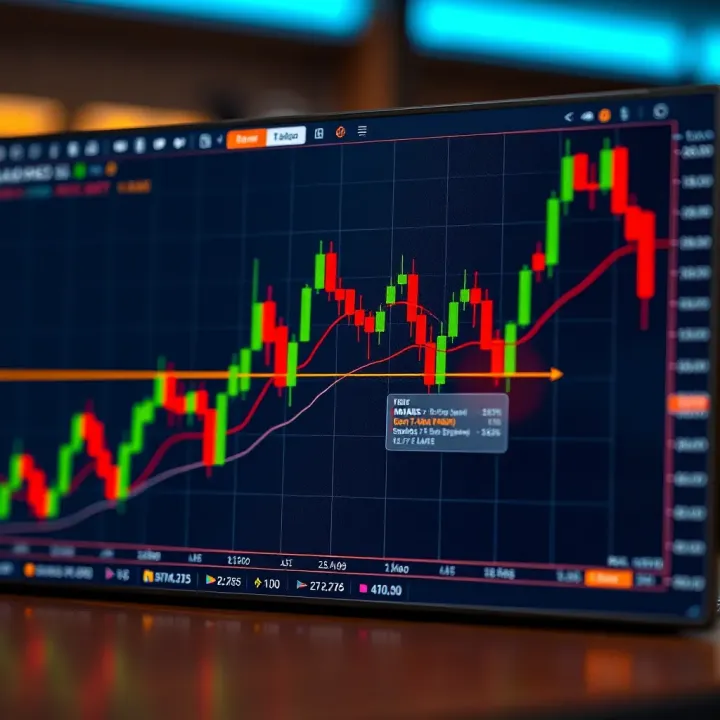
📊 Learn to spot key forex chart patterns with our practical guide and free PDFs. Boost your trading skills and make smarter market moves today!
Based on 5 reviews