

Understanding Binary Trading in Kenya
Explore binary trading in Kenya 🇰🇪: Understand how it works, weigh risks & rewards, learn smart strategies, and pick trusted platforms for safer investing 📈💡
Edited By
Henry Davies
Binary bot trading has become a hot topic among traders in Kenya, especially those looking to automate parts of their trading strategy in the binary options market. But it isn't just about turning on a bot and hoping for quick wins. Understanding how these bots work, their strengths, pitfalls, and how they fit into your overall trading plan is key to making smart, informed decisions.
In this guide, we'll cover everything from the basics of binary bot trading to practical tips on selecting a trustworthy bot. Whether you're a seasoned trader or someone testing the waters, this guide aims to give you a realistic picture—no hype, no sugar-coating.

We'll explore:
What binary bot trading actually is and how the bots operate
The common strategies that bots use to trade binary options
The advantages and risks involved, especially in the Kenyan trading environment
How to spot reliable bots versus potential scams
This topic matters because automated trading can save time and reduce emotional errors, but it’s also easy to get burned without enough know-how. With real-life examples and down-to-earth advice tailored for Kenya's market conditions and regulations, you’ll walk away better equipped to decide if binary bot trading fits your style and goals.
Automated trading tools aren't magic wands. They require understanding, monitoring, and a good dose of skepticism before reaching for your wallet.
Let's get started and break down what you need to know about binary bot trading.
Understanding what binary bot trading means and how it operates is the foundation for anyone looking to use this technology to trade binary options effectively. In Kenya, where trading has grown in popularity due to greater internet access and mobile penetration, knowing the nuts and bolts of binary bot trading can empower traders to make smarter moves without constantly watching the screen.
At its core, binary bot trading involves using software programs—"bots"—that execute trades automatically based on preset rules or strategies. This removes much of the manual guesswork and emotional sway that often leads traders to poor decisions. But to appreciate how these bots function and whether they’re a good fit for your trading approach, it’s important to break down the basics of the binary options market itself.
Binary options are a simplified, yes-or-no style bet on whether an asset’s price will move up or down within a specified time frame. Unlike traditional trading, which involves owning an asset, you’re only betting on the direction, making it straightforward. And because the risk and potential reward are fixed upfront, traders know exactly what they’re getting into beforehand.
This simplicity makes binary options attractive for new traders but also risky if used without enough understanding. For example, if you predict the price of the Kenya Shilling against the US Dollar will rise in the next 15 minutes, and it does, you earn a predetermined payout. If it doesn’t, you lose your stake.
A binary trade involves choosing an asset, deciding the direction of its price movement (up or down), and setting an expiration time. Let’s say a trader predicts that the price of Apple Inc. shares will be above $150 in 30 minutes. If the prediction holds true at expiry, the trade pays out a fixed amount; if not, the trader loses the amount invested.
Trades are quick, often lasting from seconds to hours, and require decisive timing. Unlike traditional stock trading where you might hold an investment for days or more, binary trading is more like a sprint.
Binary options cover a wide range of underlying assets. In Kenya, popular assets include:
Currency pairs like USD/KES (US Dollar/Kenya Shilling), EUR/USD
Stock indices such as the NASDAQ or FTSE 100
Commodities like gold, silver, and crude oil
Individual stocks of major companies including Safaricom, Equity Bank, and international giants like Tesla
Having a variety of assets means traders can choose markets they’re familiar with or those trending, helping tailor the strategy for success.
Binary trading bots are automated software programs designed to monitor the market and place trades on behalf of the trader. Generally configured with specific trading rules or algorithms, bots handle the execution without needing manual intervention once set up.
For example, a bot could be programmed to place a 'call' option on Apple shares whenever a particular moving average crosses another, signaling an upward price movement.
Bots connect to trading platforms via an API (application programming interface) and continuously analyze market data against the predetermined strategy. When conditions match the setup criteria, the bot makes trades instantly—far quicker than a human could. This is especially useful in binary trading where seconds may affect outcomes.
Through automation, bots:
Remove emotional distractions like fear or greed
Allow 24/7 market monitoring without human fatigue
Execute multiple trades simultaneously
Most binary trading bots come with features such as:
Customizable strategy settings: Traders can set which technical indicators or market conditions the bot should follow.
Backtesting ability: Some bots let you simulate how a strategy would have performed with past data, helping refine approaches.
Risk management tools: Stop-loss, max daily loss limits, and trade size controls to protect capital.
User-friendly interface: Making it easier for traders with limited programming skills to operate bots.
It's worth noting that while bots can speed up and systematize trading, their performance heavily depends on the quality of the strategy and market conditions. Good bots aren't magical but tools that need discipline and oversight.
Understanding these fundamentals sets the stage for diving deeper into the practical advantages, risks, and how to evaluate binary trading bots effectively.
Using binary bots in trading brings some clear benefits, especially for traders in fast-moving markets like Kenya's. These automated tools tackle tasks that can be too demanding or slow for humans, boosting trading efficiency and precision. Whether you're a seasoned trader or just getting your feet wet, understanding these advantages can help you decide if incorporating bots into your strategy makes sense.
One of the biggest perks of binary trading bots is how quickly they can execute trades. Unlike human traders who might hesitate or get distracted, bots respond instantly to signals and market conditions. For instance, if a bot spots a currency pair like USD/KEK showing a sharp upward trend, it can place and close a trade almost immediately—seizing opportunities that might vanish in seconds.
This speed matters because binary options often have short expiry times—sometimes just minutes. Delays in placing trades can mean missing out on potential profits. So, using a bot can mean the difference between catching a rising wave or watching it pass by.
Bots never sleep or take coffee breaks. They keep a constant eye on markets, scanning multiple assets and timeframes 24/7. This nonstop watchfulness helps spot signals that human traders might miss—especially outside traditional trading hours or during volatile sessions.
Imagine you're juggling a day job and can't monitor charts all day. A binary bot can do the heavy lifting, watching dozens of assets like EUR/USD or oil futures simultaneously. It alerts you or acts automatically on your behalf, ensuring you don’t miss out on critical market moves.
We all know how tricky emotions can be when money's on the line. Fear, greed, and hope often cloud judgment, leading to impulsive or disastrous decisions. Binary bots strip emotion right out of the equation. They follow predetermined rules and algorithms without hesitation or second-guessing.
For example, if a bot is programmed to exit a trade when a loss hits a certain amount, it will do so strictly—no begging the market to turn around, no wishing for a rebound.
Because bots stick to their coded strategy, they provide consistent, repeatable actions. They don't chase losses or overtrade after wins. This discipline helps maintain a trading routine that aligns with your overall plan, reducing the risky swings that come with human inconsistency.
Think of it like this: you wouldn’t expect a robot to suddenly decide to go rogue just because it had a bad day. Similarly, a well-programmed bot keeps executing the strategy steadily, which is often what traders need to build long-term success.
Binary bots can handle complex technical indicators without breaking a sweat. They can analyze moving averages, Relative Strength Index (RSI), Bollinger Bands, and others, then combine those inputs to decide when to enter or exit trades.
For instance, a bot might place a trade only when the RSI indicates oversold conditions and the price crosses above a moving average. Or it could combine signals from multiple indicators to reduce false positives. That kind of multi-layer analysis is tough to do manually in real-time.
Traders often like to diversify their approaches to spread risk. Bots can juggle several strategies at once—like trend following combined with reversal tactics—on different assets or timeframes.
Say you want one bot running a momentum strategy on forex pairs, while another uses contrarian methods on commodities like gold. Software like BinaryBotPro or MetaTrader 4’s automation allows you to run and switch between these strategies smoothly, giving you flexibility without juggling multiple charts yourself.
Using binary bots isn’t just about speeding up trades. It’s about getting a reliable partner that sticks to logic when emotions run high, handles complex analysis on your behalf, and keeps you plugged into market opportunities around the clock. That’s a game changer for many Kenyan traders navigating the unpredictable world of binary options.
In summary, the main benefits here include faster execution, non-stop market scanning, emotionless, consistent trading, plus the ability to work with technical indicators and multiple strategies at once. Each one adds a valuable edge when done right—but remember, bots are tools, and knowing how to use them wisely remains key.
Binary bot trading can be a tempting shortcut to profit, especially with the promise of automation handling trades 24/7. Still, it’s important to know that this approach carries its own set of risks and hurdles. Understanding these pitfalls can save a trader in Kenya from costly mistakes and help set realistic expectations.
One of the biggest headaches in binary bot trading arises from bot malfunctions. These happen when the software behaves unpredictably, either due to coding bugs or flawed algorithm logic. For example, a bot might misinterpret market signals or fail to execute trades correctly, which means orders get missed or trades happen at the wrong time. This can cost traders real money, even if the overall strategy is solid. It’s wise to regularly monitor your bot’s actions and not treat it like a "set and forget" tool.
Stable internet connection is the backbone of automated trading. If your internet drops or gets choppy, your bot might not communicate with the broker’s server efficiently, causing delays or missed trades. Imagine a bot trying to close a position, but due to a lost connection, it can’t do so before market conditions change drastically. Kenyan traders especially should be wary of this if they rely on mobile data or unstable broadband. Using backup internet options or local servers can reduce this risk.
The binary options space has attracted its fair share of scam bots promising guaranteed profits. Fake bots usually lack transparency in how they work or exaggerate their past performance. If a bot claims 100% success rates or demands upfront fees with no demo or trial, it’s a red flag. Kenyan traders must carefully research and seek out bots with verified track records, ideally those tested by independent reviews or on demo accounts before investing real money.
Using a bot often means giving it access to your trading account and sometimes your funds. Poorly coded or shady bots might expose you to hacking or unauthorized withdrawals. Always check the security features of any bot and use two-factor authentication on your trading platforms. Avoid bots from unknown developers and keep your login details private. Security isn’t just about software bugs but also protecting your personal and financial data.
Even the smartest binary trading bots can’t totally anticipate sudden market swings influenced by unexpected news or events. Markets can go from calm to chaotic in seconds, upsetting even well-planned automated trades. For instance, a political announcement or sudden economic data release might send prices sharply up or down, and bots might execute trades that lead to losses instead of profits.
Automation doesn’t guarantee winnings. A bot simply follows programmed strategies, which can falter under certain market conditions. Traders should remember that losses are part of the game, whether human or bot is making the calls. The key is sound risk management, like setting limits on trade size or stop-losses, to keep losses manageable.
Relying solely on bots without understanding underlying risks is like driving blindfolded—you might make progress, but you're likely heading toward trouble. Always keep an eye on your trades, test bots first, and don’t underestimate the volatile nature of the binary options market.
By being aware of these risks and challenges, traders can better prepare and protect themselves when using binary bots in Kenya’s trading environment.
Understanding the strategies that binary trading bots use helps traders grasp how these automated systems make decisions and adapt to market conditions. Bots follow specific approaches to identify trading opportunities, manage risks, and optimize returns. Picking the right strategy can spell the difference between consistent gains and avoidable losses.
Traders often don't realize that these bots mimic hands-on trading techniques but remove hesitation and emotional bias. This section focuses on three popular strategies: trend following, reversal and contrarian approaches, and news-based trading. Each has its own practical benefits and pitfalls. Think of these strategies as different tools in a trader's toolbox — knowing when and how to use each shapes successful binary bot trading.
At the heart of trend following strategies is the ability to spot whether an asset’s price is generally moving upwards, downwards, or sideways. Bots use indicators like Moving Averages (MA), Relative Strength Index (RSI), and the Average Directional Index (ADX) to detect these trends. For instance, if the 50-day MA crosses above the 200-day MA—a popular signal known as the "Golden Cross"—a bot programmed to follow trends might place a call option anticipating rising prices.
Identifying trends allows the bot to join the market momentum rather than swimming against it. This approach suits markets showing clear directional movement, reducing guesswork and capitalizing on the herd behavior typical in trading.
Once a trend is confirmed, the bot acts fast to catch momentum waves. Momentum means the speed at which prices change, not just the direction. Bots analyze volume, price velocity, and momentum oscillators to decide the timing and size of trades.
For example, a bot might detect accelerating upward momentum in a currency pair like USD/JPY and decide to open a call option right before the trend peaks. The advantage here is automation: bots don't second-guess or delay, unlike human traders who can get cold feet. This quick execution can take advantage of short-lived opportunities that manual trading often misses.
Contrarian bots swim against the crowd by looking for when assets are priced too high or too low, implying a potential price correction. Tools like the RSI or Stochastic Oscillator help these bots find "overbought" (prices too high) or "oversold" (prices too low) states.
Imagine a stock repeatedly hitting an RSI above 70—it may be stretched and due for a dip. A reversal bot would spot this and prepare to trade put options, betting on a drop. This strategy is handy in volatile, choppy markets where trends don't last long.
Reversal bots aren’t just about guessing tops or bottoms—they look to profit when prices bounce back after an exaggerated move. Let’s say an oil price experiences a sudden drop due to short-term news but fundamentals remain strong. A reversal bot can identify this temporary dip as a buying opportunity.
These bots often include safeguards like stop-loss settings to avoid getting caught in true breakdowns. This careful approach aims to exploit short spikes and dips while limiting downside risk.
Automated bots that tap into economic news combine data feeds from sources like Bloomberg or Reuters with natural language processing to interpret market-moving announcements. For Kenyan traders, important events might include Central Bank of Kenya rate decisions or GDP reports.
When a bot detects a positive employment report or interest rate cut, it can immediately trigger binar options trades aligned with expected market moves. This removes human delay in processing complex news, giving traders a chance to react before prices fully adjust.
Besides published reports, unexpected events like political statements or sudden crises require fast reactions. News-based bots constantly scan headlines and social media for keywords or sentiment shifts.
For example, if fresh news of major infrastructure investment breaks out in Kenya, the bot might quickly open call options on the Nairobi Securities Exchange index.
The key benefit of news-based bots lies in speed and scale—they process far more information and react faster than any human possibly could.
In sum, these popular strategies cater to different market conditions and trading styles. A bot that excels at trend following may stumble in a volatile market better suited for reversal tactics. Similarly, news-based bots shine when timely information is the edge. Kenyan traders setting up or choosing binary bots should understand these approaches to align strategy with individual risk tolerance and market knowledge.
Choosing the right binary trading bot can be the difference between steady profits and frustrating losses. Not all bots are created equal, and without proper evaluation, traders can easily fall prey to poor performance or outright scams. Evaluating trading bots carefully means looking beyond flashy promises—focusing instead on actual capabilities, track record, and support. This helps traders in Kenya, and elsewhere, make informed choices that fit their investment goals and risk tolerance.
A solid track record is hands down the most important factor when sizing up a binary trading bot. Verified results mean the bot’s trading history has been independently audited or documented in real market conditions. Without this, you’re basically flying blind. For example, if a trading bot claims an 85% win rate, but there’s no proof, treat it with skepticism. Platforms like Myfxbook or third-party verification services can provide performance snapshots.
Realistic results usually show some ups and downs; a bot with flawless consecutive wins is often too good to be true. Pay attention to the length of the track record too—three to six months minimum in live trading is more telling than a week or two. This gives insight into how the bot handles varying market conditions.
User reviews complement statistics by revealing the day-to-day reality of using the bot. Traders often comment on customer support quality, ease of setup, or unexpected glitches which numbers don’t capture. Authentic reviews will mention both pros and cons. For instance, a user might praise how the bot quickly adapts to market trends but warn about occasional lag during volatile periods.
Be wary of reviews that are overly positive or sound scripted. Look for feedback spread across different platforms—forums like Forex Peace Army and Trustpilot often have balanced user insights. This roundabout approach helps paint a clearer picture of the bot’s reputation.
Before diving in with real money, running a trading bot on demo accounts is a must. Demo environments mimic live markets but use virtual funds, letting you see how the bot performs without risking capital. Many brokers provide demo accounts exactly for this reason.
Simulations reveal how the bot places trades, reacts to price shifts, and handles losses. For example, if a bot consistently sends trades at unlucky moments or ignores important alerts in the demo, these flaws will likely persist in live trading.
Watching the bot in action is more informative than just stats. Notice whether it follows the set parameters, how quickly it acts on signals, and if it ‘overtrades’ (making too many risky moves). Also, check how it manages losing streaks—does it pause or keep placing bets blindly?
Make notes about technical issues like delayed execution or connection hiccups. These glitches can cost money down the line. Overall, demo testing is your chance to get hands-on experience and tweak settings for your style.
Good bots come with straightforward documentation about what the software does, how it makes decisions, and what users can expect. Vague, overly technical, or cryptic descriptions should raise red flags.
For example, a bot that says it uses “advanced AI algorithms” but fails to specify which strategies or indicators it employs isn’t giving much to go on. Transparency means you know what’s running under the hood—whether it uses trend following, reversal, or news-based methods—and how customizable those settings are.
Having access to user guides, FAQs, and setup manuals adds confidence and reduces the learning curve.
Finally, solid customer support is indispensable. When something goes wrong, you want quick, knowledgeable help. The best providers offer multiple contact channels—phone, email, live chat—and respond within reasonable time.
For instance, if a Kenyan trader experiences bot connectivity issues during Nairobi trading hours, localized or time zone-aware support becomes a huge plus. Some companies even provide training or community forums where you can interact with other users.
Remember: Transparent operations and responsive support aren’t just nice-to-haves—they’re essential for avoiding costly mistakes with automated trading tools.
Evaluating binary trading bots carefully ensures you don’t blindly hand over your money to unproven software. Checking real performance data, trying out demo versions, and assessing transparency and support all form a checklist you should follow for safer, smarter trading. This kind of due diligence gives you a better shot at long-term success in Kenya’s growing binary options market.
Talking about binary bot trading without touching on the legal side is like baking bread without yeast—it won’t rise properly. In Kenya, understanding the local regulatory environment shapes how traders and software providers operate, ensures protection from scams, and keeps practices above board. This section sheds light on what Kenyan traders should watch out for and how to navigate the legal landscape with no nasty surprises.
Kenya’s financial market is primarily overseen by the Capital Markets Authority (CMA), which keeps a tight watch on investment activities, including binary options trading. While binary options themselves have sparked suspicion worldwide due to their risky nature, Kenya still allows trading under regulated frameworks. That means brokers and platforms must be licensed and operate transparently.
For example, the CMA has issued warnings in the past about unregulated platforms targeting Kenyan traders. Its role is to ensure firms follow strict rules—like proper disclosure of risks and maintaining adequate capital reserves—to protect traders from fraud and misuse. This framework encourages responsible trading and brings some order to what can get chaotic.
When it comes to automated trading bots, the waters get a little murky. While Kenya doesn’t have specific laws banning or explicitly regulating the use of trading bots, they fall under the broader regulatory umbrella applying to trading activities and financial software.
Bots that connect with regulated brokers and follow CMA guidelines are generally considered legal. However, problems arise with bots promoted by dubious operators promising unrealistic returns or using shady methods. Kenyan traders should verify that their chosen bots comply with regulations, are transparent about their algorithms, and ideally have third-party audits or reviews.
This means that while you can use automated trading bots, due diligence is a must—especially to avoid the scams that have troubled the market.
Staying on the right side of the law starts with traders themselves. In Kenya, binary options traders should first ensure they use brokers or platforms licensed by the CMA. Trading on unregulated platforms is risky and could expose one to fraud or legal complications.
Key steps for compliance include:
Verifying broker licenses and checking for updated CMA approvals
Maintaining clear records of all trades and transactions for tax and audit purposes
Understanding tax obligations on any profits earned from trading activities
Practically, this means if you make a few shillings trading binary options, you’re expected to report your earnings like any other income.
Software providers offering binary trading bots must align with Kenya’s regulatory standards too. This includes ensuring their algorithms don’t manipulate or mislead users and that their products meet cybersecurity standards to protect user data and funds.
Providers are generally encouraged to:
Be transparent about how their bots operate
Provide clear user agreements and disclaimers about risks
Establish customer support channels responsive to concerns or complaints
For instance, a software company marketing an automated trading bot in Kenya should openly show past performance results verified by independent sources, rather than vague promises of easy money.
In short, whether you’re a trader or a software developer, knowing and following Kenya’s financial rules doesn’t just protect you legally—it also adds a layer of trust that makes the market safer for everyone involved.
In Kenya, understanding and respecting the legal framework around binary bot trading ensures smoother experiences and less chance of trouble down the road. It’s smart to stay informed, check credentials, and never jump in without digging around a bit first.
When diving into binary bot trading, especially in Kenya’s fast-evolving market, understanding common pitfalls can save traders a lot of heartache and money. Mistakes here aren’t just minor slip-ups—they can lead to significant financial setbacks. This section highlights critical errors many traders make, helping you steer clear of them and trade smarter.
Automation seems like a dream come true, but leaning too heavily on it without understanding the basics can backfire.
Some traders assume bots can decode every twist of the market without human input. That's a risky bet. Bots operate on programmed strategies and past data, but they don’t understand sudden geopolitical events or economic shifts like a human trader might. For instance, if a surprising news release affects the Kenyan shilling, a bot blindly following technical signals might keep placing trades that lose money.
A practical approach is to combine bot use with your own market analysis. Stay updated on trends and events that no algorithm can fully anticipate. Think of the bot as an assistant, not a replacement. Regularly reviewing news or economic calendars can prevent you from blindly trusting a bot in volatile times.
Another trap is setting up your bot and then forgetting about it. Automation doesn’t mean "set and forget." Markets evolve, and so should your bot’s settings. For example, fluctuations in asset volatility or a change in market hours (like public holidays affecting trading) can affect how your bot performs.
Frequent monitoring allows you to catch glitches, unintended trades, or strategy failures early. Even a quick daily check-in can help you adjust parameters or halt trading if things look off. Remember, a bot obeys instructions—it won’t know when to stop unless you tell it.
The market is swamped with bot software, but not all deliver what they promise.
It’s tempting to jump on a bot that guarantees high returns with little effort, especially when advertisements boast impressive user testimonials. However, many such claims are exaggerated or outright false. Some bots lack transparent backtesting data or third-party verification, making their success stories questionable.
Always look for verifiable performance records and user reviews from independent sources before committing money. If a bot’s results sound too good to be true, they usually are. Don’t hesitate to ask for demo trials or test the software yourself in a simulated environment.
Using an unverified bot isn’t just a matter of wasted time—it can directly drain your trading capital. Some bots might execute hundreds of risky trades rapidly, exposing you to outsized losses.
For example, a malfunctioning bot could keep buying options on a crashing asset without cutting losses, wiping out your funds fast. Also, poorly designed bots might not comply with Kenyan regulations, potentially leading to blocked accounts or legal troubles.
Mitigating this risk means verifying bot providers, understanding their trading logic, and never investing more than you can afford to lose. Use proper risk management tools like stop losses where the platform allows, and keep your trading capital separate from emergency funds.
The bottom line: Automation is a powerful tool, but only when handled responsibly. Avoid placing blind trust in bots—combine tech with savvy and stay vigilant to protect your investments.
Navigating the world of binary bot trading can feel like walking a tightrope. The fast pace and automated nature of bots might tempt traders into thinking profits are a sure thing, but the reality is more nuanced. This section sheds light on practical tips aimed at turning your bot trading efforts into consistent success without falling into common traps.
Binary trading bots are tools designed to automate decisions based on certain algorithms or market signals. However, they are not magic wands. These bots operate within the confines of their programming and can't predict black swan events or sudden market shocks. For example, a bot programmed to trade based on moving averages won't catch a market drop caused by an unexpected geopolitical event. Recognizing these gaps helps traders avoid overestimating what bots can achieve.
Many new traders want quick wins and get lured by bots promising rapid returns. But just like any form of investing, consistent steady profits are a healthier goal. A bot that flags small but frequent gains—even if the payout isn't jaw-dropping—can add up a tidy sum over time. Patience is key; fluctuate too wildly chasing big returns and you’re setting yourself up for trouble. Consider a bot that averages a modest 2% profit per trade: over time, those add up, especially with disciplined staking.
Bots are not "set and forget" solutions. Regularly tracking how your bot performs in live conditions lets you catch issues before they snowball—like if it's suddenly making more losing trades or missing signals. Use demo accounts or keep detailed logs to spot patterns over days or weeks. For instance, if a bot overtrades during low-volume hours causing losses, it's a warning sign worth noting.
Markets change, and your bot’s strategy should evolve too. Sticking rigidly to a strategy that once worked, without adapting, is like trying to sail a ship with outdated maps. When you notice shifts in asset behavior or volatility, tweak your bot’s parameters accordingly. For example, if a bot was designed to perform well during trending markets but you’re currently in a range-bound phase, adjusting indicators or switching the approach can avoid unnecessary losses.
Successful binary bot trading isn't about searching for a quick jackpot; it's about steady, informed moves and staying alert to market moods and bot performance.
By setting clear expectations and keeping a close eye on your bots’ behavior—with an openness to refine their strategies—you increase your chances of long-term gains. The key is blending automation with attentive oversight, rather than relying solely on technology to do all the heavy lifting.
Diving into binary bot trading can feel like jumping into deep water without a life jacket. But setting off on the right foot makes all the difference. This section highlights why starting with the right setup is critical, especially for traders in Kenya navigating both the market environment and the specific challenges of automated trading.
Setting up properly doesn't just mean installing software; it means choosing trustworthy platforms and tailoring bot settings to fit your strategy. A good start cuts down on headaches like bot errors, scams, or compatibility issues. Plus, it saves you from costly mistakes by ensuring everything is aligned with your goals.
Not all brokers play fair or support the kind of automated trades a binary bot requires. When picking a broker, look for those regulated by bodies like the Capital Markets Authority (CMA) in Kenya or internationally recognized regulators such as the FCA or CySEC. These brokers usually list their compatible trading bots clearly on their platforms.
Practical tip: Firms like Binomo and IQ Option have built reputations for smooth integrations with several trusted bots. Their platforms provide clear terms, quick support, and transparency around fees — all crucial for bots running on split-second decisions.
Choosing a reliable broker helps ensure your funds are safe and your trades execute as expected. It also reduces the risk of fraud or hidden charges that could quickly derail your trading experience.
Bots aren't one-size-fits-all. Compatibility depends on whether the bot syncs with your chosen broker’s API, the types of assets you want to trade, and if the bot supports your preferred device, be it desktop or mobile.
For example, a bot like BinaryRobot365 works well with brokers that have open APIs, letting the bot fetch real-time data and place orders instantly. On the flip side, some bots only operate through web platforms, limiting flexibility.
Before committing, test if the bot communicates without hiccups, if it triggers trades as per your strategy, and if it handles updates from the broker smoothly. This prevents nasty surprises like failed trades or freezes during volatile market times.
A trading bot isn’t magic; it needs clear rules to follow. Parameter configuration involves setting your risk level, investment amounts per trade, expiration times, and any technical indicators your strategy requires.
Take an RSI-based strategy: you’d set your bot to buy when the Relative Strength Index drops below 30 (signaling oversold conditions) and sell above 70 (overbought). Fine-tuning these settings helps the bot avoid overtrading or entering losing positions blindly.
Users should keep their setups realistic — for instance, don’t max out your investment per trade right away. Start small, observe outcomes, then adjust. Remember, every bot has different options for customization, so read the manual or tutorials thoroughly.
Linking your bot to your live or demo trading account must be done carefully. This usually involves API keys or secure login credentials provided by your broker. Protect these details like gold because anyone with access can control your trades.
Often, brokers will give you sandbox environments to test your bot connection without risking real money. Utilize these demo accounts first to catch any setup errors.
Make sure your connection is stable — any disconnect can cause missed trades or unintended orders. It helps to have a backup internet plan or software that auto-reconnects in case of lapses.
Starting smart with a trusted platform and a well-configured bot lays the foundation for consistent binary trading success. Rushing this setup might cost you more than just money — it can erode confidence and learning too.
By following these steps, traders in Kenya can approach binary bot trading with a clearer head and stronger footing, making the complex world of automated trading less daunting and more manageable.
Keeping an eye on future trends in binary bot trading is essential, especially for traders aiming to stay ahead in Kenya’s competitive market. As technology and regulations evolve, understanding these changes helps traders adjust their strategies, choose the right tools, and avoid pitfalls. From smarter bots powered by artificial intelligence to clearer rules from regulators, these trends shape how traders interact with automated systems.
AI has made leaps in forecasting market moves by crunching huge amounts of data faster than any human. For example, modern bots can analyze patterns from various assets like forex, stocks, and commodities simultaneously. This means predictions are based on more accurate, real-time information rather than just historical data. Traders benefit by relying on bots that react to shifting conditions quickly, reducing guesswork and improving trade timing.
Beyond predicting trends, bots today can assess risk levels, adjust trade sizes, and even learn from past outcomes. This kind of smarter decision-making helps avoid repeating errors that simple programmed bots might make. For instance, a bot detecting increased market volatility can decide to pause trading or switch strategies, protecting the user from major losses. These bots act more like experienced traders, making the automated system more reliable and adaptable.
The latest platforms are designed for traders of all skill levels, making it easier to get started with binary bot trading. User interfaces are cleaner, with drag-and-drop strategy builders and clear performance dashboards. Take Pocket Option’s platform, for instance, where even newcomers can set up bots without deep programming know-how. This lowers barriers and invites more participation.
Regulators in Kenya are catching up to the rise of automated trading by setting clearer rules to protect investors. This means bots must operate transparently and adhere to certain standards, reducing scams that have hurt the market before. Traders should stay informed about updates from bodies like the CMA (Capital Markets Authority) to remain compliant. Knowing these frameworks means avoiding legal troubles and trading safely.
Staying current with technology and regulation in binary bot trading isn’t just a nice-to-have — It’s necessary for long-term success and protection.
In summary, AI-driven improvements will bring more precise and adaptive bots, while better user tools and regulation will ensure safer, more accessible trading. Traders in Kenya who keep pace with these trends will be better positioned to make informed choices and grow their portfolios steadily.
Explore binary trading in Kenya 🇰🇪: Understand how it works, weigh risks & rewards, learn smart strategies, and pick trusted platforms for safer investing 📈💡

Explore binary trading basics, strategies, risks, and legal insights in Kenya 🇰🇪. Get clear guidance plus reliable PDF resources to boost your skills 📊📄.
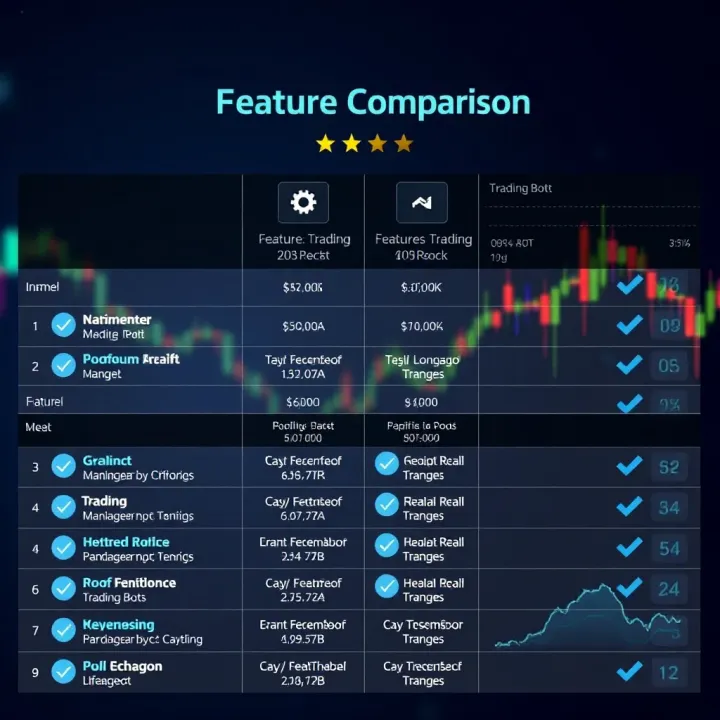
📊 Looking for the best trading bot in Kenya? Discover key features, pros, cons & tips to pick one that fits your trading style and goals today!

Explore binary trading platforms in Kenya 📊 Understand their features, risks, legal rules, and tips to pick the right platform for smarter trades.
Based on 15 reviews